Ask a dozen seasoned ice anglers that question, and you'll get a dozen different answers. Some will swear by their secret lure. Others will point to a high-tech flasher. But after twenty winters spent on frozen lakes, from the Great Lakes to remote Canadian shields, I'll tell you the real trick. It's not one thing. It's a mindset. It's understanding that ice fishing success is built on a foundation of safety, location, and presentation, in that order. Forget the fancy gear for a second. The biggest mistake I see? Newcomers get so excited about catching fish that they skip the crucial first steps.
Your Ice Fishing Blueprint: What We're Covering
The Non-Negotiable First Step: Safety
This isn't a boring disclaimer. It's the core trick. A bad day fishing is better than a tragic day falling through. I learned this the hard way early on, hearing the ice crack under my boots on a seemingly solid bay. My heart hasn't pounded like that since.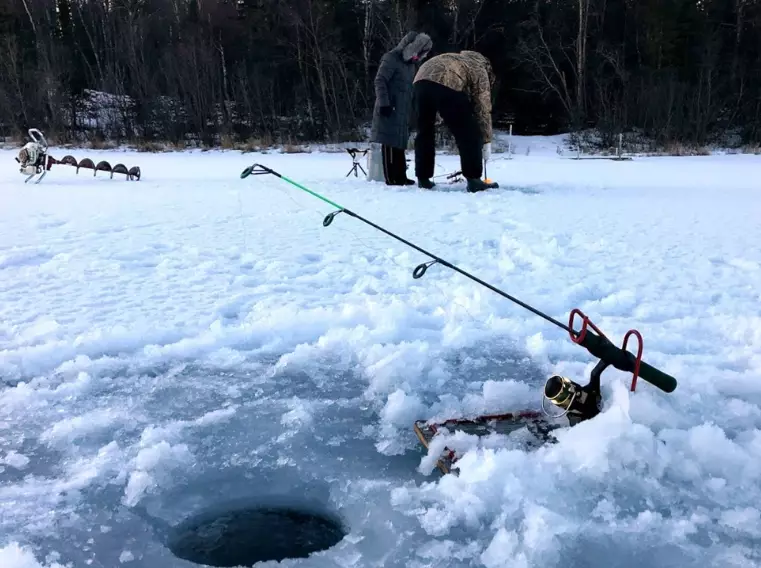
The Golden Rule: No fish is worth your life. Ever. Local bait shops and conservation authority websites, like the Minnesota DNR or Ontario Ministry of Natural Resources, publish weekly ice thickness reports. Use them as a guide, not a guarantee.
How to Actually Check Ice Thickness
Don't just look at it. You need a spud bar or an auger.
- Test as you go: Drill or chop a hole every 10-20 steps as you move out from shore.
- Measure clear ice: Ignore white, snowy ice. You want 4+ inches of solid, clear ice for walking alone.
- Beware of variables: Currents, springs, and pressure ridges create weak spots. Give river mouths and narrows a wide berth.
Your safety kit is non-negotiable. It's not just for you; it's for everyone with you.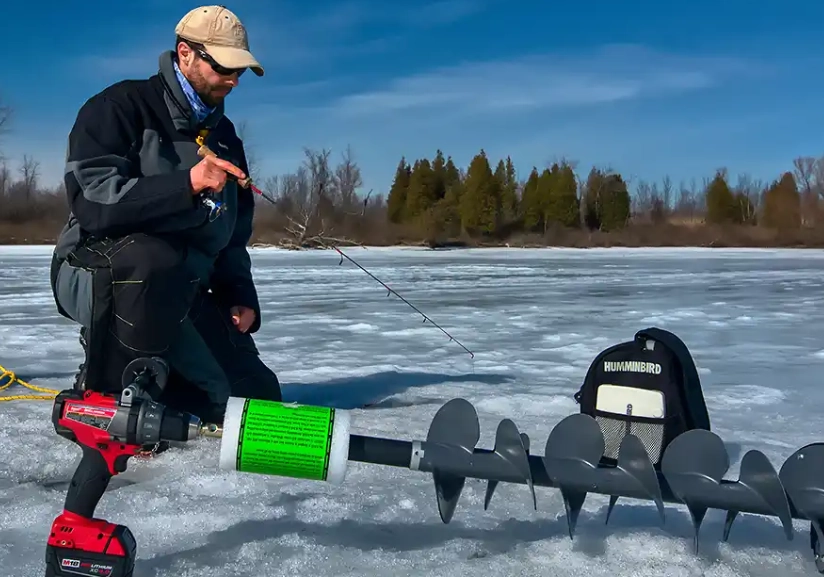
- Ice picks: Wear them around your neck, not buried in your bag.
- A 50-foot rope: In a throw bag for easy deployment.
- A change of clothes: In a waterproof bag. Hypothermia sets in fast.
- Tell someone: Where you're going and when you'll be back. Every single time.
Finding Fish: It's More Than Luck
Here's where most beginners waste hours. They drill one hole over deep water and sit there, hoping. The trick is to be mobile and think like a fish. In winter, fish are conserving energy. They'll be near their food.
I start with a lake map, even a free one on my phone. I'm looking for transitions.
- Weed lines: Dying weeds still hold oxygen and attract baitfish. Perch and pike love them.
- Drop-offs and points: Walleye and trout cruise these edges, moving from deep to shallow to feed.
- Underwater springs or inlets: Slightly warmer water can attract fish.
My first hour on the ice is spent drilling, not fishing. I'll drill 10-15 holes in a grid pattern over a promising area—from 8 feet of water out to 25 feet. Then I use my sonar (or just a jig and my eyes) to check each hole quickly. I'm looking for signs of life, a good bottom, or a specific depth change. Only then do I start fishing.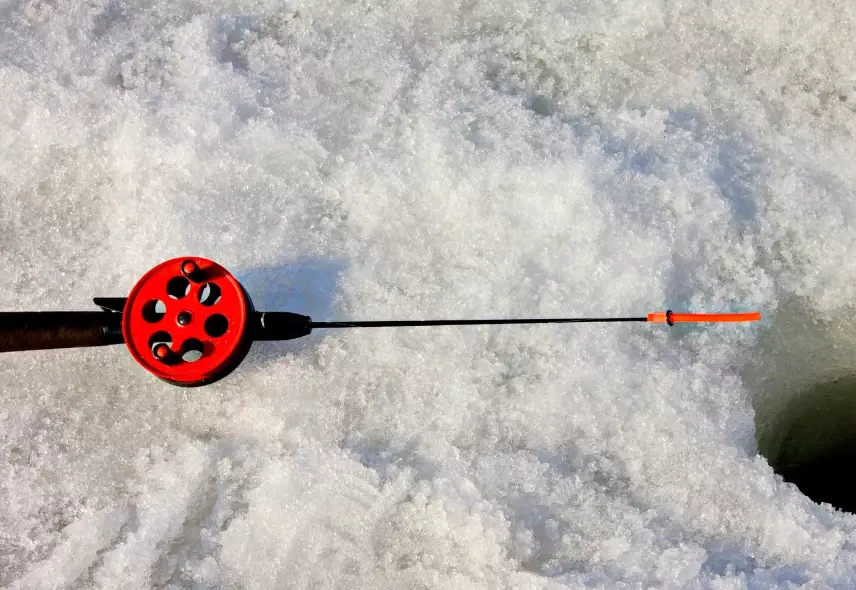
Gear That Actually Matters
You don't need a $1000 sled full of equipment. You need the right tools. I've seen guys with all the gadgets get outfished by a kid with a hand line. This table breaks down the essentials.
| Piece of Gear | Why You Need It | Beginner Recommendation |
|---|---|---|
| Ice Auger | Without a hole, you're just camping. A sharp auger is the key to mobility. | A 6" or 8" hand auger. Light, cheap, and reliable. Upgrade to electric later. |
| Ice Rod & Reel | Sensitivity is everything. You need to feel subtle bites. | A medium-light, 28-32 inch rod with a small spinning reel spooled with 4-6 lb test. |
| Sonar (Flasher/Fish Finder) | This is your underwater eyes. It shows depth, bottom, and most importantly, fish. | A basic flasher model. It's the single best investment to increase your catch rate. |
| Scoop | To clear ice shavings from your hole. A clogged hole means missed fish. | A simple metal or plastic skimmer. Don't use your hands. |
| Warm Clothing | Layers. If you're cold and miserable, you'll leave before the bite turns on. | Merino wool base layers, insulated bibs, a good parka, and pac boots. |
Notice what's not on the list? A fancy shelter. Start with a 5-gallon bucket to sit on and carry your gear. See if you like it before investing in a hub shelter or flip-over.
Fooling Fish: The Art of the Presentation
You've found a spot, drilled a hole, and see fish on your sonar. Now what? This is the finesse part. Winter fish are often lethargic. Your job is to annoy them into biting or make it look so easy they can't resist.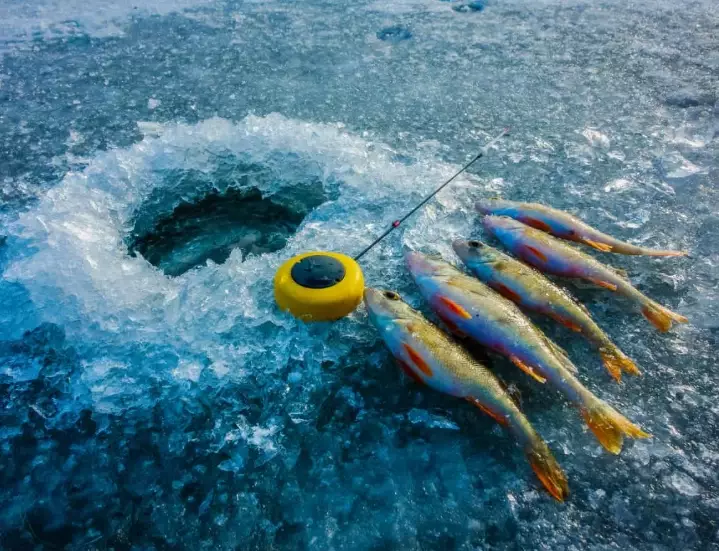
Bait Selection: It's Not Random
Match the hatch, even in winter. Ask at the local bait shop what's working.
- Live Minnows: The classic. Hook them through the back just below the dorsal fin for lively action. For finicky fish, a small minnow on a tiny hook works wonders.
- Wax Worms & Spikes (Maggots): The ultimate finesse bait for panfish like bluegill and crappie. One or two on a small jig is often irresistible.
- Artificial Lures: Jigging spoons, small swimming plugs, and tungsten jigs. Their advantage? You can fish them fast to cover water, then slow them down when you find fish.
The Jigging Cadence
This is where your personality meets the fish. There's no one right way.
- The Aggressive Hop: A sharp lift of 1-2 feet, then let it fall. Good for triggering reaction strikes from perch or walleye.
- The Subtle Shiver: Just a tiny wrist tremor that makes the lure quiver in place. Deadly for suspended crappie.
- The Dead Stick: Sometimes, doing nothing is best. Set a rod with a live minnow off to the side, completely still. It's your passive observer.
Watch your sonar. If fish rise to your lure but don't bite, stop jigging. Let it sit. Often, that's when they'll suck it in.
Next-Level Tricks for Tough Days
The bite is slow. You're marking fish, but they're ignoring you. Time to dig deeper into the bag of tricks.
Downsize Everything. This is my go-to move. Switch to a 1/64 oz jig instead of a 1/8 oz. Use 2 lb test fluorocarbon leader instead of 6 lb mono. Put a single spike on instead of a minnow. A smaller, more subtle profile often turns lookers into biters.
Change Your Look. If you've been using a gold spoon for an hour with no luck, switch to glow green or plain silver. The change in flash or vibration can be the trigger.
Fish the Off-Times. The best bite is often at first light and last light. But on high-pressure, sunny days, the midday bite can die. Use that time to scout new locations. Be ready for that magical hour before sunset.
Answers to Your Burning Questions
How do I know if the ice is safe to walk on?
What's the best way to find fish without an expensive flasher?
Why won't the fish bite even when I see them on my sonar?
What is the single most important piece of gear after safety equipment?
So, what's the trick to ice fishing? It's abandoning the idea of a single trick. It's building a process: prioritize safety, invest time in finding fish before you fish, master a few key presentations, and have the patience to adapt. The real reward isn't just the tug on the line—it's the crisp air, the quiet solitude, and the satisfaction of solving a winter puzzle. Now get out there, check the ice, and make your first hole.
Reader Comments