My first ice fishing rod was a disaster. I walked into a big-box store, saw a cheap combo on sale, and thought "a rod is a rod." That 36-inch fiberglass stick felt like a pool cue. I missed more perch bites than I felt, and my hands were frozen around its bulky plastic handle. I learned the hard way that an ice fishing rod isn't just a shortened version of its summer cousin—it's a specialized tool for a brutal environment. Choosing the right one isn't about picking the prettiest or the one on sale; it's about matching a precise instrument to the fish you're after and the way you want to catch them. Let's break down what you really need to know.
What's Inside This Guide?
What Makes an Ice Fishing Rod Different?
Forget everything you know about casting rods. Ice fishing happens in a cylinder of water maybe 8 inches wide. Your entire world is vertical. This changes the game completely.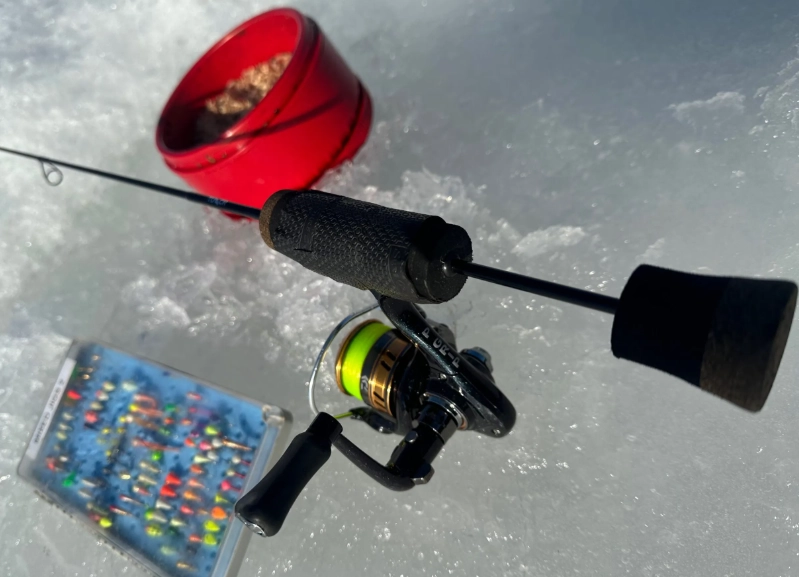
First, length. Ice rods are short, typically between 18 and 48 inches. You're not casting; you're jigging right over the hole. A shorter rod gives you better control and feel, and it doesn't smack the ice shelter ceiling. Second, the guides. They're designed to minimize ice build-up. You'll see single-foot guides, special coatings, or even models with "frost rings" that shed ice. A guide iced shut is useless.
Then there's sensitivity. Water is denser when it's cold, and fish are lethargic. A bite might be a faint tap, a slight weight, or the line just going slack. Your rod is the primary telegraph for these signals. It needs to transmit the vibration from your lure, up the line, through the guides, and into the blank, straight to your hand. That's why material and action are so critical.
Finally, the handle. You're often fishing in sub-zero temperatures. A bare metal reel seat will steal the heat from your hands. Modern ice rods use cork, EVA foam, or even thermally insulated grips to keep you fishing longer.
The Main Types of Ice Fishing Rods
You can't chase panfish with a pike rod. It's like using a sledgehammer to crack a nut. Rods are built for specific jobs. Here’s the breakdown.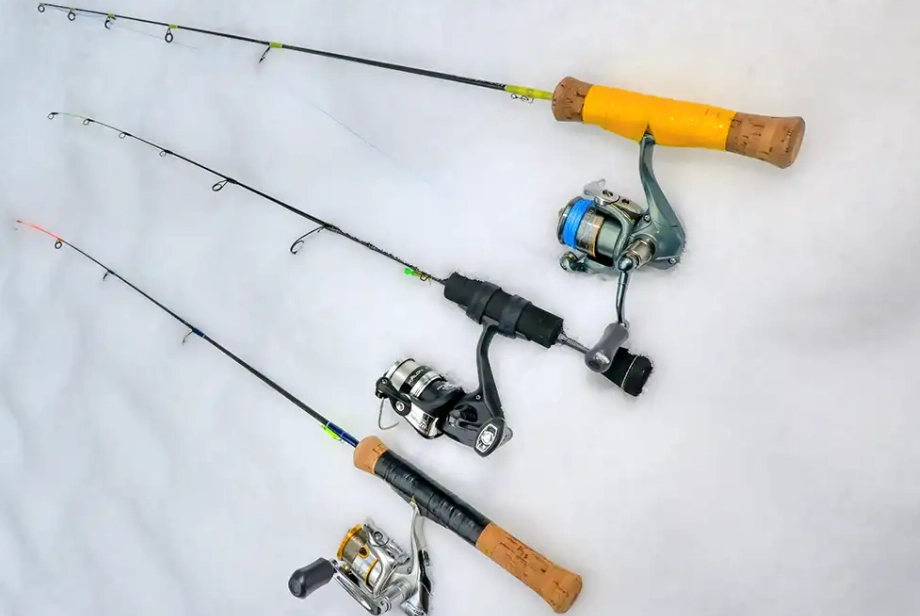
| Rod Type | Length Range | Power & Action | Best For | Typical Price Range |
|---|---|---|---|---|
| Ultra-Light / Panfish Rod | 24" - 30" | Ultra-Light to Light, Extra-Fast | Crappie, Bluegill, Perch with tiny jigs (1/64oz - 1/16oz) | $25 - $80 |
| Walleye / Trout Rod | 28" - 36" | Light to Medium, Fast | Jigging spoons and swimbaits for Walleye, Lake Trout | $30 - $120 |
| All-Around / Combo Rod | 28" - 32" | Medium, Fast or Moderate-Fast | Beginner's rod, versatile for multiple species | $20 - $60 |
| Heavy / Pike / Laker Rod | 34" - 48" | Medium-Heavy to Heavy, Moderate | Large spoons, live bait for Pike, Musky, big Lake Trout | $40 - $150 |
| Spoonbill / Deadstick Rod | 36" - 42" | Medium, Slow to Moderate | Holding live bait stationary (deadsticking), subtle bite detection | $35 - $90 |
Notice the trend? Smaller, finicky fish demand shorter, whippier, more sensitive sticks. Bigger, aggressive predators need longer rods with more backbone to handle their runs and turn their heads.
I made a mistake early on by buying a "medium" all-around rod as my only tool. It was okay for walleye, but it was a broomstick for crappie. I couldn't feel a thing. Now, my most-used rod is a 28-inch ultra-light with a graphite composite blank. I can feel a crappie breathe on my waxworm.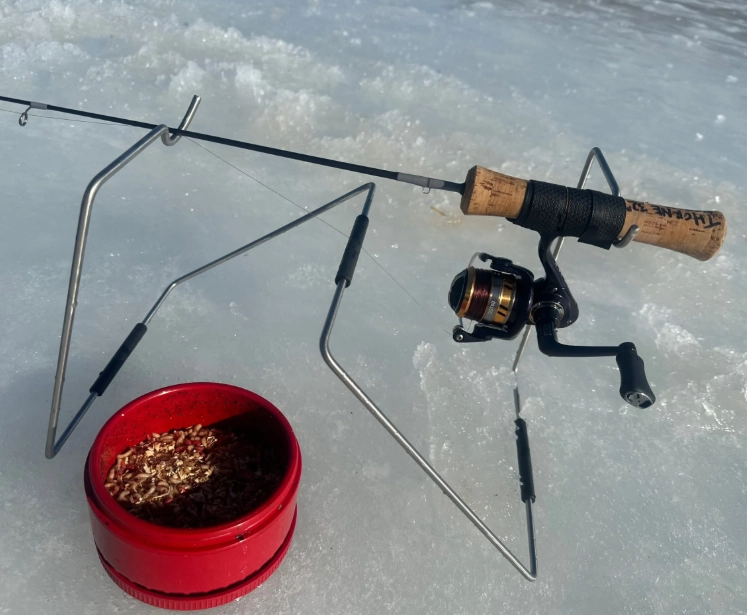
How to Choose the Perfect Ice Fishing Rod
Walking into a tackle shop can be overwhelming. Follow this decision path.
Step 1: Identify Your Primary Target
This is the most important question. Are you after slab crappie in 20 feet of water? Or are you setting tip-ups for northern pike in the weeds? Your target species dictates 80% of your choice. Don't buy a rod for the "once a year" pike trip if you'll be chasing perch every weekend.
Step 2: Understand Power and Action
These terms are often confused.
Power is the rod's overall strength—its resistance to bending. Think of it as the rod's "backbone." Light, Medium, Heavy.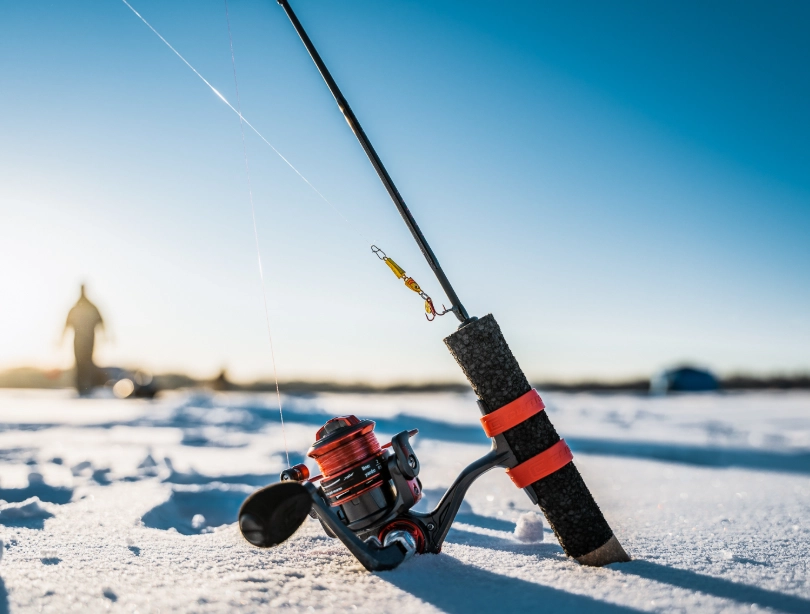
Action describes where the rod bends. Fast action means only the top third of the rod flexes. Slow action means it bends down into the handle.
For jigging, you usually want a fast action. It loads quickly for a sharp hookset and is incredibly sensitive at the tip. For deadsticking or fishing with spring bobbers, a moderate or slow action can be better as it absorbs headshakes and shows bites differently.
Step 3: Consider Materials and Feel
Graphite is the king of sensitivity. It's stiff and transmits vibrations instantly. High-modulus graphite is even more sensitive but can be brittle in extreme cold (and more expensive). Fiberglass is durable, flexible, and forgiving. It won't snap if you step on it in the shack, but it's a bit of a wet noodle—you lose feel. Most good rods today are composites, blending graphite for feel with fiberglass or other materials for durability. This is the sweet spot for most anglers.
Go to a store if you can. Hold the rod. Give it a little shake. Does it feel crisp? Does the balance point feel good in your hand? A well-balanced rod reduces fatigue.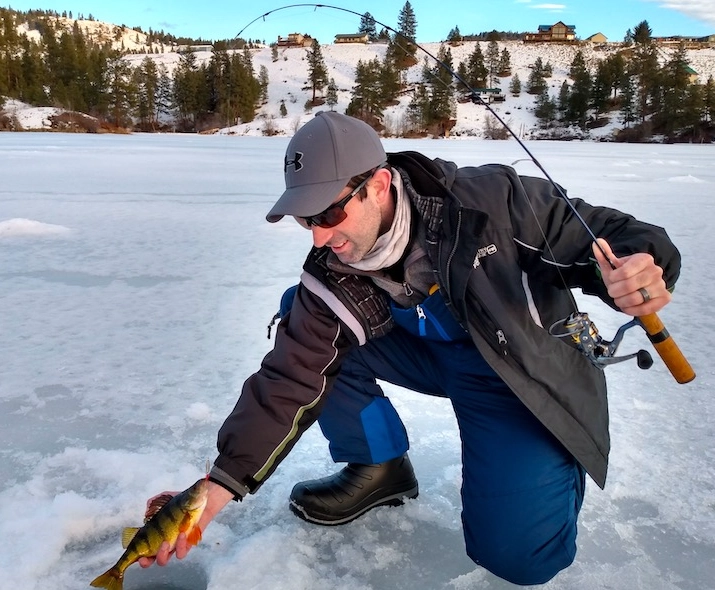
Step 4: Don't Neglect the Handle and Reel Seat
I'll take a cork handle over plastic any day. It's warmer, provides a better grip even when wet, and just feels premium. EVA foam is a good second choice—it's warm and durable. Avoid bare aluminum reel seats in winter. Look for graphite composite seats or ones with insulated inserts.
Your budget plays a role. A $25 rod will catch fish. But a $80 rod will make fishing more enjoyable and likely more successful because you'll feel bites you'd otherwise miss.
Setting Up Your Ice Fishing Rod Like a Pro
You've got the rod. Now let's make it sing.
Reel Pairing: For light and ultra-light rods, a small 500-1000 size spinning reel is perfect. For medium and heavy rods, step up to a 1000-2500 size. Make sure the reel foot fits the seat snugly. A loose reel is annoying and can damage the seat.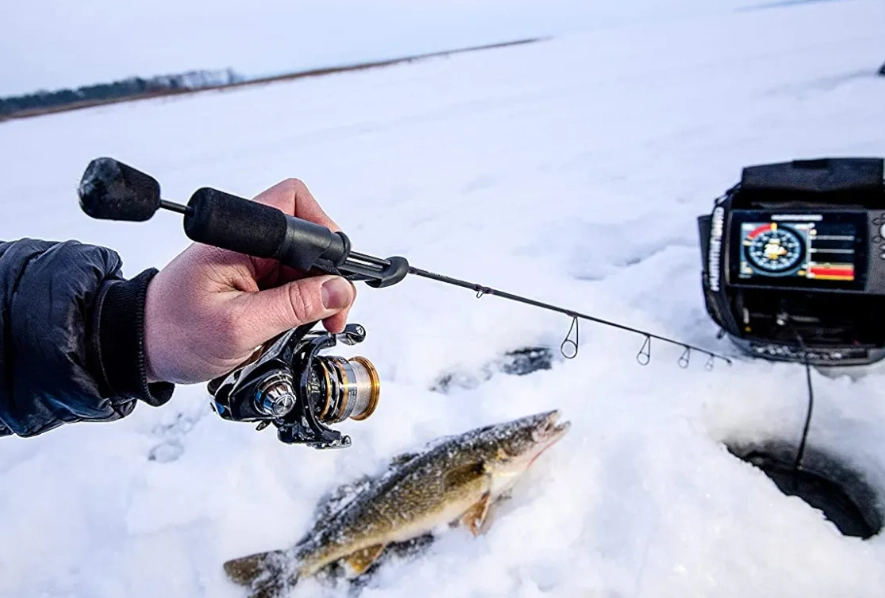
The Line Decision: This is critical and where many go wrong.
- Ultra-Light Panfish: Use 1-3 lb test fluorocarbon or a super thin, sensitive monofilament. Braid can be too stiff and lack stretch for light hooksets, but some anglers use very light braid with a long fluorocarbon leader.
- Walleye / General Jigging: 4-8 lb test fluorocarbon is the standard. It's nearly invisible, has low stretch for good hooksets, and sinks.
- Pike / Heavy Duty: 20-30 lb braided line with a 12-20 lb fluorocarbon or wire leader. The no-stretch braid helps drive the hook home on a long run.
The Connection: Use a small, reliable knot like the Palomar or Improved Clinch. For attaching lures with a snap, use a tiny cross-lock snap or a direct tie. Avoid big, bulky snaps on finesse presentations.
Finally, store your rods with care. Don't just toss them in a bucket. Use a rod case or a protective sleeve. Those delicate graphite tips are vulnerable.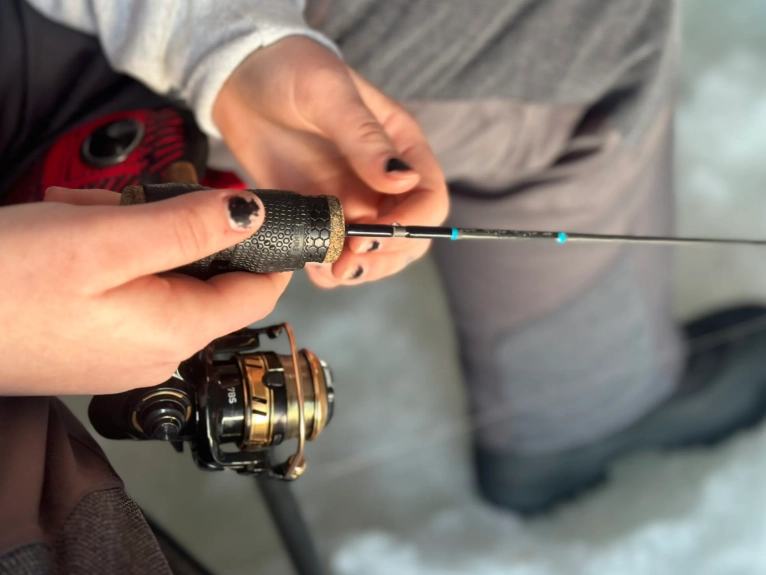
Your Ice Rod Questions Answered
What length ice fishing rod should I get for walleye?
For jigging walleye, a rod between 28 to 34 inches is ideal. This length provides enough leverage for a solid hookset but remains sensitive for detecting subtle bites in deeper water. A medium-light to medium power rod with a fast action tip is the standard choice, allowing you to feel the bottom and the light 'tap' of a walleye taking your jig.
Is a graphite or fiberglass rod better for ice fishing?
Graphite is superior for sensitivity, letting you feel the faintest nibble, crucial for finicky fish like perch or crappie. Fiberglass is more durable and forgiving, which is great for aggressive fish like pike or for anglers who tend to be a bit heavy-handed. Many modern rods use a composite blend, offering a balance of sensitivity and backbone. For a first rod, a composite is a safe and effective bet.
Can I use a regular fishing rod for ice fishing?
Technically you can, but it's a significant disadvantage. Standard rods are too long for a small ice hole and lack the necessary sensitivity for detecting bites in freezing water. Their guides will ice up rapidly. A purpose-built ice rod is shorter, has specialized guides to resist icing, and is designed to transmit vibrations directly from the line to your hand, making it far more effective. It's worth the investment.
What's the most common mistake beginners make with ice rod setup?
The biggest mistake is mismatching the reel and line to the rod's purpose. Putting a heavy braided line on an ultra-light panfish rod kills its sensitivity. Conversely, using a light monofilament on a heavy pike rod can lead to break-offs. Always pair your line and reel size with the rod's recommended line weight and lure rating for a balanced, functional setup. The second mistake is over-jigging with a rod that's too stiff—let the rod do the work.
The right ice fishing rod transforms the experience from a cold waiting game into an active, tactile pursuit. It's the direct link between you and the world under the ice. Start by matching it to your target, respect the details of its setup, and you'll not only catch more fish—you'll understand why you're catching them. Now get out there and jig.
Reader Comments