Let's be honest. Staring at a blank ice sheet, wind whipping past, wondering if you've brought the right stuff is a special kind of cold misery. I've been there. My first time out, I had a summer rod, a dull hand auger, and jeans. It was a disaster. No fish, frozen toes, and a lesson learned.
Ice fishing gear isn't about having the most expensive gadget. It's about having the right tool for a brutally specific job. This guide strips away the marketing fluff. We'll walk through what you need, why you need it, and a few tricks you won't find in the manual.
What's Inside This Guide
Gear That Keeps You Alive (And Warm)
If you're cold and miserable, you won't fish long. If you're unsafe, you might not fish again.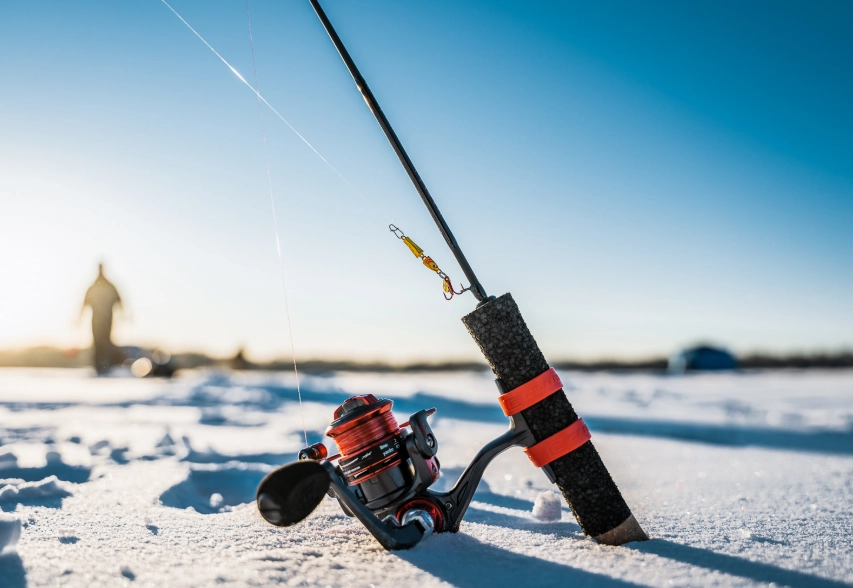
The Shelter: Your Mobile Base Camp
A good ice shelter is a game-changer. It blocks the wind, traps heat, and lets you focus on fishing, not shivering.
Hub Shelters: These are the pop-up tents of the ice world. They pack small, set up in minutes, and offer great space for 2-4 people. Brands like Eskimo and Clam dominate here. Look for a model with a thermal fabric shell—it costs more but prevents interior condensation from raining on you. The Achilles' heel? Wind. You need proper ice anchors, not the flimsy stakes they include.
Flip-Over Sleds: This is my personal preference for solo or duo trips. It's a sled with a shelter attached that flips over you. Everything stays loaded. You drag it, drill a hole, and flip. You're fishing in 30 seconds. It's less roomy but incredibly efficient. Otter and Frabill make tanks that last decades.
I made the mistake of buying a cheap, non-insulated hub first. On a sunny, calm day it was fine. On a typical breezy, cold day, it was a nylon refrigerator. Spend on insulation.
Heat Source: Don't Underestimate This
A small portable propane heater, like the Mr. Heater Buddy series, is essential. It takes a shelter from "survivable" to "comfortable." Ventilation is critical. Always crack a window or door. Carbon monoxide is silent and deadly.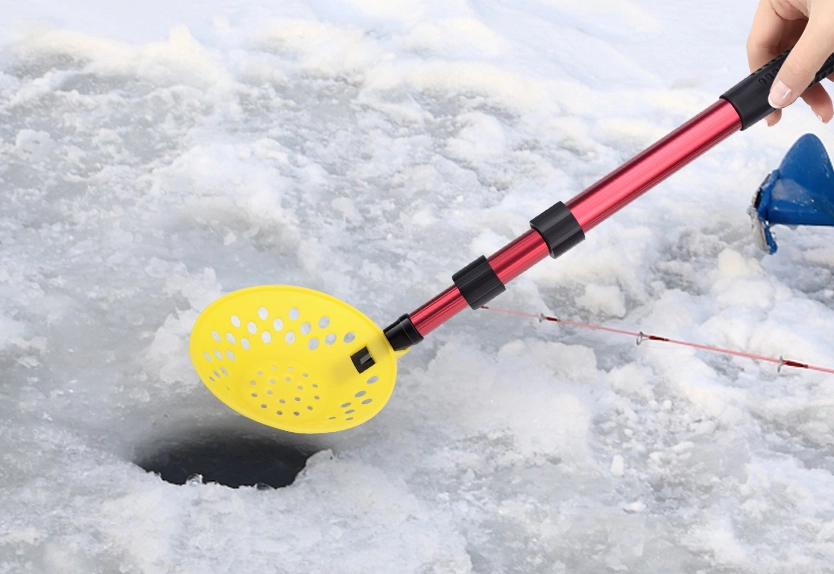
Traction & Safety
Ice Cleats: YakTrax or similar strap-on cleats. Black ice on top of snow is invisible and will put you on your back. I've sprained a wrist learning this.
Ice Picks or Claws: Wear them around your neck. If you go through the ice, they're your only tool to claw yourself out. Hope you never use them, but never go without them.
The Tools to Get You Through the Ice
You can't fish if you can't make a hole.
The Auger: Your Entry Ticket
This is where the battle is won or lost. A bad auger makes the day a chore.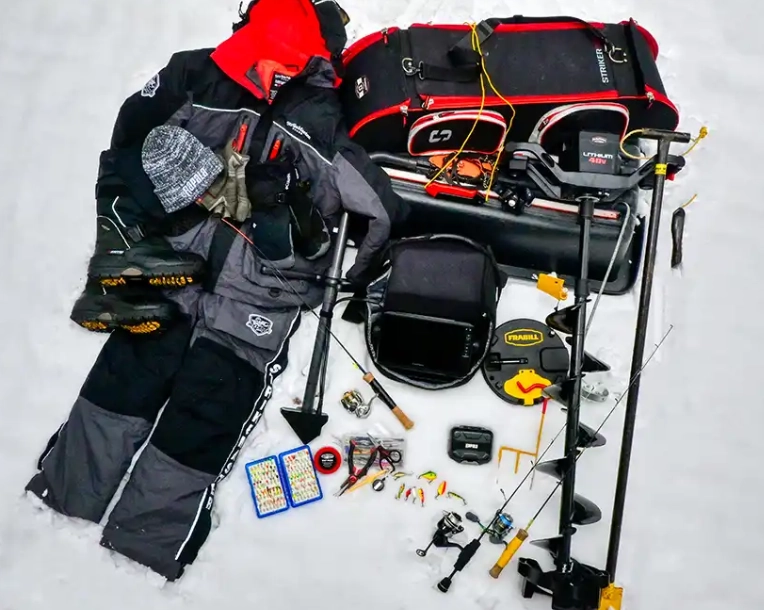
- Hand Augers: Affordable, reliable, silent. A sharp 6-inch or 8-inch hand auger from Nils or Strikemaster will cut through 2 feet of ice... if you're in good shape. After the fifth hole, you'll question your life choices. Perfect for early ice or the ultra-minimalist.
- Electric/Power Augers: The standard for most serious anglers. A cordless electric auger (like the Ion or K-Drill) is lightweight, starts every time, and is quiet. You drill 10 holes without breaking a sweat. The battery life is usually more than enough for a day.
- Gas Augers: Powerful, fast, can handle any ice thickness. They're also heavier, louder, smelly, and can be finicky in extreme cold. For the average angler, electric is the smoother choice now.
My take? Skip the hand auger unless you're on a tight budget or only fish thin ice. The time and energy saved with a power auger lets you search for fish more effectively.
The Support Crew: Skimmer & Spud Bar
A skimmer (or slush scoop) is a long-handled ladle. You'll use it constantly to keep your hole clear of ice shavings and slush. Aluminum is best—plastic breaks in the cold.
A spud bar is a heavy metal chisel on a pole. It's for testing ice thickness as you walk out. Thunk-thunk-thunk. Solid ice sounds solid. It also lets you chip open old holes quickly.
The Actual Fishing Stuff: Rods, Reels, & Lures
Now for the fun part. Ice fishing tackle is specialized because you're fishing vertically in a tiny window.
Ice Fishing Rods: Sensitivity is King
Forget your long summer rods. Ice rods are short, typically 24 to 36 inches. This lets you feel bites directly in your hands and set the hook with a quick wrist snap.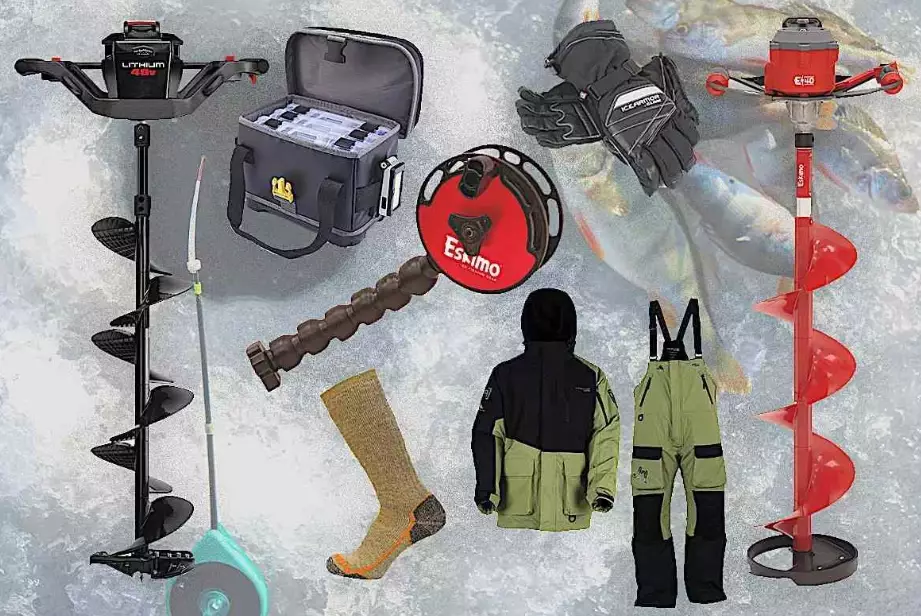
The action tells the story:
| Rod Action | Best For | Feel |
|---|---|---|
| Ultra-Light / Light | Panfish (Crappie, Bluegill), Perch | Whippy, sensitive to the tiniest nibble. |
| Medium | Walleye, Trout, Bass | More backbone to set hooks and fight bigger fish. |
| Medium-Heavy / Heavy | Pike, Lake Trout, Burbot | Stiff, powerful. Built for large lures and hard fights. |
A common mistake is using too heavy a rod for panfish. You'll miss half the bites because you can't feel them. Start with a good 28-inch light-action rod. The 13 Fishing Tickle Stick or a St. Croix Mojo Ice are fantastic benchmarks.
Reels & Line
A small, lightweight spinning reel (size 1000 or 500) is perfect. Smooth drag matters more than fancy bearings.
Line choice is critical. Monofilament (2-6 lb test) is versatile and has some stretch, which can be good for finicky biters. Fluorocarbon (same test) is nearly invisible underwater and sinks, great for clear water and jigging. Braid (5-10 lb test) has zero stretch, giving you ultimate sensitivity, but it's visible and can freeze. Many anglers use a braid mainline with a fluorocarbon leader.
I spool all my reels with 3-4 lb fluorocarbon for everything except pike. It's the best all-around performer.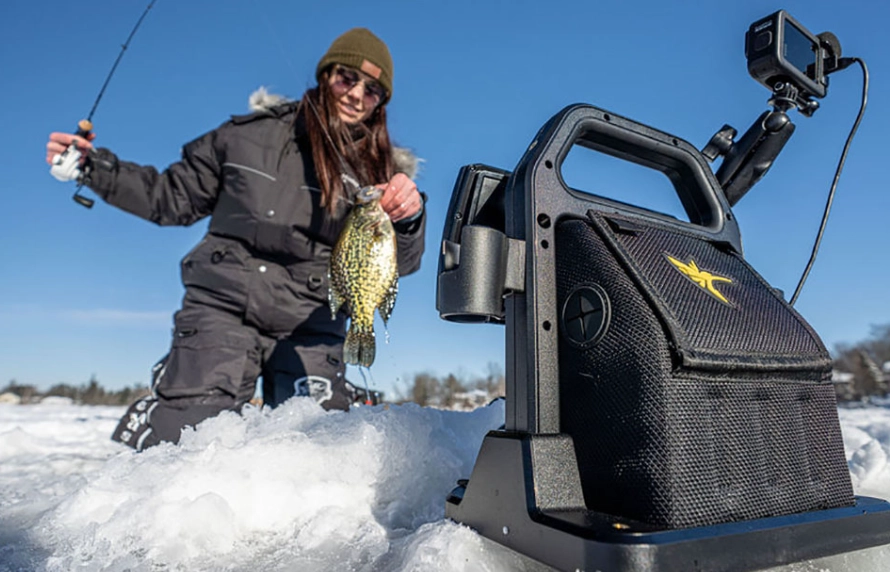
Lures & Bait: The Attraction
Think small, flashy, and subtle.
- Jigging Spoons: (KastMaster, Swedish Pimple) – Heavy, flashy. They fall fast and call in fish from a distance. Jig aggressively, let it flutter.
- Vertical Jigs: (Custom Jigs & Fly Slender Spoon, Rapala Jigging Rap) – The workhorses. Subtle glides and flutters. Tip with a waxworm or minnow head.
- Small Jigs & Soft Plastics: (Tungsten jigs with plastic bodies) – For finesse. A 1/16 oz tungsten jig with a pink or green plastic body is a crappie killer. Tungsten is dense, so a small size sinks fast.
Always carry live or preserved bait. A live minnow under a slip bobber or a waxworm on a tiny jig is often the difference between a skunk and a limit.
The Game Changers: Electronics & Extras
These aren't strictly essential, but they transform you from a hopeful hole-driller into a targeted hunter.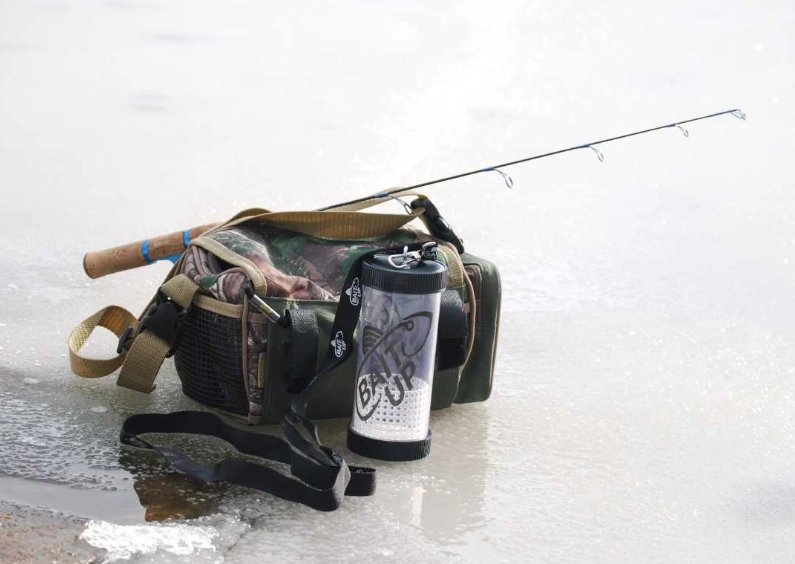
Fish Finder / Flasher
A dedicated ice fishing sonar unit, like a Vexilar FLX-12 or Garmin Panoptix, shows you the bottom, your lure, and any fish in real-time. You see a mark rise to your jig, you know when to set the hook. It eliminates blind fishing. This is the single biggest advantage you can give yourself. Yes, it's an investment, but it catches fish.
Other Useful Extras
- 5-Gallon Bucket: The classic seat and gear hauler. Get one with a padded lid.
- Rod Case: Protect those sensitive rods during transport.
- Headlamp: Days are short. A hands-free light is mandatory for packing up.
- Dry Bag: Keep your phone, wallet, and extra gloves dry.
Putting It All Together: A Sample Setup
Let's say you're targeting panfish (crappie and bluegill) on a local lake.
The Mission: Stay mobile, find fish, stay warm.
The Loadout:
- Shelter: A 2-person thermal hub shelter (anchored well).
- Auger: 6-inch cordless electric auger.
- Heat: Small propane heater.
- Rods: Two light-action 28-inch rods, one with 4 lb mono for a bobber/minnow setup, one with 3 lb fluoro for jigging.
- Tackle Box: An assortment of 1/16 oz tungsten jigs, small spoons, and a pack of soft plastic bodies. Live waxworms.
- Electronics: A basic flasher to find depth and see bites.
- Safety: Cleats, ice picks, spud bar.
- Comfort: Insulated boots, layered clothing, thermos of hot coffee.
The strategy? Use the flasher to find a likely depth (say, 20 feet over a weed edge). Drill a few holes in a grid. Set the bobber rod in the shelter. Use the jigging rod to actively search. If you get a bite, drill more holes in that area. The shelter keeps you warm while you work.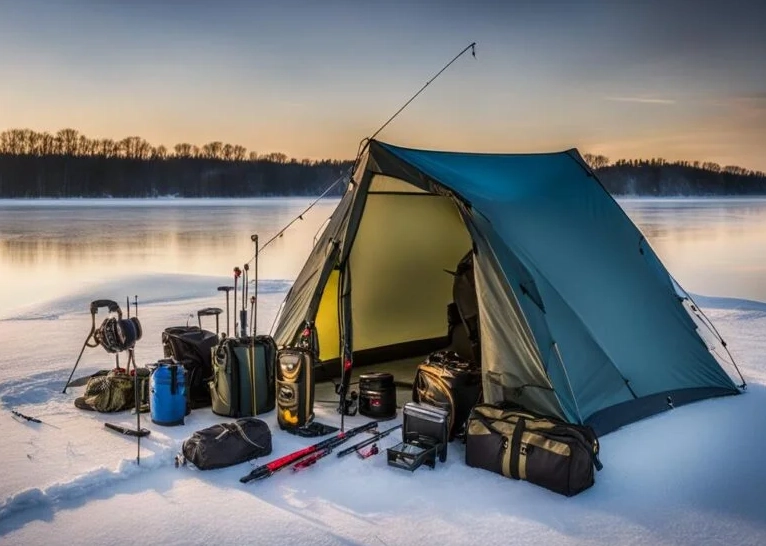
Reader Comments