Let's cut to the chase. Is fly fishing harder than regular fishing? The short answer is yes, but probably not for the reasons you think. It's not about raw strength or some mystical talent. It's about a different kind of thinking, a different set of muscles, and a patience that borders on obsession. I spent my first two years fly fishing catching more trees than trout. Meanwhile, I could grab a spinning rod and catch a bluegill within ten minutes. The difference in the initial barrier is real.
But here's the twist. "Harder" doesn't mean "worse" or "impossible." It means the challenges are front-loaded. Once you get past a certain point, fly fishing can feel more intuitive, more connected, and in some situations, more effective than traditional gear fishing (often called spin fishing). This isn't about declaring a winner. It's about understanding what you're signing up for so you can pick the right tool for your day on the water.
What You'll Find Inside
Defining the Game: Fly Fishing vs. Spin Fishing
First, let's clarify terms. When most people say "regular fishing," they mean spin fishing or baitcasting. You use a rod and reel to throw a weighted lure or bait. The weight of the lure pulls the line off the reel. Simple physics.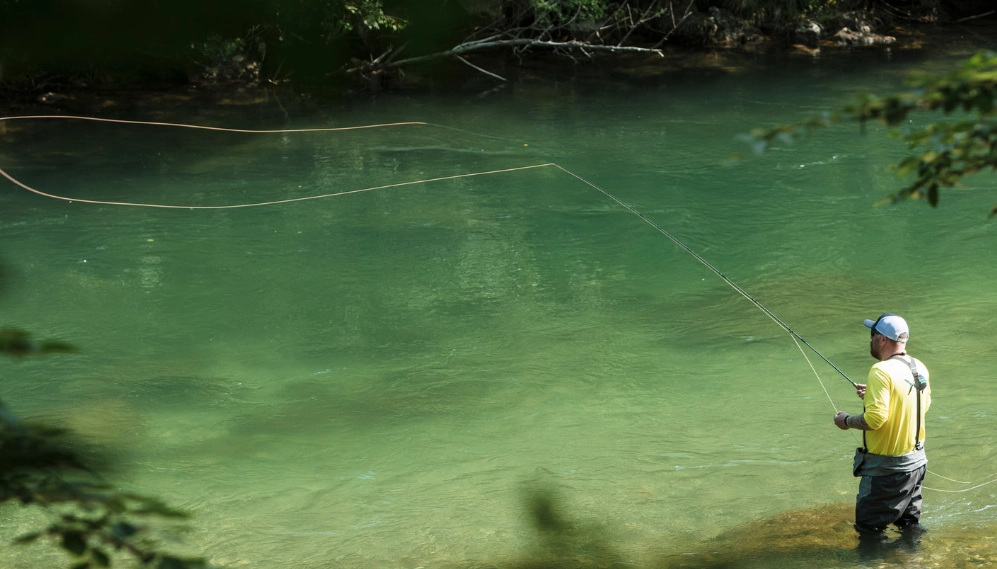
Fly fishing flips the script. The "fly" (an imitation of an insect or baitfish) is almost weightless. You can't throw it. Instead, you throw the line. The fly rod is a lever designed to cast the heavy fly line, which carries the nearly weightless fly to the target. This fundamental difference changes everything.
| Aspect | Fly Fishing | Spin Fishing |
|---|---|---|
| Core Mechanics | Casting weighted line to deliver a weightless fly. Rhythm and timing are critical. | Casting a weighted lure that pulls the line. More about power and accuracy. |
| Primary Target | Often sight-feeding fish in moving water (trout, salmon, grayling). Excellent for shallow saltwater species (bonefish, redfish). | Extremely versatile. Effective for bass, pike, walleye, panfish, catfish, and many saltwater species from shore or boat. |
| Angler's Role | Imitator. You're trying to match the hatch and present the fly naturally on or in the water. | Provoker. You're often triggering a reaction strike with movement, vibration, or flash. |
| Typical Environment | Rivers, streams, spring creeks. Also flats and shorelines. | Lakes, ponds, rivers, oceans, piers—virtually anywhere. |
Why Fly Fishing Feels Harder (The Core Challenges)
So, where does the difficulty come in? It's a combination of skill, knowledge, and gear complexity that hits you all at once.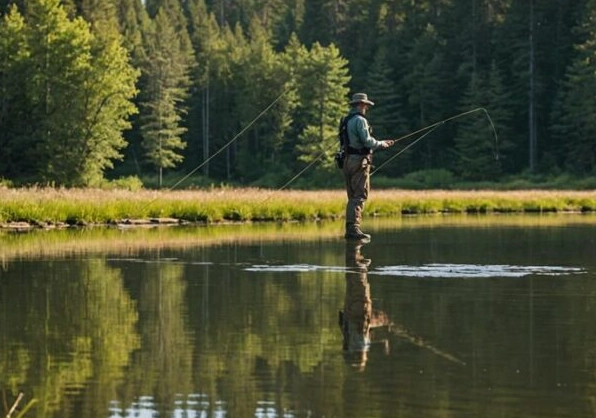
The Cast: It's a Skill, Not a Motion
This is the biggest hurdle. A spin cast is a single, fluid motion. A fly cast is a rhythmic, two-part (or more) load-and-unload of the rod. Get the timing wrong, and your line piles up at your feet or snaps like a whip. The most common mistake I see beginners make? They use their wrist and forearm like they're hammering a nail. Fly casting comes from the shoulder, with a stiff wrist. It feels unnatural until it clicks.
You also need space behind you. That beautiful backcast needs a clear path, which means no trees, bushes, or fishing buddies within 30 feet. Learning to cast in a tight, brushy stream is a graduate-level course in frustration.
Reading the Water and Matching the Hatch
With spin fishing, you can often throw a shiny spinner or a plastic worm and get interest. In fly fishing, especially for trout, you need to know what the fish are eating. Is it a mayfly? A caddisfly? A tiny midge? This is called "matching the hatch." It requires you to turn into a part-time entomologist. You'll find yourself flipping over rocks, squinting at the surface film, and carrying boxes of flies that look identical to anyone but you.
You're not just throwing to likely spots; you're presenting a specific imitation in a specific way. Drag (when the current pulls your fly line faster than the fly, creating an unnatural wake) is the enemy. Learning to mend your line to avoid drag is a subtle, constantly needed skill.
The Gear Tangle
A spin fishing combo is plug-and-play. A fly fishing setup is a system: rod weight, line weight, leader taper, tippet size, and fly size all need to be in harmony. Start with a 5-weight rod, pair it with a 5-weight line, and you're good. But then you have to build a leader. This tapered monofilament connection between the thick fly line and the tiny fly is its own science. Tie it wrong, and your fly won't turn over. It will land in a heap.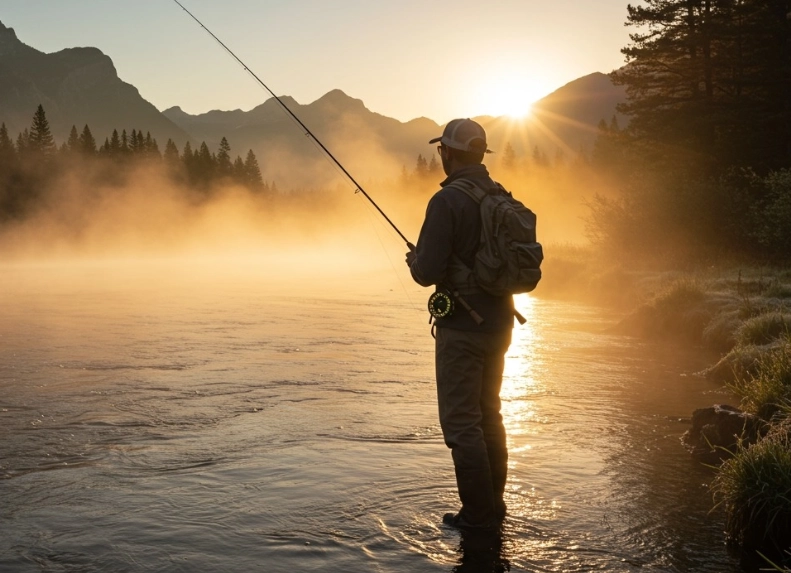
And the flies themselves? You'll lose dozens to branches, rocks, and the dreaded "wind knot" in your leader. It's part of the cost.
The Hidden Challenges of "Regular" Spin Fishing
To be fair, spin fishing has its own deep complexities that fly anglers sometimes overlook. Calling it "easy" is a disservice.
Electronics and Structure: Modern bass fishing is a tech game. Using fish finders to locate specific underwater structures—drop-offs, weed lines, submerged timber—is a skill. Then, you need a vast arsenal of lures and the knowledge to choose the right one: crankbaits for depth, jigs for vertical presentation, topwaters for early morning.
The Subtle Bite: A trout often takes a fly with a visible sip or splash. A walleye or bass might just inhale a soft plastic on the bottom. Feeling that through the line, especially in current or wind, is an art form. It's called "line sensitivity," and it's why high-end spinning rods use specific graphite blends.
Overwhelming Choice: Walk into a tackle shop. The wall of lures is paralyzing. Which of these 50 crankbaits will work today? This analysis paralysis doesn't happen as much in fly fishing because your choices are constrained by what's hatching.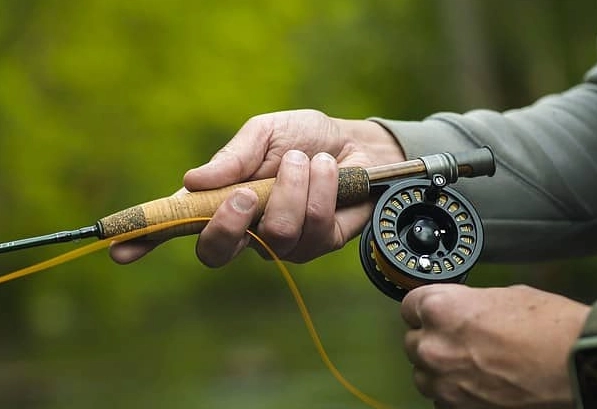
The Learning Curve: A Side-by-Side Journey
Let's map out a typical learning path. This is based on my own experience and watching hundreds of anglers.
Spin Fishing (First 6 Months):
Month 1-2: Learn basic overhead cast. Catch bluegill, small bass with worms or small spinners. The feedback loop is fast.
Month 3-6: Start experimenting with different lures (spinnerbaits, soft plastics). Learn to feel the bottom. Catch larger, more targeted fish. The learning curve is gradual and rewarding.
Fly Fishing (First 6 Months):
Month 1-2: Struggle in a grassy field or parking lot just to get the line to go straight. Tangle after tangle. First few trips result in zero fish, maybe a snagged chub if you're lucky. This is the "frustration valley."
Month 3-4: Casting starts to work on the water. You catch your first fish on a fly (it's a moment you never forget). You start to understand basic fly types (dry vs. nymph).
Month 5-6: You can consistently present a fly without massive drag. You start looking for rising fish instead of just blind casting. The puzzle pieces begin to connect.
See the difference? Spin fishing gives you rewards early to hook you, then slowly adds complexity. Fly fishing demands payment upfront in time and frustration before the real rewards begin.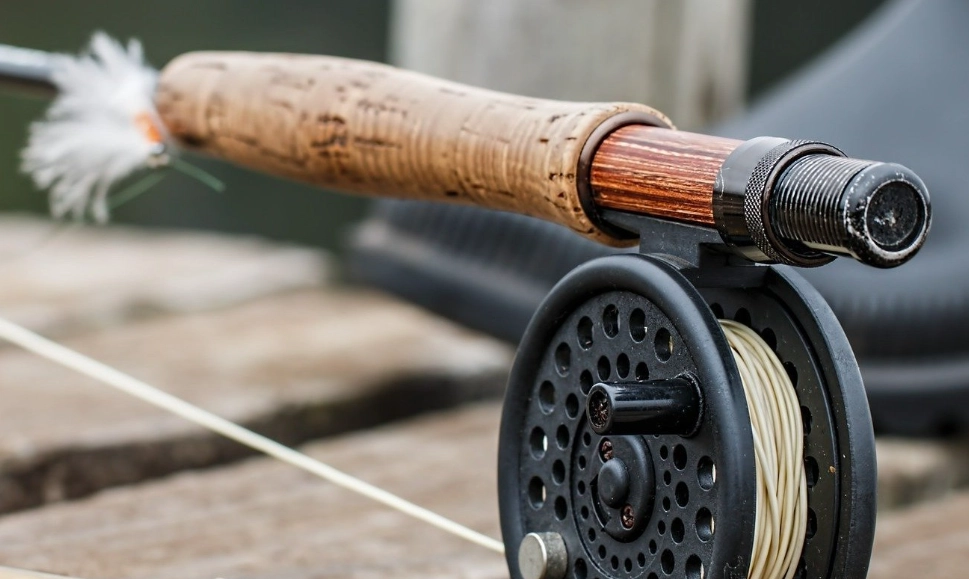
Which Method is Right for You? A Decision Guide
Don't choose based on perceived prestige. Choose based on your personality, goals, and local water.
You Might Prefer Spin Fishing If...
- You want to catch fish on your first few outings.
- You fish mostly from a boat, kayak, or a brushy shoreline where backcasting space is limited.
- Your primary targets are bass, pike, walleye, or catfish in lakes.
- You enjoy tinkering with gear and electronics.
- You have limited time and want a simpler, more direct approach.
You Might Prefer Fly Fishing If...
- You're fascinated by the puzzle—the insects, the water currents, the fish's behavior.
- You wade rivers and streams, or fish shallow saltwater flats.
- You target trout, salmon, or saltwater species that feed selectively on the surface.
- You find beauty in the rhythm of the cast itself, almost like a meditation.
- You're willing to invest significant time upfront for a potentially deeper, more immersive connection to the environment.
The best anglers I know are competent with both. They use spin gear for deep lake trolling or bass cover, and a fly rod for the spring creek or the evening hatch. They let the conditions choose the tool.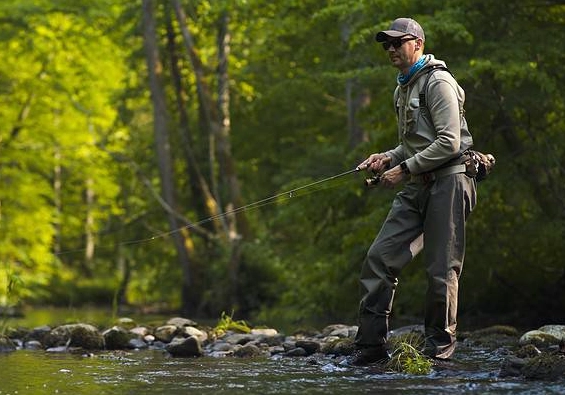
Your Questions, Answered
Does fly fishing require more physical effort than spin fishing?
It depends on the water. Wading a fast-moving river in waders with a fly rod is a full-body workout, demanding balance and stamina. However, spin fishing from a stationary boat or shore can be less physically taxing. The effort in fly fishing is often more sustained and technical, focused on precise, repetitive casting motions rather than brute strength.
Is fly fishing gear more expensive than regular fishing tackle?
The initial investment for a decent fly fishing setup (rod, reel, line, waders, flies) is typically higher than for a basic spin casting combo. You can get a functional spinning rod and reel for under $50, while a quality fly rod alone starts around $200. However, long-term costs differ. Fly anglers often tie their own flies for pennies, while spin anglers constantly buy replacement lures that can cost $5-$15 each and get snagged frequently.
Can I teach myself fly fishing, or do I need a guide?
You can absolutely learn from online videos and books. I did. But I wasted months developing bad habits. A single half-day with a certified instructor from a group like the Federation of Fly Fishers will accelerate your progress more than a year of solo practice. They fix your grip, timing, and rod path instantly. It's the single best investment for a beginner.
Which fishing method has a faster learning curve for catching fish?
Spin fishing offers quicker gratification for catching generic fish like panfish or bass in ponds. The mechanics are simpler. Fly fishing has a steeper initial curve where you're learning to cast before you can even think about catching fish effectively. However, once past that hump, fly fishing skills can make you a more effective angler in specific, challenging scenarios like clear, slow-moving streams where a traditional lure would spook the fish.
Reader Comments