You've seen the pictures. A serene river, a graceful arc of line, a delicate fly landing on the water. It looks like art. But what exactly is happening there? At its core, fly fishing is a method of angling where the weight of a specialized line carries a nearly weightless artificial fly to the target. Unlike spin fishing where you cast the weight of a lure, in fly fishing, you cast the line to deliver the fly. The goal is to imitate insects, baitfish, or other prey with your fly, and present it in a way that convinces a fish to eat it. It's hunting with a rod, and the puzzle is half the fun.
What You’ll Learn in This Guide
How Fly Fishing Works: The Core Mechanics
Let's strip away the mystique. The magic of a fly cast comes from loading the rod like a spring. You move the rod back and forth, building momentum in the line. That momentum, transferred through the flexible rod, shoots the line out. The fly just goes along for the ride.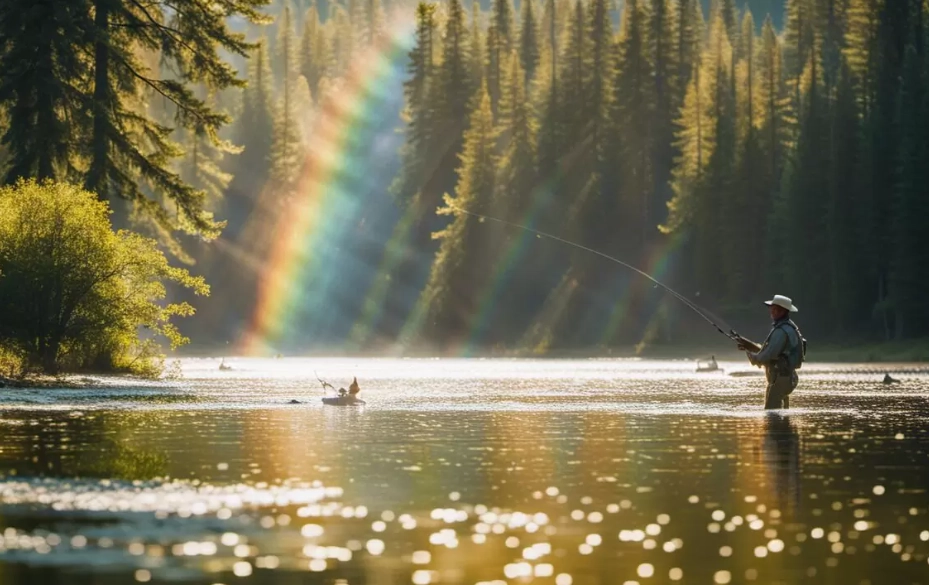
This changes everything about how you fish. Because the fly is so light, you can present it with incredible subtlety. A dry fly can land like a real mayfly, with barely a ripple. A nymph can be drifted naturally along the bottom. It's this focus on imitation and presentation that defines the sport.
You're not just chucking metal into a lake and reeling it back. You're reading the water, looking for seams where fish hold, observing insect activity, and trying to match it. Did a trout just rise over there? What did it eat? Is that a caddis fly fluttering on the surface? Your brain is engaged from the moment you step into the stream.
The Three Main Fly Fishing Methods
Most fly fishing falls into one of three categories, defined by where your fly is in the water column.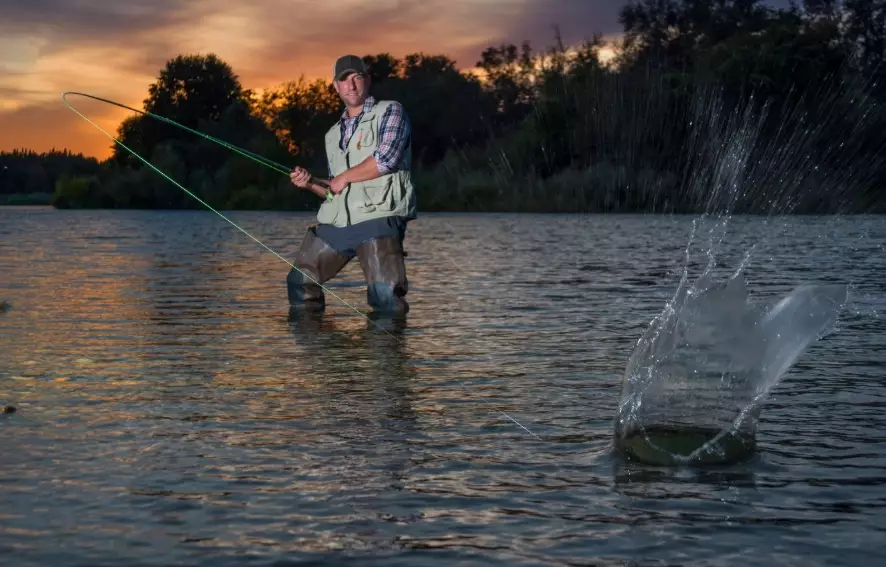
Dry Fly Fishing: This is the classic image. You're fishing with a fly that floats on the surface, imitating an adult insect. Watching a trout sip your fly off the top is the most visual and thrilling strike in fishing. It's not always the most effective, but it's often the most satisfying.
Nymph Fishing: This is where most fish are caught. Nymphs are the immature, underwater stages of insects like mayflies and caddisflies. They make up about 90% of a trout's diet. You fish them below the surface, often with a small indicator (like a bobber) to detect strikes. It's less glamorous but deadly effective.
Streamer Fishing: Think of this as fly fishing's version of lure fishing. Streamers imitate small baitfish, leeches, or crayfish. You cast them out and retrieve them with strips of the line, provoking aggressive reaction strikes from bigger fish. It's active and can be very exciting.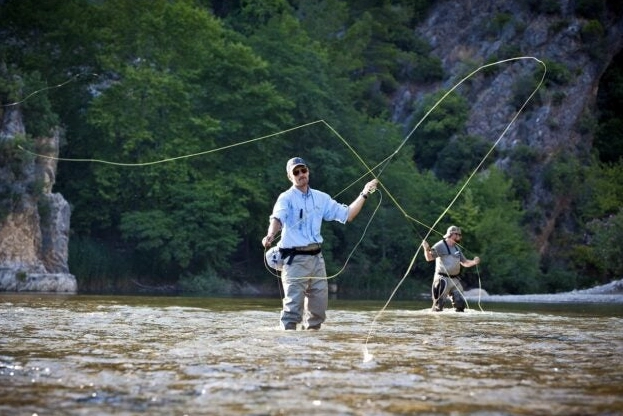
Essential Fly Fishing Gear for Beginners
You don't need a mortgage to start. A basic, quality starter kit will get you on the water. The key is matching the gear to the fish and water you'll be targeting most often. For trout in small to medium rivers, a 9-foot, 5-weight rod is the universal recommendation for a reason. It's versatile.
Here’s a breakdown of what you actually need to buy first.
| Piece of Gear | What It Is & Why You Need It | Beginner Recommendation & Tip |
|---|---|---|
| Fly Rod | The engine. Its flex (action) loads to cast the line. Length and weight (like 5wt) determine its power and purpose. | A 9-foot, 5-weight, medium-action rod. It's the Swiss Army knife for trout. Don't buy a super-fast "pro" rod; a moderate action is more forgiving for learning. |
| Fly Reel | Primarily a line holder. Its drag system helps tire out fish. | For a 5wt rod, get a 5/6wt reel. A simple disc drag is fine. Don't overspend here initially. The rod and line matter more. |
| Fly Line | The most important piece of gear. Its weight is what you cast. It's tapered to turn over leaders and flies. | Buy a weight-forward floating (WFF) line that matches your rod weight (5wt). Cheap line will ruin your casting experience. Spend here. Brands like Scientific Anglers or Rio are benchmarks. |
| Leader & Tippet | The clear monofilament or fluorocarbon that connects your fly line to your fly. It tapers down to be nearly invisible. | Buy pre-tapered 9-foot leaders (4X or 5X strength). Get a spool of matching tippet material to extend the leader as you change flies. |
| Flies | The imitation. Carried in a box. | Start simple. A local fly shop is your best source. Get a few Adams (dry), Pheasant Tail Nymphs, Hare's Ear Nymphs, and Woolly Buggers (streamer) in sizes 12-16. |
| Accessories | Nippers, forceps, floatant (for dry flies), sinker (for nymphs). | A cheap lanyard or vest to hold these. Forceps are crucial for removing hooks safely. |
My first outfit was a cheap combo from a big-box store. The line was like throwing a wet noodle. I struggled for months thinking I was the problem. When I finally upgraded to a proper fly line, it was like someone turned the lights on. The gear, especially the line, makes that much difference.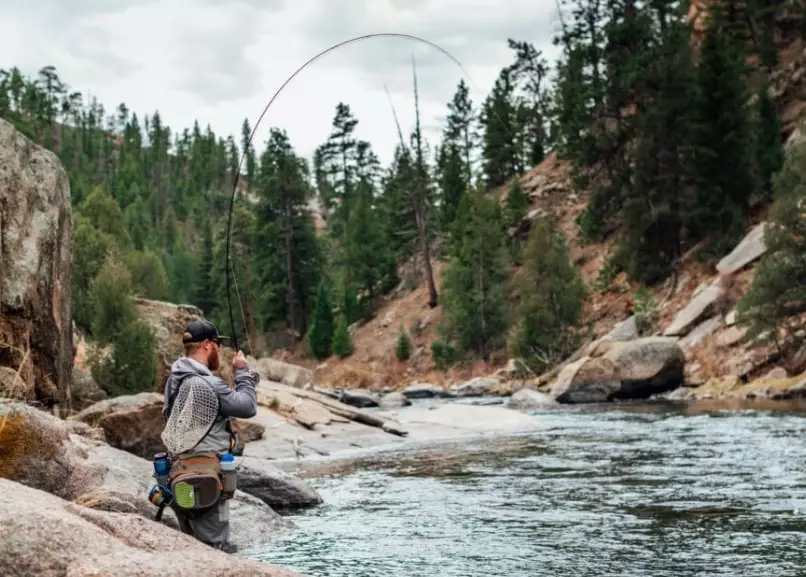
Pro Tip: Skip the Combo, Build a Kit. Pre-packaged "starter combos" often skimp on the fly line to hit a price point. You're better off buying a mid-priced rod, a decent reel, and a premium fly line separately. It will cost a bit more but will save you immense frustration.
Common Fly Fishing Mistakes and How to Avoid Them
We all make them. I've made every single one of these, usually repeatedly. Knowing them ahead of time can shorten your learning curve by months.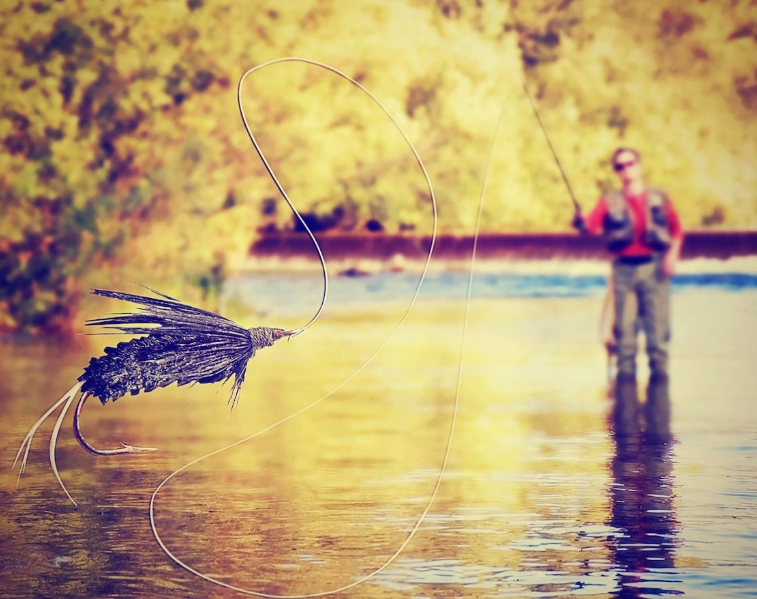
Mistake 1: The Death Grip and Overpowering the Cast. This is the king of errors. You tense up, grip the rod like you're trying to choke it, and try to muscle the line into the air. The result is a tailing loop, wind knots, and exhaustion. Fix: Relax. Hold the rod like you're holding a small bird—firm enough not to drop it, but gentle enough not to hurt it. Let the rod do the work. The power comes from a smooth acceleration to a stop, not a violent jerk.
Mistake 2: Not Letting the Backcast Unroll. You start the forward cast while the line is still in a heap behind you. The energy has nowhere to go but into a pile of line at your feet. Fix: Listen and feel. On your backcast, wait until you feel a gentle tug and hear the line straighten out behind you. Then start the forward stroke. This pause is everything.
Mistake 3: Fishing the Wrong Water. Beginners cast to the empty, pretty, smooth water. Fish are lazy. They hold in current breaks where they can conserve energy and ambush food—behind rocks, along seam lines where fast and slow water meet, under cut banks. Fix: Learn to read the river. Look for structure and changes in current. Fish the "edges" of things. The U.S. Fish & Wildlife Service and sites like Orvis have great primers on reading water.
Mistake 4: Using a Fly That's Nothing Like the Local Bugs. That big, flashy streamer might work sometimes, but if fish are sipping tiny mayflies off the surface, they'll ignore it. Fix: Match the hatch. Look around. Ask at a local shop. Start with generic, proven patterns that imitate a wide range of insects.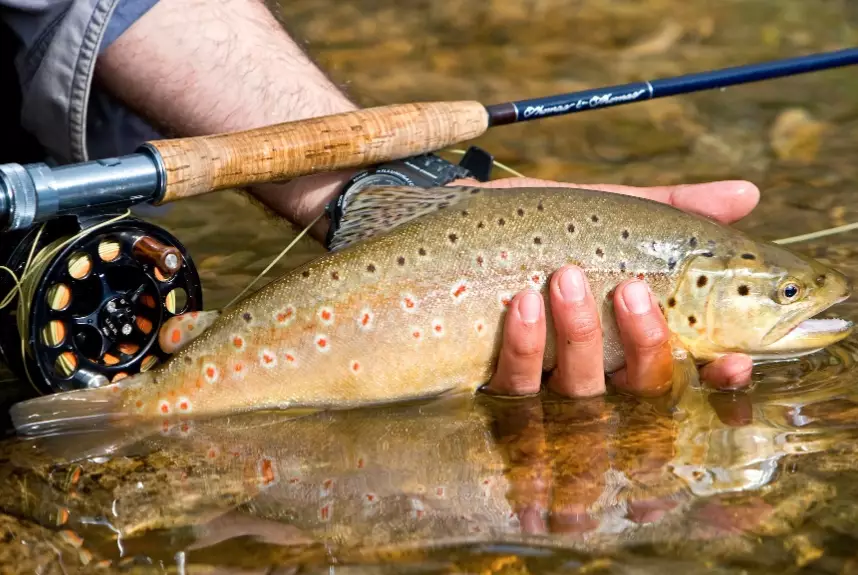
Your First Steps to Getting Started
Feeling overwhelmed? Don't be. Here's a concrete, step-by-step path from your couch to the river.
Step 1: Get Educated, Not Just Equipped. Before you buy a thing, watch some foundational videos. Look for content from the International Federation of Fly Fishers or certified casting instructors on YouTube. Understand the basic overhead cast.
Step 2: Practice Casting on Grass. Tie a piece of brightly colored yarn to the end of your leader (no hook!). Go to a park. Practice getting the line to straighten out in the air in front of and behind you. Focus on the rhythm: accelerate, stop, pause, accelerate, stop. This is free and the best thing you can do.
Step 3: Visit a Real Fly Shop. This is non-negotiable. Walk in, tell them you're new, and where you think you might fish. They will set you up with the right gear, the right flies, and often a map or directions to a good beginner spot. This local knowledge is priceless.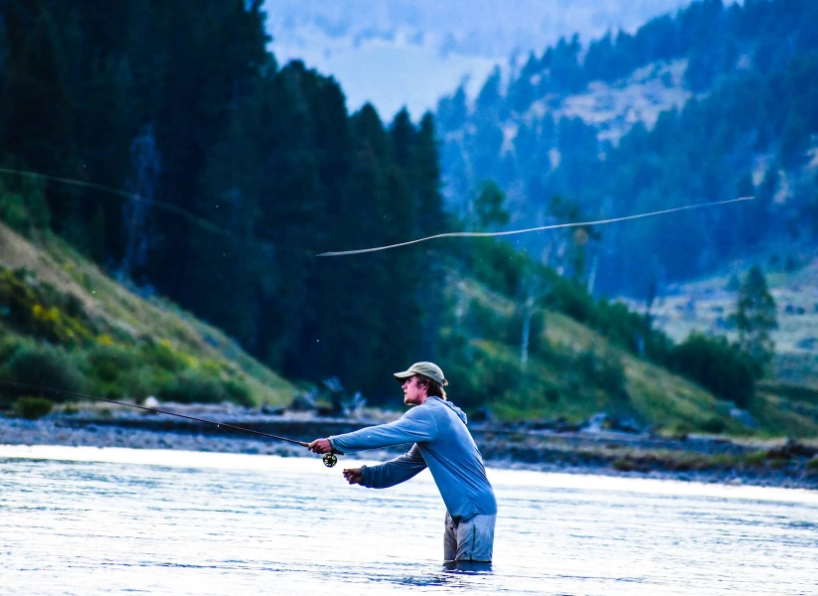
Step 4: Go Fishing with Low Expectations. Your first trip is not about catching fish. It's about not tangling yourself in a tree, practicing a few casts, and observing the water. If you catch a fish, it's a huge bonus. The goal is to be comfortable.
Step 5: Consider a Guide or Lesson. Even a half-day lesson can correct years of bad habits. A guide will put you on fish and teach you more in one day than you might learn in a season of fumbling alone. It's an investment in your enjoyment.
Fly Fishing Questions Answered
Is fly fishing harder than regular fishing?
What is the most common mistake beginners make when learning to fly cast?
Can I use my regular spinning rod for fly fishing?
How do I choose the right fly to use?
So, what exactly is fly fishing? It's a puzzle, a physical skill, a connection to nature, and a lifelong learning process. It starts with understanding that you're casting the line, not the fly. It grows from there into an obsession with currents, insects, and the subtle take of a fish. It's challenging, but the barrier to entry is lower than it seems. Get a decent rod, a great line, practice on the grass, and talk to your local fly shop. The river is waiting.
Reader Comments