I get asked this a lot. From friends watching me gear up at 5 AM to strangers seeing my rod tube at the airport. "What's the point of fly fishing?" It's usually followed by, "Isn't it just standing in cold water?" or "I heard it's really hard."
Here's the thing they're missing. If the point was simply to catch fish, I'd use a net or dynamite. Efficiency isn't the goal. The point of fly fishing is the experience itself—a complex, beautiful, and often frustrating dance with nature that engages your mind, body, and spirit in a way little else does. It's about the how, the where, and the why, not just the what.
Let me break down what you're really signing up for.
What You'll Discover
How Does Fly Fishing Connect You to Nature?
This sounds like a brochure line, but it's visceral. You're not on the bank, you're in the habitat. You feel the current push against your legs. You're not just looking at the river; you're reading it.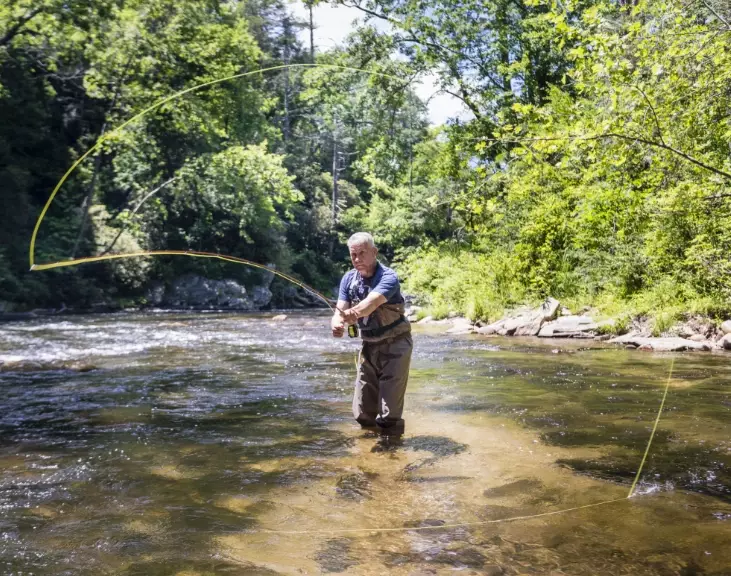
You learn to see the subtle signs. A tiny ring on the surface isn't just a ripple—it's a trout sipping a mayfly spinner. That patch of bubbly foam is a conveyor belt of insects. That undercut bank with the overhanging tree? That's prime real estate for a big brown trout.
You become hyper-aware of the ecosystem. You notice the first green drakes of June. You see the swallows diving, which tells you insects are hatching. I've identified more birds and bugs through fly fishing than I ever did on a hike. The late conservationist John Gierach put it best: fly fishing is an excuse to be in beautiful places. The fishing is the focus that makes you pay attention.
The Ritual of Observation
Before I even tie on a fly, I watch. For ten, fifteen minutes. What's on the water? Are there rises? What pattern? Slow, sipping rises or splashy splats? This quiet observation is meditative. It forces you to slow down. Your phone is zipped away. Your to-do list fades. The only task is to solve this aquatic puzzle right in front of you.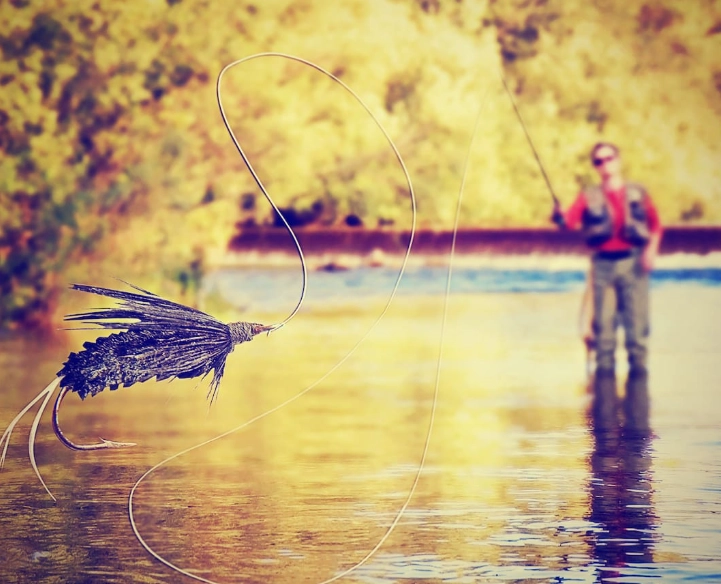
That's a form of mindfulness you can't buy in an app.
The Mindful Challenge: It's a Puzzle You Solve With Your Hands
Let's be honest: it's not easy. The learning curve is real. You will tangle your line in trees behind you. You will hook your ear. I once hooked my hat so perfectly it looked intentional.
But that's the point. The difficulty is engaging.
You're learning a physical skill (the cast) while simultaneously running a biological investigation (matching the hatch) and a strategic game (presentation). When it all comes together—when you see a rise, pick the right fly, make a decent cast, get a drift, and feel that tug—it's a rush of pure satisfaction that's earned.
It's the opposite of passive entertainment.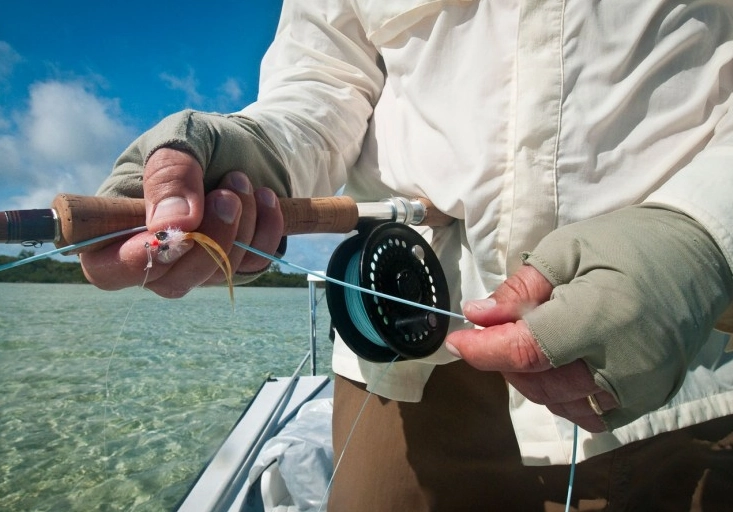
| Aspect of the Challenge | What It Involves | The Reward |
|---|---|---|
| The Cast | Timing, rhythm, muscle memory. Learning to load the rod and place the fly softly. | The feeling of the line unfurling perfectly. A quiet presentation that doesn't spook fish. |
| Matching the Hatch | Identifying insects (mayflies, caddis, stoneflies), their life stage (nymph, emerger, adult), and picking a fly that mimics it. | The "aha!" moment when you switch flies and get an immediate take. It proves your theory right. |
| Reading Water | Understanding currents, structure, and where fish hold and feed. Seeing the river as a living map. | Fishing efficiently, not randomly. Knowing you're casting to a likely spot, not just water. |
| Playing the Fish | Using the rod's flex and reel drag to tire the fish without breaking the light tippet. It's a tense negotiation. | The adrenaline and focus of the fight. Respecting the animal's power before a safe release. |
The Gear as an Extension of Self
This isn't about consumerism. A well-balanced fly rod becomes an extension of your arm. You feel the line through it. You learn its personality—its fast action for windy days, its soft tip for protecting light tippets. Tying your own knots (improved clinch, blood knot) becomes a satisfying, necessary craft. There's a tangible, hands-on feel to it all that's lost in a world of touchscreens.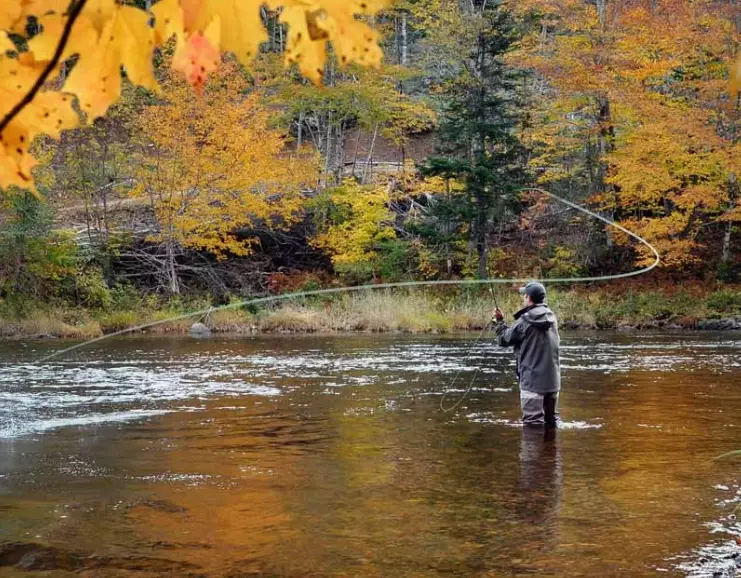
My first decent rod was a used one. It had a small crack in the cork. Every time I held it, I felt connected to its history. Who owned it before? What fish did it catch? Gear in fly fishing carries stories.
The Unseen Thread: Community and Tradition
Walk into a good fly shop. It's not just a store; it's a hub. The conversation isn't about the best deal. It's about what's hatching on the Yellowstone, or how the flows are on the Deschutes. You'll get honest, local intel if you show genuine curiosity.
There's a shared language and an unwritten code. You give other anglers space. You share the pool. You help net a fish for a stranger. If you see someone struggling with a knot, you offer help. The community, from forums like r/flyfishing on Reddit to local Trout Unlimited chapters, is generally generous. Why? Because we all remember being the clueless beginner.
And then there's the literary tradition. From Izaak Walton's The Compleat Angler (1653) to the modern essays of John Gierach and David James Duncan, fly fishing is intertwined with storytelling and philosophy. You're not just learning a sport; you're tapping into a centuries-old conversation about our place in the natural world. Reading A River Runs Through It isn't homework; it's understanding the soul of the thing.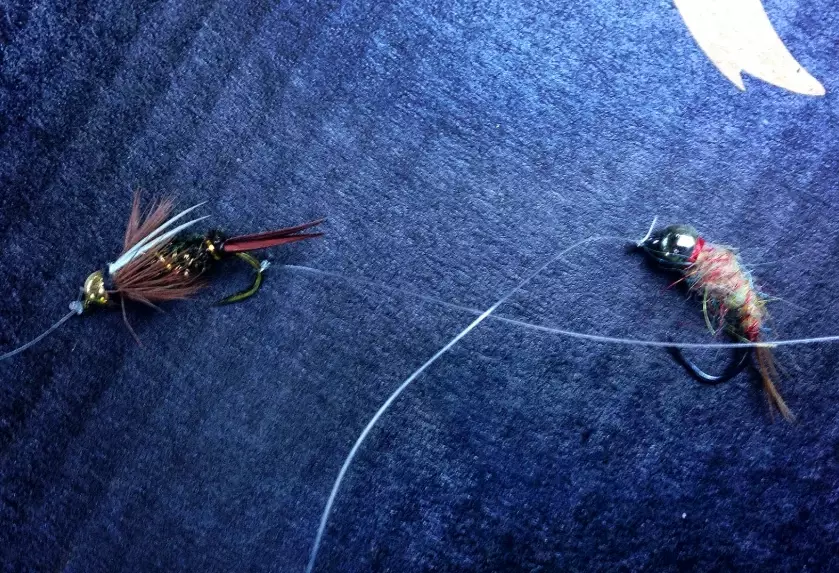
Alright, I'm Interested. How Do I Start Without Getting Overwhelmed?
The barrier to entry is often perceived as high. It doesn't have to be. Here's a no-nonsense path.
1. Seek Education, Not Just Gear. Don't buy a rod first. Spend that money on a half-day lesson with a certified guide or instructor. Organizations like Orvis offer free Fly Fishing 101 classes in many locations. An hour of good instruction will save you months of frustration. They'll let you use gear, so you can see what you like.
2. Start Simple and Local. Your goal for year one isn't a trophy trout in Montana. It's to catch a bluegill on a popper in the local pond. Or a smallmouth bass in the nearby river. These fish are eager, fun on a light rod, and will teach you the fundamentals. The pressure is off.
3. Build a Minimalist Kit. After your lesson, get a decent starter combo (rod, reel, line). A 5-weight or 6-weight is perfect. Add these essentials:
- A few leaders (9-foot, 4X or 5X for trout).
- A small box of flies (ask your instructor or local shop for 3 "must-haves" for your area).
- Polarized sunglasses (safety first).
- Nippers and forceps.
That's it. You can add waders, vests, and 50 fly boxes later.
4. Embrace the Skunk. You will have days where you catch nothing. Zero. This is guaranteed. On those days, the point shifts. It's about the heron you saw, the otter that played downstream, the fact that you stood in a river all afternoon and forgot to check your email. That's still a win.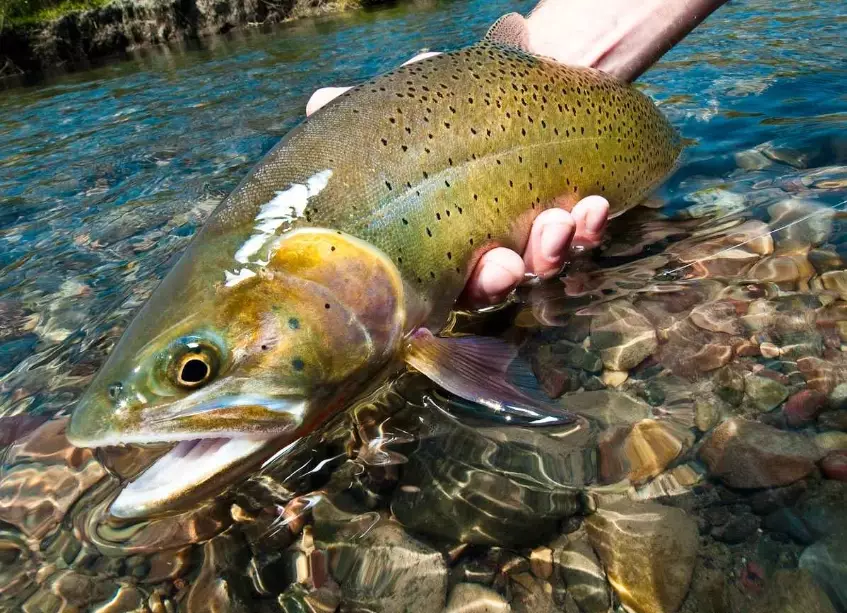
Straight Talk: Your Fly Fishing Questions Answered
What is the most basic gear I need to start fly fishing?
What's the biggest mistake beginners make when trying to understand fly fishing?
Is fly fishing worth it if I don't live near famous trout streams?
How is fly fishing different from regular spin fishing?
So, what is the point of fly fishing?
It's the point of learning any deep craft. It's a reason to be present, to engage, to struggle, and to find moments of pure, earned connection. The fish is just the punctuation mark at the end of a very long, very beautiful sentence you wrote with your own hands.
It's not for everyone. It demands patience. But if the idea of solving a living puzzle in a beautiful place, of being part of a quiet tradition, and of occasionally feeling the electric pull of wild life on the end of your line speaks to you—then you already understand the point.
Reader Comments