Your Quick Guide to Fly Fishing Lures
Let's cut to the chase. You're here because you want to catch more fish, and you've heard that having the right fly fishing lure can make all the difference. Well, it does. But here's the thing that most articles don't tell you: the biggest mistake I see beginners make isn't about the lure itself; it's about how they present it.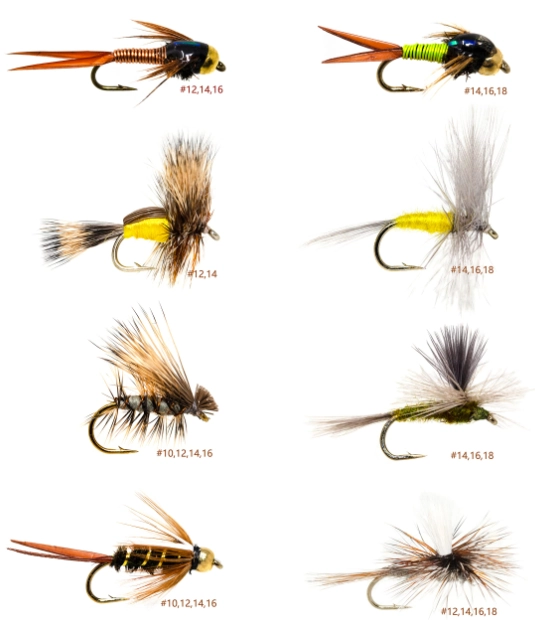
I've been fly fishing for over a decade, and I can tell you that 90% of the time, the fish doesn't care about the brand of your lure. It cares about how it moves in the water. I've seen people spend hundreds on fancy lures only to have them sit in their tackle box because they were too busy trying to match the hatch perfectly. Don't get me wrong, matching the hatch is important, but if you're just starting out, focus on getting a few basic lures that you can use in different situations.
Types of Fly Fishing Lures
There are three main categories of fly fishing lures that you need to know about: dry flies, wet flies, and nymphs. Dry flies are designed to float on the surface of the water, wet flies sink, and nymphs are meant to be fished just below the surface.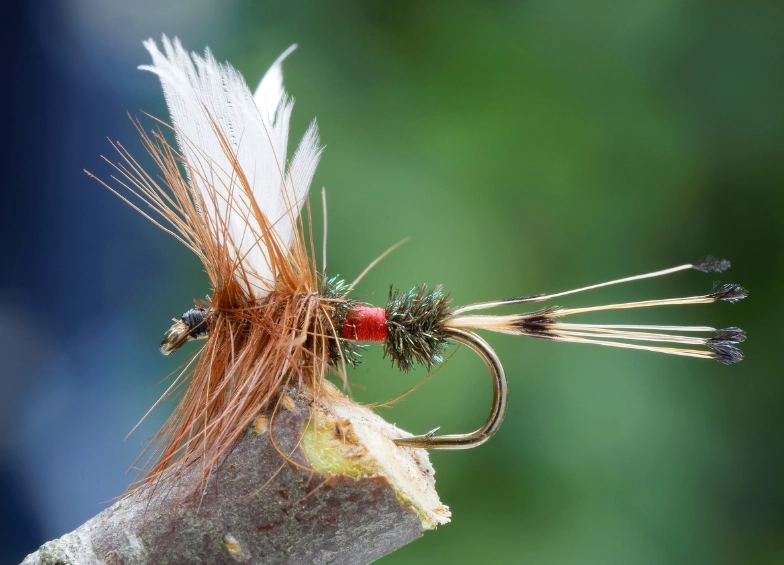
Dry flies are my personal favorite. There's something magical about seeing a fish rise to take a dry fly off the surface. But here's a non-consensus opinion: many anglers overcomplicate dry fly selection. For most beginner situations, a simple Adams or Elk Hair Caddis will work just fine. The key is not the specific pattern, but the presentation and size.
Dry Fly Lures
Dry flies are typically used for trout and other fish that feed near the surface. They imitate insects like mayflies or caddisflies. A common mistake is using too large a dry fly for small streams. I remember one time on a small creek in Montana, I was using a size 12 Adams when I should have been using a size 16. The fish were spooked by the larger profile. Match the fly to the insect hatch you see.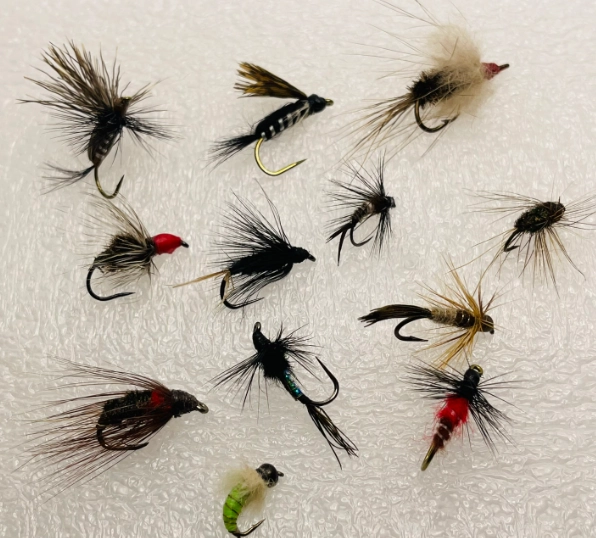
Wet Fly Lures
Wet flies, on the other hand, are meant to sink. They represent drowned insects or baitfish. Streamers are a type of wet fly that imitates larger prey like minnows or leeches. Here's where many beginners go wrong: they retrieve streamers too fast. In slower water, a slow, steady retrieve often works better to mimic a wounded baitfish.
Nymph Lures
Nymphs are perhaps the most versatile. They imitate immature insects that live underwater. Pheasant Tail Nymphs or Hare's Ear Nymphs are classics. The subtle error here is not weighting your nymph properly. If it's not getting down to the fish's level, you're not fishing effectively. Add a split shot or two above your nymph to get it down fast in faster water.
Techniques for Using Fly Fishing Lures
Now, let's talk about how to use these lures. The presentation is everything. For dry flies, you want a drag-free float. That means your line should be slack enough to allow the fly to drift naturally with the current. For wet flies and nymphs, you need to get them down to the fish. This often means using a strike indicator or feeling the take directly through your line.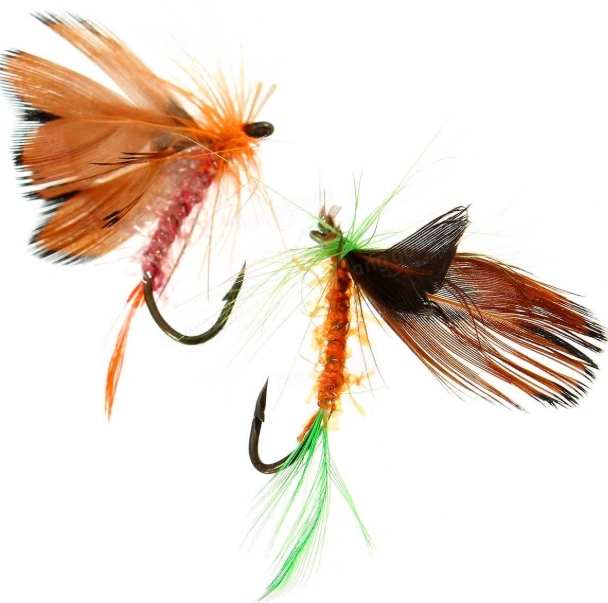
One technique I swear by for nymphs is the high-stick nymphing method. It keeps your line tight and allows you to feel even the slightest takes. But here's a personal gripe: too many people focus on the perfect cast when they should be focusing on where their fly is in the water column. I've caught plenty of fish with sloppy casts because I was presenting the fly correctly at the right depth.
How to Choose the Right Fly Fishing Lure
Choosing the right lure depends on several factors: the fish species, water conditions, and time of year. For trout in clear streams, I often start with a small nymph like a Pheasant Tail. If that doesn't work, I'll switch to a dry fly like an Adams.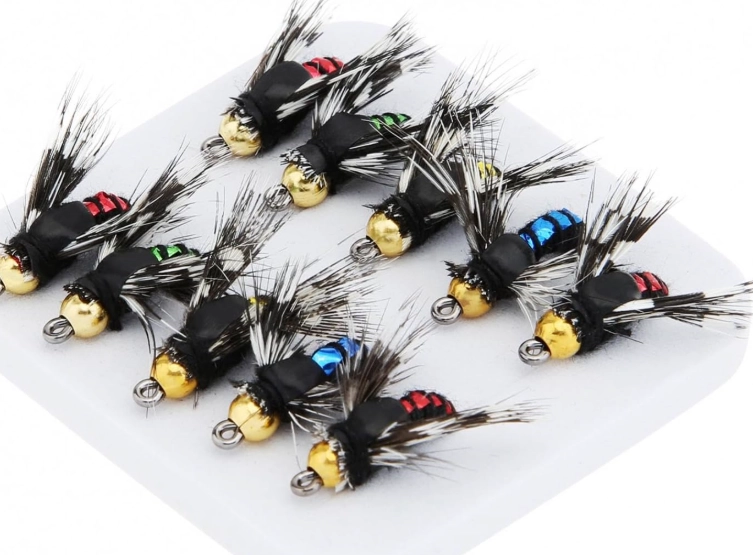
Here's a table to help you decide:
| Fish Species | Recommended Lure Type | Water Condition |
|---|---|---|
| Trout | Small Nymphs or Dry Flies | Clear, Slow Water |
| Bass | Streamers or Wet Flies | Murky or Fast Water |
| Salmon | Large Streamers or Wet Flies | Deep, Fast Water |
A common mistake is using the same lure all day. Fish feeding patterns change. Early morning might call for a dry fly, while midday might require a nymph. Observe the water and adjust accordingly.
Common Mistakes to Avoid
Let's address some of the most frequent errors. Overcomplicating the retrieve is a big one. For beginners, a simple strip-strip-pause retrieve is often more effective than trying to mimic every insect movement. Another mistake is not changing your lure when fish aren't biting. I've spent hours stubbornly fishing the same fly when a simple switch to a different color or size would have made all the difference.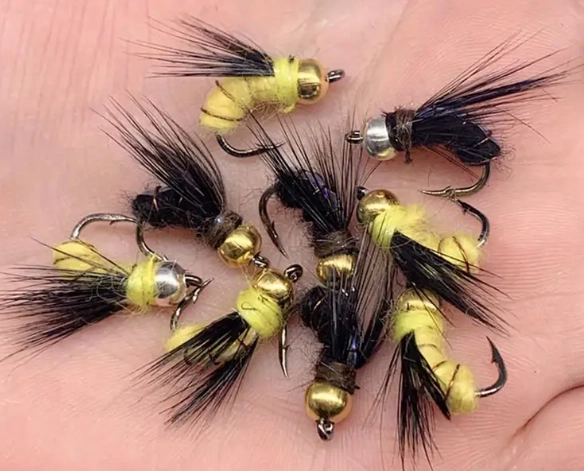
Here's a personal story. I was fishing a small stream in Colorado, convinced that my perfectly presented dry fly was the issue. After hours of nothing, I switched to a small, dark nymph and immediately started catching fish. The problem wasn't the presentation; it was the fly itself. The fish were keying in on something specific that I wasn't offering.
What are the best fly fishing lures for trout?
For trout, small streamers like Woolly Buggers or nymphs like Pheasant Tail Nymphs are highly effective. Match the lure to the water conditions and time of year.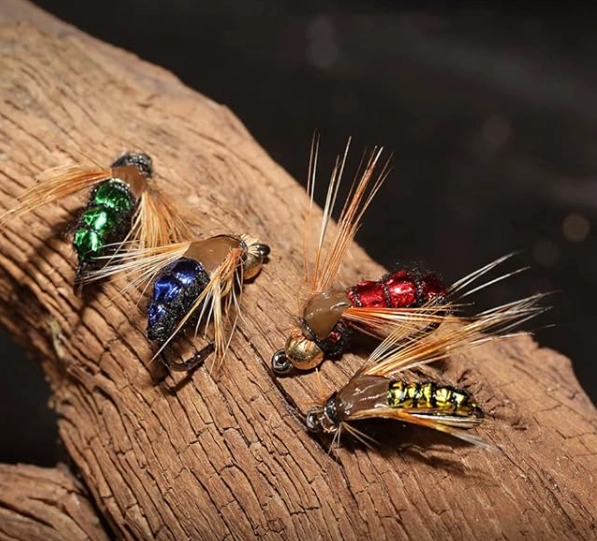
How to choose the right fly fishing lure for different fish species?
Consider the fish's feeding habits, water clarity, and depth. For example, use dry flies for surface-feeding fish and wet flies for deeper water. Always test different lures to see what works best.
What are the most common mistakes beginners make when using fly fishing lures?
Beginners often use too large or too small lures, or they don't match the color to the water conditions. Another mistake is not varying the retrieve speed to mimic natural prey movement.
How to maintain and store fly fishing lures for long-lasting use?
Clean lures thoroughly after each use, store them in a dry place away from direct sunlight, and avoid mixing different types of lures together to prevent damage. Regular maintenance like sharpening hooks can extend their life.
Reader Comments