You're standing in the fishing aisle, or maybe scrolling online, wondering about the difference between fly fishing and regular fishing. It's not just about the rod. It's about two different philosophies of hunting fish. One uses the weight of the line to deliver a nearly weightless lure. The other uses the weight of the lure to pull out the line. That single mechanical difference changes everything—what you carry, how you think, and where you find joy.
I've spent over a decade doing both, from chasing trout in Montana streams to flipping jigs for bass in local ponds. I've fumbled fly lines into trees and watched $30 lures sail into the abyss. Let's cut through the romance and the jargon. Here’s what you actually need to know to decide which method fits your wallet, your patience, and the fish you want to catch.
What's Inside This Guide
The Core Difference: It's All About Weight
Forget the fancy terms for a second. Think about physics.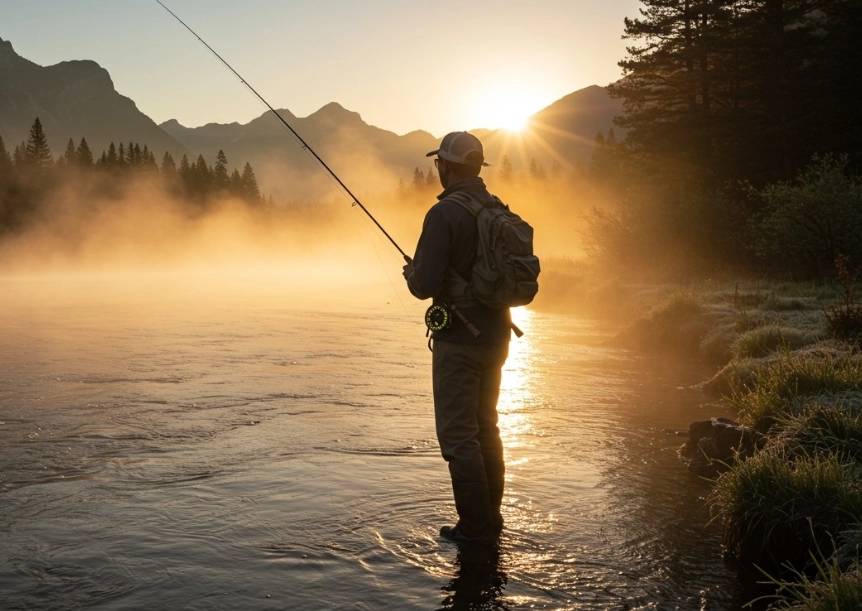
In regular fishing (we're mostly talking spin or baitcasting here), the lure or sinker has the weight. You cast it, and its weight pulls the thin, lightweight line off your reel. Your rod is a lever for launching weight.
In fly fishing, the fly—a tiny hook wrapped with feathers and fur—has almost no weight. You can't cast it. Instead, the line itself is heavy and specialized. You cast the line, and the fly just goes along for the ride at the end of a thin leader. Your rod is a lever for moving line.
This changes the goal. Spin fishing often mimics a fleeing or wounded baitfish (a spinner, a crankbait). Fly fishing often mimics the natural food source as it appears in or on the water—a mayfly drifting downstream (a dry fly), a nymph underwater, or a small streamer.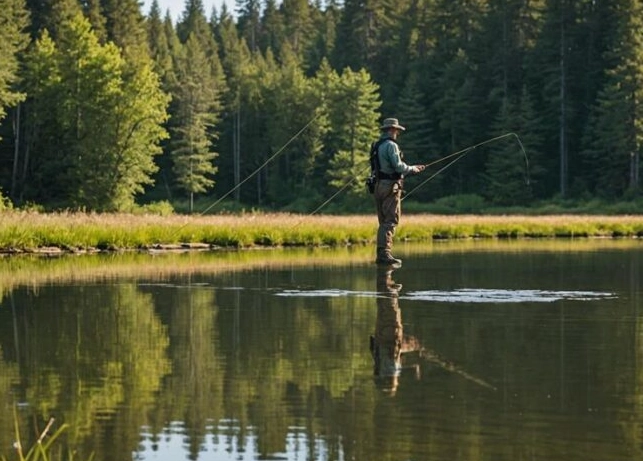
| Aspect | Fly Fishing | Spin Fishing |
|---|---|---|
| Primary Mechanism | Casts the weighted line to deliver a weightless fly. | Casts a weighted lure that pulls the line off the reel. |
| Typical Presentation | Imitates insects, small baitfish; often more delicate, drift-focused. | Imitates larger baitfish, crawfish; includes jigs, plastics for bottom fishing. |
| Learning Curve (Basics) | Steeper. Casting is a skill to be learned. | Gentler. Basic casting is intuitive. |
| Initial Cost (Decent Starter Kit) | Higher ($250 - $400 for rod, reel, line, flies, tools). | Lower ($80 - $150 for combo, tackle box, lures). |
| Mindset | Often more observational, focused on hatch matching and precise drifts. | Often more exploratory, covering water with reactive strikes. |
Gear and Cost: The Initial Investment
Let's get specific about money and stuff. This is where many blogs gloss over the details.
Spin Fishing Gear: The Affordable Workhorse
You can walk into a big-box store and walk out with a functional setup for under $100. A 6'6" to 7' medium-power spinning rod and reel combo from brands like Ugly Stik or Daiwa is virtually indestructible and perfect for beginners. Add a small tackle box with:
- A couple of inline spinners (Rooster Tail, Mepps #2)
- A pack of curly-tail grub jigs (1/8 oz)
- Some crankbaits
- Basic hooks, sinkers, and bobbers
You're set for panfish, bass, trout, you name it. The ongoing cost is low. Lose a $3 spinner? Annoying, but not tragic.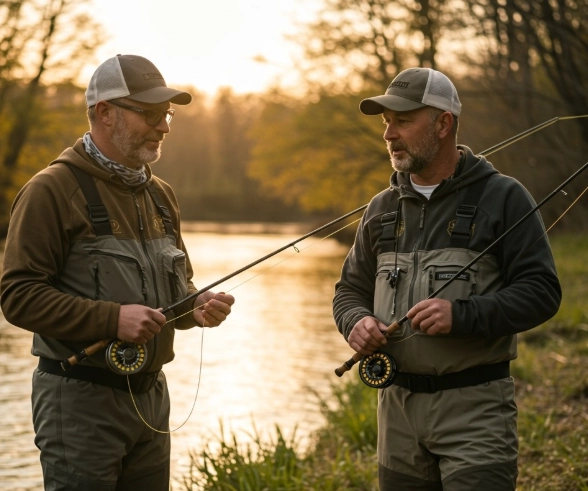
Fly Fishing Gear: The Specialized System
Here's the first "non-consensus" point: The rod isn't the expensive part. The heart of the system is the fly line. A good weight-forward floating line costs $80-$100 alone. It's a consumable that wears out every few seasons. You can't cheap out here—a bad line makes casting miserable.
A realistic starter kit looks like this:
- Rod & Reel Combo: A 9-foot, 5-weight combo from Redington or Orvis ($150-$250). The reel mainly holds line; for beginners, it doesn't need to be fancy.
- Fly Line: That $80-$100 line. Get one recommended for beginners (like Scientific Anglers Frequency).
- Leaders & Tippet: The clear monofilament that connects the thick fly line to the fly. You'll go through this constantly. ($20 starter pack).
- Flies: A basic assortment of nymphs (Hare's Ear, Pheasant Tail), dry flies (Elk Hair Caddis, Parachute Adams), and streamers (Woolly Bugger). Expect to pay $3-$5 per fly, and you will lose them to snags. A lot of them.
- Tools: Nippers, forceps, floatant. ($30).
Realistic all-in startup: $300+. And you haven't waded into the water yet.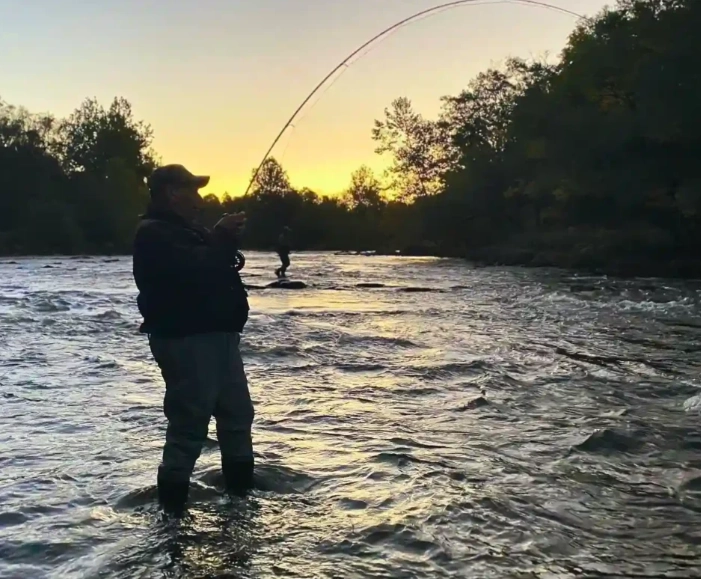
Budget Reality Check: If your primary goal is to catch fish with minimal fuss and investment, start with spin fishing. The barrier to entry is just lower. Fly fishing is a passion purchase. You buy into the process, not just the result.
Technique and Mindset: Two Different Games
This is where the personalities of the two methods really diverge.
The Spin Angler's Approach: Cover and Reaction
You're often moving, making repeated casts to different spots—along a bank, past a rock, over a weed bed. You're triggering a reaction strike. The flash of a spinner, the wobble of a crankbait, the hop of a jig says "easy meal" or "intruder." It's proactive and covers a lot of water. It's fantastic for bass, pike, walleye, and in rivers for aggressive trout.
One subtle mistake I see: beginners using sinkers that are too heavy. That loud "plunk" can spook fish in clear, shallow water. Sometimes a tiny split shot or none at all is better.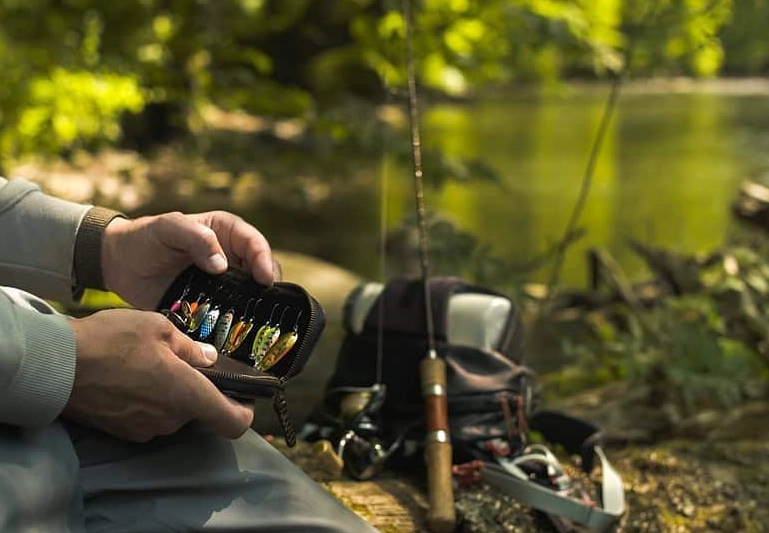
The Fly Angler's Approach: Observation and Imitation
You might spend more time watching. Are fish rising? What insects are in the air? You're trying to present a precise imitation with a natural drift. It's a puzzle. Matching the hatch isn't just poetic; it's the difference between a dozen fish and none.
The casting is a skill you practice. It's not about power; it's about loading the rod and timing the stop to let the line roll out. On a river, you're also managing line mending—flipping the line on the water to get a drag-free drift. It's a very active, engaged form of fishing.
Here's another expert nuance: New fly fishers focus on the forward cast. The backcast is where most problems start. If your backcast isn't straight behind you, your forward cast collapses. Practice that backcast.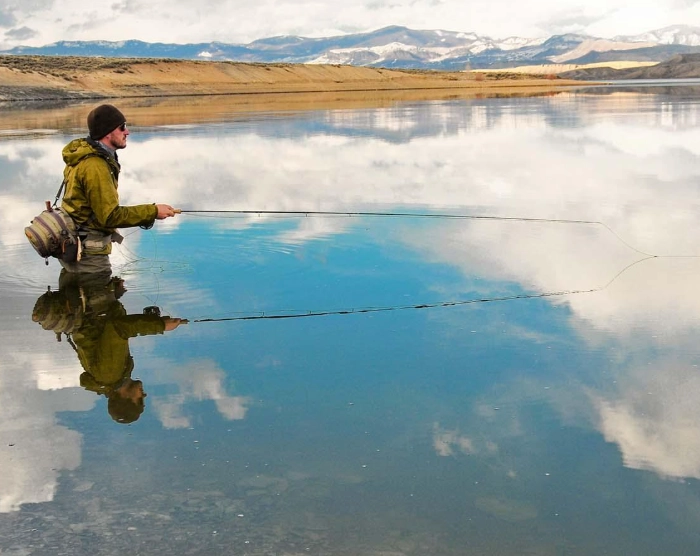
How to Choose Between Fly Fishing and Regular Fishing
Don't pick based on what looks cooler. Pick based on your reality.
Choose Spin Fishing If...
- Your budget is under $200 for everything.
- You want to catch fish on your first few outings with minimal frustration.
- You fish mostly lakes, ponds, or big rivers for bass, walleye, pike, catfish.
- You like to cover a lot of water and aren't into intense observation.
- You have limited backcast space (heavily wooded banks).
Choose Fly Fishing If...
- You're fascinated by the puzzle—matching insects, reading water.
- You primarily fish moving water (streams, rivers) for trout, salmon, or steelhead.
- You find the casting process itself to be a satisfying skill to master.
- You're okay with a steeper learning curve and potentially fewer fish initially.
- Your fishing budget is more flexible (initial + ongoing fly/tackle replacement).
The Hybrid Angler: This is most serious anglers I know. They have a spin rod for certain days and water, and a fly rod for others. I almost always have both in my truck. A tough trout day on the fly rod might be saved by switching to a spinner. Don't feel you must pledge allegiance to one tribe.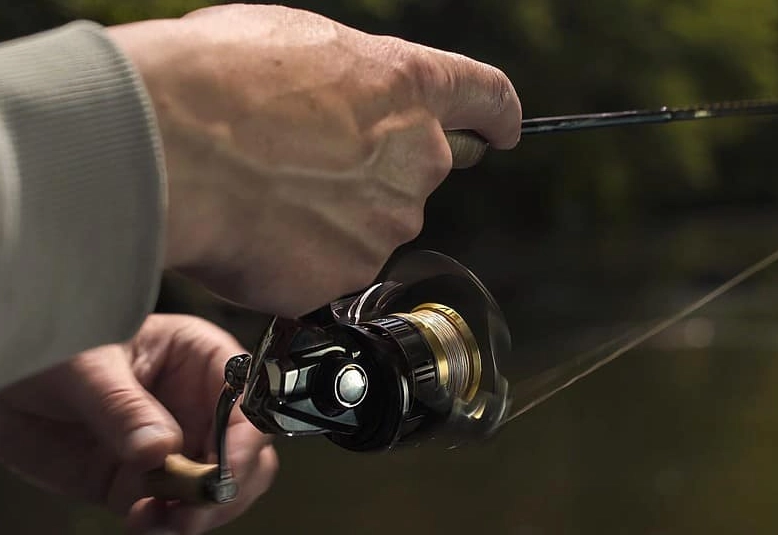
Reader Comments