Quick Fly Fishing Flies Guide
Fly fishing flies are more than just lures; they are the heart of the sport. Whether you're targeting trout in a mountain stream or bass in a lake, the right fly can make all the difference. In this guide, we'll explore the different types of flies, how to choose them, and some expert tips to help you succeed on your next fishing trip.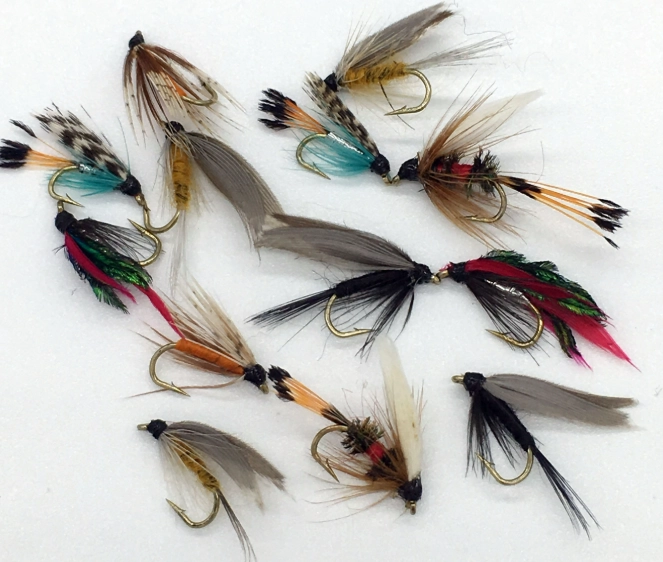
What Are Fly Fishing Flies?
Fly fishing flies are artificial lures designed to imitate natural prey such as insects, baitfish, or other food sources. They come in a wide variety of shapes, sizes, and colors, each tailored to specific fishing conditions and target species. Understanding the different types of flies and their applications is crucial for any angler looking to improve their catch rate.
Types of Fly Fishing Flies
There are several main categories of fly fishing flies, each with its own unique characteristics and uses. Let's break them down:
- Dry Flies: These flies float on the surface of the water and are designed to imitate adult insects that have landed or are about to emerge. They are typically used during hatches when fish are actively feeding on the surface.
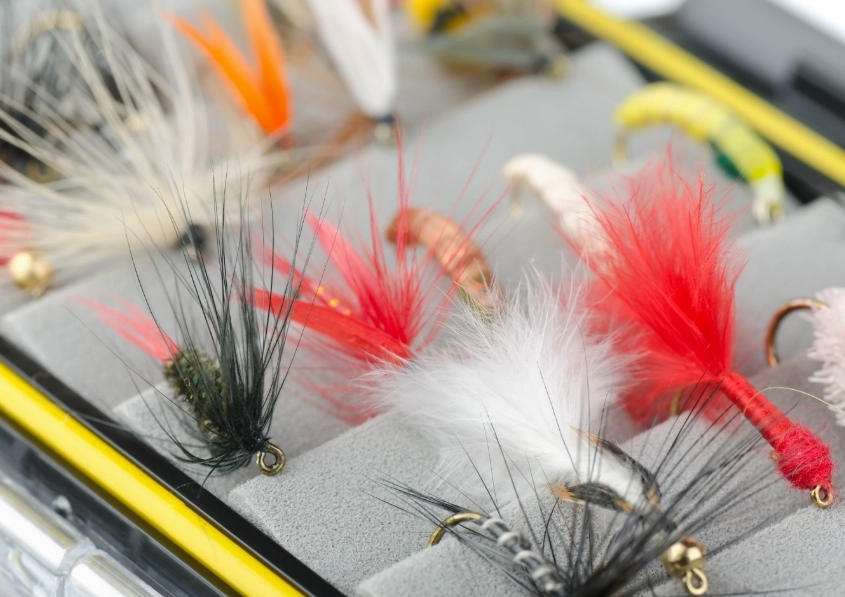
- Wet Flies: Wet flies sink below the water's surface and are meant to mimic subsurface insects, baitfish, or other food sources. They are often used in faster-moving water or when fish are not feeding on the surface.
- Nymphs: Nymphs are designed to sink and imitate immature insects, larvae, or other aquatic life. They are a versatile choice for many fishing situations and can be highly effective when fish are holding deep.
- Streamers: Streamers are larger flies that imitate baitfish, leeches, or other larger prey. They are typically used to trigger aggressive strikes from predatory fish and can be incredibly effective in murky or stained water.
How to Choose the Right Flies
Selecting the right fly for your fishing conditions can seem overwhelming at first, but it doesn't have to be. The key is to match the hatch—meaning you should choose flies that closely resemble the insects or other food sources that are currently present in the water you're fishing.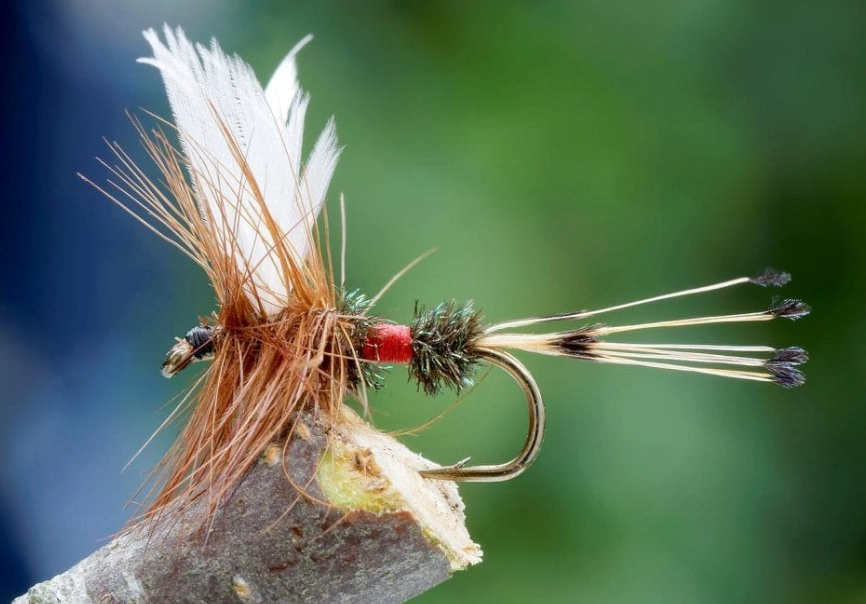
Start by observing the water and looking for signs of insect activity. Are there mayflies hatching? Are caddisflies fluttering about? Once you've identified the primary food source, you can select flies that mimic those insects in size, shape, and color.
Here's a simple rule of thumb: if the fish are feeding on the surface, use a dry fly. If they're holding deep or in faster water, try a nymph or wet fly. And if you're after larger predators, don't be afraid to go big with a streamer.
Common Mistakes to Avoid
One of the biggest mistakes I see new fly anglers make is using flies that are too large or too flashy for the conditions. Fish, especially trout in clear streams, can be incredibly selective and wary. A fly that's out of proportion or doesn't match the natural drift can spook them instantly.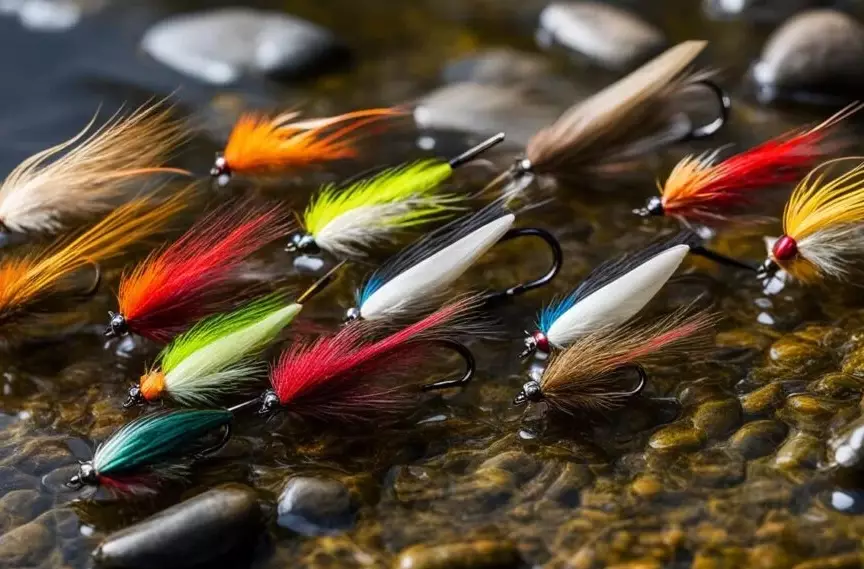
Another subtle error is focusing solely on the fly pattern while ignoring the presentation. It doesn't matter how perfect your fly looks if it's not presented naturally. The drag of your line, the speed of your retrieve, and even the way your fly lands on the water can all give away your presence.
Let me give you a personal example. I was fishing a spring creek in Montana years ago, and I had tied on what I thought was the perfect mayfly imitation. It matched the hatch exactly in size and color. But after hours of frustrating casts without a single take, I realized the issue wasn't the fly—it was my leader. It was too thick and creating too much drag, causing the fly to skate unnaturally across the surface. Switching to a finer, longer leader made all the difference.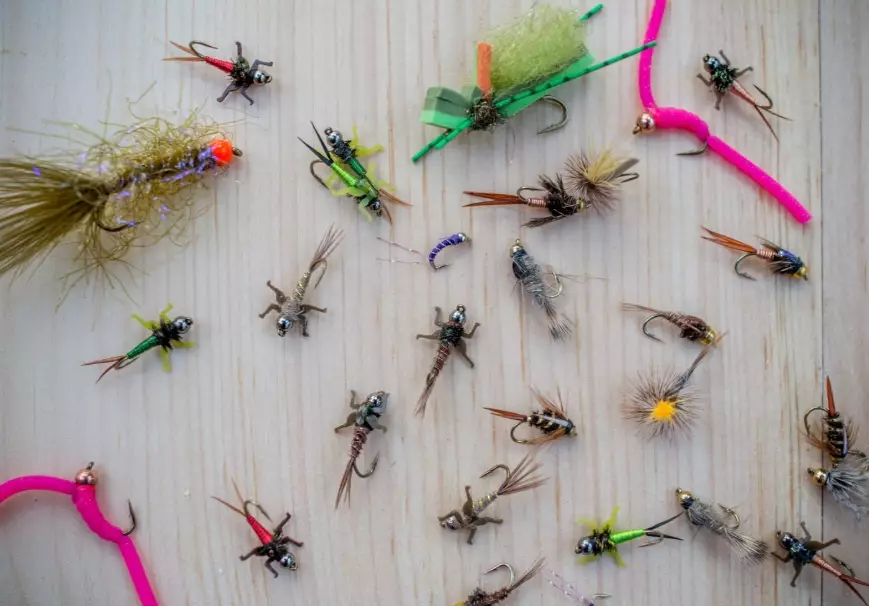
Fly Fishing Flies FAQ
Reader Comments