Walk into any fly shop, and the wall of rods can be paralyzing. Nine-foot this, five-weight that, fast action, moderate-fast... it's enough to make you grab the first shiny one and run. I've been there. My first rod was a disaster—a super fast-action 9-foot 5-weight that felt like casting a broomstick. I blamed myself for months before a grizzled guide took one look and said, "Kid, you're fighting that thing. It's fighting you." He was right. The rod was all wrong for my beginner's stroke.
That experience taught me the hard way: your fly rod isn't just a stick. It's the engine of your entire setup. Get it wrong, and you'll struggle. Get it right, and everything else—your casting, your presentation, your hook sets—flows naturally. Let's cut through the marketing speak and talk about what really matters.
What You'll Find in This Guide
Rod Action: The Feel You Can't Ignore (And Most Get Wrong)
Action describes where the rod bends. This is the single most important spec for how a rod feels in your hand, yet it's the one most beginners gloss over because they're fixated on weight or brand.
Think of it like a car's suspension. A fast action is a stiff sports car suspension—most of the bend is in the top third of the rod. A slow action is a soft luxury car ride—the rod bends deeply into the butt section.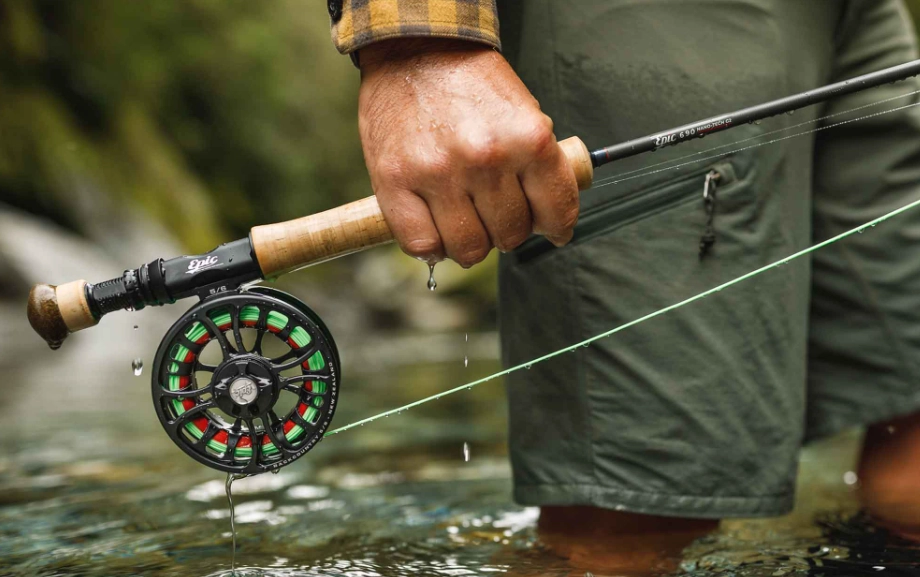
Here's the non-consensus bit: Most articles tell beginners to get a "moderate-fast" action as a safe middle ground. I disagree. For a true beginner, a true moderate or even slow action is a better teacher. It bends more, loads easier with less line speed, and gives you clear physical feedback when your timing is off. You learn to feel the rod load and unload. A fast rod hides timing errors until they become bad habits that are hard to break.
Let's break down the actions you'll see:
| Action Type | Where It Bends | Best For | Feels Like... |
|---|---|---|---|
| Slow | Deep into the butt | Small streams, delicate dry fly presentations, short casts, beginners learning timing. | A smooth, parabolic arc. Forgiving but not powerful for long casts. |
| Moderate | Middle to butt | All-around trout fishing, roll casting, mending line. The "feel" rod. | Buttery smooth. Communicates everything the line is doing. |
| Moderate-Fast | Top half | The marketed "do-it-all." Good for versatility, handling wind, and a mix of techniques. | A blend of power and feel. The popular compromise. |
| Fast | Top third | Punching into wind, throwing big streamers, saltwater, experienced casters. | Stiff, with a quick recovery. Demands good technique to load properly. |
| Extra Fast | Very tip | Extreme distance, heavy saltwater flies, specialized tournament casting. | Like a laser beam. Zero forgiveness, maximum power potential. |
I still have that old moderate-action 7'6" 3-weight rod I learned on. I can't throw it 70 feet, but on a spring creek, it lays down a size 20 fly like a whisper. My fast-action 8-weight for bass? It's a cannon. They're different tools.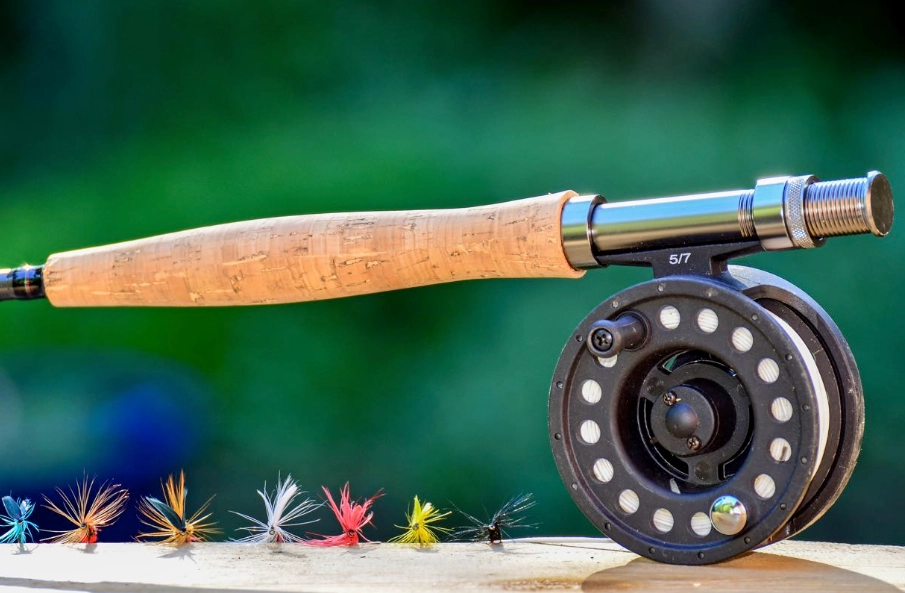
Choosing Rod Length: It's About Your Water, Not a Rule
Length gives you leverage and control. The old standard "9-foot for everything" is a decent starting point, but it's a starting point, not a rule.
Short rods (7.5' - 8.5') are your small-stream assassins. They excel in tight quarters with overhanging brush. You get incredible accuracy for dapping flies under logs or flicking a roll cast from your knees. The trade-off is less line mending ability and less power for fighting big fish in open water.
Long rods (9.5' - 10'+ ) are the mending and line-control champions. That extra foot gives you a huge advantage when you need to keep a dry fly drifting drag-free over a long run. It also helps keep more line off the water during a nymphing drift. They're fantastic for stillwaters too, allowing for longer casts with less effort. The downside? They feel clunky in a cramped forest and can be tiring to cast all day.
Here’s a real-world scenario. You're planning a trip to a famous Western river like the Madison. It's wide, with long, slick runs. A 9'6" or even a 10' rod in a 5 or 6-weight will be your best friend for mending line. Now, imagine a trip to the tight, wooded brooks of the Appalachians. That 10-foot rod is a liability. An 8-foot rod becomes a precision instrument.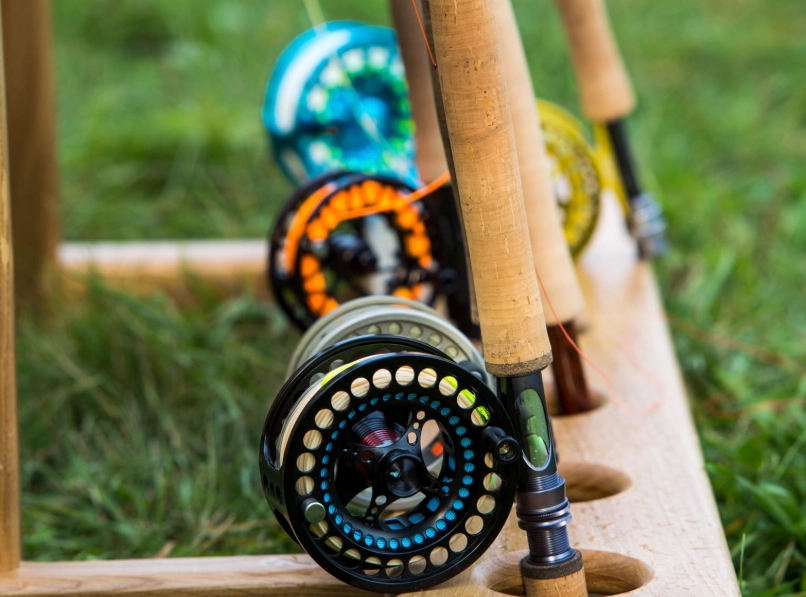
The Weight Number: It's About the Fly, Not Just the Fish
The weight (e.g., 3-weight, 5-weight, 8-weight) stamped on the rod isn't about the size of fish you can catch. A skilled angler can land a 20-inch trout on a 3-weight (it's a thrill). The weight rating is primarily about the size of the fly line the rod is designed to cast, which in turn dictates the size and wind-resistance of the flies you can effectively present.
- 1-3 Weight: Ultralight. For tiny dry flies and small streams. Feel every twitch of a small trout. Not for wind.
- 4-6 Weight: The trout sweet spot. 5-weight is the universal standard for a reason. Handles dry flies, nymphs, and small streamers on rivers and lakes.
- 7-9 Weight: Big game. Bass, pike, carp, inshore saltwater (redfish, bonefish). For throwing bulky poppers, weighted streamers, and fighting in current or wind.
- 10+ Weight: Offshore and heavy duty. Tarpon, salmon, muskies.
If you're starting and will fish mostly for trout in average-sized rivers, a 9-foot, 5-weight is a logical first rod. Just pair it with a moderate or moderate-fast action, not a fast one.
The Setup Sequence: Putting It All Together
Buying the rod is step one. Setting it up correctly is where many trips go sideways. Follow this sequence.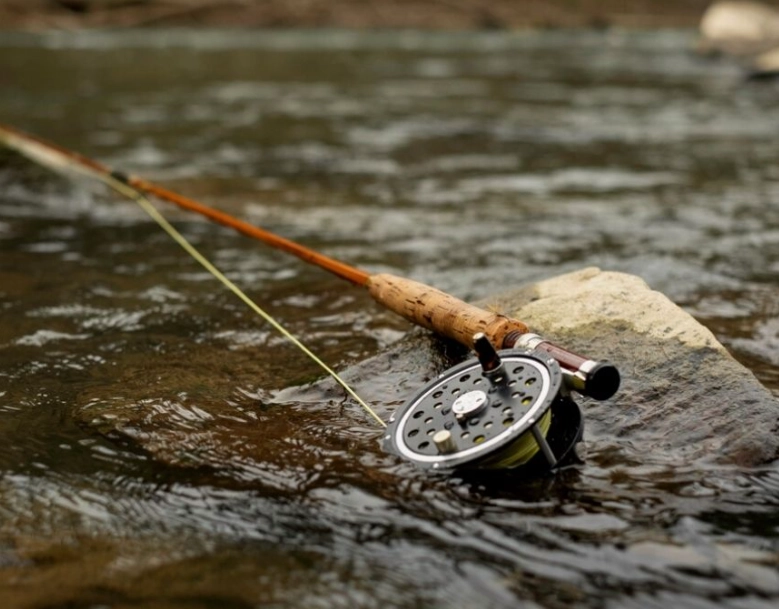
Step 1: Match the Reel. The reel is primarily a line holder for most freshwater fishing. Balance is key. Put the reel on the rod, grip it as you would to cast. It shouldn't feel tip-heavy or butt-heavy. A slightly butt-heavy feel is okay for all-day comfort. Don't overspend here initially. A simple, reliable drag is all you need for trout.
Step 2: The Critical Match – Fly Line. This is the engine's fuel. You must match the line weight to the rod weight. A 5-weight rod needs a 5-weight line. This isn't a suggestion. Using a 6-weight line on a 5-weight rod will overload it, making it feel soggy. Using a 4-weight line will underload it, requiring more effort to cast.
For your first line, get a Weight Forward (WF) taper. It's designed for easier casting at shorter to medium distances. The folks at the Federation of Fly Fishers have great resources on line standards if you want to dive deep.
Step 3: Connect Leader and Tippet. The leader is the clear, tapered monofilament or fluorocarbon that connects your thick fly line to your tiny fly. It transfers energy and allows the fly to turn over and land softly.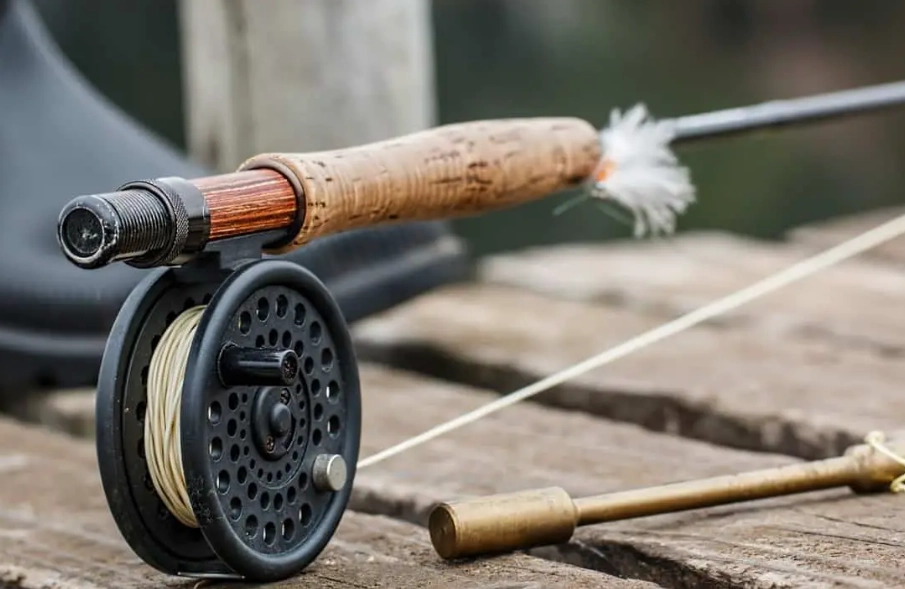
- For a beginner, buy a pre-tapered 9-foot leader. Match the leader's butt-end rating to your line weight (e.g., a 5-weight line takes a leader with a 0.023"-0.025" butt).
- The tippet is the final, level section you tie to the fly. It gets thinner (higher X rating) for smaller, more delicate flies. A simple rule: 4X tippet (approx. 6 lb test) for general trout flies down to size 12. 5X (4 lb test) for flies size 14-18. 6X (2.5 lb test) for tiny flies size 20 and below.
Put it together: Rod -> Reel -> Backing (optional for trout) -> Fly Line -> Leader -> Tippet -> Fly. Practice tying the knots—the improved clinch knot for the fly, the double surgeon's knot for adding tippet—until you can do them with your eyes closed.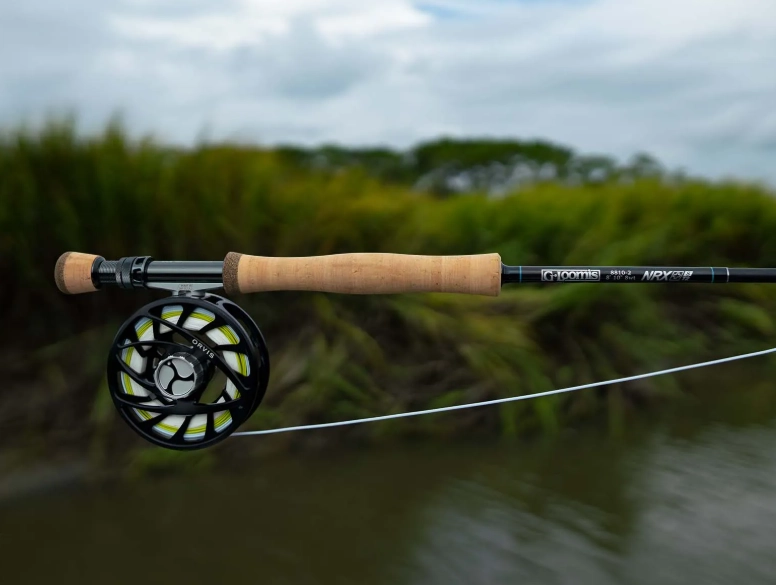
Your Fly Rod Questions, Answered
So, forget the flashy ads and the pro's rod specs. Think about the water you'll fish most, the flies you'll throw, and the feel you want. Start with action and length, then match the weight. Get that first setup right, and you're not just buying a rod—you're building a foundation for everything that comes next on the water.
Reader Comments