Choosing fly fishing gear can feel like deciphering a secret code. Rod weights, line tapers, reel drags – it's a lot. I remember my first combo was a cheap package deal. The rod felt like a broomstick, and the line sank like a stone. I spent more time untangling knots than fishing. It almost made me quit.
It doesn't have to be that way. The right gear isn't about spending the most money; it's about matching components to the fish you chase and the water you fish. Let's strip away the confusion and build a setup that actually works.
What's Inside This Guide?
The Core Four: Rod, Reel, Line, and Fly
Forget everything else for a second. These four items are your fundamental tools. Get this combination right, and you're 90% of the way there.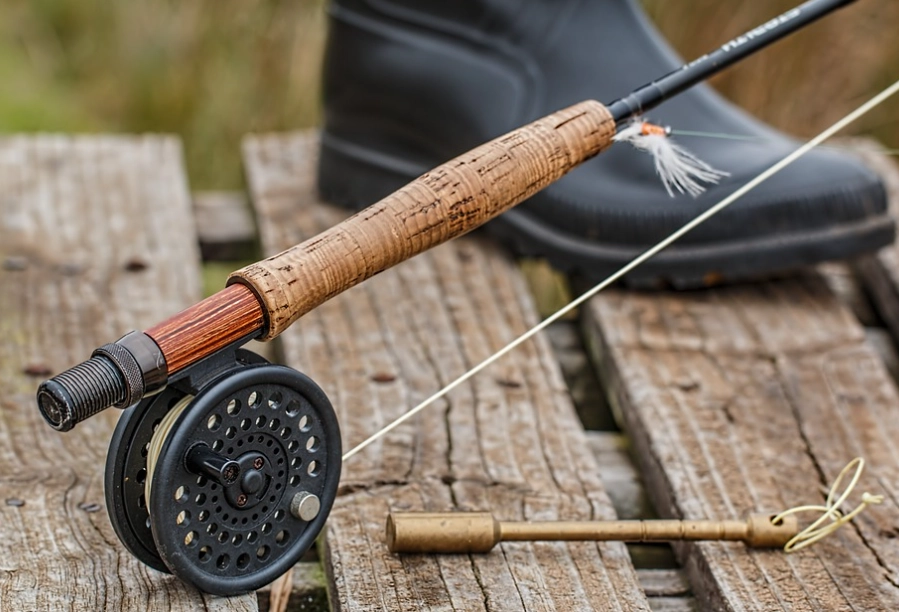
1. The Fly Rod: Your Casting Engine
The rod weight is your starting point. It's not about physical heaviness, but the size of the line it's designed to cast. This number dictates what you can fish for.
| Rod Weight | Typical Target Fish | Best For | Beginner Friendliness |
|---|---|---|---|
| 3-4 Weight | Trout, Panfish | Small streams, delicate presentations | High (for small water) |
| 5-6 Weight | Trout, Bass, Small Pike | All-around freshwater, rivers, lakes | Highest (The Sweet Spot) |
| 7-8 Weight | Bass, Pike, Steelhead, Salmon | Big flies, windy conditions, larger fish | Medium |
| 9+ Weight | Saltwater (Tarpon, Permit), Big Salmon | Saltwater flats, heavy-duty fishing | Low |
Here's a mistake I see constantly: beginners buying a fast-action rod because it's "high-performance." A fast-action rod is stiff and requires precise timing to load. If your timing is off (and it will be when you start), the rod won't bend, and your cast goes nowhere. A medium or medium-fast action rod is far more forgiving. It loads deeper with less effort, giving you better feedback. Trust me, you'll learn faster and have more fun.
Length matters too. A 9-foot rod is the gold standard for versatility. Shorter (7.5-8.5 ft) for brushy creeks, longer (9.5-10 ft) for mending line on big rivers or euro-nymphing.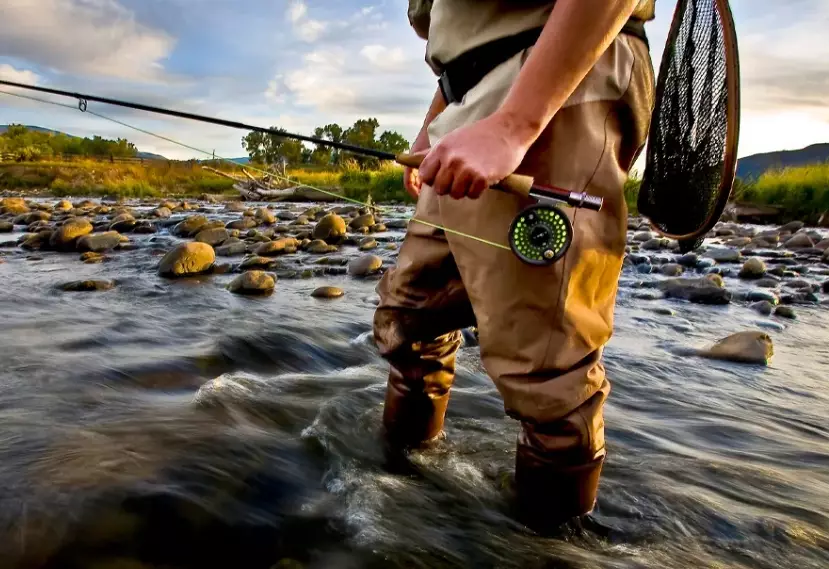
2. The Fly Reel: More Than a Line Holder
For trout fishing in small to medium rivers, the reel's main job is to hold line. A simple click-and-pawl drag is charming and often enough. But if you're after fish that make blistering runs – like bass, steelhead, or anything in saltwater – a sealed disc drag becomes non-negotiable. It applies smooth, consistent pressure without seizing up.
Match the reel size to your rod weight. A 5/6 weight reel goes on a 5 or 6 weight rod. It's that simple. Don't overthink it at first.
Pro Tip: Balance matters. Put the reel on the rod. It should feel neutral in your hand, not tipping heavily forward (too light a reel) or back (too heavy). A balanced outfit reduces fatigue.
3. The Fly Line: The Secret Weapon
This is where I tell you to spend money. A cheap rod with a great line will cast better than a great rod with a cheap line. The line's weight is what actually loads (bends) the rod during the cast.
You must match the line weight to the rod weight. A 5-weight rod needs a 5-weight line. No debate.
The taper is the line's profile. For 90% of beginners, a Weight-Forward (WF) taper is the answer. It has a heavy front section that makes loading the rod and shooting line easier. Forget double tapers for now.
Finally, get a Floating Line (F). It's the most versatile, allowing you to fish dry flies, nymphs, and streamers on the surface. Sinking lines are for specific, advanced techniques.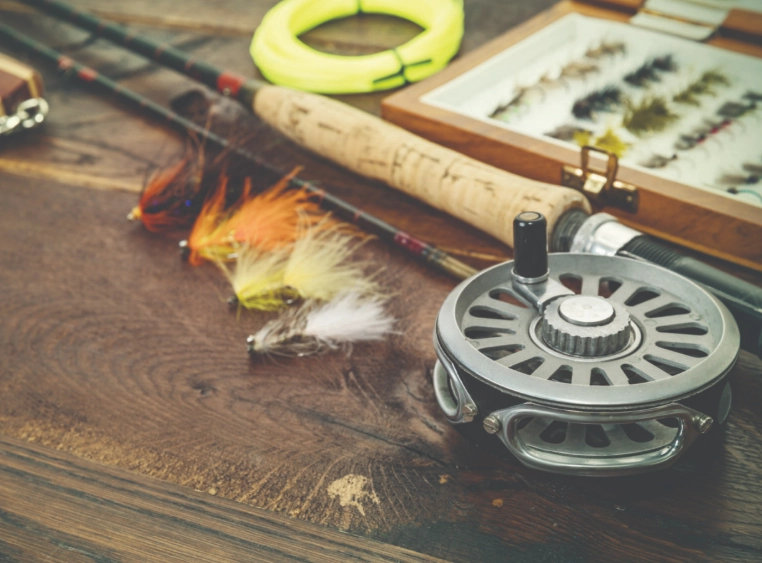
4. Leader, Tippet, and the Fly
The leader is the clear, tapered monofilament or fluorocarbon section that connects your thick fly line to the tiny fly. It turns over the fly delicately. A 9-foot leader tapered to 4X or 5X is a perfect all-around starting point.
Tippet is the final, level section you add to the leader as you change flies and it gets shorter. It maintains the leader's taper. If your leader ends in 5X, you add more 5X tippet.
X-rating is about diameter and strength. Lower X = thicker/stronger (0X, 1X for big streamers). Higher X = thinner/finer (6X, 7X for tiny dry flies). For general trout, carry spools of 4X, 5X, and maybe 6X.
Flies? That's a deep rabbit hole. Start with a few proven patterns: Elk Hair Caddis (dry fly), Pheasant Tail Nymph, Woolly Bugger (streamer). Buy them locally if you can – the shop will know what's hatching.
The #1 Mistake: Neglecting the connection between line and leader. That thick, colored fly line scares fish. A properly tapered leader is essential for a natural presentation. Don't just tie your fly directly to the fly line – it won't cast, and you'll spook every fish in the pool.
Gear Setups for Different Fishing Scenarios
Let's get practical. Here’s how I’d gear up for four common situations.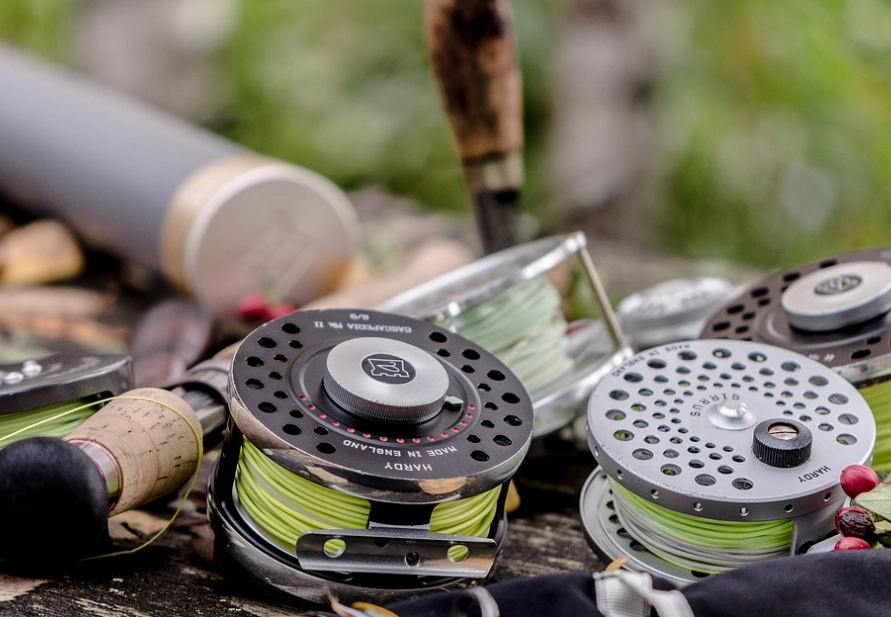
Scenario 1: The Brushy Mountain Stream
You're fighting overhanging alders, casting 20 feet max. Delicacy and maneuverability are key.
Rod: 7.5 ft to 8 ft, 3-weight or 4-weight. A shorter rod won't snag on every backcast. The light weight makes casting small flies a joy.
Line: WF Floating line, matching the rod weight.
Reel: A simple, lightweight reel. Drag barely matters here.
Leader: 7.5 ft leader tapered to 5X or 6X.
Flies: Small dries (#16-18 Parachute Adams), tiny nymphs.
Scenario 2: The Big Western Trout River
Long casts, windy afternoons, and fish that might run. This is the all-rounder workhorse.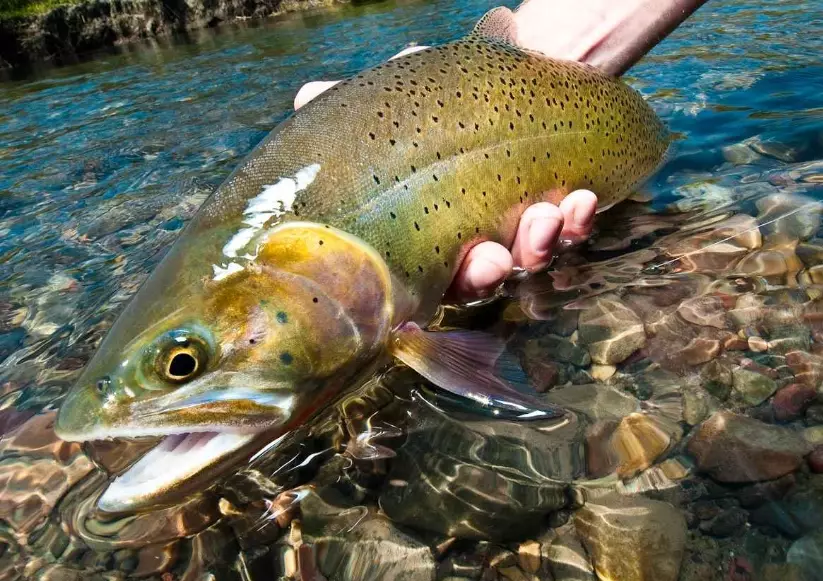
Rod: 9 ft, 5-weight, medium-fast action. This is the single most recommended setup for a reason. It can handle dry flies, nymph rigs, and small streamers with authority.
Line: WF Floating line. Consider a textured line for easier grip and mending.
Reel: A reel with a decent disc drag. Those rainbows can run.
Leader: 9 ft leader, 4X for streamers/nymphs, 5X for dries.
Flies: Stonefly nymphs, PMX dries, Sculpin streamers.
Scenario 3: Bass & Pike in the Local Pond
You're throwing bulky, wind-resistant flies that look like small rodents. Power is the game.
Rod: 9 ft, 7-weight or 8-weight, fast action. You need the backbone to punch big flies into the wind.
Line: WF Floating line, or a sink-tip for getting streamers down.
Reel: A sturdy reel with a strong, reliable drag. Bass dig for cover, pike make sharp runs.
Leader: Short, stout leader. 0X to 2X. Forget the delicate tippets – these fish aren't line-shy.
Flies: Deer Hair Poppers, Clouser Minnows, big Woolly Buggers.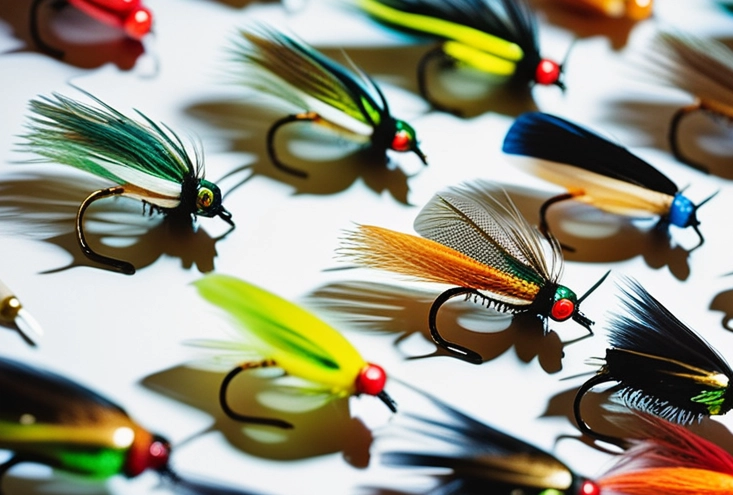
Scenario 4: Your First Saltwater Flat (Bonefish, Redfish)
This is big-league fishing. Corrosion resistance, powerful drags, and long-distance casting are mandatory.
Rod: 9 ft, 8-weight or 9-weight, fast action. You need distance and the power to lift a fish's head.
Line: A specialized saltwater WF line, often with a slightly aggressive taper for shooting line.
Reel: This is where you invest. A fully sealed, anodized reel with a smooth, powerful drag is critical. Salt destroys cheap gear.
Leader: 9-12 ft leader tapered to 10-12 lb test (roughly 0X-1X).
Flies: Crab patterns (Merkin), Shrimp patterns (Gotcha).
See the pattern? The fish and the environment dictate the tool. Don't try to chase bass with a 3-weight – you'll have a bad time.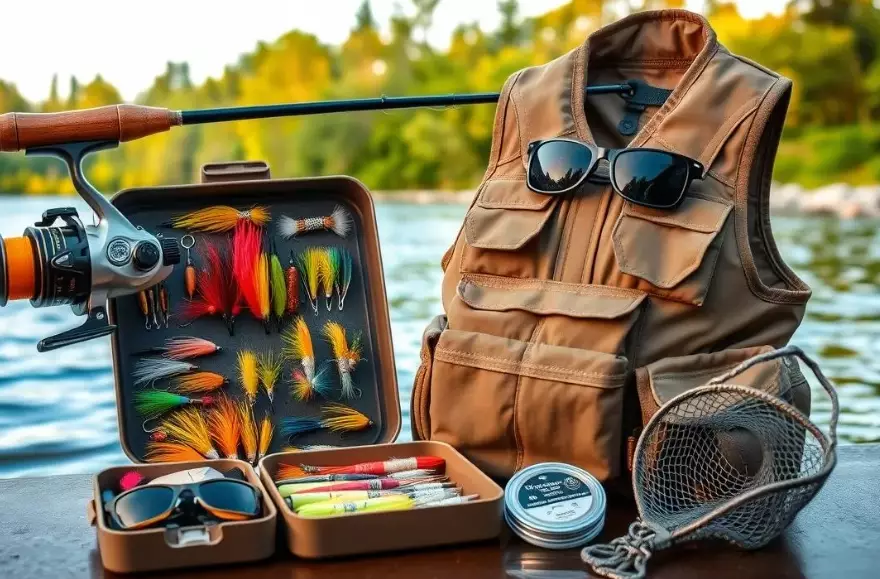
Your Fly Fishing Gear Questions Answered
For tight, brushy small streams, a shorter rod between 7.5 to 8.5 feet is ideal. It gives you better control for roll casts and accurate presentations under overhanging branches. A 3-weight or 4-weight rod pairs perfectly with this length for targeting trout in confined spaces. I made the mistake of using a 9-footer on a tiny creek once – spent more time unhooking from trees than fishing.
It's a sliding scale of importance. For smaller freshwater fish like trout in a river, the reel is primarily a line holder. A simple, reliable drag is sufficient. I've caught plenty of trout on reels with just a clicker. However, for larger, faster fish like salmon, steelhead, or saltwater species, investing in a high-quality reel with a smooth, powerful drag is critical to prevent break-offs and manage long runs. In those cases, the reel is as important as the rod.
No, you should match the line weight to the rod weight. A 5-weight rod is designed to cast a 5-weight line optimally. Using a 6-weight line on it will overload the rod, making it feel sluggish and difficult to control. Conversely, a 4-weight line won't load the rod properly, resulting in weak casts. The one exception might be "over-lining" a rod by one weight (putting a 6-weight line on a 5-weight rod) to help a beginner load the rod more easily, but it's a band-aid fix, not a solution.
Prioritize the fly line. A high-quality line (from brands like Scientific Anglers, Rio, or Cortland) casts smoother, floats better, and lasts longer than a cheap one. It has a more significant impact on your casting success than an expensive rod when you're starting. Next, invest in a decent rod that feels comfortable in your hand, then a reliable reel. Don't blow your entire budget on a top-tier rod paired with a bargain-bin line – you'll be fighting the gear instead of enjoying the fishing.
Reader Comments