What is the best bait for bass? If you're hoping for a single magic lure name, I'm going to disappoint you right away. The real answer is a toolbox. The "best" bait changes by the hour, depending on where you are, the time of year, the water color, and what the bass are eating that day. Asking for the single best bass bait is like asking for the single best tool in a workshop. Sometimes you need a hammer, sometimes a screwdriver.
I've spent years on the water, guiding and fishing tournaments, and the biggest mistake I see is anglers getting stuck on one bait. They'll have a great day on a spinnerbait and then throw it all season, even when the conditions scream for something else.
So, let's build that toolbox. We'll break down the proven winners for largemouth and smallmouth bass, explain *when* and *why* they work, and give you a system for choosing the right bait on any given day. Forget chasing trends; this is about foundational knowledge that catches fish year after year.
What's Inside This Guide?
Best Hard Baits & Artificial Lures for Bass
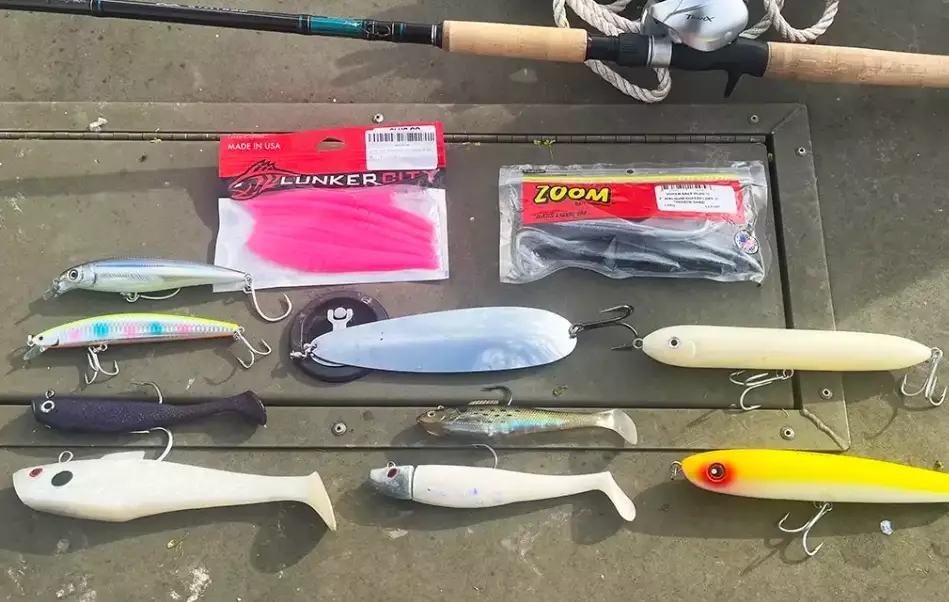
These are your search baits. They cover water fast, trigger reaction strikes, and are perfect for finding active fish. Don't just cast and retrieve mindlessly. Think about what each lure is doing underwater.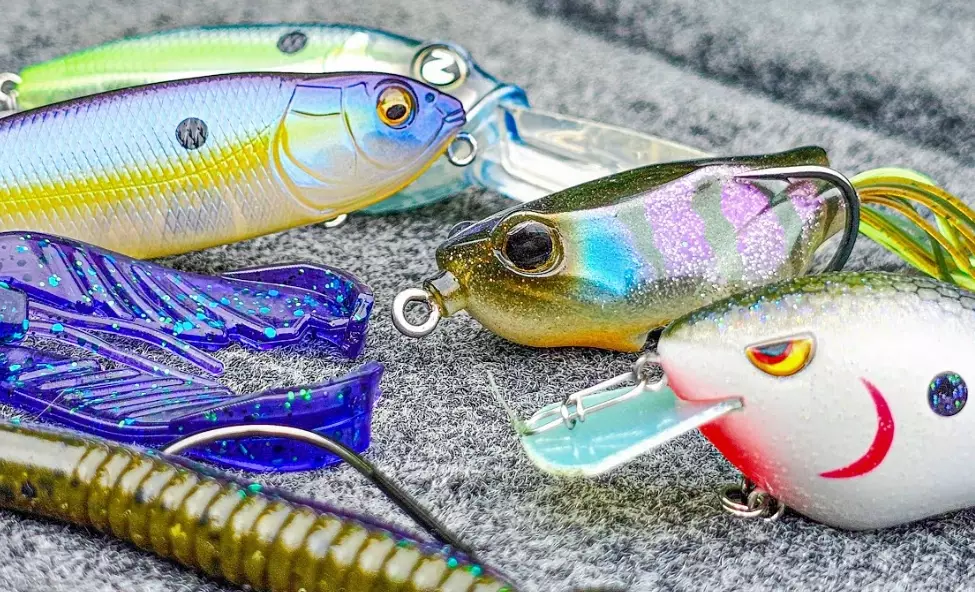
Topwater Plugs (The Most Fun You Can Have)
Nothing beats a topwater strike. It's pure visual adrenaline. But there's a hierarchy.
Whopper Plopper-style lures: A constant, steady retrieve creates a unique "blooping" sound and wake. Incredible for aggressive bass in low-light conditions (dawn, dusk, overcast). They work best over open water or along weed edges. If bass are short-striking, don't stop. They often hit it on the second or third attempt.
Popper: The classic. Twitch it so it splashes and "pops." Ideal for calmer water. The secret? Vary your retrieve. Two sharp pops, a long pause. One gentle pop. Make it sound like a struggling insect or baitfish. I've had days where the bass only hit after a 10-second dead pause.
Walking Bait (Zara Spook style): The "walk-the-dog" side-to-side action drives bass crazy in clear water. It requires a specific rod tip rhythm to master. If you can't get it to walk consistently, practice in the backyard pool first. A poorly walked bait is just a noisy stick.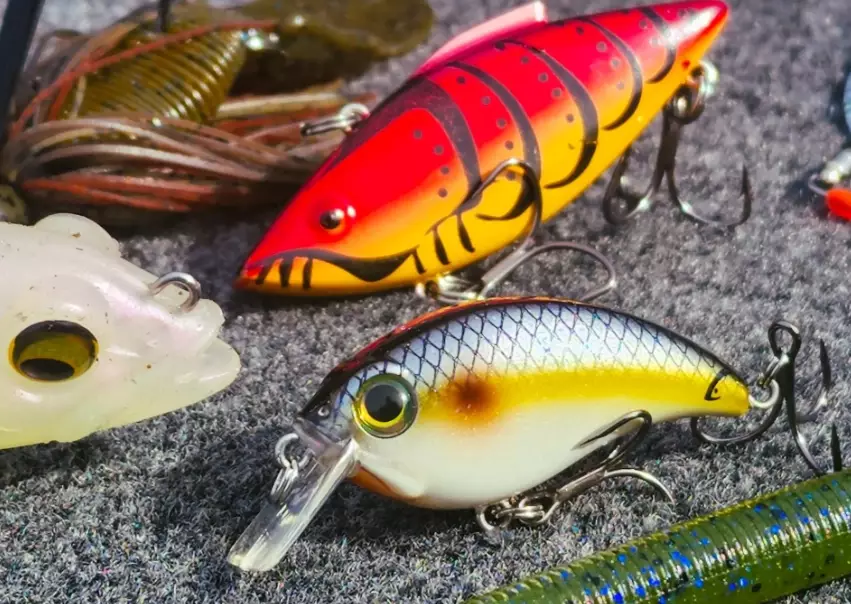
Crankbaits & Lipless Crankbaits
These are your underwater search engines. The lipless crankbait (like a Rat-L-Trap) is arguably one of the most versatile lures ever made. You can burn it over grass flats, yo-yo it off deep points, or slow-roll it along the bottom. The internal rattles call fish from a distance.
Diving crankbaits come in a million shapes. Key things to note:
| Lure Type | Best For | Pro Tip |
|---|---|---|
| Squarebill Crankbait | Shallow cover (wood, rocks up to 5 ft). Its square lip deflects off obstacles, triggering strikes. | Don't be afraid to bang it into logs and stumps. That "tick" is a dinner bell. |
| Medium-Diver (6-10 ft) | Offshore structure, weed edges, ledges. | Match the hatch. In shad lakes, use silver/blue. In perch lakes, use green/orange. |
| Deep Diver (10+ ft) | Summer and winter bass on deep structure (river channels, humps). | Use a long, powerful rod to get it deep and handle the resistance. Let it pause occasionally to float up slightly. |
Spinnerbaits & Chatterbaits
The spinnerbait is a classic for a reason. It's relatively weedless, vibrates like crazy, and the flash of the blade mimics a small school of baitfish. White/chartreuse skirt with double Colorado blades for stained water, willow leaf blades for clear water.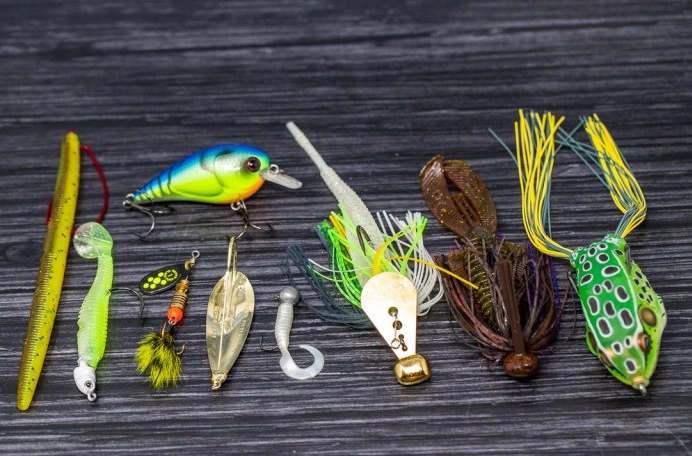
The chatterbait (or bladed jig) has largely replaced the spinnerbait for many anglers. It has a stronger vibration and a more subtle profile. It's murder around grass, docks, and any vertical cover. Skirt color matters, but trailer choice matters more. A swimbait trailer gives it a baitfish look, a craw trailer makes it a bottom crusher.
Best Soft Plastic Baits for Bass (The Real Workhorses)
If I had to pick one category to fish forever, it's soft plastics. They are endlessly adaptable, inexpensive, and account for more big bass than any other lure type. This is where finesse meets power.
The Stick Worm (Senko-style): The "do-nothing" bait. It's almost unfair. You rig it weightless Texas-style, cast it out, and let it sink on a slack line. The slow, fluttering fall is irresistible. Don't do anything fancy. Cast, let it sink, maybe twitch it once, let it sink again. I've caught bass just watching it fall next to a dock piling. Green pumpkin, black/blue, and watermelon red are all you need.
The Creature Bait: This is your flipping and pitching bait for heavy cover. It has tons of appendages that pulse and kick, imitating a crawfish or a baitfish. When you punch it through thick matted grass or drop it into a brush pile, that action happens in the bass's face. It triggers a territorial strike. Go with a 1/2 oz to 1 oz tungsten weight to get through the junk.
The Finesse Worm (Roboworm-style): On tough, clear-water days or when fish are heavily pressured, downsizing is key. A 6-inch straight tail worm on a light shaky head or a neko rig will catch fish that ignore everything else. The action is tiny, the profile is small. It's a meal they don't have to think about. This approach wins tournaments on lakes like Lake Fork or Clear Lake.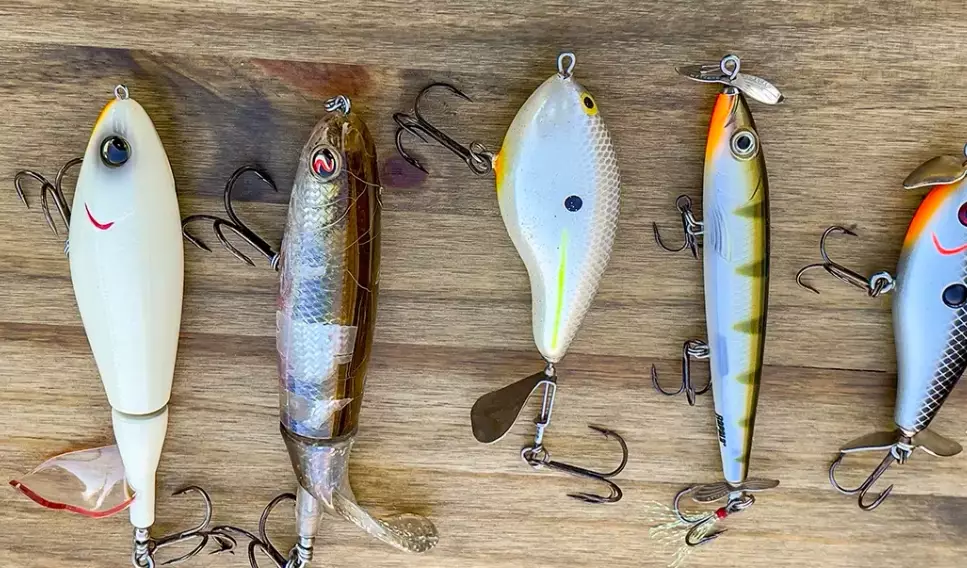
My Personal Soft Plastic Shortlist: I don't carry hundreds of bags. I narrow it down. I always have Green Pumpkin (works everywhere), Black/Blue Flake (stained water, night), Watermelon Seed (clear water), and White (for swimbaits and trailers). With these four colors in a few key shapes—stick worm, creature bait, finesse worm, swimbait—I'm covered for 95% of situations.
How to Choose the Best Bass Bait for Any Condition?
This is the decision tree. Stop guessing and start diagnosing.
1. Look at the Season & Water Temperature:
- Pre-Spawn (50-60°F): Bass are moving shallow, feeding aggressively. Lipless crankbaits on flats, jerkbaits along windy banks, jigs near staging areas.
- Spawn (60-70°F): Sight fishing with soft plastics (lizards, creatures) or protecting beds with reaction baits.
- Post-Spawn / Summer (>70°F): Bass are recovering or moving deep. Topwater early/late, deep crankbaits, Carolina rigs, and heavy jigs on offshore structure.
- Fall (Cooling from 70s down): Bass chase shad aggressively. Spinnerbaits, chatterbaits, and swimbaits over shallow flats.
- Winter ( Slow down. A jig dragged painfully slow, a suspending jerkbait held still for 30-second pauses, a finesse worm on a drop shot.
2. Look at the Water Clarity:
- Stained/Muddy Water: You need vibration, sound, and silhouette. Spinnerbaits with Colorado blades, chatterbaits, loud crankbaits with rattles, black/blue jigs.
- Clear Water: Stealth mode. Natural colors (greens, browns, silvers), subtle actions, finesse presentations. Weightless plastics, finesse jigs, small swimbaits.
3. Look at the Time of Day & Sky:
Bright sun? Bass seek cover and shade. Pitch jigs and creatures into heavy stuff. Cloudy or windy? Bass roam and feed more freely. Throw moving baits like spinnerbaits and crankbaits. Low-light (dawn/dusk) is topwater prime time.
4. Assess the Bass's Mood: Are they active or passive? Start with a moving bait (spinnerbait, crankbait). If you get follows but no commits, or no action at all, switch to a slower, more subtle presentation (jig, Texas rig, drop shot). This is the most common adjustment anglers fail to make.
Live Bait & Natural Baits for Bass
Sometimes, you just need to catch fish, and artificials aren't cutting it. Live bait is 100% effective and a fantastic way to learn where bass hold.
Live Shiners: The ultimate big bass bait, especially in Florida and the South. Hook them through the lips or back under a float near heavy vegetation or deep ledges. It's a waiting game, but the payoff can be huge.
Crayfish: A natural forage. Hook them through the tail and fish them on the bottom near rocks or wood. Smallmouth bass absolutely crush them.
Nightcrawlers: Don't laugh. A big nightcrawler on a Carolina rig or under a slip float will catch bass, especially in pressured ponds or when fishing with kids. It's a universal language.
The ethical note: Check your local regulations. Some bodies of water have restrictions on live bait to prevent invasive species spread.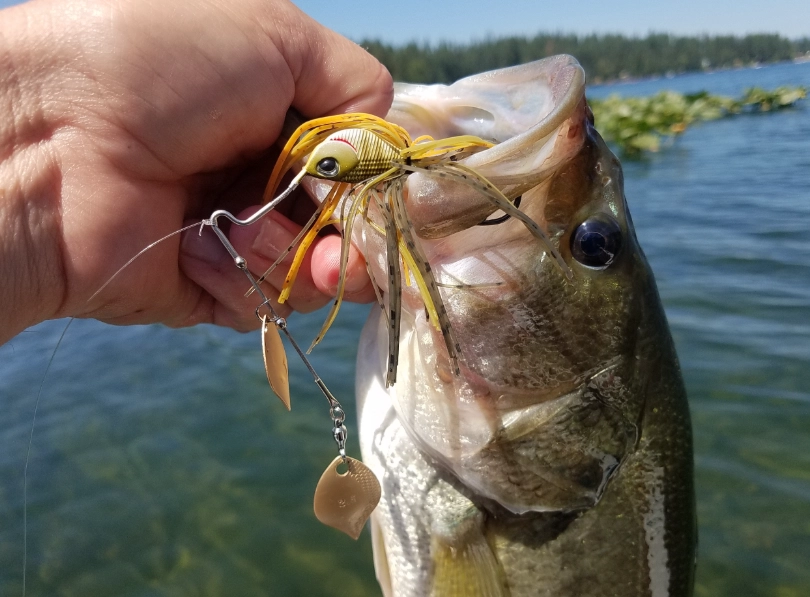
Reader Comments