Let's be honest. Walk into any massive sporting goods store, and the wall of bass fishing gear is overwhelming. A hundred rods, fifty reels, a thousand lures in every color imaginable. The guy behind the counter might ask what you're fishing for. You say "bass." He points to a combo on sale. You buy it. You go fishing. Maybe you catch something, maybe you don't. But you have this nagging feeling you're missing something, that your gear isn't quite right for the job.
I've been there. I spent years throwing heavy jigs on a rod that was too stiff, wondering why I kept missing bites. I burned out cheap reels trying to pull bass from thick lily pads. The problem isn't a lack of information—it's too much of the wrong information. This guide isn't about listing every product. It's about the why behind the bass fishing gear choices. It's the conversation you'd have with a guide after he's seen you struggle for an hour.
What's Inside This Bass Gear Deep Dive
How to Choose a Bass Fishing Rod (It's Not About Length)
Forget length for a second. The two specs that actually dictate how a rod performs are power and action. Get these wrong, and you're fighting your equipment all day.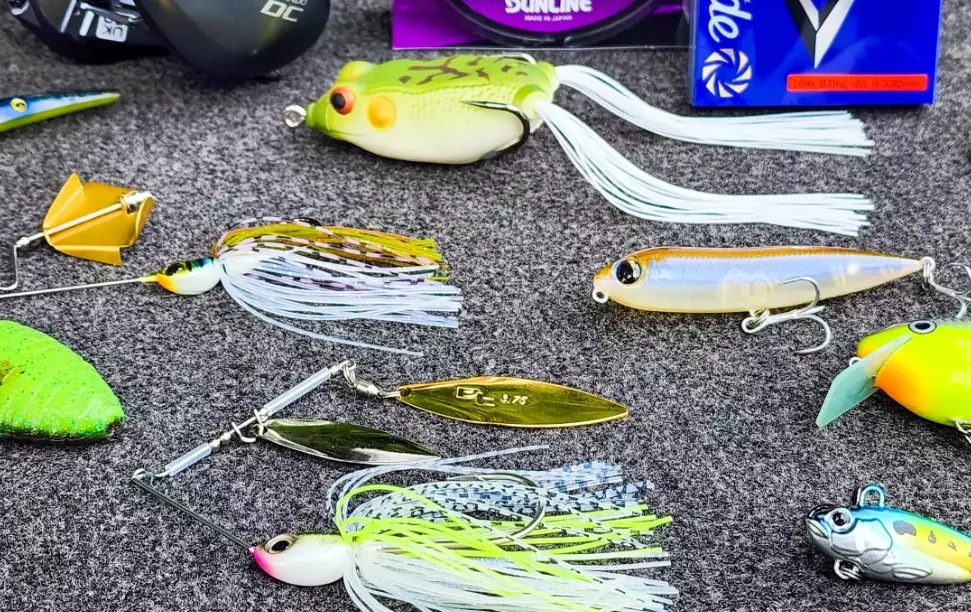
Power is the rod's backbone, its resistance to bending. Think of it as the rod's weight class.
- Ultra-Light to Light: Finesse worms, small jerkbaits. Feels every nibble but can't horse a fish from cover.
- Medium: The workhorse. Spinnerbaits, chatterbaits, smaller crankbaits. It's the most versatile power for a beginner.
- Medium-Heavy: The bass angler's staple. Jigs, Texas-rigged worms, frogs. Enough muscle to set a hook in deep cover.
- Heavy: Punching through matted grass, big swimbaits. Specialized and tiring to use all day if you don't need it.
Here's the mistake I made for years: I bought a Heavy power rod because I thought "bigger fish, bigger rod." I used it for everything. When I finally tried a Medium-Heavy for my standard jigs, the difference was night and day. I could actually feel the lure working and detect bites I was missing before.
Action is where the rod bends. This is critical for hook sets and lure performance.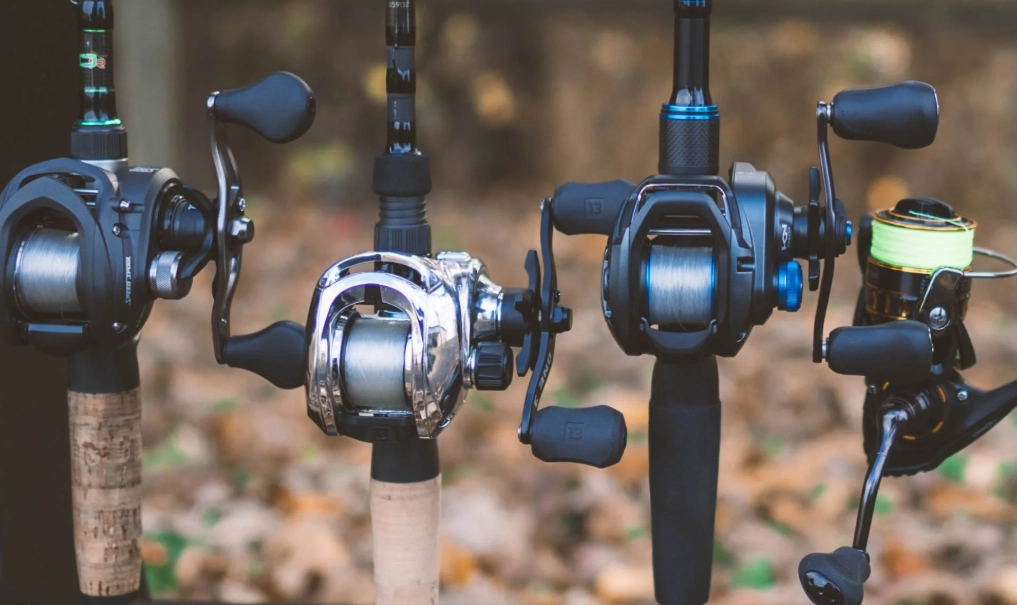
Quick Tip: Fast action bends mostly in the top third. Extra Fast bends only at the very tip. Moderate action bends down into the middle of the rod. A Moderate-Fast is a great middle ground for many techniques.
Match the action to your hook type. Single hook lures (jigs, worms) need a fast or extra-fast action for a sharp, immediate hook set. Treble hook lures (crankbaits, topwater) need a moderate action. That flex allows the fish to take the bait fully and cushions the fight, keeping those three hooks pinned.
Length comes last. A 7' to 7'3" rod is a fantastic all-around length for bank and boat fishing. It gives you good casting distance and leverage. Shorter rods (6'6") are great for close-quarters accuracy in heavy cover. Longer rods (7'6"+) excel at long casts and sweeping hook sets, common in techniques like "power fishing" or when using the data from surveys like the American Sportfishing Association's annual reports on angler trends.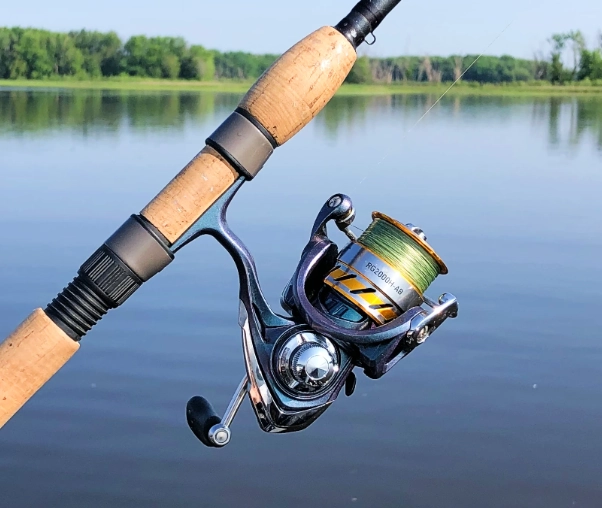
Bass Fishing Reels: Gear Ratios and the Drag Truth
Spinning or baitcasting? For bass, it's largely about lure weight and technique. Baitcasters excel with heavier lures (3/8 oz and up) and offer superior accuracy and control. Spinning reels are champions for finesse—lightweight lures, drop shots, wacky rigs.
The gear ratio number (like 6.8:1 or 7.5:1) tells you how many times the spool rotates per single turn of the handle. Higher isn't always better.
| Gear Ratio | Retrieve Speed | Best For... | Think of it as... |
|---|---|---|---|
| 5.4:1 - 6.4:1 | Slow to Medium | Deep-diving crankbaits, large swimbaits, punching heavy cover. | The torque monster. More cranking power, less effort to pull big bills through water. |
| 6.8:1 - 7.5:1 | Medium to Fast | All-purpose: spinnerbaits, chatterbaits, jigs, Texas rigs. | The SUV. Does everything well. The safest single-reel choice. |
| 8.0:1 and above | Very Fast | Flipping/Pitching, burning lipless crankbaits, quick-retrieve topwater. | The sports car. Picks up line incredibly fast to make another quick cast or react to a bite. |
Now, about drag. The max drag rating on the box is mostly marketing. What matters is smoothness. A drag that stutters or jerks under pressure will break your line. A quality reel from Daiwa, Shimano, or Abu Garcia in the $100+ range will have a carbon fiber or multi-disc drag system that's buttery smooth. Don't crank your drag down to the max. Set it to about 1/3 to 1/2 of your line's pound-test. A smooth drag lets the fish run when it needs to, which is how you land big bass on lighter line.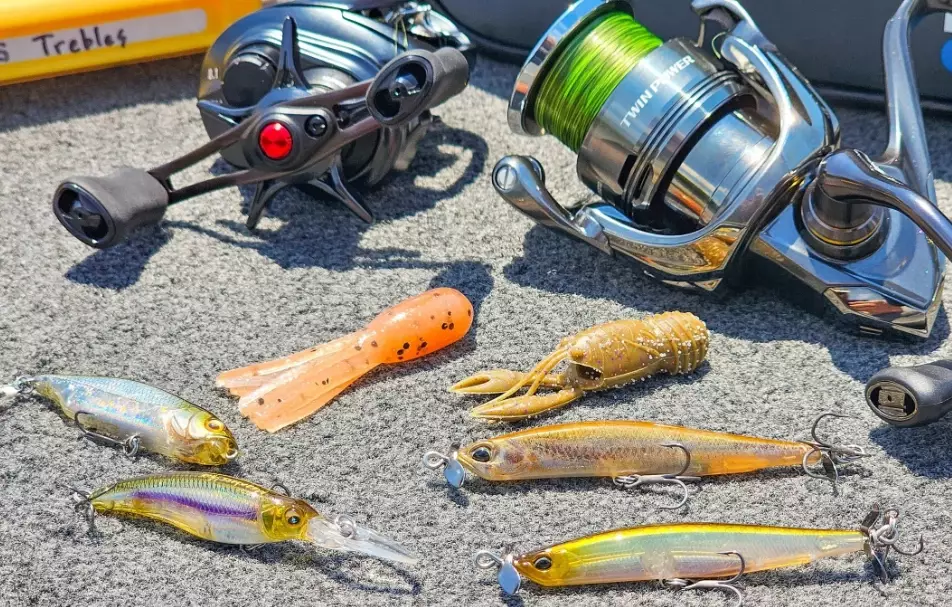
The Line and Lure Connection Everyone Ignores
Your line is the only thing touching the fish. Choose wrong, and it doesn't matter how great your rod and reel are.
Monofilament is cheap, has stretch (good for treble hooks), and floats. It's also the least sensitive and degrades in sunlight. I keep a spool for topwater poppers where the stretch helps keep hooks pinned.
Fluorocarbon is nearly invisible underwater, sinks, and has very low stretch (great sensitivity). It's abrasion-resistant but can be stiff and have memory. It's my go-to for jigs, worms, and crankbaits where I need to feel the bottom or a subtle bite.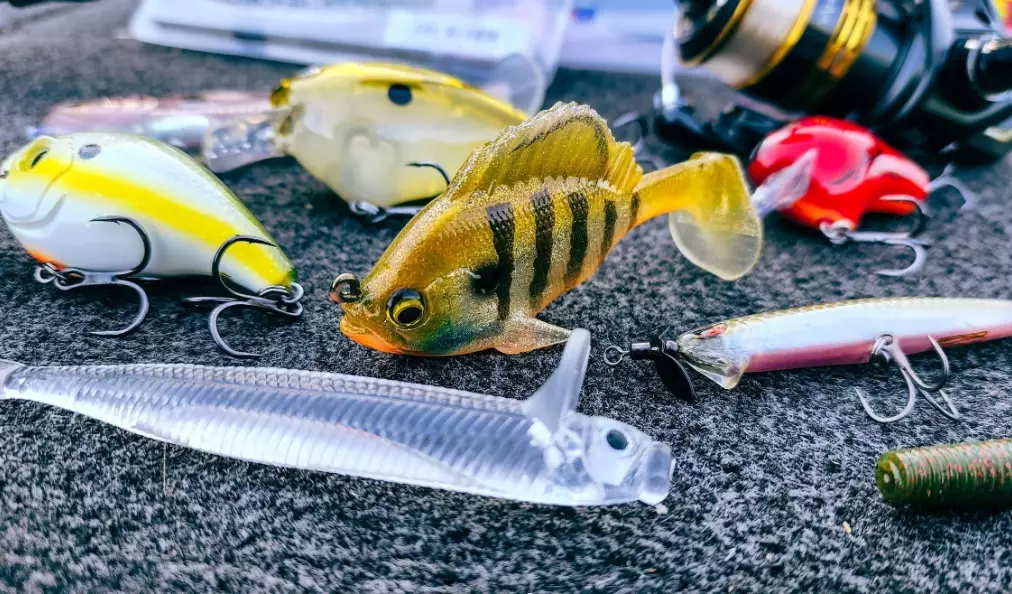
Braid is incredibly strong for its diameter, has zero stretch (ultimate sensitivity), and is very durable. It also floats and is highly visible. This is what you want for fishing heavy cover like grass and wood, or for techniques like frogging. The downside? You often need a fluorocarbon leader so the bass doesn't see it in clear water.
A Common Pitfall: Putting 50-pound braid on a reel not designed for it. Braid is thin and smooth. On a spool without enough backing or proper tension, it can dig into itself on a hard hook set, causing a massive bird's nest and potentially breaking your line. Always put a layer of mono backing on first.
Lures are a universe of their own. Instead of listing them all, let's talk about the three categories you need to cover 90% of bass fishing situations, based on the water column.
Bottom Contact: This is where big bass live. A 3/8 oz football jig with a green pumpkin craw trailer. A Texas-rigged 7" worm in junebug color. You're dragging, hopping, and feeling everything through your rod. Fluorocarbon line is key here.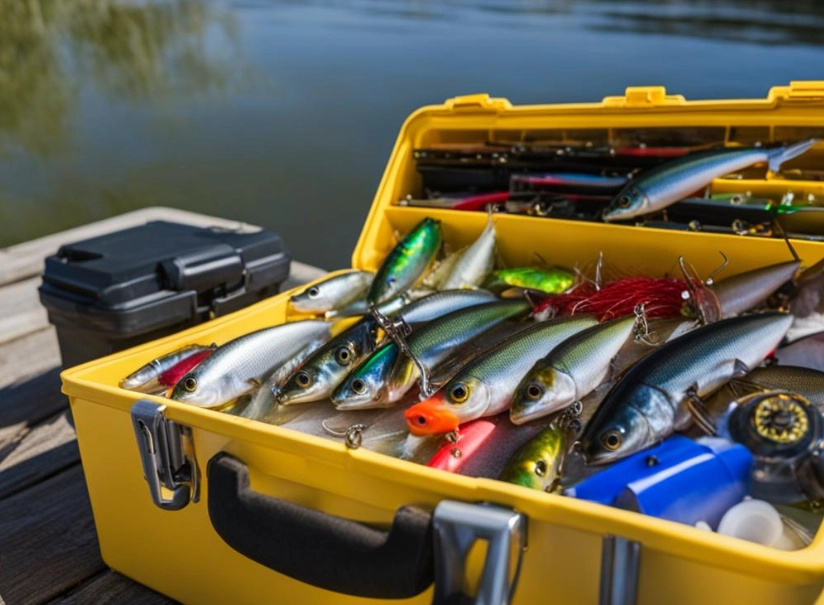
Mid-Depth & Reaction: Lipless crankbaits you rip through grass. Spinnerbaits burned over weed lines. Chatterbaits. These lures trigger instinct strikes. You can use mono or fluoro.
Topwater: The most exciting bite. A walking bait like a Zara Spook at dawn. A hollow-body frog over thick mats. Braid is non-negotiable here for the hook-setting power and ability to cut through vegetation.
Putting It All Together: Two Killer Bass Setups
You don't need a deck full of ten rods to start catching bass. If I had to build a two-rod arsenal from scratch, here's what I'd pick.
Setup 1: The All-Around Powerhouse
This rod handles your jigs, Texas rigs, heavier spinnerbaits, and even lighter frogging duties.
- Rod: 7'2" Medium-Heavy, Fast Action. (Brands like Dobyns Fury or St. Croix Bass X nail this spec).
- Reel: Baitcaster, 7.1:1 gear ratio.
- Line: 15-17 lb Fluorocarbon, or 40-50 lb Braid with a 15 lb fluoro leader.
- Lures it loves: 3/8 oz jigs, 10" worms, buzzbaits, chatterbaits.
Setup 2: The Finesse & Reaction Specialist
This covers your crankbaits, smaller plastics, drop shots, and topwater.
- Rod: 7' Medium, Moderate-Fast Action. (The moderate bend is crucial for crankbaits).
- Reel: Spinning reel size 2500 or 3000, or a slower (6.4:1) baitcaster.
- Line: 10-12 lb Fluorocarbon (for the baitcaster) or 10 lb Braid to an 8 lb fluoro leader (for the spinner).
- Lures it loves: Squarebill crankbaits, weightless senkos, jerkbaits, smaller topwater poppers.
With these two, you can fish from the bank or a boat in almost any condition. You have a tool for power and a tool for finesse. It's a system.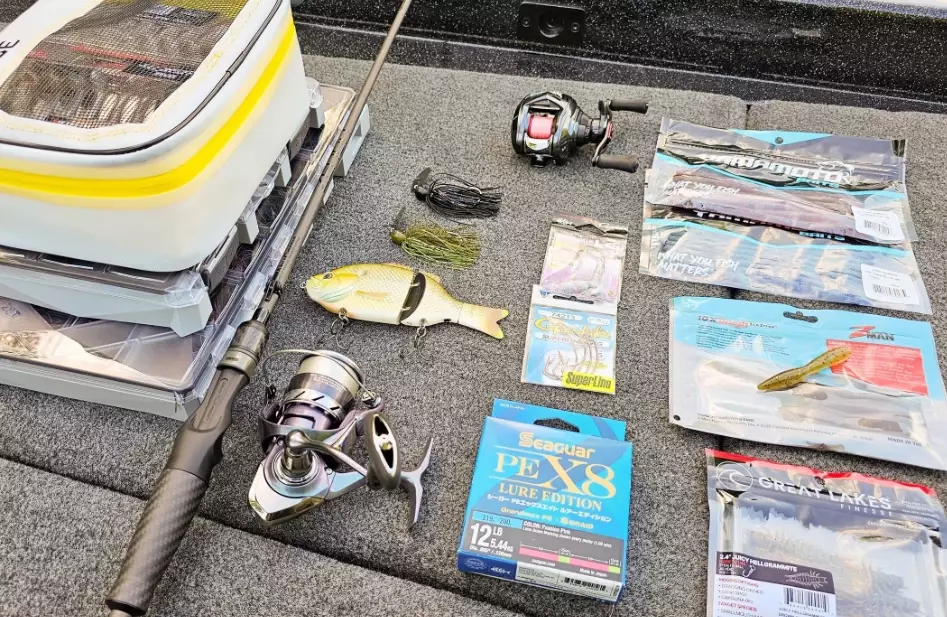
Your Bass Gear Questions, Answered Honestly
The goal with bass fishing gear isn't to own the most stuff. It's to understand the tools so well that when you're on the water, you stop thinking about your equipment and start thinking about the fish. Start with the fundamentals of power, action, and gear ratio. Build a simple, two-rod system that covers the bases. Then go get your line wet. The rest—the specific brands, the latest color trends—that all matters less than you think. What matters is that you understand why you're making a choice. That's when you stop just buying gear and start using it.
Reader Comments