I remember the first time a largemouth bass smashed my topwater frog. It wasn't a gentle sip. It was an explosion that sent water and my heart rate sky-high. I set the hook too early, felt nothing, and watched the ripples fade. That moment, equal parts thrilling and frustrating, is what hooks most of us on largemouth bass fishing. It's a puzzle where the pieces—lures, location, technique—are always moving. This guide isn't about generic advice. It's about the specific, often overlooked details that turn missed strikes into landed fish, drawn from years of figuring it out the hard way.
What's Inside This Guide
How to Choose the Right Bass Fishing Lures
Walk into any tackle shop and the wall of plastic and metal is overwhelming. New anglers buy a bit of everything. Experienced anglers know you only need a few types, but you need to know when and how to use them. Forget matching the hatch perfectly; bass are opportunistic. Your choice should be dictated by water temperature, cover, and how active the fish are.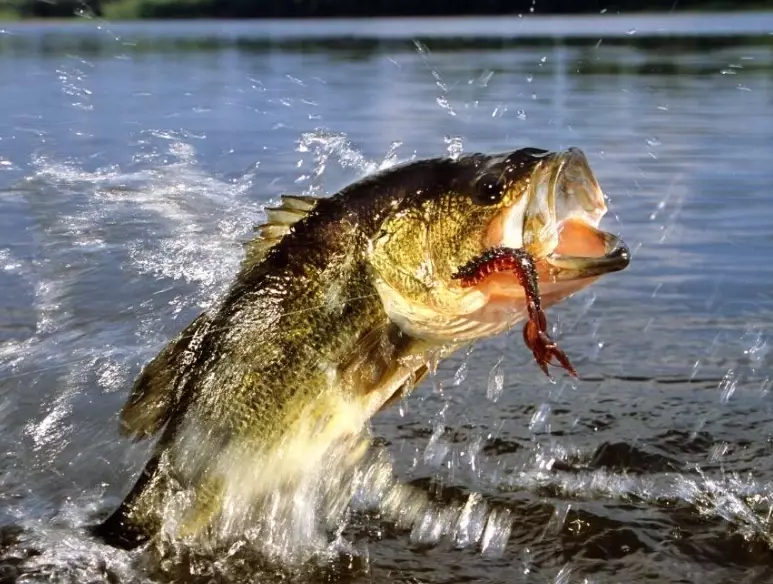
Topwater Lures
Nothing beats the visual thrill. Use these in low-light conditions (dawn, dusk, overcast) or over shallow cover in warmer months. A common mistake is working them too fast. Bass often follow a topwater; a sudden pause can trigger the strike.
- Frogs/Walking Baits: Ideal for heavy slop, lily pads, and matted vegetation. They're weedless. The key is a steady, rhythmic "walk-the-dog" retrieve over the thick stuff.
- Poppers/Chuggers: Great for open water near docks or standing timber. That "bloop" sound imitates a distressed baitfish. Let the rings settle after each pop.
Soft Plastic Baits
This is your bread and butter. They're versatile, cheap, and incredibly effective year-round. The action comes from you.
- Worms (Straight-tail, Ribbon-tail): Texas-rigged for weeds, Carolina-rigged for searching deeper water. Color matters less than you think—green pumpkin and black/blue are 80% of what you need.
- Craws/Creatures: Imitate crayfish, a bass staple. Hopped along the bottom near rocks or wood. In spring, they're deadly.
- Flukes/Swimbaits: Weightless and fished with a twitch-pause retrieve, they imitate a dying shad. Unbeatable around schooling bass or suspended fish.
Hard Baits
These lures have a built-in action. They're perfect for covering water quickly and reacting to what you see on your electronics.
- Crankbaits: Square-bills bump off wood and rock in 2-6 feet of water. Deep-divers target offshore structure. The bill deflects—that's the attraction.
- Spinnerbaits: A vibration monster for stained water or windy days. Colorado blades give more thump; willow blades flash and run faster. Slow-roll it just over weed tops.
- Jerkbaits: Suspending jerkbaits are a cold-water (45-65°F) secret weapon. The long pauses between sharp twigs mimic a stunned baitfish. Use a long, fluorocarbon leader.
Quick Reference: Lure Selection by Scenario
Struggling to decide? This table breaks down the go-to choices for common fishing situations.
| Fishing Scenario | Recommended Lure Type | Key Retrieve Tip |
|---|---|---|
| Thick Vegetation (Slop, Pads) | Weedless Frog, Texas-rigged Creature | Work steadily, don't stop in the open gaps. |
| Clear Water, Suspended Bass | Weightless Fluke, Jerkbait | Long pauses are critical. Watch your line for subtle ticks. |
| Stained/Muddy Water | Spinnerbait (Colorado blade), Lipless Crankbait | Use bright colors (chartreuse) and a slow, steady retrieve for vibration. |
| Deep Summer Structure (15+ ft) | Deep-diving Crankbait, Carolina Rig, Jig | Use your graph to find the fish first, then make repeated casts to the spot. |
| Cold Front (Post-frontal blues) | Finesse Worm on a Drop-shot, Small Jig | Downsize everything. Patience and a near-stationary presentation win. |
Where to Find Largemouth Bass: Reading the Water
You can have the perfect lure and technique, but if you're not casting where the bass live, you're just exercising. Bass are structure-oriented predators. They relate to anything that provides ambush points and access to deeper water. Looking at a lake, don't see flat water—see a topographic map.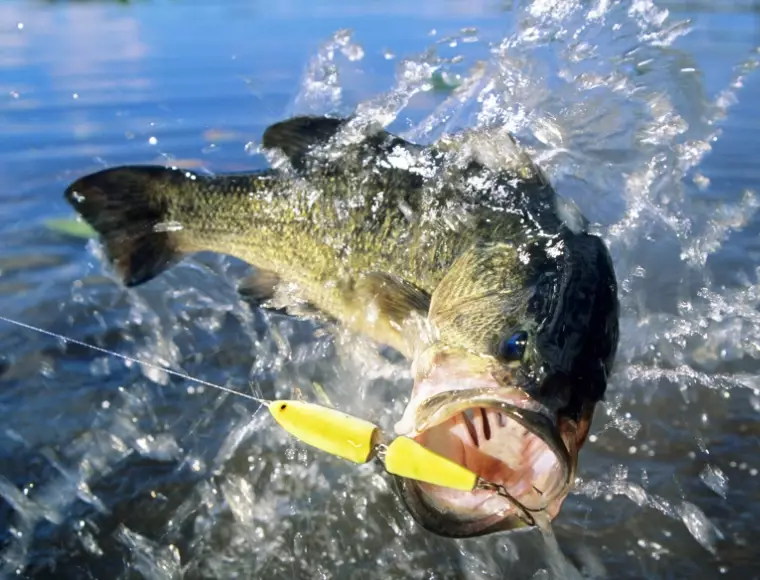
Weed Lines and Lily Pads
The edge where thick weeds meet open water is a highway for bass. They sit in the shade of the weeds, darting out to feed. Cast parallel to the weed line, not perpendicular into it. Pay special attention to points or pockets within the vegetation.
Submerged Timber and Brush Piles
Sunken trees and man-made brush piles are bass condos. The fish hold at different depths depending on the time of day and season. A jig or Texas-rigged worm pitched right into the thickest part often gets the reaction bite.
Points and Drop-offs
These are underwater highways connecting shallow feeding areas to deep water safety. Bass use them as travel routes. A point extending into the lake is always a good starting spot. Use a crankbait to run the length of the point, or a Carolina rig to crawl up and down the drop-off slope.
This is where modern fishing electronics like side-imaging sonar become game-changers. They allow you to see these structures—and often the fish themselves—in detail, turning guessing into targeting. Resources like the U.S. Fish and Wildlife Service's fisheries program data can also give you insights into specific lake habitats.
Essential Bass Fishing Techniques for Success
Technique is what brings a lifeless lure to life. It's the difference between a bass looking and a bass eating.
The Hop-and-Drop (Jig/Worm): Lift your rod tip to hop the bait off bottom, then let it fall on a semi-slack line. 90% of strikes happen on the fall. Watch your line for any slight jump or sideways movement—that's your cue to set the hook.
The Stop-and-Go (Crankbait/Spinnerbait): A steady retrieve gets follows; an erratic one gets bites. Every few cranks, pause your retrieve for a split second. This mimics an injured or confused baitfish. I've had bass hit a crankbait the moment it started moving again after a pause.
The Walk (Topwater): With a "walk-the-dog" bait, it's all about rod tip action, not reeling. Use short, sharp twitches of the rod tip while keeping a steady, moderate slack in your line. The bait should dart side-to-side in a zig-zag pattern. Resist the urge to set the hook at the splash. Wait until you feel the weight of the fish.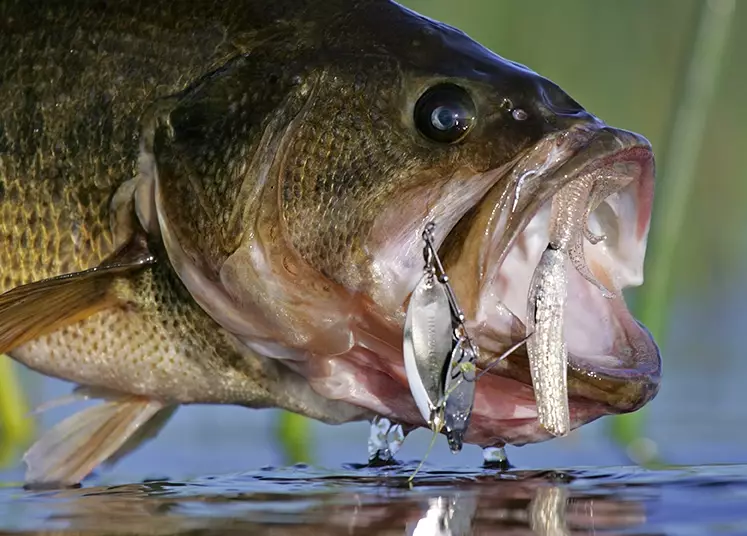
Seasonal Bass Fishing Strategies
Bass behavior changes dramatically with water temperature. Your approach must too.
Spring (Pre-spawn, Spawn): Fish move shallow to warm up and eventually spawn. Target protected bays with dark bottoms that warm first. Lipless crankbaits over grass flats and jigs around hard-bottom spawning beds are killers. Be mindful—this is a vulnerable time for bass. Consider catch-and-release to preserve the fishery.
Summer: Bass seek oxygen and cooler water. Early and late, hit the shallows with topwater or fast-moving baits. During the day, they're on deep structure—ledges, channel swings, and submerged humps. This is the time for your deep-diving crankbaits, heavy jigs, and fishing electronics to locate offshore schools.
Fall: The best fishing of the year for many. Bass feed aggressively to fatten up for winter. Shad move into creeks, and bass follow. Throw shad-imitating baits like spinnerbaits, jerkbaits, and swimbaits around points and creek mouths. The bite can be an all-day affair.
Winter: Slow down. Way down. Bass metabolism plummets. They'll be in the deepest, warmest water available, often suspending. A finesse presentation like a drop-shot rig or a small jigging spoon, worked painfully slow, is the ticket. It's not about numbers, but the quality of fish can be exceptional.
Common Bass Fishing Mistakes and How to Avoid Them
We've all made them. Here are the subtle ones that cost you fish.
Reeling Too Fast: Especially with reaction baits, we think faster is better. Often, it's the opposite. A slow-rolled spinnerbait or a crankbait ticking just above the bottom gives bass more time to decide and strike. If you're not occasionally getting snagged on the bottom, you're probably fishing too fast.
Ignoring Line Management: That old, sun-bleached monofilament from last season has memory and is weak. It costs you sensitivity and fish. Re-spool regularly. For bottom contact lures (jigs, worms), use fluorocarbon for its low visibility and sensitivity. For topwater or moving baits, braid or mono is fine.
Making Too Much Noise: Bass have a lateral line that detects vibrations. Slamming hatches, dropping tackle boxes, or even heavy footsteps in a boat can spook fish in shallow, clear water. Develop a quiet routine.
Leaving a Productive Spot Too Soon: You get a bite or catch one fish and move on. Big mistake. Bass are often schooled, especially around offshore structure or baitfish. Work the area thoroughly with different lures and angles. The first fish is a signal, not the prize.
How do I catch largemouth bass in muddy or stained water?
Why do bass sometimes bite my lure but I don't hook them?
What is the best time of day to catch largemouth bass?
Reader Comments