Forget having a tackle box that looks like a rainbow exploded. Catching bass consistently isn't about owning every color under the sun; it's about understanding the four foundational lure categories that cover 90% of fishing situations. I've watched too many anglers, myself included years ago, get paralyzed by choice at the water's edge. Let's cut through the noise. The right lure is the one that matches the bass's mood, the water conditions, and the available cover. Master these four types, and you'll outfish the guy with the $500 tackle bag every time.
What's Inside This Guide
Hard Baits: Crankbaits & Jerkbaits
These are your search lures. When you don't know where the bass are, a hard bait covering water is your best friend. They come with built-in actions and dive depths, taking a lot of the guesswork out of presentation.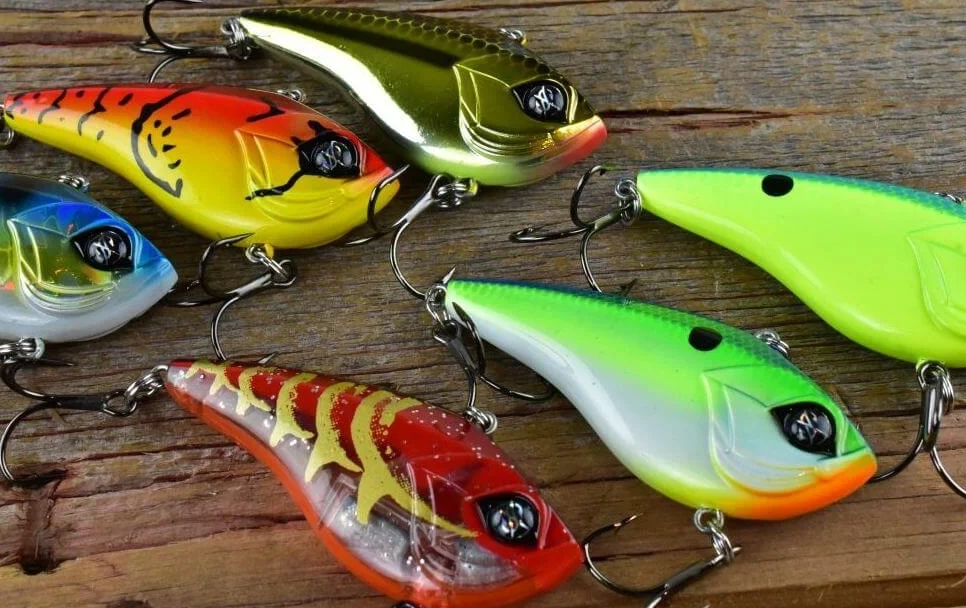
| Type | Best For | Key Trait | Go-To Example |
|---|---|---|---|
| Squarebill Crankbait | Shallow cover (wood, rocks | Deflects off obstacles, triggering strikes | Strike King KVD 1.5 (Sexy Shad color) |
| Lipless Crankbait | Grassy flats, suspended fish | Loud rattle, can be burned or yo-yo'd | Bill Lewis Rat-L-Trap (Chrome/Blue) |
| Deep Diver | Summer/Winter deep structure (10-20 ft) | Reaches deep fish with a wide wobble | Rapala DT-20 (Parrot color) |
| Jerkbait | Cold, clear water (40-60°F) | Suspends on pause, mimics dying baitfish | Megabass Vision 110 (Pro Blue) |
The biggest mistake I see? People reeling crankbaits at one speed. Vary it. Rip it, pause it, reel fast, reel slow. That erratic movement is what gets the fish that are just following to commit. A Rapala DT-6 cranked steadily might get ignored, but give it three sharp twitches and let it float up for a second, and that's often the trigger.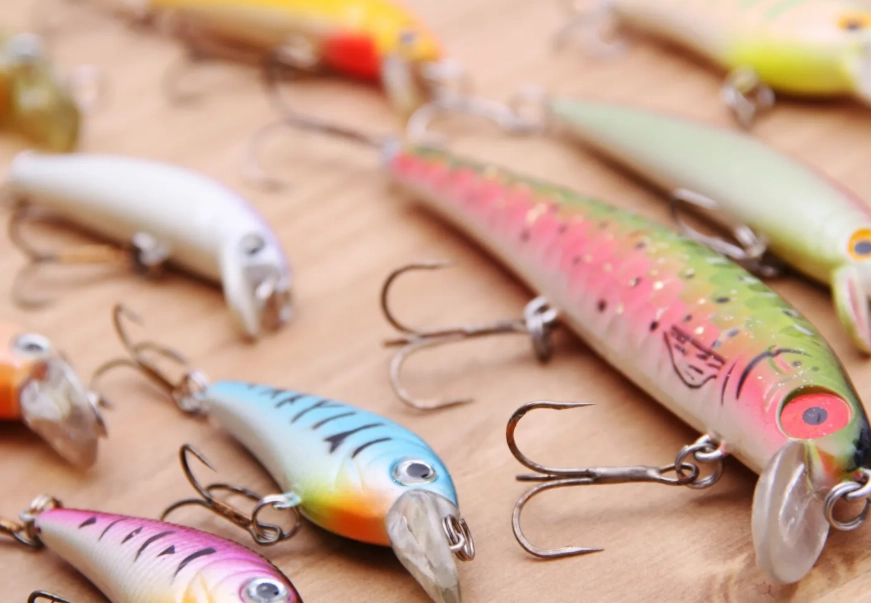
Spinnerbaits & Chatterbaits: The Vibration Machines
When the water's stained, muddy, or the bass are in heavy cover, you need vibration. These lures put out a thump you can feel in the rod handle, and the bass can sense it from yards away with their lateral line.
Spinnerbait Breakdown
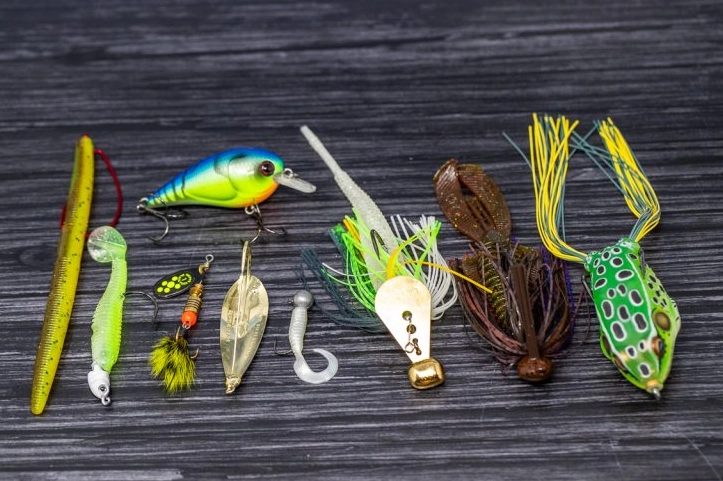
A 3/8 oz white spinnerbait is a desert-island lure. Colorado blades (round) give a slower, heavier thump for murky water or cold temps. Willow leaf blades (long) offer less resistance and more flash for clearer water or faster retrieves. I always keep one tied on when fishing new water—it's that reliable.
The Chatterbait Phenomenon
The bladed jig, or chatterbait, is a relatively recent innovation that's changed the game. It combines the vibration of a spinnerbait with the profile and trailer options of a jig. It's murderously effective around grass. The key is the trailer. A simple paddle-tail swimbait works, but a flapping craw trailer adds an extra layer of action that bass find irresistible. Z-Man's original ChatterBait with a Zako trailer is a classic combo for a reason.
Soft Plastics: The Finesse Kings
When the bite is tough, when the pressure is high, or when the fish have seen every hard bait in the catalog, you go finesse. This is where the real art of bass fishing lives.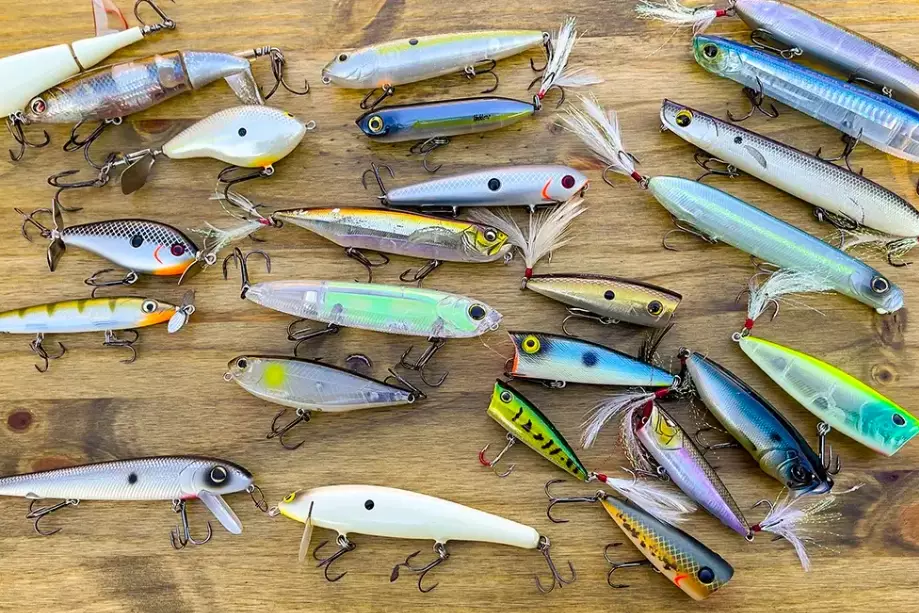
The Texas Rig is the ultimate utility player. It's weedless, can be hopped, dragged, or swam, and the plastic choice is endless. A 3/0 offset hook, a 3/16 oz bullet weight pegged or free-sliding, and a 7" green pumpkin worm. That's a setup that has caught millions of bass. But don't sleep on the Ned Rig. That little mushroom-head jig with a TRD plastic looks silly, but in clear, pressured water, it's a smallmouth slayer and will catch largemouth that won't touch anything else.
Plastic color is less about matching the hatch perfectly and more about contrast. Green pumpkin or watermelon for clear water. Black/blue or junebug for stained water. Keep it simple.
Topwater Lures: The Heart-Stoppers
Nothing in fishing beats a topwater strike. It's visual, violent, and addictive. But timing is everything. Low-light conditions—dawn, dusk, overcast days—are prime time.
- Popper: (Like a Rebel Pop-R) Best for calm water. The "pop-pause-pop" cadence imitates a struggling baitfish. Wait for the bubbles to clear after the blowup before you set the hook.
- Walking Bait: (Like a Zara Spook) The "walk-the-dog" side-to-side action drives bass crazy on slightly rippled water. Use a steady, rhythmic twitch of the rod tip. Don't rush it.
- Frog: A hollow-body frog over thick matted grass or lily pads is a specific, high-reward technique. You have to commit to fishing where others can't. Set the hook hard, twice, on a blowup. Their bony mouths are tough.
How to Choose Bass Lures Based on Conditions
This is the decision matrix I run through before my first cast. It's not perfect, but it gets me in the ballpark fast.
Water Temperature & Clarity: Cold/clear? Think slow and subtle: jerkbaits, finesse jigs, Ned rigs. Warm/stained? Go with vibration and sound: spinnerbaits, chatterbaits, lipless cranks.
Cover Type: Wood and rock? Squarebills and jigs. Grass? Chatterbaits, swim jigs, and weightless soft plastics. Open water? Crankbaits and jerkbaits to search.
Time of Day & Season: Pre-spawn, bass are shallow and aggressive—spinnerbaits, lipless cranks. Summer, they go deep or shade—deep cranks, Texas rigs, topwater at dawn. Fall, they chase baitfish—walking baits, swimbaits.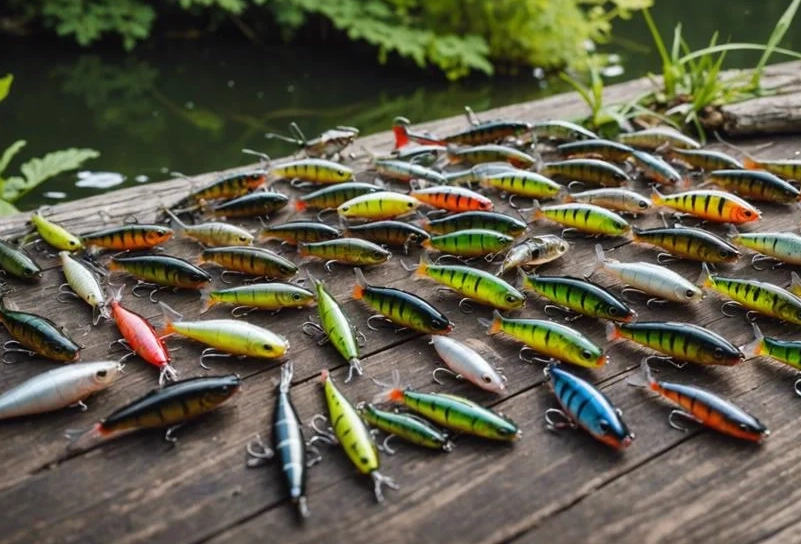
Next-Level Tips From the Back of the Boat
Here's the stuff you won't find on the lure package. After a decade of guiding and tournament fishing, these are the nuances that matter.
Most anglers overthink color and underthink size and speed. If they're short-striking your crankbait, it's often too big. Downsize. If they're following your spinnerbait but not eating, slow it down or speed it up drastically. The change in cadence triggers the strike.
Line matters more than you know. That fancy jerkbait won't suspend right with thick, buoyant line. Use 10-12 lb fluorocarbon. Your topwater needs stretch and float to keep hooks pinned—12-17 lb mono is perfect. Braid is great for sensitivity in heavy cover, but in clear water, add a fluorocarbon leader. The American Sportfishing Association has great resources on tackle basics, but it's a detail many ignore.
I was fishing a clear Texas lake once, throwing a sexy shad crankbait all day for one dink. Switched to a natural shad-colored one, same size, same action. Three casts later, a five-pounder. In clear water, realism often beats flash.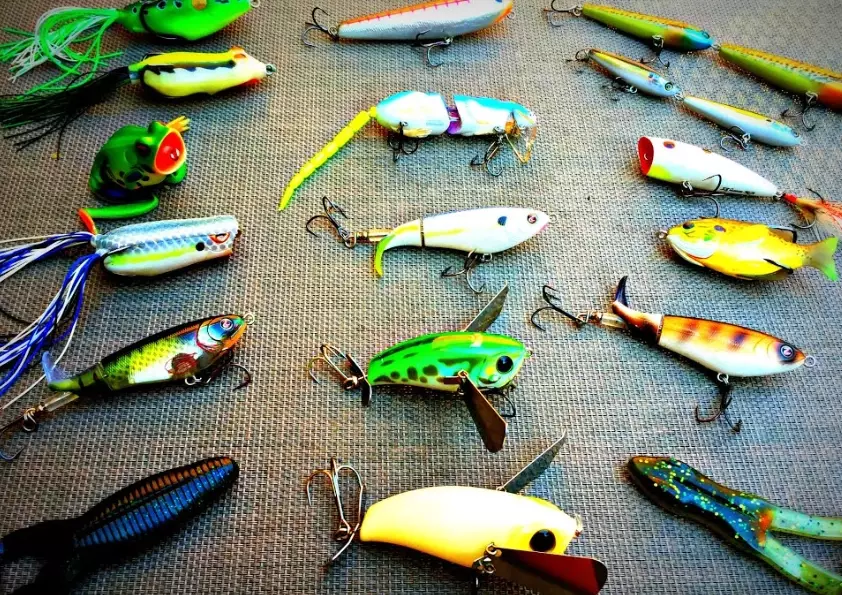
Reader Comments