What You'll Find in This Guide
I remember sitting on the bank of the Ohio River one evening, rod in hand, wondering how long to wait for a catfish bite. An hour passed, then two. Nothing. I almost packed up, but then I shifted my bait slightly—wham, a 20-pounder struck. That taught me: waiting isn't just about time; it's about strategy. If you're asking how long to wait, the short answer is: it varies wildly, from 5 minutes to several hours. But let's cut to the chase—your wait depends on things like time of day, bait, and location. I've spent over a decade catfishing across the U.S., and I'll share what really works to minimize that idle time.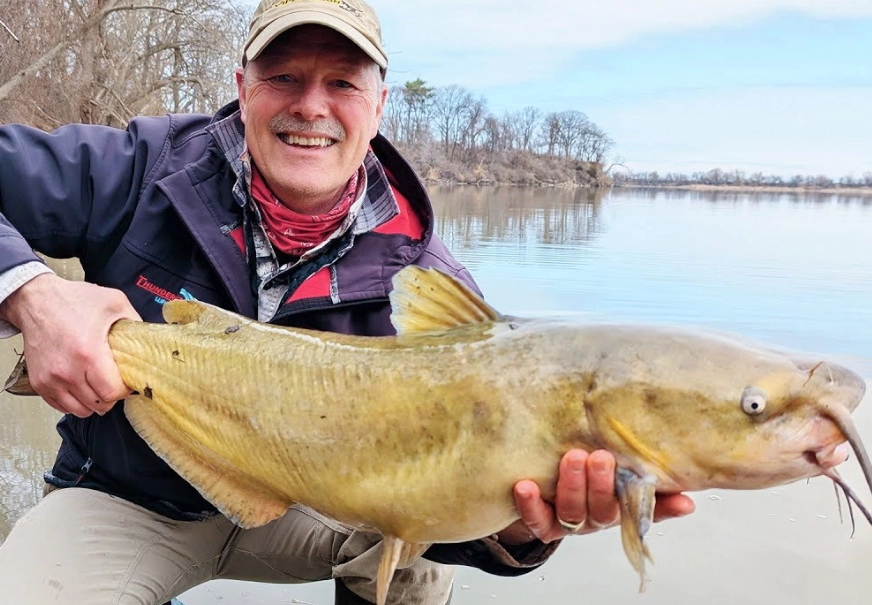
Key Factors That Influence Wait Time
Think of catfish as moody eaters. Their bite isn't random; it's tied to conditions. Here's what actually matters.
Time of Day and Season
Catfish are mostly nocturnal. I've seen bites spike at dusk and dawn. In summer, night fishing can cut wait time in half compared to midday. Winter? Forget it—catfish slow down, and you might wait hours for a nibble. Spring and fall are gold: active fish, shorter waits.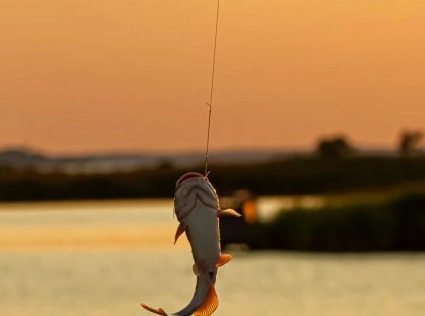
Water Temperature and Conditions
Water temp is huge. Catfish get frisky around 70-85°F. Below 50°F, they're sluggish. After a rain, rivers get murky, and catfish feed more aggressively—I've had bites within 15 minutes post-storm. Clear water? They're skittish; wait longer.
Bait Selection and Presentation
Bait choice is where most go wrong. Using chicken liver because everyone does? It falls apart too fast. Stink baits or live bait like shad often work better. Presentation matters too—keep bait near bottom where catfish roam.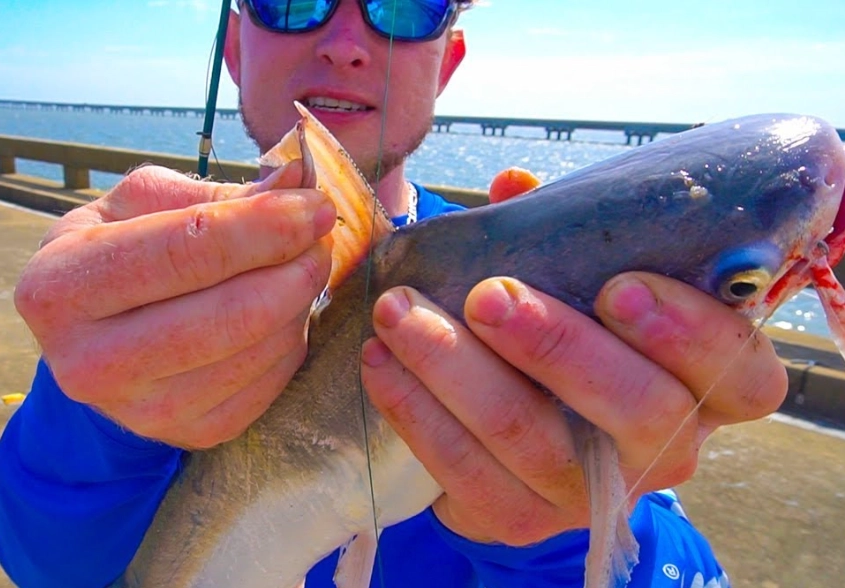
Location and Habitat
If you're not in a catfish hangout, you'll wait forever. Look for deep holes, submerged structures, or river bends. I once fished a barren stretch for hours with no bites; moving 100 yards to a log jam produced action in minutes.
Pro Tip: Don't just guess. Use a fish finder or local knowledge to pinpoint catfish hotspots. It saves time and frustration.
Proven Tactics to Reduce Waiting Time
Waiting less means catching more. Here are tactics that actually work.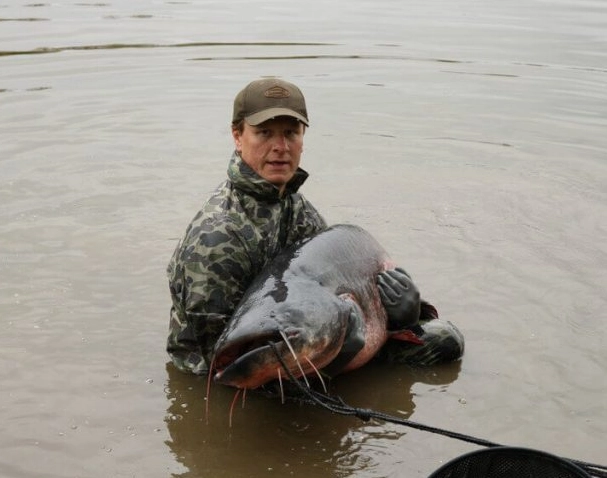
Choosing the Right Spot
Scout before you fish. Look for signs like baitfish activity or bird diving. In lakes, target drop-offs; in rivers, aim for current breaks. I keep a log of productive spots—revisiting them often shortens wait time.
Using Effective Baits
Match bait to catfish species. Channel catfish love stink baits; flatheads prefer live bait. Experiment. I've found cut shad outperforms worms in many cases. Freshness counts—old bait attracts fewer bites.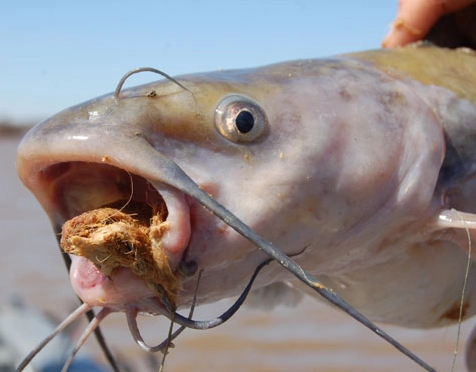
Techniques for Attracting Catfish
Chumming can lure catfish faster. Toss in some corn or dog food (where legal) to create a scent trail. Also, try rod movement—gentle twitches can trigger strikes. But avoid overdoing it; catfish are cautious.
Here's a quick table comparing baits and typical wait times based on my experience:
| Bait Type | Best For | Average Wait Time | Notes |
|---|---|---|---|
| Live Bluegill | Flathead Catfish | 20-40 minutes | Works well in rivers; requires handling |
| Stink Bait | Channel Catfish | 15-30 minutes | Strong scent; good for still water |
| Chicken Liver | Various | 30-60 minutes | Falls apart easily; less effective |
| Cut Shad | Blue Catfish | 10-25 minutes | Highly effective; messy to prepare |
Common Mistakes That Make You Wait Longer
I've seen anglers repeat errors that cost them bites. Avoid these.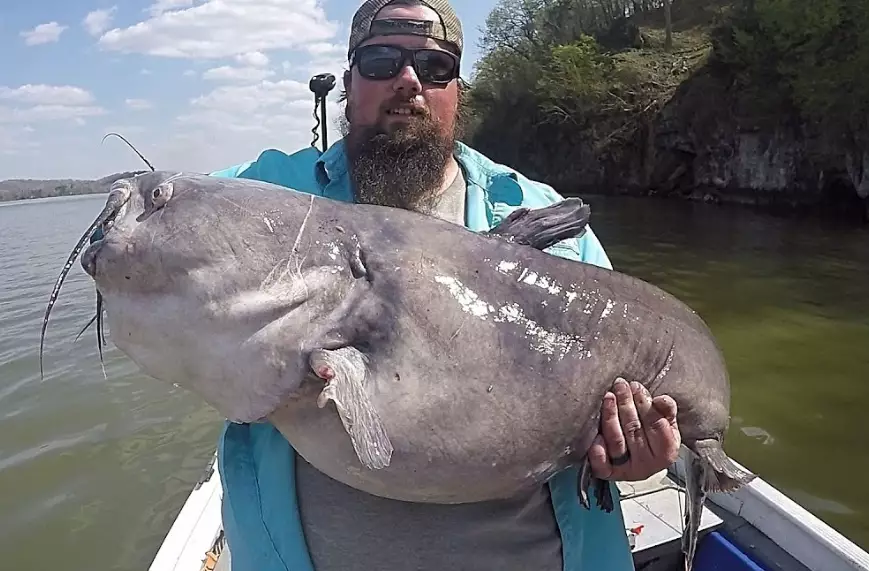
Using the wrong gear: Heavy line can spook catfish. I use 15-20 lb test for most situations. Lighter is often better.
Ignoring weather changes: A sudden cold front can shut down bites. Check forecasts; fish before fronts arrive.
Moving too often: Patience is key. I once left a spot after 20 minutes, only to see another angler land a catfish there 10 minutes later. Give each spot at least 45 minutes unless conditions are clearly poor.
Poor bait presentation: If bait isn't on bottom, you're wasting time. Use sinkers to keep it down. A Carolina rig works wonders.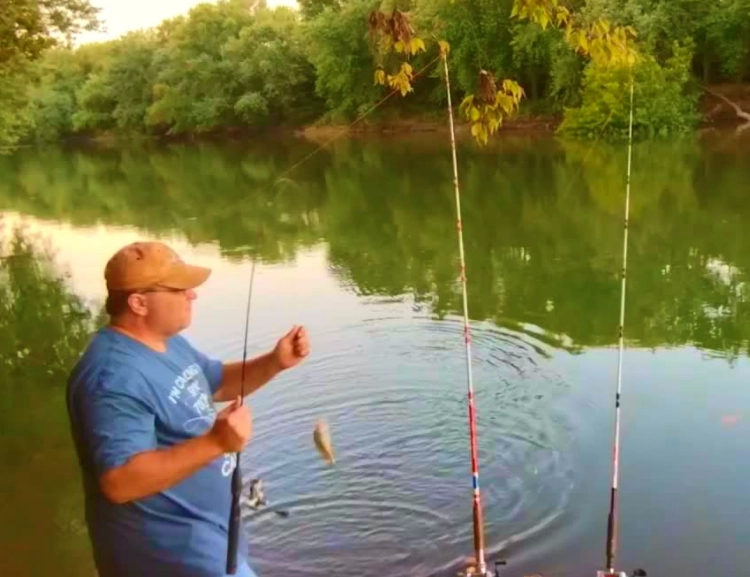
Let me share a personal blunder. Early in my catfishing days, I'd cast far out, thinking deeper water meant bigger fish. But catfish often feed near shore in evenings. I learned to adjust—wait times dropped when I fished closer to structure.
Your Catfish Bite Questions Answered
So, how long to wait for a catfish bite? It's not just about time; it's about smart fishing. By focusing on factors like location, bait, and timing, you can cut wait time significantly. Remember, catfishing is part skill, part patience. Use these insights, and you'll spend less time waiting and more time catching. Tight lines!
Reader Comments