So, you typed "what is catfish fishing called?" into Google. The simple, direct answer is... catfish fishing. It sounds almost too straightforward, right? But that's the beauty of it. The activity itself has a clear name, but within that world, things get wild. The specific techniques for catching these whiskered bottom-feeders have some of the most colorful, descriptive, and sometimes downright bizarre names in all of fishing. We're talking about noodling, jugging, trotlining, limblining, and more. If you're here because you want to understand not just the term, but the entire gritty, exciting, and deeply satisfying pursuit of catching catfish, you're in the right spot.
I've spent over a decade chasing catfish from the muddy banks of the Mississippi to the deep reservoirs of Texas. I've snapped rods on fish that felt like submerged logs, and I've had my hand bitten more than once while trying a method you'll read about below. This isn't just a list of facts; it's a guide from someone who's made the mistakes so you don't have to.
Quick Navigation: What You'll Learn
The Wild World of Catfish Fishing Methods
This is where the answer to "what is catfish fishing called" gets interesting. The general term is umbrella, and under it sit several distinct, named techniques. Choosing the right one depends on your target species, location, and frankly, your appetite for adventure.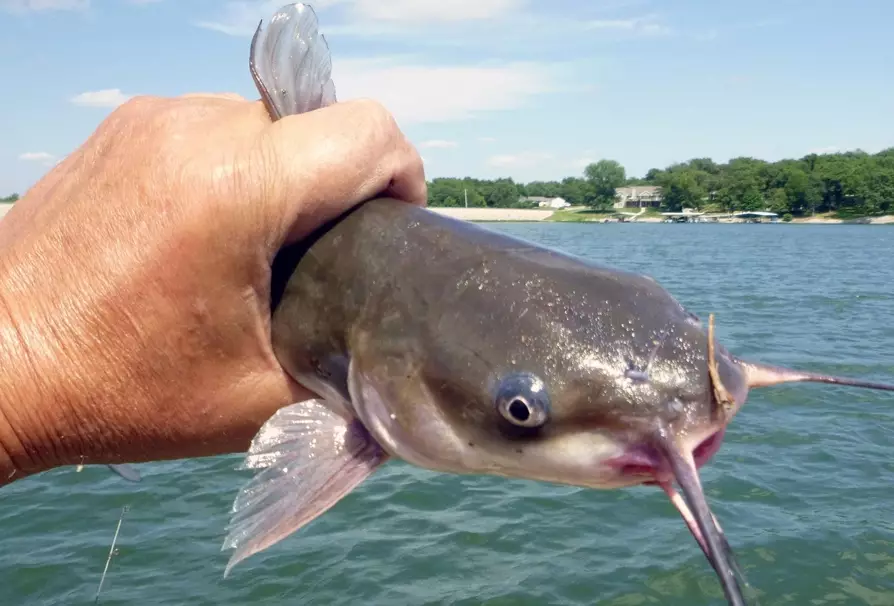
| Method Name | How It Works | Best For | Skill/Adventure Level |
|---|---|---|---|
| Noodling (Handfishing) | Using your bare hands as bait. You find a catfish hole (often in a submerged log or bank), reach in, let the fish bite your hand, and wrestle it out. | Large flathead catfish in rivers/lakes with suitable structure. | Extreme. Requires local knowledge, courage, and is heavily regulated. |
| Jug Fishing (Jugging) | Using floating jugs (like milk jugs) as drifting lines. You tie a baited hook and line to a jug, set dozens adrift, and follow them, grabbing them when a fish pulls them under. | Covering large areas of lakes or slow rivers for channel and blue cats. | Low to Medium. Great for groups, relaxing, and covering water. |
| Trotlining | A long main line (100+ ft) stretched across water, with multiple drop lines and hooks spaced every few feet. Anchored at both ends. | Fishing deep channels or river bends for high numbers of channel and blue catfish. | Medium. Requires setup time and a boat, but is incredibly effective. |
| Limblining (Bushlining) | Similar to a trotline, but the main line is a sturdy, overhanging tree branch. You tie several baited hooks directly to the limb over deep water. | Stealthy fishing in rivers with good tree cover, perfect for big flatheads. | Low. The simplest passive method, often used from shore. |
| Rod & Reel Fishing | The classic method. Casting or still-fishing with a rod, reel, and bait. | All species, all locations. The most versatile and common approach. | Beginner to Expert. Endless variations in technique. |
Most people start with rod and reel. It's accessible. But let me tell you about my first time seeing a jug line go down. It was on a placid lake at dusk. One of our bright orange jugs just... vanished. Not a slow dip, a violent submarine dive. The adrenaline rush of grabbing that line and feeling a 15-pound channel cat on the other end is something you don't get from just casting.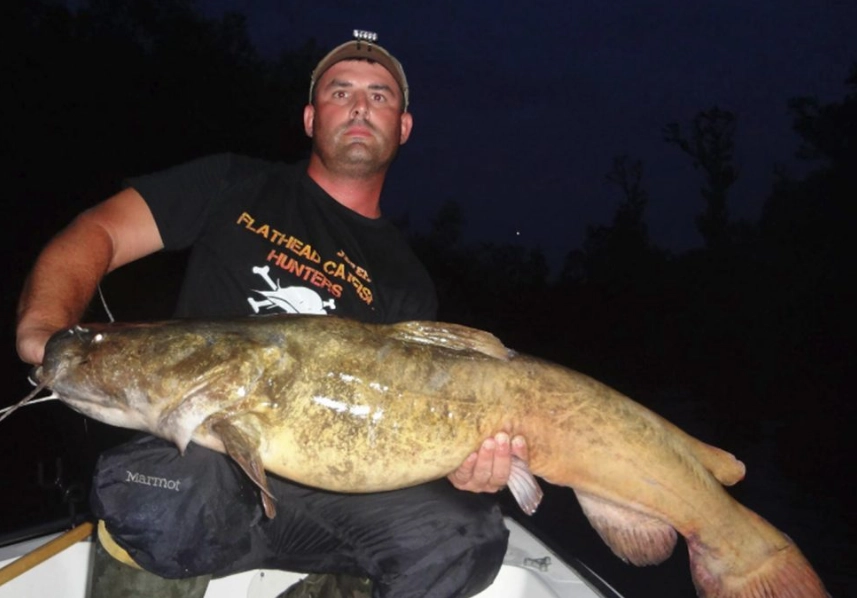
The Noodling Controversy (And Why It's Not For Everyone)
Noodling gets all the headlines. It looks insane on TV—and it kind of is. But here's the nuance most articles miss: it's not just sticking your hand in any old hole. You're looking for a specific, smooth-walled cavity, often created by the fish itself. You need to know how to identify a "catfish hole" versus a beaver den or, worse, a snapping turtle's home.
The biggest mistake aspiring noodlers make? Not having a dedicated "tail man." You need a partner to pull you out by your feet if the fish wedges you or something else goes wrong. It's as much about teamwork and safety as it is about bravery. And please, check your state laws. It's illegal in many places for good reason.
Gear Up: The Non-Negotiable Equipment
You can't talk about how to catch catfish without talking gear. Forget the flimsy stuff. Catfish fight dirty, using their weight and the bottom to their advantage.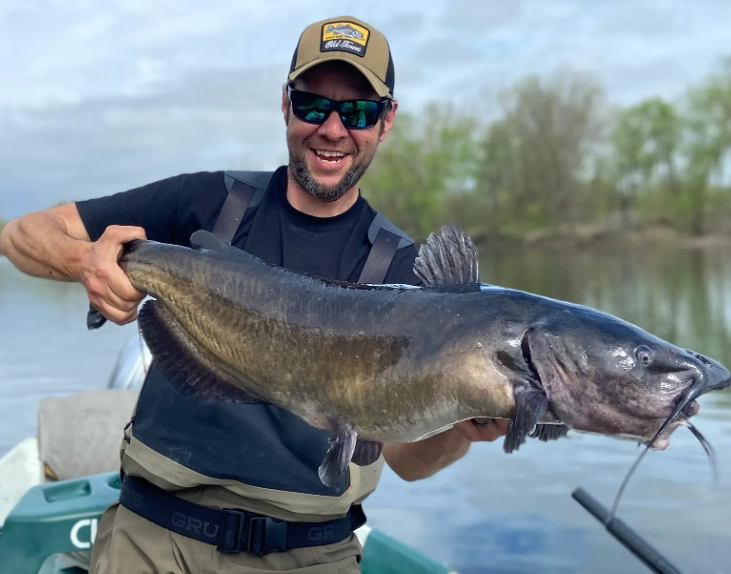
Rod & Reel Combo: For all-around fishing, a 7 to 8-foot medium-heavy power, fast action rod is your workhorse. Pair it with a 4000-5000 size spinning reel or a sturdy baitcasting reel. I lean towards spinning reels for beginners—they handle the heavy weights and mono/braid combos better when you're learning.
Line: This is where I see the most failures. For fish under 10 lbs, 15-20 lb monofilament is fine. For anything bigger, or if you're fishing around heavy cover, step up to 30-50 lb braided line. Its lack of stretch is crucial for setting the hook in deep water and muscling big fish away from snags.
Terminal Tackle:
Hooks: Circle hooks (size 5/0 to 8/0) are mandatory for live or cut bait. They hook the fish in the corner of the mouth almost every time, which is better for the fish and for you. For punch bait or stink bait, a treble hook on a spring-loaded feeder works.
Sinkers: No-roll sinkers or egg sinkers from 1/2 oz to 3 oz. Weight depends on current.
Swivels: Barrel swivels. Use them. They prevent line twist from a rolling catfish, which can ruin your day.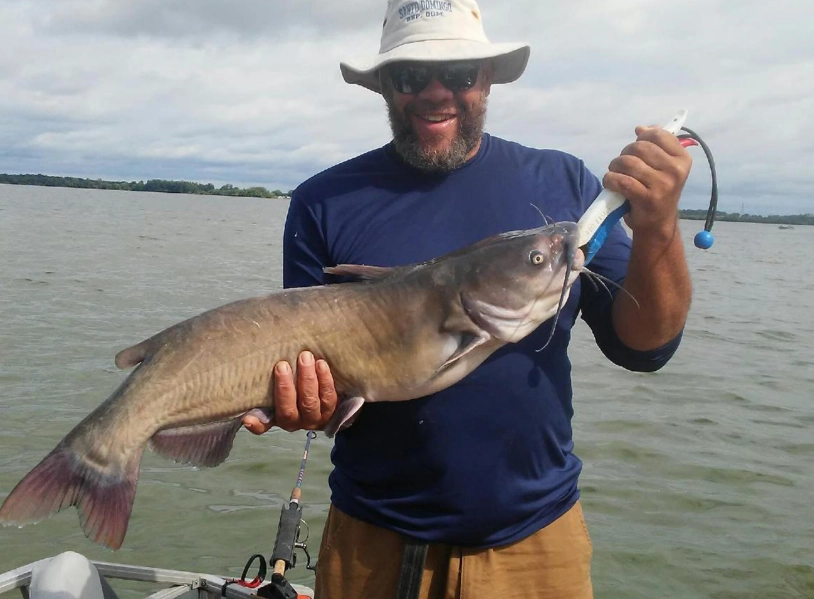
Bait Mastery - From Stink Bait to Live Bait
If gear is the body, bait is the soul of catfish fishing. Matching the bait to the species and conditions is an art.
Channel Catfish: The garbage disposals. They'll eat anything smelly. Commercial stink baits (like Magic Bait or CJ's) work well, especially on prepared treble hooks. But for bigger channels, you can't beat fresh cut bait—a chunk of shad, herring, or even bluegill.
Blue Catfish: Primarily predatory fish. They want meat. Whole live shad, large cut baits (half a pound or more of skipjack herring), or even live sunfish are the tickets for trophy blues.
Flathead Catfish: The pure predators. They almost exclusively eat live prey. A lively bluegill, green sunfish, or small carp in the 1/2 to 1-pound range is the ultimate flathead candy. Dead bait rarely works.
Here's a tip most won't tell you: the preparation of cut bait matters. Don't just hack a fish into cubes. For the best scent trail, cut diagonal strips that flutter in the current. The increased surface area releases more oils.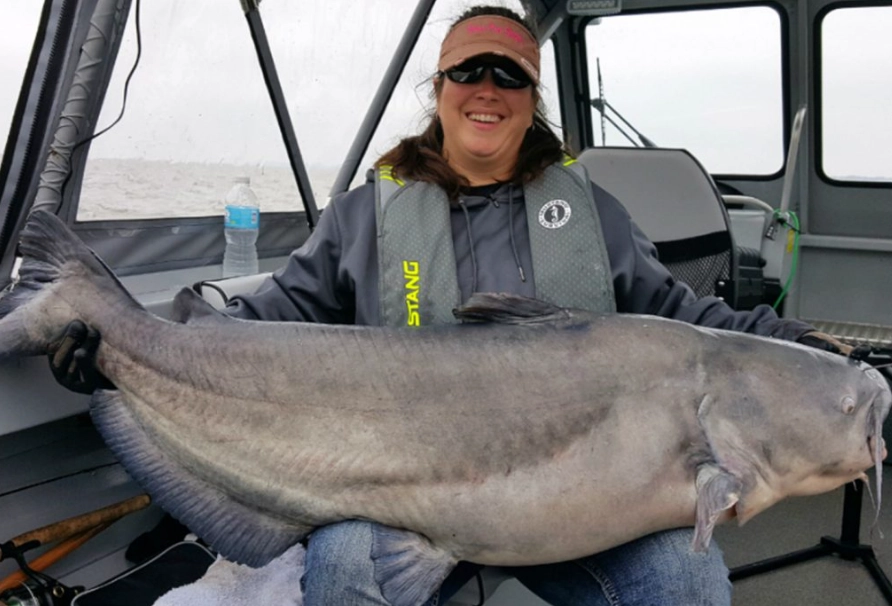
Finding Catfish: Location & Timing Secrets
You can have the best gear and bait, but if you're not in the right spot, you're just feeding turtles. Catfish location changes with season, time, and water conditions.
Spring: As water warms into the 50s and 60s (F), catfish move into shallow bays, tributary mouths, and flooded timber to feed and spawn. This is prime time for shore fishing.
Summer: The dog days push big cats deep. Target ledges, deep holes in river channels, the cool water below dams, and the shaded sides of underwater humps. Night fishing becomes incredibly productive as they move shallow to feed under cover of darkness.
Fall: A second feeding frenzy. They follow baitfish schools back into shallower water as temperatures drop. Focus on points and main lake flats adjacent to deep water.
Winter: Slow and deep. Find the deepest, slowest-moving water in the system. Your presentations need to be almost stationary. Bites are subtle but the fish can be huge.
Look for structure: submerged logs, rock piles, bridge pilings, and sharp drop-offs. Catfish use these as ambush points and resting areas. A good topographic map or fish finder is worth its weight in gold.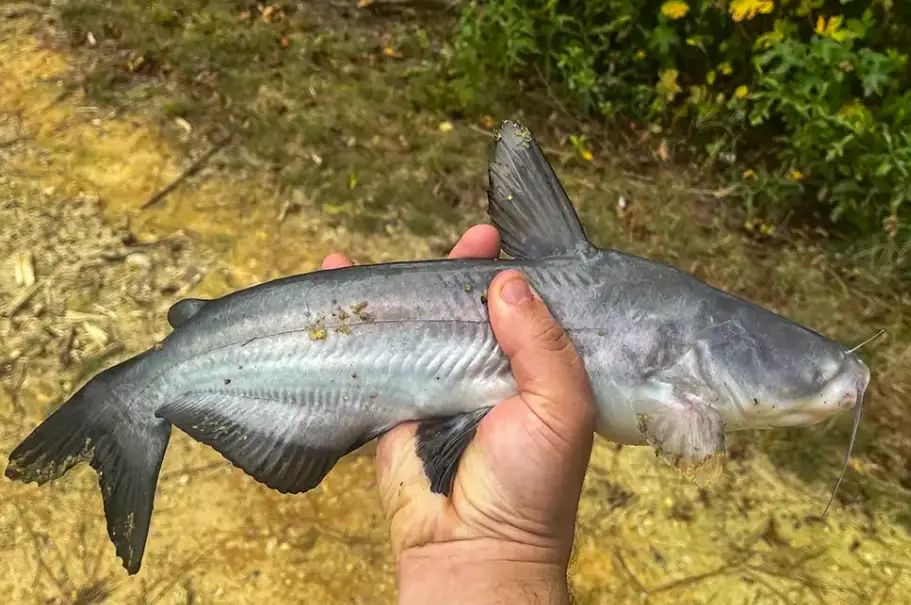
Pro Tactics Most Beginners Miss
After years on the water, you pick up things that aren't in the starter guides.
1. The "Swing" for River Fishing: In current, don't just let your sinker sit. Cast upstream at a 45-degree angle and let your rig "swing" down across the bottom until it settles directly below you. This covers more ground and presents the bait in a natural, drifting way.
2. Listening for Jug Lines: At night, you find your jugs by sound. Tie a small bell or even a few jingle bells to the jug's handle. When a fish hits, you'll hear the frantic ringing across the water. It's a game-changer.
3. Hook-Setting is Different: With circle hooks, do not jerk the rod. When you feel the steady pull of a catfish, simply start reeling and applying steady pressure. The hook will slide and set itself in the corner of the mouth. A hard jerk will often pull the bait right out.
4. Handling Big Cats: Never put your fingers in their mouth. Their sandpaper-like teeth and powerful jaws can do serious damage. Use lip grips or slide your hand over their head, pinning the pectoral fins (the stiff, sharp spines on their sides) back with your palm and fingers. It gives you solid control.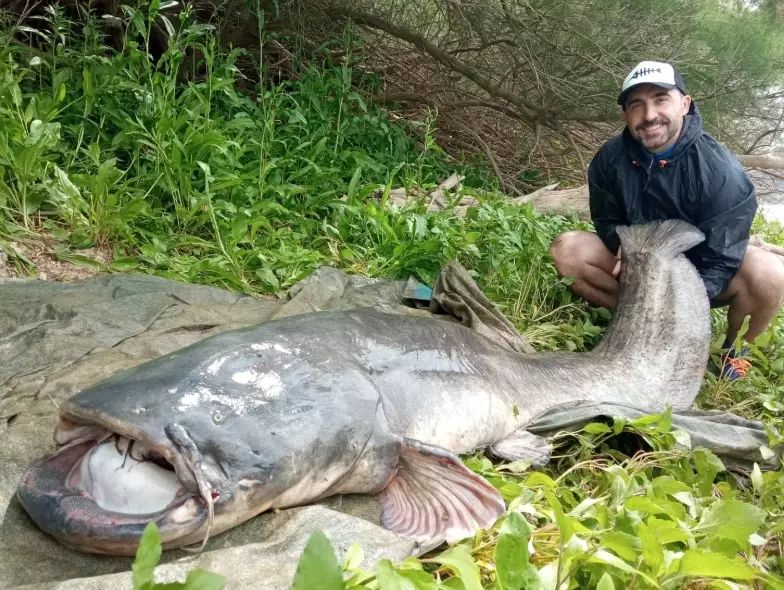
Your Catfish Fishing Questions Answered
So, what is catfish fishing called? It's an adventure with many names. Whether you're patiently waiting for a rod tip to bounce, chasing jugs across a lake, or (if you're brave) feeling for that powerful bite with your own hands, it's a pursuit that gets in your blood. Start with a solid rod, some fresh bait, and a spot on a river bend at sunset. You might just get hooked.
Reader Comments