Ask five catfish anglers for the best bait, and you'll get seven answers. Chicken liver, nightcrawlers, stink bait, hot dogs, shrimp, live bluegill... the list is endless. The truth is, "best" is a trap. It completely depends on what you're fishing for, where you're fishing, and when. A bait that slays channel cats in a farm pond might get ignored by a river monster flathead. After years of messy hands and full coolers, I've learned it's less about a single magic bait and more about matching your offering to the specific catfish on the menu.
Let's cut through the noise. We'll break down the top contenders, but more importantly, we'll talk about why they work and when to use them.
What's Inside This Guide
The Catfish Bait Breakdown: Natural vs. Prepared
Think of catfish baits in two camps: things that were once alive (natural) and things concocted in a factory or your kitchen (prepared). Both have their place.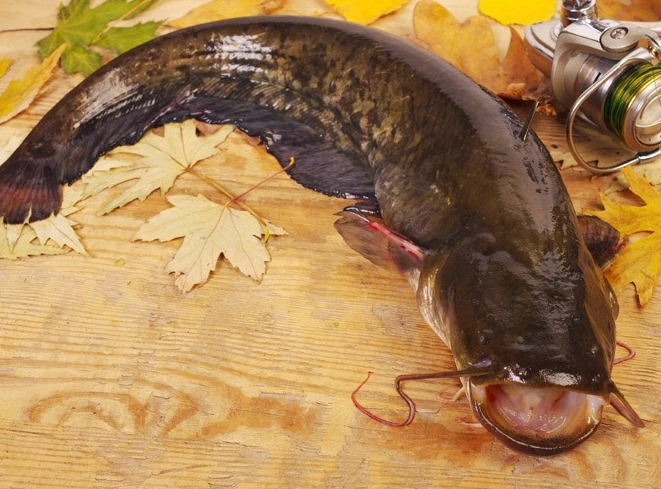
Natural Baits: The Classics That Never Fail
These baits work because they smell, taste, and look like what catfish evolved to eat. Their main drawback? They can be messy, tricky to keep on the hook, and sometimes hard to source.
Nightcrawlers (Earthworms): The universal starter bait. I tell every beginner to buy a carton of crawlers. They'll catch channel cats, bullheads, and even small flatheads and blues. The movement in the water is a big trigger. Hook them through the collar in a bunch for more scent.
Chicken Liver: The legendary stinky bait. It's cheap, puts out an oil slick of scent, and catfish adore it. But here's the brutal truth everyone glosses over: it's terrible to handle and falls off the hook if you look at it wrong. The key is to use it on a short cast, slack line rig, or use a mesh bait holder. For the love of all that's good, don't leave it in your summer trunk.
Cut Bait (Shad, Skipjack, Alewife): This is the secret weapon for big blue catfish and channel cats in river systems. You catch a small shad, cut it into chunks, and use the oily, bloody meat. The scent trail is immense. Resources like the Tennessee Wildlife Resources Agency notes on catfish biology highlight their reliance on forage fish. Fresh is best, but frozen can work in a pinch.
Live Bait (Sunfish, Shad, Crawfish): The undisputed champion for flathead catfish. Flatheads are predators; they want a struggling meal. A live bluegill or green sunfish (where legal) fished near a submerged logjam is flathead candy. It's a specialized approach, but for a trophy, it's often the only approach.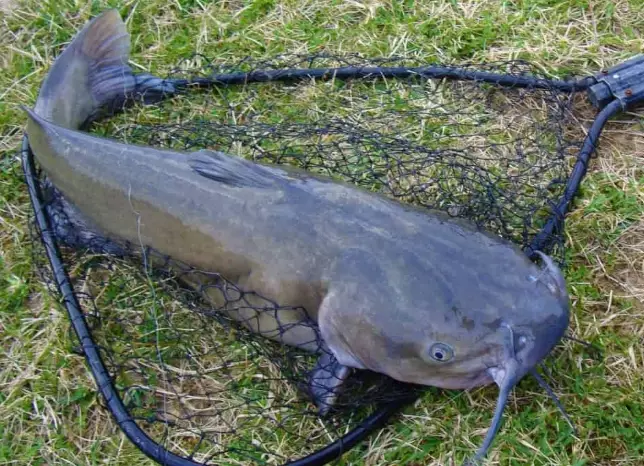
Prepared & Dough Baits: Convenience with a Punch
These are designed for one thing: releasing maximum scent. They're often easier for beginners to manage.
Commercial Dough & Punch Baits (Magic Bait, Catfish Charlie, etc.): These are the Play-Doh of catfishing. They're sticky, smell potent (cheese, blood, anise), and are molded onto a treble hook, often with a sponge. Fantastic for channel cats in still water. They cast well and last. The downside? They can be too pungent for some anglers' noses and aren't as effective for the largest, most wary fish.
Homemade Concoctions: This is where anglers get creative. Soaking hot dogs in strawberry Jell-O mix, fermenting cheese, making dough from cereal and blood. These can be incredibly effective and fun to experiment with. A report in *Field & Stream* has featured numerous successful homemade recipes over the years. The "best" one is usually the one you have confidence in.
| Bait Type | Best For | Pros | Cons | Hook/Rig Tip |
|---|---|---|---|---|
| Chicken Liver | Channel Cats, Bullheads | Cheap, strong scent | Falls apart easily, messy | Use a treble hook & thread, or mesh bag. |
| Cut Shad | Blue Catfish, Big Channels | Natural, oily, irresistible scent trail | Need to catch/buy baitfish first | Circle hook through a firm chunk. Slip sinker rig. |
| Live Bluegill | Flathead Catfish | Natural movement triggers strikes | Ethical/legal concerns, need livewell | Large circle hook behind dorsal fin. Heavy gear. |
| Dough/Punch Bait | Channel Cats (ponds/rivers) | Easy to use, casts well, long-lasting | Can be less effective for giants | Treble hook with sponge. Tight lines. |
| Nightcrawlers | All Species (Beginner Friendly) | Universal, easy to find/hook | Can attract smaller fish & turtles | Hook several on a wide-gap hook. |
How to Choose the Best Catfish Bait for Your Situation?
Stop looking for one perfect bait. Start asking better questions.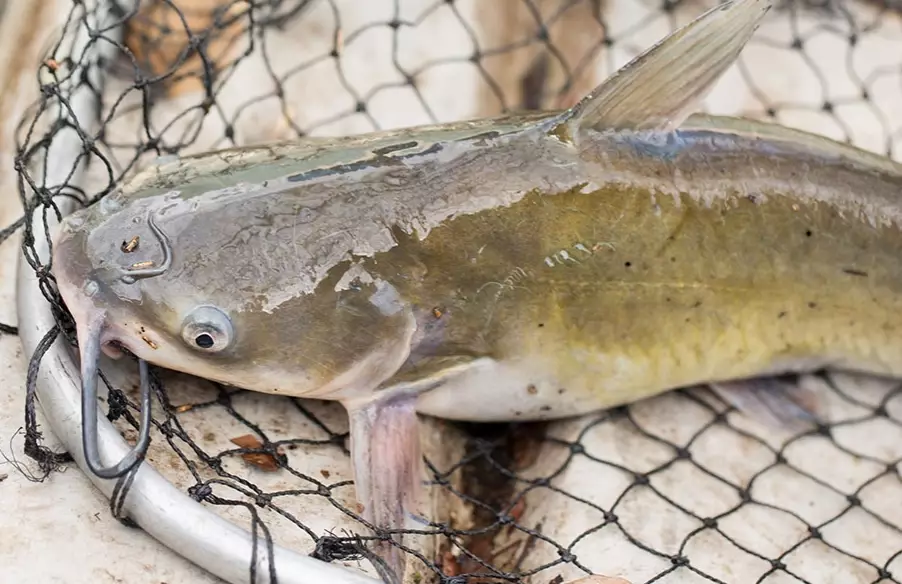
What species are you targeting? This is rule number one.
- Channel Catfish: The least picky. They'll eat anything smelly. Dough baits, liver, worms, shrimp, stinkbait. Perfect for beginners.
- Blue Catfish: Often big-river predators that follow scent trails. Fresh cut bait (shad, herring) is the top choice. Live shad or large chunks of skipjack are also deadly.
- Flathead Catfish: The pure predator. They rarely eat dead, smelly things. You need live baitfish (sunfish, carp, bullheads) or very fresh, lively cut bait. This is a game-changer many miss.
Where are you fishing? A windy reservoir point is different from a slow-moving creek.
In heavy current, you need a bait that stays on the hook—dough baits, cut bait on a circle hook, or a whole live bait. In a calm pond, delicate baits like liver work because you don't need to cast far.
What's the water temperature? Catfish metabolism changes with the seasons.
In cold water (spring/fall), they're slower. A smaller, easy meal like a worm or a small piece of cut bait might get more attention than a huge, struggling bluegill. In the summer heat, they're more active and aggressive, making big live baits or strong-smelling punch baits more effective.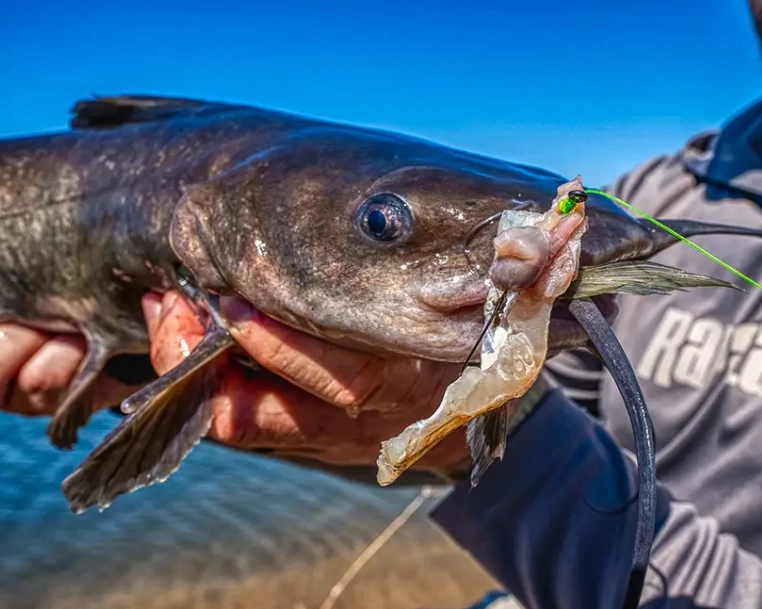
Quick Decision Guide: Going to a local pond with your kid? Grab nightcrawlers and some hot dogs. Fishing a big river from a boat for a personal best? Your cooler better have fresh-caught shad or a dozen live sunfish. It's that simple.
Beyond the Bait: Pro Tips for Actually Catching Fish
Bait is only half the equation. I've seen guys with the "perfect" bait get skunked while the old-timer with a weird concoction limits out. Why?
Presentation is everything. A catfish finds food by smell and taste, but also by feeling vibrations. Let your bait sit still on the bottom. A moving bait can seem unnatural. Use a sinker heavy enough to hold bottom but not so heavy it buries your bait in mud.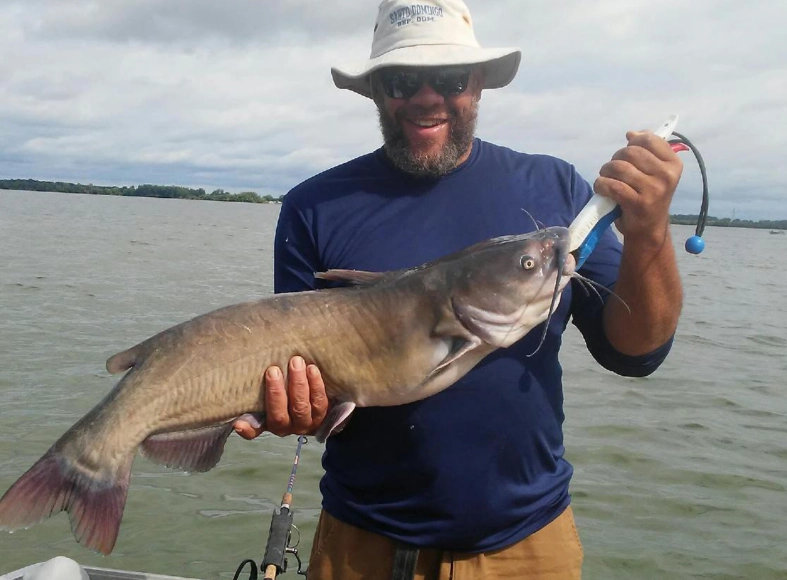
Sharp hooks. Catfish have tough, bony mouths. A dull hook won't penetrate. I check and sharpen my hooks every few hours, or after catching a fish or snagging bottom. It's a boring task that pays off big time.
Don't overcomplicate the rig. The classic Carolina rig (slip sinker above a swivel, then a leader to the hook) is 90% of what you need. It lets the fish pick up the bait without feeling the weight. For live bait, a simple bottom rig with an egg sinker works fine.
What Are the Best Catfish Fishing Techniques?
Technique ties directly to your bait choice.
Still Fishing (The Sit and Wait)
This is the most common method. You cast out your baited rig (usually a slip sinker rig) and wait. Ideal for dough baits, cut bait, and liver. The key is patience and finding the right spot—near drop-offs, creek channels, or submerged structure. Use rod holders and wait for that rod tip to bounce.
Drift Fishing
From a boat, you let the wind or current slowly move you along while your bait drags the bottom. This is phenomenal for covering water and finding active fish, especially with cut bait. You're essentially trolling a natural scent trail along the bottom.
Juglining or Trotlining
Passive techniques using multiple baited lines. These are highly effective where legal and allow you to fish many spots at once. They're perfect for using large amounts of bait like cut shad or live baitfish. Always check local regulations first.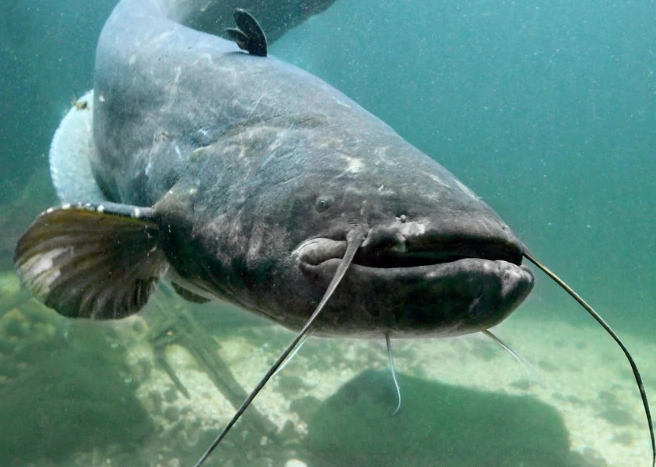
Common Mistakes Even Experienced Anglers Make
I've made all of these. Learn from my messy errors.
Using stale bait. That frozen shrimp from last season or the chicken liver that's turned gray? Toss it. Catfish have incredible olfactory senses. They know the difference between fresh and rotten. Fresh bait catches more fish, period.
Setting the hook too fast. This is the big one. Catfish, especially bigger ones, often mouth the bait before committing. You see the rod tip tap, tap... wait. Let them take it, turn, and start swimming away. Then lean into them with a steady pull. Setting the hook on the first nibble pulls the bait right out of their mouth.
Ignoring the moon and weather. Catfish feed heavily before a front moves in. Night fishing around a full or new moon can be explosive, especially in summer. I plan my big trips around these cycles now.
Local Knowledge Trumps Everything: The single best tip? Talk to the bait shop guy near where you're fishing. Ask, "What's been working this week?" He sells what the locals are buying to catch fish. Buying a dozen minnows and getting that info is worth triple the bait's price.
Your Catfish Bait Questions Answered
The search for the best catfish bait isn't about finding a single answer. It's about building a toolkit. Have nightcrawlers for versatility, some cut bait for big-water blues, and maybe a jar of punch bait for lazy pond days. Understand the fish you're after, and match your bait to the moment. Now get out there, get your hands dirty, and bend your rod. The tug is the drug, and the right bait is what delivers it.
Reader Comments