Let's cut through the noise. The best way to catch catfish isn't a single secret bait or a magical spot. It's a system. It's understanding that a channel cat, a blue cat, and a flathead catfish are as different as bass, trout, and pike. I learned this the hard way, spending years tossing chicken liver into ponds and wondering why the giants eluded me. The real answer lies in matching your approach to the specific catfish, the water you're on, and the time of year.
This guide is what I wish I had when I started. We'll move beyond basics and into the details that separate a few bites from a loaded cooler.
Quick Guide: What You'll Learn
Know Your Target: Catfish Species & Habits
If you're just fishing for "catfish," you're already behind. Each major species has a distinct personality and preference.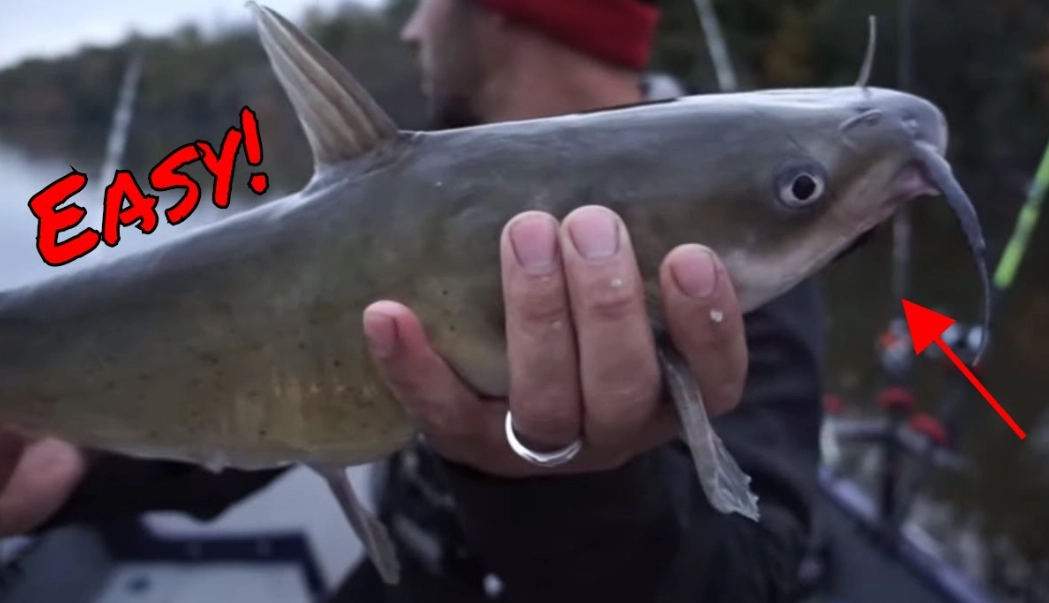
Channel Catfish are the opportunists. They thrive in lakes, rivers, and ponds. They have a superb sense of smell and taste, making them suckers for stinky baits. They're more active feeders than the others, often biting throughout the day, especially in stained water.
Blue Catfish are the powerful nomads. Primarily river dwellers, they follow baitfish schools and love deep, moving water. They grow enormous—state records are often blues. They eat both live and cut bait but have a particular weakness for fresh cut shad or skipjack herring.
Flathead Catfish are the solitary predators. They almost exclusively eat live fish. Find them in deep, woody cover or undercut banks in rivers. They're nocturnal and incredibly structure-oriented. You don't find flatheads by accident; you hunt them.
Essential Gear: Rods, Reels, and Terminal Tackle
You don't need a $500 combo, but you do need the right tool for the job. A bass rod will fail you on a 40-pound blue cat.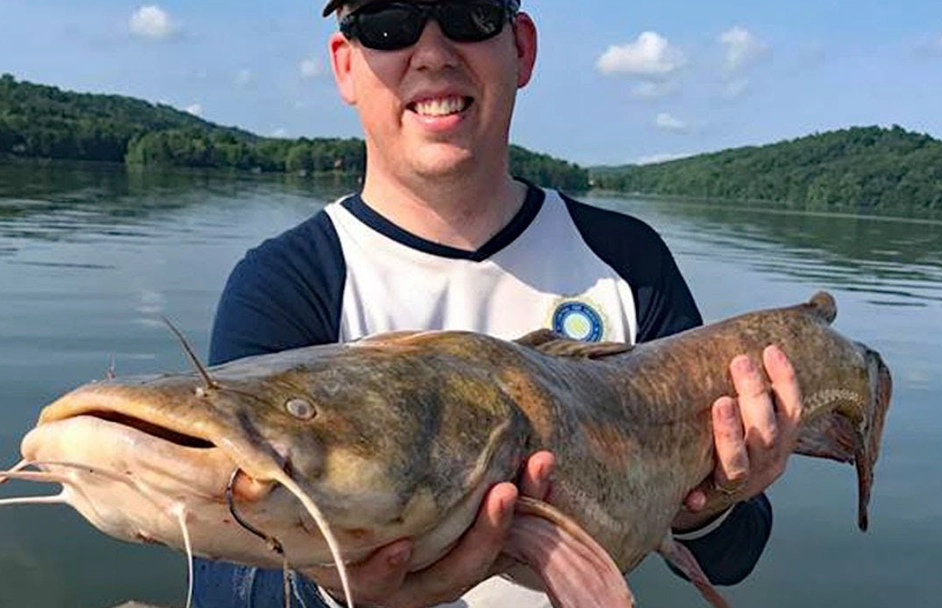
The Rod and Reel Combo
For all-around channel and blue cat fishing, a 7 to 8-foot medium-heavy to heavy power rod is perfect. It needs enough backbone to set a circle hook at a distance and lift a big fish. Look for a moderate-fast action—the slight bend helps keep tension on head-shaking cats.
Pair it with a 4000-6000 size spinning reel or a sturdy baitcasting reel. The drag is critical. It must be smooth, not sticky. A herky-jerky drag will pop your line on a big run. I've had great luck with reels from Penn and Shimano for durability.
For flatheads or trophy blues where you're casting heavy live bait, step up to a heavy power rod and a larger baitcaster with a high line capacity.
Line and Hooks: Where the Fight is Won or Lost
Line choice is a silent game-changer. Braided line (30-50 lb test) is my mainline for almost everything. It has no stretch, so you feel subtle bites and set hooks decisively. Its thin diameter also cuts through current better.
But here's the key: Always use a fluorocarbon leader. Braid is visible. In clear water, a direct braid-to-hook connection can spook fish. A 18-36 inch leader of 20-40 lb fluorocarbon is nearly invisible and provides abrasion resistance against rocks and catfish sandpaper mouths.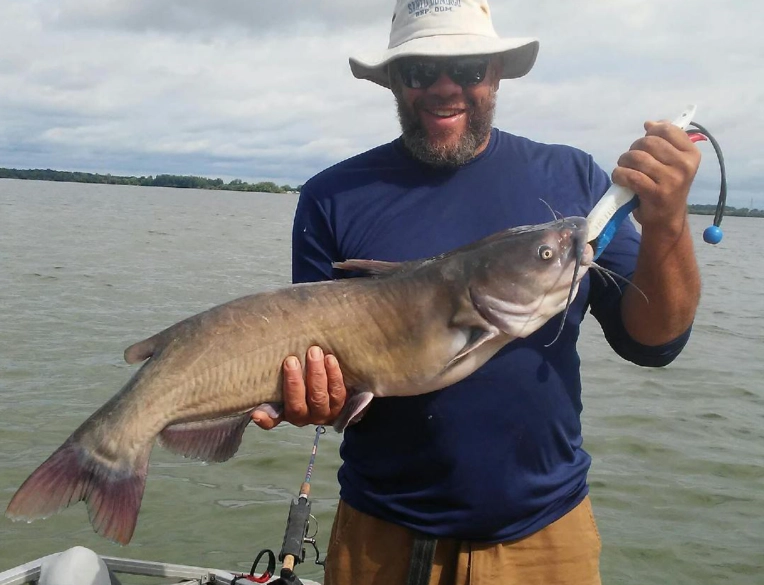
Hooks? For most bait fishing, circle hooks are the law. They result in almost 100% jaw-hooking, which is better for fish survival if you're practicing catch and release. You don't "set" a circle hook. Just reel steadily when you feel weight. Size 5/0 to 8/0 covers most scenarios. For live bait for flatheads, a strong Kahle or octopus hook in a similar size works.
| Target / Scenario | Recommended Rod Power | Main Line | Leader | Hook Type & Size |
|---|---|---|---|---|
| Channel Cats (Lakes/Ponds) | Medium-Heavy | 20-30 lb Braid | 15-25 lb Fluorocarbon | Circle Hook, 3/0-5/0 |
| Blue Cats (Rivers) | Heavy | 40-50 lb Braid | 30-40 lb Fluorocarbon | Circle Hook, 5/0-8/0 |
| Flathead Cats (Live Bait) | Heavy / Extra-Heavy | 50-65 lb Braid | 40-60 lb Fluorocarbon | Kahle Hook, 7/0-10/0 |
| All-Around / Beginner Setup | Medium-Heavy | 30 lb Braid | 20 lb Fluorocarbon | Circle Hook, 5/0 |
Top Baits and Rigging Techniques That Work
Bait is where passion lies. Let's break down what actually works, moving beyond the grocery store.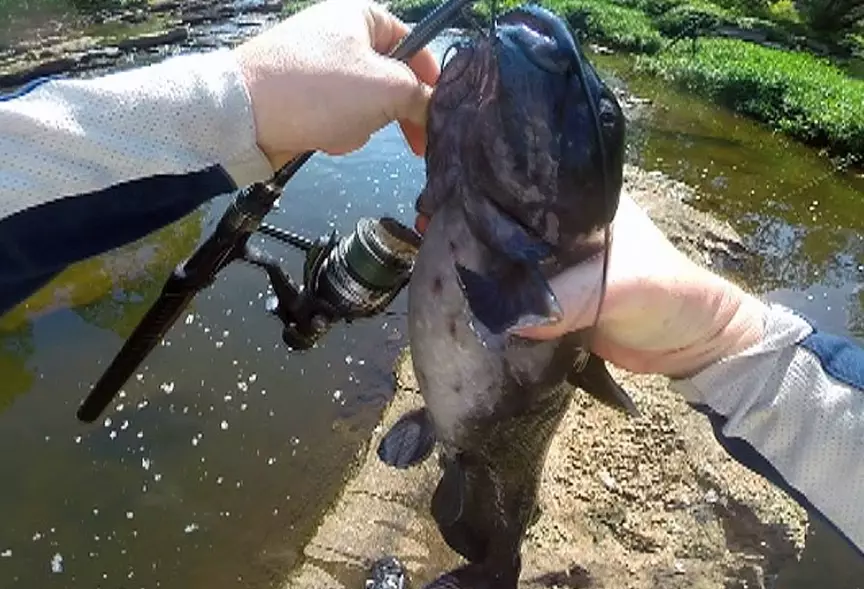
Natural Baits: The Heavy Hitters
- Cut Bait (Shad, Herring, Skipjack): The #1 bait for channel and blue cats in many regions. Fresh is best. Frozen works. The oil and scent trail are irresistible. Cut a 2-3 inch chunk from the side of the fish.
- Live Bait (Sunfish, Shad, Goldfish): Mandatory for flatheads. A lively 6-10 inch bluegill is a perfect meal. For big blues, a large live shad can be deadly.
- Nightcrawlers & Dip Baits: Still fantastic for channel cats, especially smaller to medium-sized fish. A gob of nightcrawlers on a treble hook fished near dam spillways or creek mouths is a classic for a reason.
The Santee Cooper Rig & The Slip Sinker Rig
Two rigs dominate serious catfishing.
The Slip Sinker Rig (Fish-Finder Rig) is the most natural presentation. The sinker slides on the main line above a swivel, so a fish can pick up the bait without feeling weight. Use an egg sinker or no-roll sinker. This is my default rig for most bottom fishing with cut bait.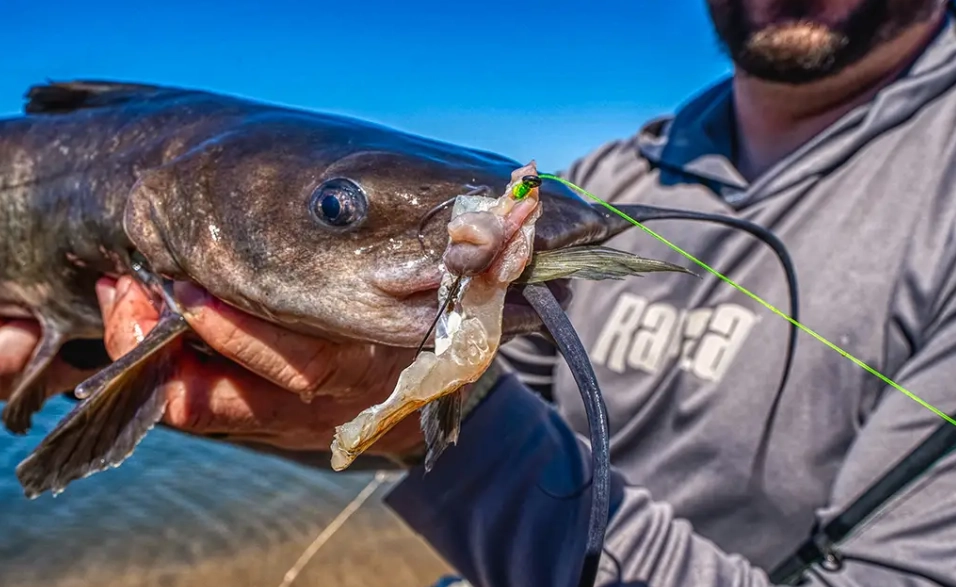
The Santee Cooper Rig is a float rig that suspends your bait 1-3 feet off the bottom. This is brilliant in weedy areas or when cats are suspended. It keeps your bait visible and away from bottom debris. It's surprisingly underused and can outfish bottom rigs on tough days.
When and Where: Finding Catfish Consistently
Location trumps almost everything. You can have the perfect bait and rig, but if you're not where the cats are, you're just soaking bait.
Reading the Water
Catfish relate to three things: food, oxygen, and cover/confort from current.
In Rivers: Focus on current breaks. The downstream side of a bridge piling, the inside seam of a bend where the current slows, the eddy behind a wing dam or large rock. Outside bends with deep holes are prime holding areas. In summer, target the deep, cooler holes near the main channel. In spring, they'll move into shallower tributary mouths to feed and spawn.
In Lakes and Reservoirs: Find the old river channel. Catfish use these underwater highways. Points that drop into the channel, humps near the channel, and the mouths of major creeks are all high-percentage spots. Don't ignore riprap (rock walls) especially after dark—they hold crayfish and baitfish.
The Time Factor
Catfish, especially larger ones, are often nocturnal. The hours from dusk to dawn are prime time. Low-light periods like dawn, dusk, and overcast days are also excellent. However, in stained or muddy water, or for channel cats, don't be afraid to fish during the day, especially around major structural elements.
Barometric pressure matters more than many think. A slowly falling barometer (before a front) often triggers a feeding binge. The dead high pressure after a front passes can make fishing very tough.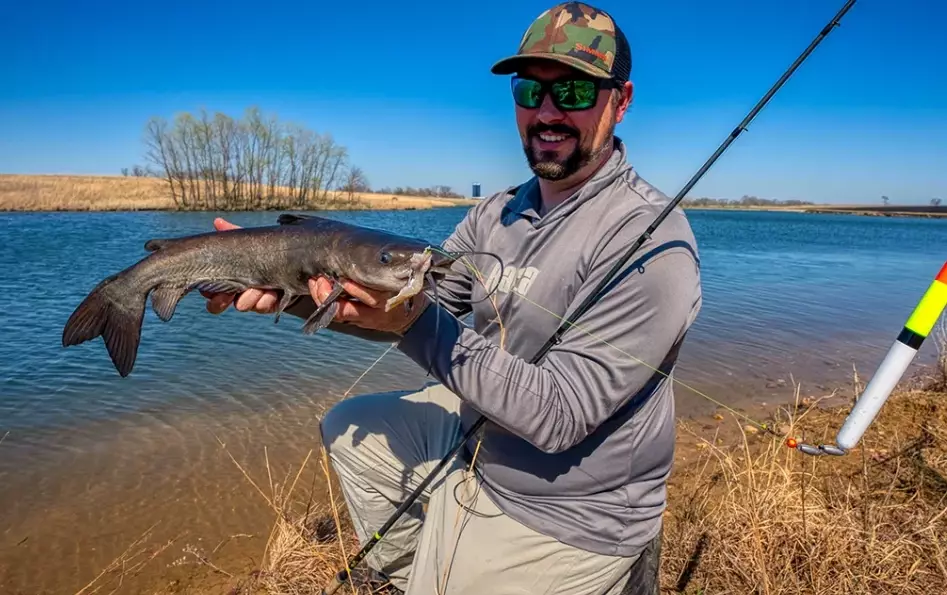
Common Mistakes and Expert Refinements
After decades on the water, here are the subtle errors I see anglers make repeatedly.
Over-scenting. More scent is not always better. Dumping a whole bottle of attractant on your bait can create an unnatural, chemical-smelling cloud that repels fish. A light coating is enough. The natural scent of fresh cut bait is usually superior.
Setting the hook like a bass fisherman. With circle hooks, this is a disaster. You'll rip the hook right out of the fish's mouth. When you get a bite, let the rod load up. Point the rod at the fish, reel down until you feel solid weight, then just start reeling with steady pressure. The hook will find the corner of the jaw.
Ignoring water temperature. Catfish are cold-blooded. Their metabolism slows in cold water. In early spring or late fall, downsize your bait and slow your presentation. A huge chunk of cut bait might be ignored, while a small piece of nightcrawler or a thin strip of bait gets eaten.
Not having a plan for the big one. Do you have a net big enough? A good lip grip? Are your knots tested? The moment a giant catfish bites is not the time to figure this out. I lost a potential personal best because my net was too small and I panicked. Be prepared.
Your Catfishing Questions Answered
The best way to catch catfish is to stop thinking of them as a single, simple fish. Approach them with the same respect and strategy you would any other prized gamefish. Understand their species-specific habits, equip yourself properly, present your bait naturally in the right places, and avoid the common pitfalls. It's a puzzle, and when the pieces click—when that rod tip nods over and your drag starts singing—there's nothing quite like it. Now get out there and put some bend in your rod.
Reader Comments