Let's be honest. You've probably read a dozen articles telling you to use chicken liver and wait for a bite. If that's working for you, great. But if you're staring at a motionless rod while the guy down the shore keeps pulling in channel cats, you're missing the real game. Lake catfish fishing isn't about luck; it's about understanding a predator's world. I've spent more nights than I can count on lakes from the Great Lakes down to the reservoirs of Texas, and the patterns hold true. This isn't about complicated theories. It's about what actually gets fish in the boat, or on the bank.
Your Lake Catfish Fishing Cheat Sheet
- Know Your Target: The Three Main Lake Catfish
- Gear You Actually Need (No Fluff)
- Bait, Debunked: What Really Works
- Finding the Fish: Reading the Lake
- Presentation & Tactics That Trigger Strikes
- 3 Common Mistakes That Cost You Catfish
- Seasonal Strategies: Spring, Summer, Fall, Winter
- Handling & Cooking Your Catch
- Quick Answers to Your Burning Questions
Know Your Target: The Three Main Lake Catfish
You wouldn't hunt deer and elk the same way. Don't fish for different catfish the same way. Lakes typically hold three main species, and each has a personality.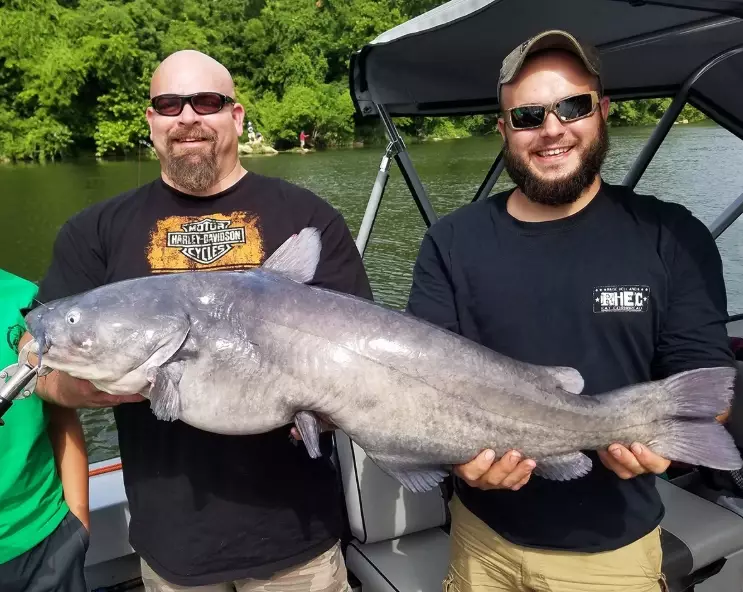
| Species | Key Identifying Features | Typical Lake Habitat | Feeding Style |
|---|---|---|---|
| Channel Catfish | Forked tail, scattered black spots (on juveniles), rounded anal fin. | Most adaptable. Likes current near dams/inflows, deep holes, submerged timber. | Primarily scent feeder. Opportunistic scavenger and predator. |
| Blue Catfish | Forked tail, no spots as an adult, straight-edged anal fin (like a barber's comb). | Prefers main lake channels, deep river bends within the lake, tailraces below dams. | Active predator. Often hunts schools of baitfish in open water. |
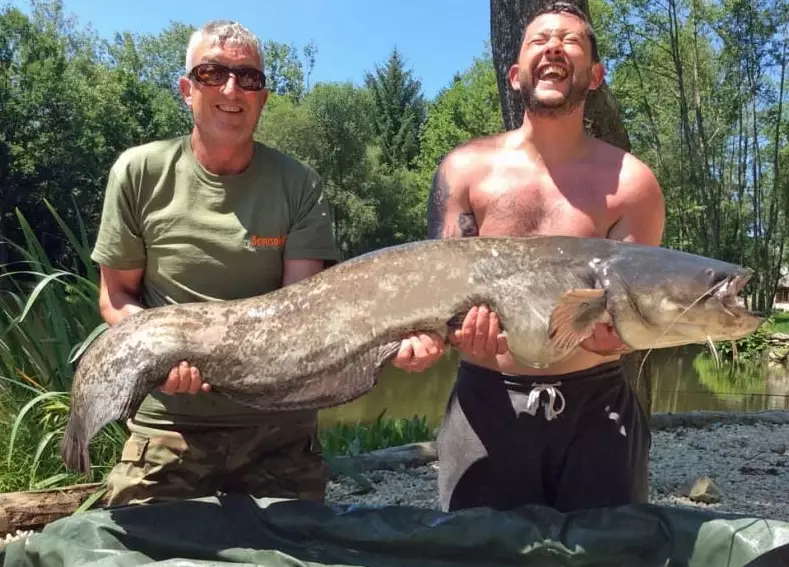
| Flathead Catfish | Square tail, broad flat head, lower jaw protrudes, mottled brown/yellow color. | Heavy cover. Logjams, deep undercut banks, large submerged hollow trees. | Almost exclusively a live bait predator. Rarely scavenges. |
See the difference? If you're fishing a deep, clean channel with cut bait, you're targeting blues or channels. If you're dunking a live sunfish next to a sunken log, you're after a flathead. Start with the right target.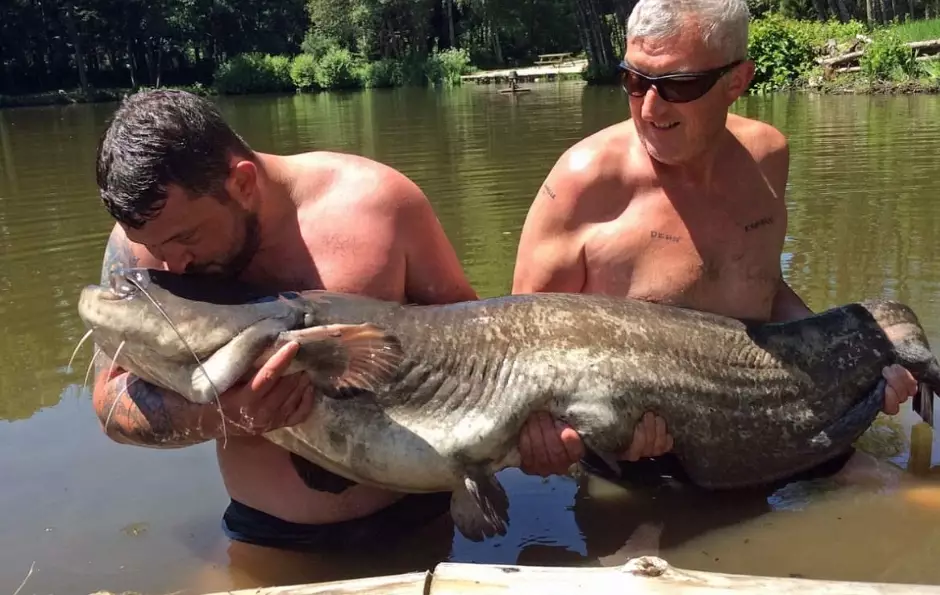
Gear You Actually Need (No Fluff)
Forget the ultra-light trout rod. Catfish fight dirty, using weight and structure. Your gear needs to control them.
The Rod: A 7 to 8-foot medium-heavy to heavy power rod. Longer rods give better casting distance and leverage. A fast or moderate-fast action helps with hook sets. I prefer a two-piece for transport, but one-piece has slightly better sensitivity.
The Reel: A 3000 to 5000 size spinning reel is perfect for most lake scenarios from shore or boat. Baitcasters offer more power for heavy weights and big blues. Whichever you choose, fill it with braided line.
Here's the line secret most miss: Use 20-40 lb braid as your main line. It has no stretch, so you feel every tap and can set the hook instantly. Then, tie on a 2-3 foot leader of 15-30 lb fluorocarbon or monofilament. The leader is abrasion-resistant against rocks and logs, and it's less visible. The braid gives you sensitivity and power.
Hooks & Rigs: This is where people mess up.
- Circle Hooks (Size 2 to 5/0): For most bait fishing. They hook the fish in the corner of the mouth almost every time. The trick? Don't jerk. Let the fish take the bait, start swimming away, then just reel with steady pressure. The hook sets itself.
- Kahle Hooks or Octopus Hooks: Good for live bait or if you prefer a traditional hook set.
- The Santee Cooper Rig: My go-to for bottom fishing. A sliding egg sinker above a swivel, then a leader to your hook. The fish feels little resistance when it picks up the bait.
- The Slip Float Rig: Underrated for lakes. Perfect for suspending bait just off the bottom over a drop-off or next to cover.
Bait, Debunked: What Really Works
Chicken liver? It falls off the hook. Stink bait? It catches small channels and a lot of trash fish. Let's talk about what consistently catches quality lake catfish.
Live Bait: The Flathead Specialist
For flatheads, it's non-negotiable: live bait. Bluegill, sunfish, or small carp (where legal) are best. Hook them through the back just below the dorsal fin. Keep them lively. For big blues on the prowl, a large live shad or skipjack herring is deadly.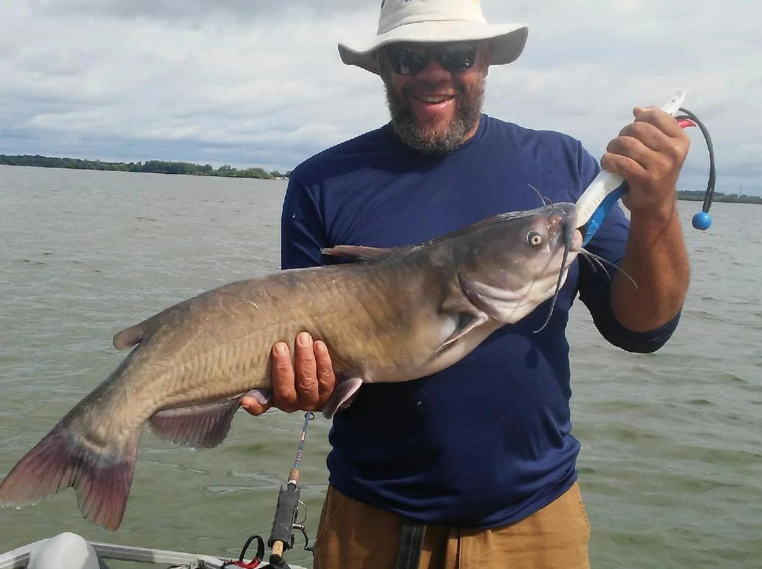
Cut Bait: The Channel & Blue Catfish Killer
This is the most effective all-around bait for lakes. You're mimicking a natural, injured meal. The key is freshness.
- Shad: The #1 choice. Available in most lakes. Cut 2-inch chunks, including the oily belly meat.
- Skipjack Herring: Like shad on steroids. Incredibly oily and smelly.
- Bluegill: If you catch a few small ones, they make excellent cut bait. Tough skin stays on the hook.
I keep a small cast net in the boat. Before I start fishing, I spend 15 minutes catching fresh bait. It outperforms anything from a package every single time.
Prepared & Artificial Baits
Punch baits and dip baits have their place, especially for smaller channel cats in high-pressure areas. Use them on a treble hook with a sponge or tube. For artificials, large, slow-moving soft plastic swimbaits or jigs can tempt aggressive blues and channels, particularly in clearer water. It's a more active, challenging way to fish for them.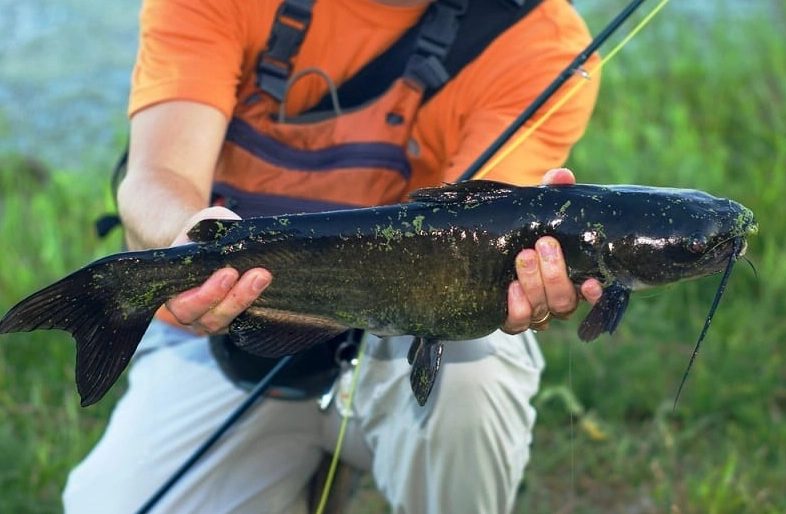
Finding the Fish: Reading the Lake
Catfish move. They follow food, comfort (oxygen, temperature), and seasonal patterns. You need to think in three dimensions.
Structure is Everything: They use structure as highways and ambush points.
- Points & Humps: Underwater points that extend into the lake are catfish magnets. They cruise the edges where shallow water drops off into the channel.
- Creek Channels & River Beds: Old submerged river channels are feeding highways. Use a lake map (Navionics or a paper map from the marina) to find them. Fish the bends and the mouths where they meet the main lake.
- Cover: Sunken trees, rock piles (riprap), bridge pilings, and boat docks. Flatheads live here. Channels and blues visit to feed.
- Inflows & Dams: Where creeks or rivers enter the lake, they bring oxygen and food. The current line is a buffet. Below dams is often a prime tailrace fishery.
The Depth Game: In summer and winter, catfish often go deep to find stable, cool (or warmer) water. In spring and fall, they'll move shallow to feed and spawn. A general rule: if the surface is hot (summer) or frozen (winter), look deep. If the water temps are mild and changing (spring/fall), check the shallows near deep water access.
Night fishing changes the game. Catfish feel safer and roam into much shallower water after dark. A flat that's 3-5 feet deep near a channel can be incredible at night.
Presentation & Tactics That Trigger Strikes
You have the right bait in the right area. Now, make it irresistible.
Still Fishing (Bottom): The classic. Use your Santee Cooper rig. Cast it out, set the rod in a holder, and wait. But don't just leave it for hours. Reel in and check your bait every 20-30 minutes. Is it fresh? Has it been picked clean by perch? Re-bait and cast to a slightly different spot.
Drift Fishing (From a Boat): This is a killer method for covering water and finding active fish, especially blues and channels. Use your bottom rig with just enough weight to tick the bottom. Let the wind or a trolling motor push you along a channel edge or flat. When you get a bite, note the spot with a buoy or GPS mark. Circle back and fish it thoroughly.
Suspending Bait Under a Float: My favorite for targeting specific structure. Set your slip float so your live or cut bait hangs 1-3 feet off the bottom. Drift it along a drop-off or position it next to a piling. The bait flutters naturally, and the visual float strike is thrilling.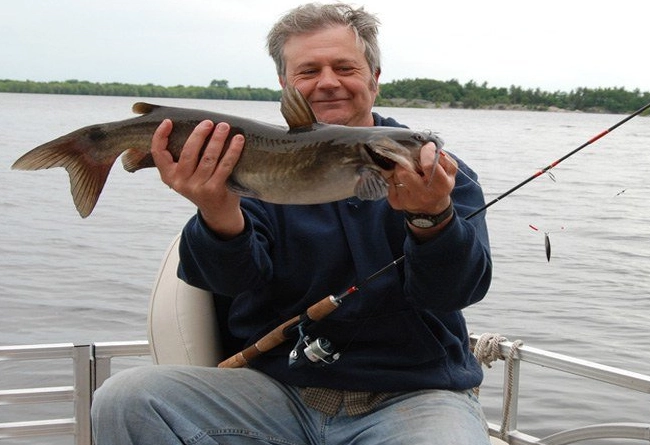
3 Common Mistakes That Cost You Catfish
- Being Too Noisy. Catfish have excellent hearing and lateral line detection. Banging tackle boxes, stomping on the boat floor, or dropping anchors heavily will shut down feeding in the area. Be stealthy, especially in shallow water.
- Setting the Hook Too Fast. This is the big one, especially with circle hooks. You feel a tap-tap... and yank! You pulled the bait right out of its mouth. Catfish, especially larger ones, often mouth the bait first. Let them take it, turn, and start to swim away. Wait for a steady pull. Then, with a circle hook, just reel. With a J-hook, a firm, sweeping hook set works.
- Using Dull or Giant Hooks. A size 6/0 hook is overkill for most lake catfish eating cut shad. A 1/0 to 3/0 is often perfect. And a sharp hook is non-negotiable. I see so many people using hooks straight from the package that are downright dull.
Seasonal Strategies: Spring, Summer, Fall, Winter
Spring: As water temps climb above 50°F, catfish move shallow to feed and eventually spawn. Focus on north-facing banks (they warm first), muddy shallows, and the backs of coves. Pre-spawn is a fantastic bite. Nightcrawlers and cut bait work well.
Summer: The dog days push fish deep. Target main lake points that drop into the old river channel, deep holes, and the thermocline (that layer where warm water meets cold). Fish early, late, and at night. During the day, it's deep or nothing.
Fall: Another prime season. As the water cools, baitfish move shallow, and catfish follow. Fish the same shallow areas as spring. The feed bag is on as they prepare for winter.
Winter: It's slow, but catfish still feed. Find the warmest, most stable water. This is often the deepest part of the lake, especially near the dam or spring holes. Use small, scent-heavy baits and be patient. The bites will be subtle.
Handling & Cooking Your Catch
Respect the fish. Have a pair of long-nose pliers ready to remove hooks. For big cats, support their belly. Never hold a large catfish vertically by the jaw—it can damage their spine. Consider using a landing net.
If you're keeping them, a swift, firm blow to the head (just behind the eyes) is the most humane. Icing them immediately in a cooler keeps the flesh firm and tasty.
For cooking, you must remove the fat. Catfish have a thick, yellow fat layer under the skin and along the lateral line. Fillet the fish, then use a sharp fillet knife to carefully slice off the red meat and that yellow fat. What's left is pure, white, mild-flavored meat. Soak it in buttermilk for an hour, then bread and fry. It's a world away from the muddy taste people complain about—that's the fat they didn't remove.
Quick Answers to Your Burning Questions
It all comes down to this: think like the fish. Use fresh, natural baits presented where they live and feed. Pay attention to the details—sharp hooks, stealth, and patience. Do that, and you'll stop wondering how to catch catfish in lakes and start wondering how you're going to carry them all home.
For more detailed information on fish behavior and habitat, resources like the U.S. Fish and Wildlife Service website can provide valuable ecological context.
Reader Comments