Let's cut through the noise. You can have the best rod, the smelliest bait, and all day to fish, but if you're not in the right spot, you're just practicing your casting. Finding productive catfish spots isn't about luck or a secret GPS coordinate sold online. It's a system. It's understanding why a catfish chooses one logjam over another, why they pile into a specific bend in the river in July but vanish in October. I've spent more nights than I can count on muddy banks and rocking boats from the Mississippi to local farm ponds, and the pattern is always the same. The fish are where the food, comfort, and opportunity meet. Your job is to find that intersection.
Your Quick Guide to Monster Catfish
- Specific Spots & How to Fish Them
How to Identify a Prime Catfish Spot: Reading the Water
Forget just looking at the surface. You need to visualize what's underneath. Catfish are not random wanderers; they are energy-efficient predators and scavengers. They position themselves where dinner comes to them with minimal effort.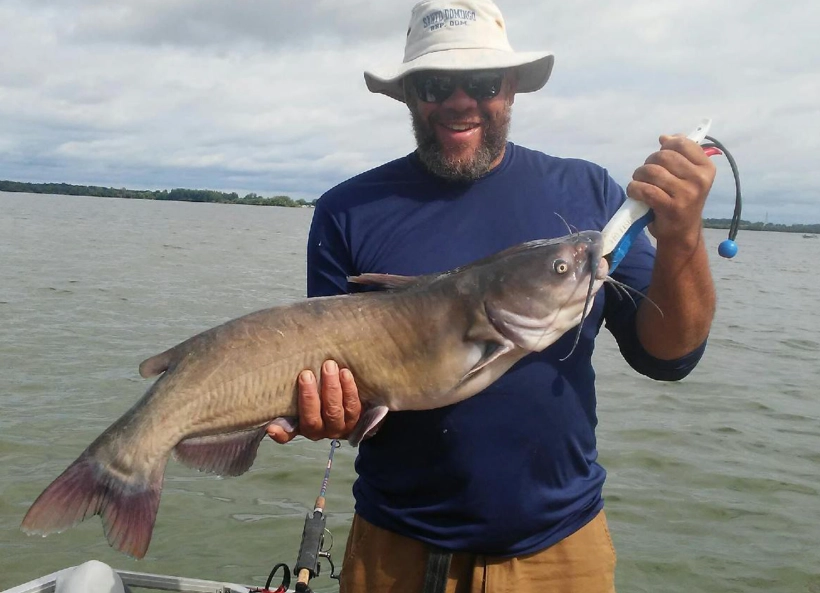
Three non-negotiable elements define a prime spot:
Current and Funnel Points: Moving water is a conveyor belt of food. Anywhere that current is funneled or deflected creates a natural feeding lane. Think the downstream side of a wing dam, the inside of a river bend where the current slows and deposits food, or a narrows between two lakes.
Depth Change and Structure: Catfish relate to depth changes like highways. A drop-off, a submerged creek channel, a ledge—these are travel routes and ambush points. They allow a catfish to sit in deeper, cooler, safer water and quickly move up to feed. The spot isn't the deep hole itself; it's the edge of that hole.
Cover and Ambush Points: This isn't just about hiding. It's about creating current breaks and habitat for baitfish. Sunken trees, rock piles, bridge pilings, and even thick weed lines break the current, create oxygen, and host crawfish and smaller fish. A catfish tucked behind a log is in an energy-saving position, waiting for a meal to wash by.
Pro Tip Most Miss: The "spot on the spot." A huge outside river bend is a good area. But the single sunken tree 20 feet downstream of the bend's apex, right where the main current kisses it before deflecting away? That's the spot on the spot. Fish the area, but drill down to the specific feature.
Top Catfish Spot Types Explained (And When to Fish Them)
Not all structures are created equal, and their value changes with seasons and conditions.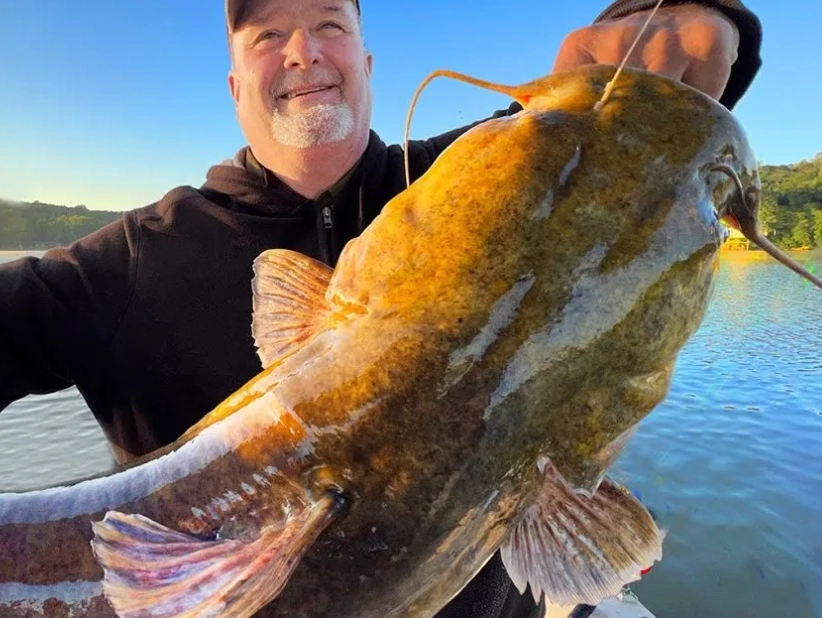
1. River & Creek Mouths (Inflow Areas)
This is a catfish buffet. Where a tributary enters a larger river or lake, it dumps warm water, nutrients, and disoriented baitfish. In spring and after rains, this is ground zero. Catfish stack up here to feast. Look for the stained, warmer inflow water mixing with the main body. Fish the seam between the two, often slightly in the murkier water. At Lake of the Ozarks, the Grand Glaize Arm after a rain is a textbook example.
2. Deep Holes & Outside River Bends
The classic catfish lair. The current scours out the deepest water on the outside of a bend, often undercutting the bank. This provides depth, cover (roots, fallen trees), and a front-row seat to food drifting by. This is a year-round holding area, especially for larger flatheads and blues. In summer, they may be right on the bottom in the coolest part. In winter, it's their deep-water sanctuary.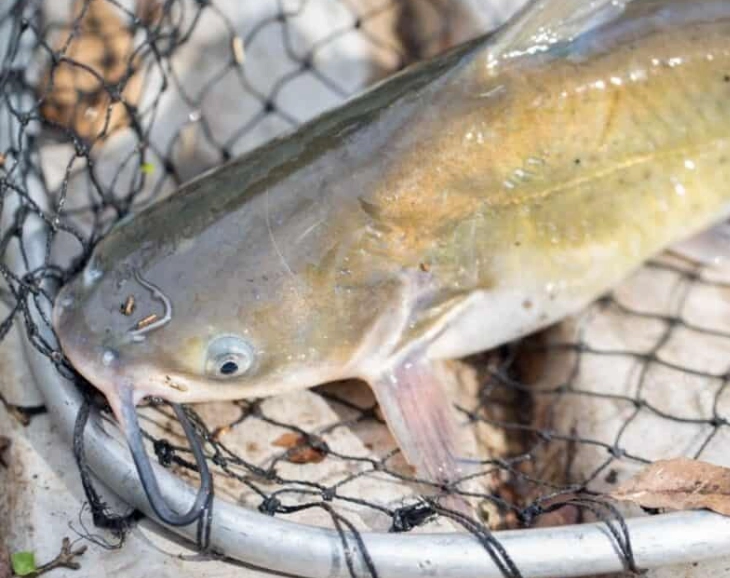
3. Wing Dams & Current Breaks (Man-Made Goldmines)
On big rivers like the Mississippi, wing dams (rock jetties extending from shore) are catfish magnets. They create an intense current break and scour a deep hole at their tip. The slack water directly downstream is the prime zone. Position your boat upstream and drift your bait back into that calm eddy. It's predictable and incredibly effective.
4. Submerged Timber & Brush Piles
Channel catfish adore wood. A sprawling, complex sunken tree in 15-25 feet of water is an apartment building for cats. The key is fishing it thoroughly. Don't just cast to the middle. Fish the upturned root ball, the shady side of the trunk, and the downstream tips of the branches. Use a slip-sinker rig to get your bait down into the thick of it without snagging constantly.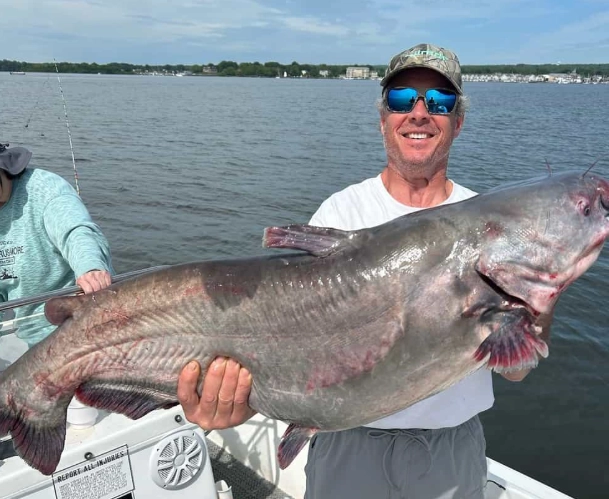
Specific Spots & How to Fish Them: A Practical Breakdown
Let's get concrete. Here’s a look at some specific, well-known types of locations and the tactical approach for each. Access is key, so I've noted bank vs. boat viability.
| Spot Type & Example | Best For | Bank or Boat? | Critical Technique | Potential Downside |
|---|---|---|---|---|
| Tailwaters below a Dam (e.g., below Kentucky Dam on the Ohio River) |
Big Blue & Channel Cats, high numbers | Primarily Bank (great access) | Heavy weight (3-8oz) to hold in fierce current. Fish the "lick" where turbulent water meets calm. | Crowded on weekends, dangerous currents. |
| Reservoir Main Lake Point (A point near the old river channel) |
Summer Channel Cats, trophy Flatheads | Boat (need to locate channel) | Use sonar to find the channel swing. Anchor upstream, drift bait along the drop. | Wind can make positioning difficult. |
| Urban River Run (A deep, slow section with rip-rap bank) |
Night fishing for Channels, convenience | Excellent for Bank | Fish a slip-sinker rig tight to the rocks. Nightcrawlers or cut bait. | Litter, potential for snags. |
| Farm Pond Spillway (The overflow pipe after a rain) |
Beginner-friendly, aggressive feeding | Bank | Simple bottom rig with chicken liver or worms in the swirling pool below the pipe. | Fishing pressure can make fish wary. |
I have a love-hate relationship with tailwaters. The potential for a giant is real, but so is the circus atmosphere. I've had more consistent success, and peace, focusing on secondary current breaks a mile or two downstream from the dam, where the crowd thins but the fish are still feeding on what washes down.
The Catfish Spot Selection Mistakes I See Every Time
After years of guiding and just watching people fish, these errors are painfully common. Avoid them and you're ahead of 80% of anglers.
Mistake 1: Fishing the "Pool" Not the "Pour." Anglers see a big, deep, calm pool and cast right into the middle. That's where the catfish are resting, not actively feeding. The feeding happens at the head of the pool where faster water enters, or along the current seams at the edges. Your bait needs to be in the moving water that brings the food.
Mistake 2: Ignoring the Wind. On lakes and reservoirs, a sustained wind blowing into a shoreline or point does the same thing as current—it pushes baitfish, stirs up the bottom, and creates a feeding zone. A windy point is often a better bet than a calm, sheltered cove. It's uncomfortable for you, but a dinner bell for them.
Mistake 3: Giving Up Too Fast. This isn't bass fishing. Catfish, especially larger ones, aren't always cruising. You might be on the perfect logjam, but the resident flathead isn't hungry right now. If you've done your homework and the spot has all the elements, have patience. Let your bait soak. I've had my best bites after 45 minutes of nothing. Move only when you're sure, not when you're bored.
Mistake 4: Overlooking Simple Bank Access. People think they need a $50,000 boat. Some of my biggest catfish have come from public access areas off a highway. State wildlife agencies and the Army Corps of Engineers maintain countless fishing piers, bank fishing trails, and shoreline access points. A quick search on your state's Department of Natural Resources website (like the U.S. Fish & Wildlife Service site for national refuges) will reveal gems you never knew existed.
Your Catfish Spot Questions, Answered
The search for great catfish spots is a puzzle. It's part geology, part hydrology, and part understanding the mood of a fish that's smarter than we give it credit for. Start with the fundamentals—current, depth change, cover. Apply them to the body of water in front of you. Be patient, be observant, and don't be afraid to sit on a good spot even when it's quiet. That's when the rod usually bends.
Reader Comments