Jump Straight to What You Need
Let's cut to the chase. If you're after catfish, bait isn't just bait—it's the difference between a slow day and a cooler full of fish. I've spent years on rivers like the Mississippi and ponds across the Midwest, and I've seen anglers blow it with the wrong choice. Catfish bait is about scent, texture, and timing, not just throwing anything smelly on a hook. This guide dives deep into what works, what doesn't, and the nuances most articles gloss over.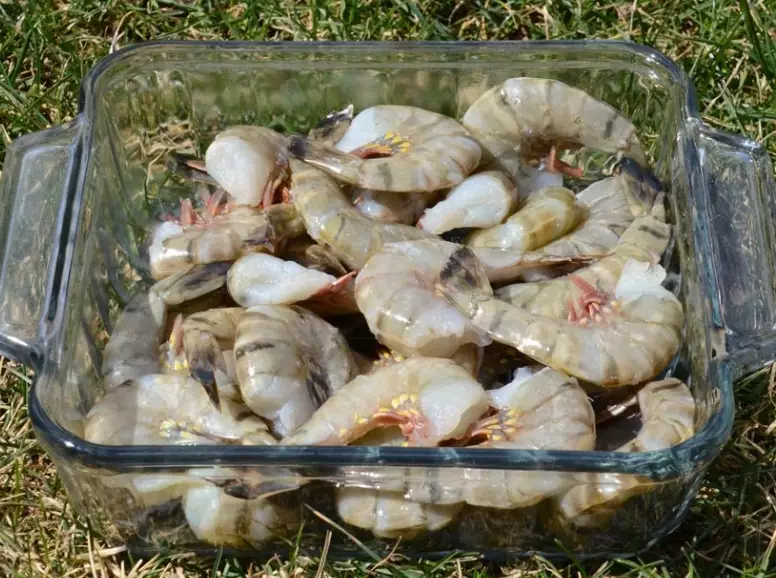
What Catfish Bait Really Is and Why It Matters
Catfish bait is any substance used to attract and catch catfish, leveraging their keen sense of smell and taste. Unlike bass that hunt by sight, catfish are scavengers and predators tuned into chemical cues in the water. The U.S. Fish and Wildlife Service notes that catfish species like channel, blue, and flathead have highly developed olfactory systems—meaning scent is king. But here's the kicker: bait isn't just about attraction; it's about presentation and durability. A bait that falls apart in current is useless, no matter how good it smells.
I remember a trip to Lake Erie where a buddy used store-bought dough bait that dissolved in minutes. We switched to cut bait from local shad, and bam—catfish started hitting. That experience taught me that understanding bait science trumps fancy packaging.
Breaking Down Catfish Bait Types: Natural, Prepared, Artificial
Catfish baits fall into three broad categories, each with pros and cons. Don't get stuck in one lane; mixing it up based on conditions is key.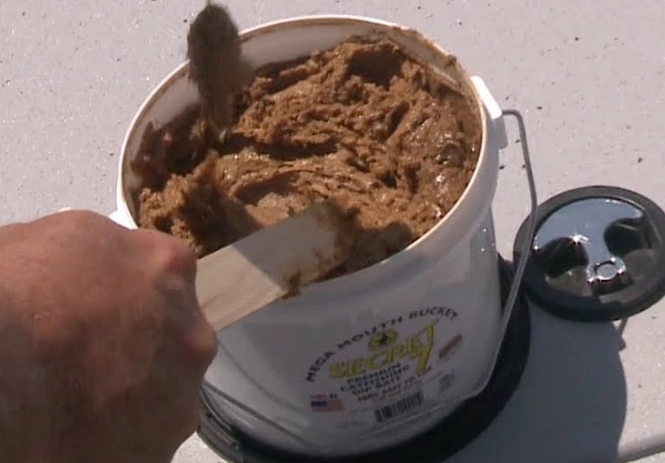
Natural Baits: The Classics That Rarely Fail
These are live or dead organisms catfish naturally eat. Think nightcrawlers, minnows, or cut fish like shad or herring. Natural baits emit authentic scents and movements that trigger instinctive strikes. For flathead catfish, live sunfish or bluegill are gold—they're predatory and want a struggling meal. But natural baits have downsides: they're perishable and can be messy. I've had leeches crawl out of my bait bucket, which is a hassle if you're not prepared.
Prepared Baits: The Convenience Game-Changers
Prepared baits include commercial stink baits, dough balls, and blood baits. They're engineered for strong odors and ease of use. Brands like Catfish Charlie or Magic Bait dominate shelves because they work in muddy water where scent dispersion is critical. However, many anglers overapply these baits, creating a scent cloud that overwhelms catfish. A pea-sized blob often outperforms a golf ball lump—less is more here.
Artificial Baits: The Underrated Option
Yes, artificial lures can catch catfish, especially in clear water or for active channel cats. Scented soft plastics, jigs tipped with cut bait, or even spinnerbaits with added attractants can be effective. The misconception is that catfish ignore lures—I've caught them on bright chartreuse grubs near dam structures. It's about mimicking injured prey with slow, bottom-hugging retrieves.
Pro Tip: Always carry a mix of bait types. On a recent trip to the Ohio River, I started with chicken liver but switched to punch bait when the current picked up—the thicker consistency held better.
How to Pick the Perfect Bait for Your Fishing Conditions
Choosing bait isn't random; it's a response to variables like water clarity, temperature, and catfish species. Get this wrong, and you're just feeding fish.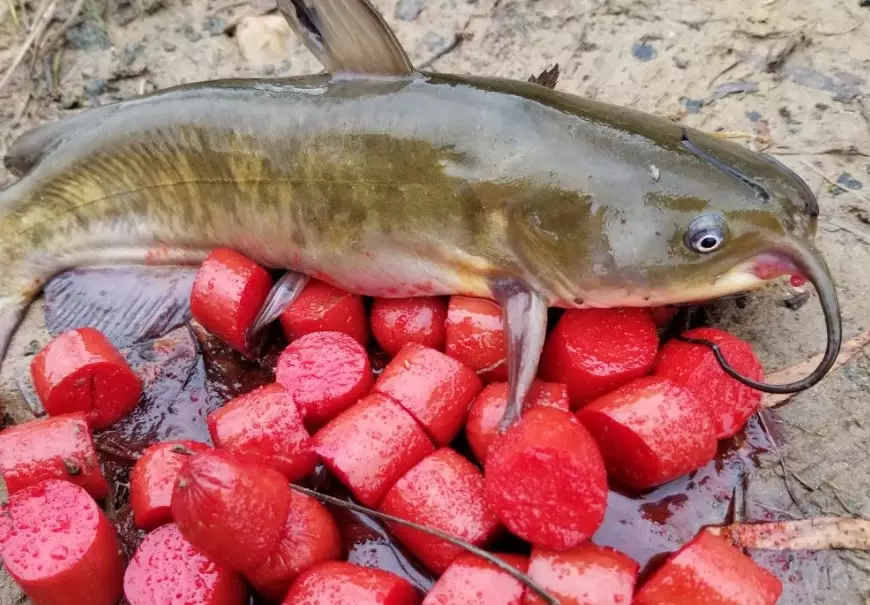
Based on Water Temperature and Clarity
In cold water (below 50°F), catfish metabolism slows, so use small, potent baits like cut shad or blood baits. They're less active but still sniff out easy meals. In warm water (above 70°F), go bigger—live bluegill or large chunks of liver work as catfish feed aggressively. For muddy water, strong-smelling prepared baits or cheese-based doughs excel. Clear water? Dial it back with natural baits or subtle artificials to avoid spooking fish.
Based on Catfish Species
Different catfish have different preferences. Channel catfish are opportunistic and love stink baits or chicken liver. Blue catfish often prefer fresh cut bait like shad—they're more predatory. Flathead catfish are carnivorous; live bait like sunfish is almost mandatory. I've seen flatheads ignore everything but a lively perch.
| Condition | Recommended Bait | Why It Works |
|---|---|---|
| Muddy Water, Low Visibility | Commercial stink bait, garlic liver | Strong scent travels far in silt |
| Clear Water, Sunny Day | Live minnows, cut shad, artificial lures | Natural presentation avoids suspicion |
| Cold Front, Slow Fishing | Small blood bait chunks, worms | Easy-to-find, energy-efficient meal |
| Fishing for Flathead Catfish | Live bluegill or sunfish | Mimics preferred prey movement |
Water temperature data from sources like the American Sportfishing Association suggests matching bait to seasonal patterns, but local knowledge trumps all. Ask bait shops near your spot—they know what's hatching.
Common Catfish Bait Mistakes You're Probably Making
Even experienced anglers slip up. Here are subtle errors that kill your catch rate.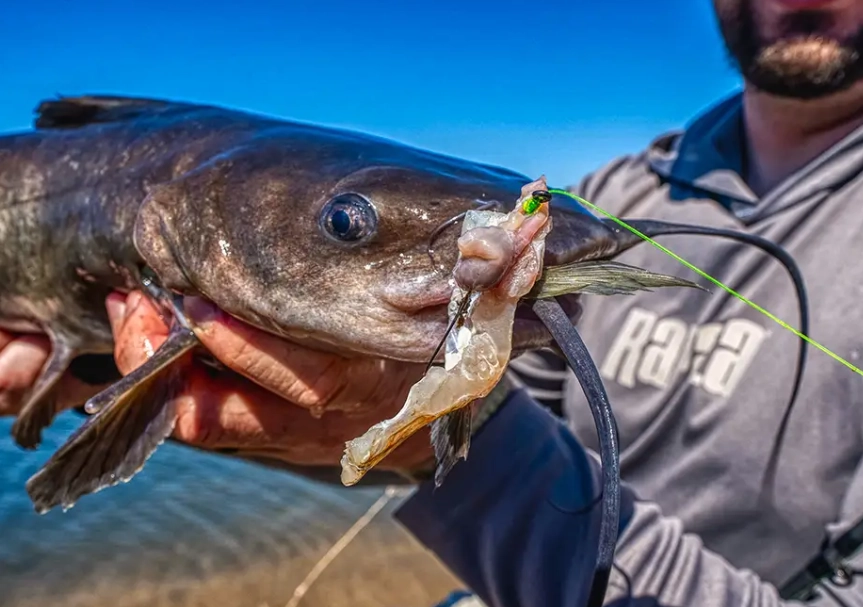
Using Bait That's Too Soft: Chicken liver is great, but if it slides off the hook on the cast, you're fishing empty. I toughen mine with salt or flour—creates a skin that holds. Saw a guy lose his bait three casts in a row; he quit early out of frustration.
Ignoring Bait Placement: Catfish often hug bottom structure. If your bait is suspended too high, they might miss it. Use sinkers to keep bait near the bottom, especially in currents. A Carolina rig with a sliding weight is my go-to for river fishing.
Overloading Scent: More scent isn't always better. Dumping a whole jar of stink bait can create a chemical barrier that repels catfish. Start small; a dime-sized amount can be enough to draw them in without overwhelming.
Not Refreshing Bait: Bait loses potency over time. In warm weather, natural baits spoil fast, and prepared baits dry out. Check and replace every 20-30 minutes. I set a timer on my phone to remind me—sounds OCD, but it works.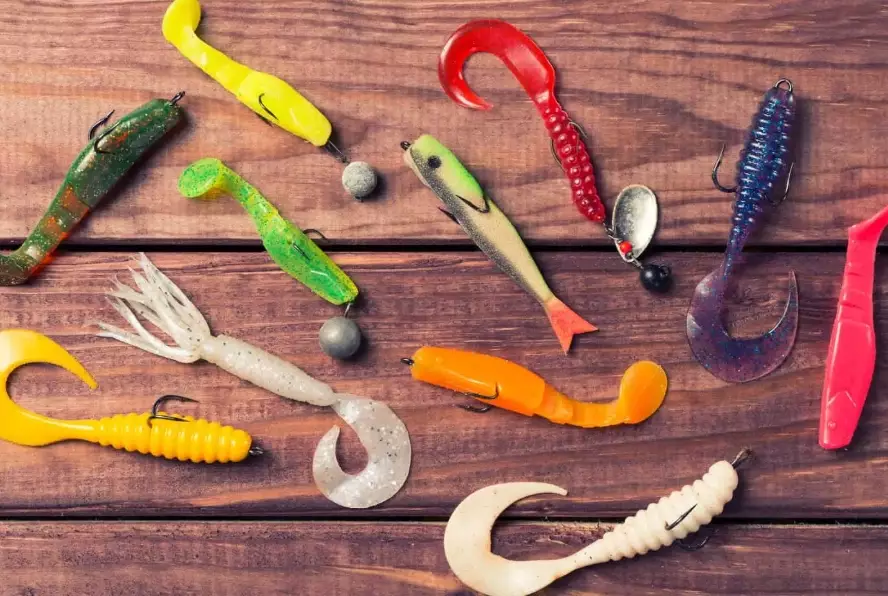
DIY Catfish Bait Recipes That Actually Work
Store-bought bait is fine, but homemade lets you control ingredients and save money. These recipes are field-tested and simple.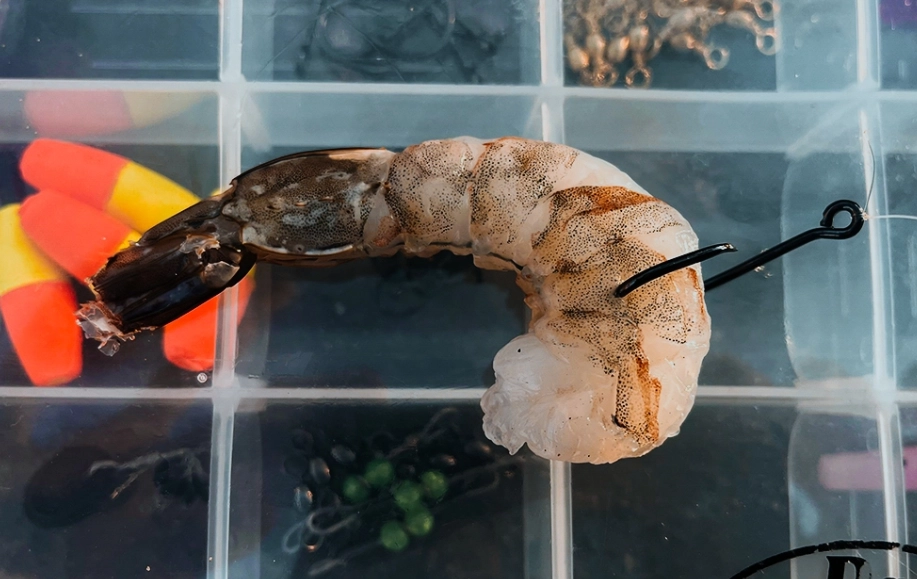
Cheese and Garlic Dough Bait: Mix 1 cup of flour, 1 cup of cornmeal, 1/2 cup of grated cheese (cheddar works), 2 minced garlic cloves, and enough water to form a dough. Knead it, then let it sit overnight. The cheese oils seep out, creating a slick, smelly bait that catfish love. Roll into balls and freeze extras. I've used this in farm ponds with consistent success—catfish can't resist the cheesy aroma.
Blood and Liver Punch Bait: Take 1 cup of chicken liver, blend it with 1/4 cup of blood (from butcher shops or use blood meal), add a tablespoon of anise extract for extra scent. Mix in breadcrumbs until thick. Store in a jar—it's messy but deadly for channel cats. Wear gloves; this stuff stains.
Cereal-Based Stink Bait: Crush 2 cups of breakfast cereal (like Wheaties), mix with 1 cup of chicken broth, 1/2 cup of flour, and a few drops of fish oil. Form into logs and refrigerate. It's less pungent but effective in clear water where subtlety matters.
Experiment with additives like Jell-O powder for color or vanilla extract for sweetness. Catfish aren't picky, but unique scents can give you an edge.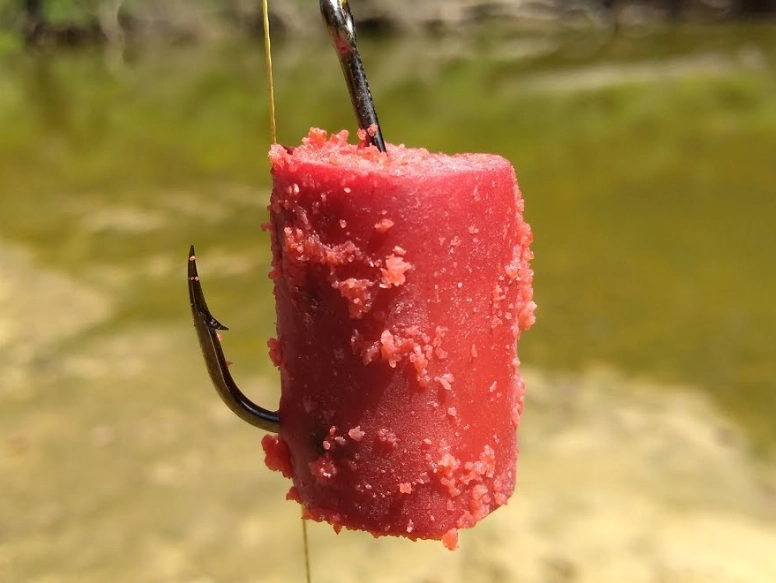
Your Burning Questions Answered
Wrapping up, catfish bait is a blend of science and street smarts. Don't just follow trends—test baits in your local waters, note what works, and adapt. Whether you're dunking liver in a muddy river or tossing a homemade dough ball in a pond, the goal is to think like a catfish. They're out there; with the right bait, you'll connect more often. Tight lines.
Reader Comments