You just stepped off the boat after a fantastic 4-hour fishing charter. The sun is setting, you've got some great pictures, and maybe even dinner. But there's that lingering question: how much should you tip the captain and crew? It's not like a restaurant where the math is printed on the bill. Let's break it down so you can reward the right effort without overthinking it.
What We'll Cover in This Guide
- The Simple Math: Standard Tipping Percentages Explained
- Service Quality: The Biggest Factor in Your Final Tip
- Crew Effort: When They Go Above and Beyond (And When They Don't)
- Special Situations: Bad Weather, Short Trips, and Group Bookings
- How to Pay the Tip: Cash vs. Card on the Boat
- Frequently Asked Questions (Answered by a Captain)
At its core, tipping on a fishing charter follows the same principle as tipping in any service industry in the U.S. It's a voluntary payment for services rendered, usually ranging between 15-20% of the total charter cost. But unlike a restaurant where the service is largely standardized, a fishing charter's value is intensely personal and variable. That's what makes the question tricky.
The Simple Math: Standard Tipping Percentages Explained
Let's get the basics out of the way first. The standard tipping guideline for a fishing charter is the same as for any guided service: 15-20% of the total charter price.
Imagine you booked that 4-hour charter for $300. A 15% tip would be $45. A 20% tip would be $60. That's the range you're looking at for a standard, satisfactory experience.
So, for our $300 charter example, we're talking about a tip between $45 and $60. That's the baseline. But honestly, if you just default to the middle of that range (17.5%, or about $52.50), you'll be perfectly fine. No one will bat an eye. The crew won't think you're cheap. It's a solid, fair tip for a job well done, assuming everything went as expected.
The problem is, a fishing trip is rarely just "as expected." It's either fantastic or disappointing, and the level of service you receive can swing wildly. That's where the simple percentage model starts to crack, and where you need to start thinking like an experienced angler.
Service Quality: The Biggest Factor in Your Final Tip
This is where most guides and articles stop. They say "tip based on service." But what does that actually mean on a boat? Let me tell you a story from my early days.
I once tipped a captain 25% because he spent the entire trip untangling my lines, re-baiting my hooks after I lost a rig to a snag, and even gave me his own rod when mine broke. He was practically a second guide. Another time, on a different boat, the captain did his job competently but spent most of the trip on his phone. We caught fish, but the experience was transactional. I tipped 15%.
The mistake many people make is evaluating the service only at the very end. You need to assess it throughout the entire trip. Break your 4 hours into segments.
The First Hour: Setting the Stage
How did the crew greet you? Were they on time? Was the boat clean, safe, and ready? Was the safety briefing clear and comprehensive? Did they take a genuine interest in your experience level and goals for the day? A captain who sizes up the group, quickly identifies the beginners, and adjusts the plan is already adding value. This initial effort sets the tone.
Hours Two and Three: The Grind
This is the core of the trip. Is the crew actively engaged? Are they constantly scanning the water, reading the electronics, and making adjustments? Do they explain what they're doing and why? Are they proactive in checking lines, offering advice, and preventing tangles? Or are they reactive, only stepping in when something goes wrong? A crew that anticipates problems before they happen is providing a premium service.
The Final Hour: The Closing Act
This is surprisingly important. How do they handle the return? Is the gear stowed efficiently? Do they clean the fish you kept (or even the ones you released) with care and respect? Are they still engaged, telling stories, and sharing a laugh, or are they already mentally checked out, rushing to get back to the dock? A strong finish leaves a lasting positive impression that can elevate an average trip.
Crew Effort: When They Go Above and Beyond (And When They Don't)
Now, let's talk about the crew. Their effort is separate from, but intertwined with, the captain's service. Here are some specific, often overlooked, points to consider:
- Bait and Tackle: Did they simply hand you a rod with a pre-rigged lure, or did they take the time to explain the setup, why a certain lure was chosen for the conditions, and how to work it? A mate who pre-rigs extra leaders before you need them is thinking ahead.
- Tangled Lines: Tangles happen, especially with beginners. The question is how they handle them. A sigh and an eye-roll is one thing. A patient, quick resolution with a brief explanation of how to avoid it next time is another level of service.
- Fish Handling: This is a big one for me. I've seen mates carelessly handle fish, damaging the slime coat or even injuring them. A skilled crew member handles fish with respect, uses wet hands or a wet towel, and releases them quickly and safely if that's the goal. This shows a respect for the resource that goes beyond the basic job.
- Teaching vs. Doing: Did they just hook the fish and hand you the rod, or did they guide you through the fight, offering tips on rod angle, drag setting, and landing techniques? The latter is teaching, and it adds immense value, especially for newcomers.
I once tipped a mate extra cash (on top of the shared tip) because he spent 20 minutes after we docked meticulously cleaning a particularly messy catch of bluefish that no one else wanted to touch. He saw a job that needed doing and did it without being asked. That's going above and beyond.
Special Situations: Bad Weather, Short Trips, and Group Bookings
Now let's address some common curveballs.
Bad Weather or Shortened Trips
This is a gray area. If the captain makes the call to turn back early for safety due to genuinely dangerous conditions, that's a professional judgment call. They are putting your safety first, often at the cost of their own income (charters are rarely rescheduled, they're just lost). In this case, tipping still applies to the time you were out on the water. They provided the service of attempting the trip and making a responsible decision. A 15% tip on the prorated time is still appropriate, and often feels good as a gesture of goodwill.
However, if you feel they turned back too hastily at the first sign of rain, when other boats in the area were still fishing, that's a judgment call on your part. The tip can reflect your dissatisfaction, but it should be communicated professionally, not just through a reduced tip.
Large Group Bookings
This is a common point of confusion. The tip should be calculated per person, not on the total group rate. The reason is simple: the crew's effort scales with the number of people. More people means more lines in the water, more tangles, more bait changes, and more fish to handle. If you're in a group of 6, each person should tip their 15-20% share of the per-person charter cost. Don't just split a single tip based on the total; that shortchanges the crew for handling a larger group.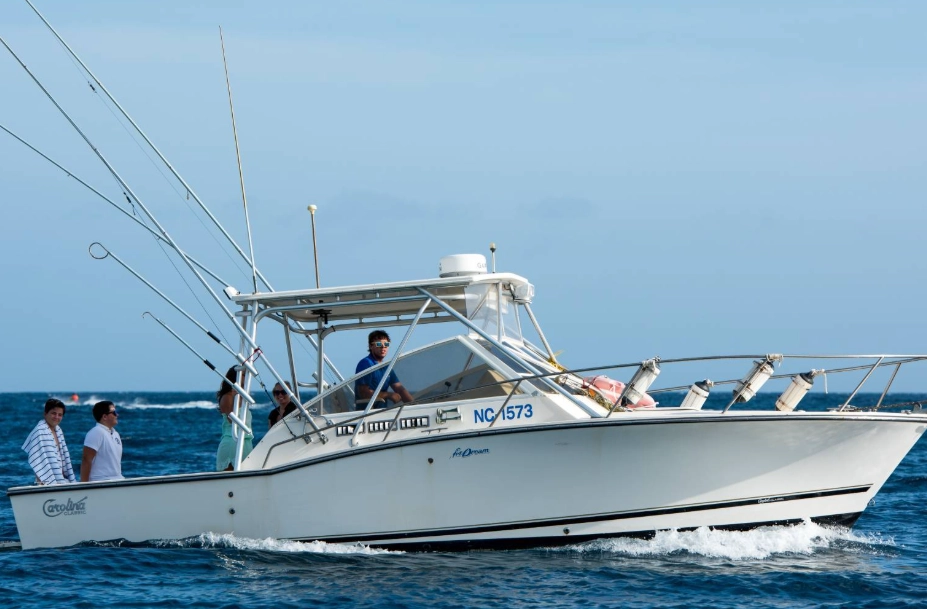
How to Pay the Tip: Cash vs. Card on the Boat
Always, always have cash on hand for the tip. While many boats now have mobile card readers, the tip is going directly to the crew. Cash is immediate, personal, and avoids any potential processing delays or fees if the card machine is down or the captain has to handle the split later. Handing cash directly to the captain or a designated tip envelope ensures the right people get it, right now.
I've been on boats where the card machine "conveniently" wasn't working at the end of the trip. It's not a scam, it's a reality of operating on the water. Be prepared. If you absolutely must use a card, ask the captain discreetly if there's a preferred method, but expect to pay a small fee or have them request cash anyway.
Reader Comments