You're looking at a fishing charter website, and the big question pops into your head: how many miles out do we actually have to go? Is it 10 miles? 50? 100? The answer, which frustrates some but excites those who love the details, is the classic "it depends." But I can give you something better than a vague shrug. After more than a decade chasing fish from the Gulf of Mexico to the canyons off the Northeast, I can tell you it depends on three concrete things: your target's address, the local underwater geography, and the type of boat you're on.
Forget the idea that deep-sea fishing starts at some universal distance marker. It starts where the continental shelf drops off into the true abyss. That's the real estate where the big pelagics roam.
What's Covered in This Guide
What Exactly is Deep-Sea Fishing?
Let's clear this up first. Many charter companies loosely use "deep sea" to market anything that leaves the sight of land. Purists, and guys like me who've spent hours staring at depth sounders, define it differently.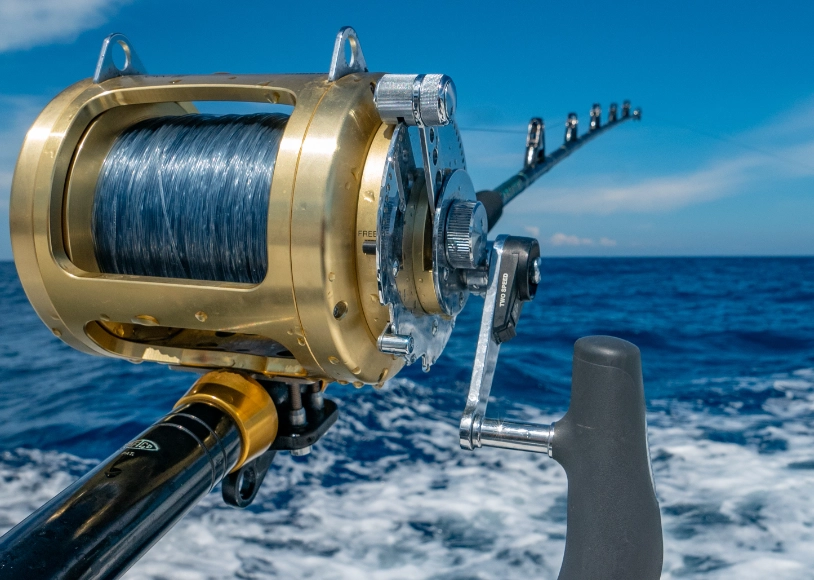
True deep-sea or bluewater fishing means you're targeting pelagic species in waters often 600 feet deep or more, well beyond the continental shelf. Think marlin, tuna, wahoo, mahi-mahi. You're in the open ocean, where the water is a distinct deep blue. The bottom is often thousands of feet down—irrelevant for fishing except for its effect on currents.
Then there's offshore fishing, which is a broader category. This can include fishing the continental shelf itself (from about 100 to 600 feet deep) for species like snapper, grouper, kingfish, and amberjack. You're still miles out, but you're often fishing on structure, not just in the water column.
Why does this distinction matter for distance? Because the edge of the shelf isn't the same distance from every beach. It's like asking how far it is to the mountains—it changes depending on where you start.
How Far Offshore Do You Need to Go?
Here’s where we get into numbers. I've put together a table based on common departure points. Remember, these are typical ranges to get to productive grounds. A great captain might find fish closer; a slow day might require going farther.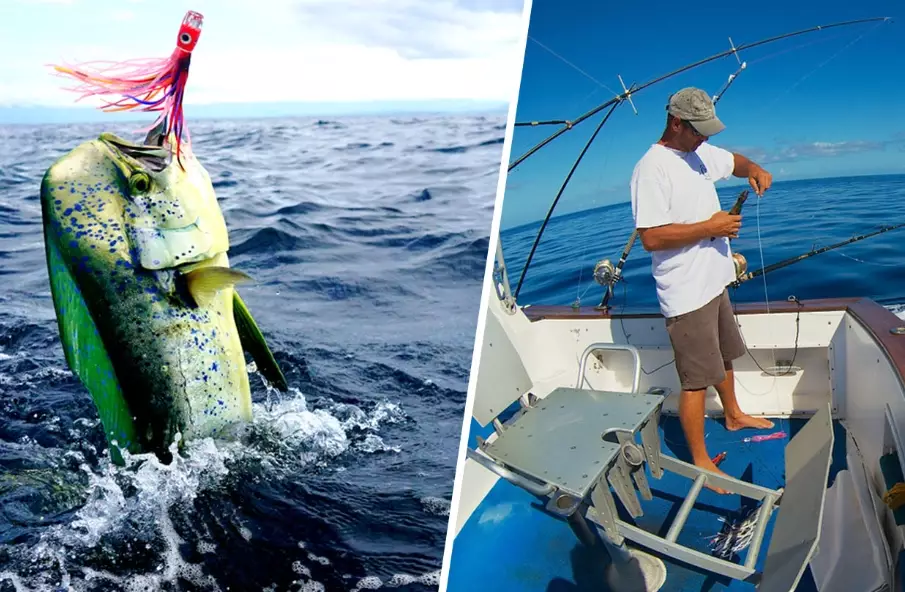
| Departure Region (Example) | To Shelf Edge / Deep Water | Common Target Species in That Zone | Notes |
|---|---|---|---|
| South Florida (Miami, Ft. Lauderdale) | 10 - 25 miles | Sailfish, Kingfish, Mahi, Tuna (winter) | The Gulf Stream rides close here, bringing deep water near shore. |
| Gulf Coast (Destin, Panama City) | 25 - 50 miles | Red Snapper, Grouper, Amberjack, Scamp | Wide, shallow continental shelf. The "100-fathom curve" is a major highway. |
| Northeast Canyons (New Jersey, New York) | 60 - 100+ miles | Tuna (Bluefin, Yellowfin), Marlin, Tilefish | This is expedition fishing. The canyons (like Hudson, Baltimore) are underwater oases. |
| Southern California (San Diego) | 30 - 80 miles | Yellowtail, Tuna, Dorado, Marlin (seasonal) | Distance varies wildly with water temp. The Tanner, Cortes banks are far but legendary. |
| Hawaii (Kona Coast) | 3 - 15 miles | Blue Marlin, Spearfish, Mahi Mahi | The ultimate exception. The shelf is extremely narrow. Deep water is right there. |
See the huge variation? In Kona, you can be in 1,000-fathom water before you finish your coffee. Out of New Jersey, you might motor for 4 hours just to get to the starting line.
Key Takeaway: Don't get hung up on the mileage. Ask your charter captain: "What's the depth and structure like where we'll be fishing?" That tells you much more about the potential catch than "How far out?"
What Really Decides the Distance? (More Than Just a Map)
Mileage is just the taxi ride. The fare is determined by these factors:
1. Bathymetry (The Shape of the Seafloor)
This is the #1 factor. A steep, narrow shelf (Hawaii, parts of Puerto Rico) means deep water is a short run. A wide, gently sloping shelf (most of the Gulf of Mexico, the Carolinas) means you have to travel much farther to get to the same depth. I always check NOAA's bathymetric data for a new area—it's like looking at the underwater lay of the land.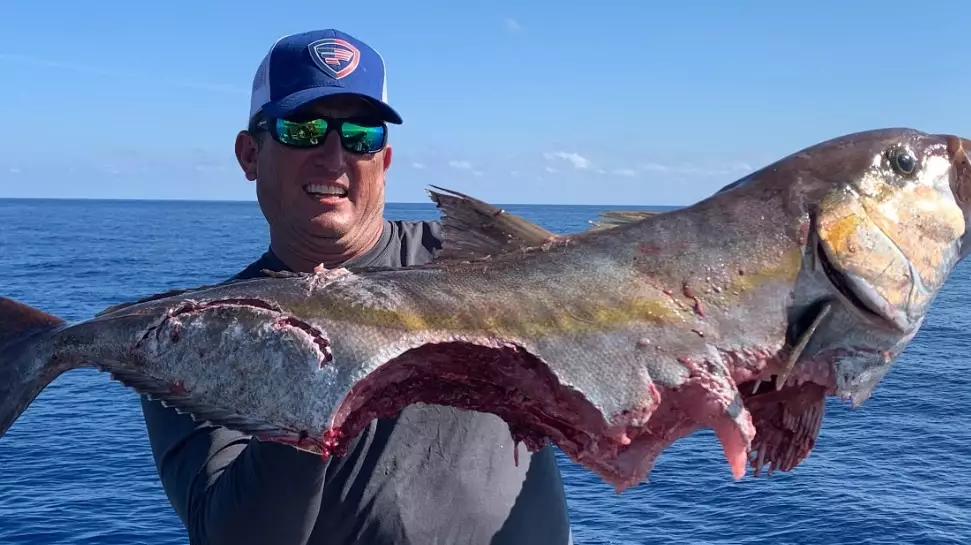
2. Target Species
You don't need to go 50 miles for a 20-pound king mackerel. They often hunt closer in, following bait pods. But a 500-pound blue marlin? It lives in the bluewater, period. Your target dictates the required habitat, which dictates the distance.
3. Season & Water Temperature
Fish follow warm water. In summer, the warm Gulf Stream or other currents may push closer to shore, bringing pelagics with it. You might find mahi-mahi only 15 miles out in July off the Carolinas, whereas in April, they could be 40 miles out. A good captain reads sea surface temperature charts like a weather forecast.
4. Boat Size and Speed
This is practical reality. A fast 40-foot sportfisher that cruises at 25 knots can comfortably range 60+ miles for a full-day trip. A slower 6-passenger charter boat might limit its range to 25-30 miles for the same 8-hour trip to ensure enough fishing time. Don't book a 6-hour trip on a slow boat and expect to fish the canyons.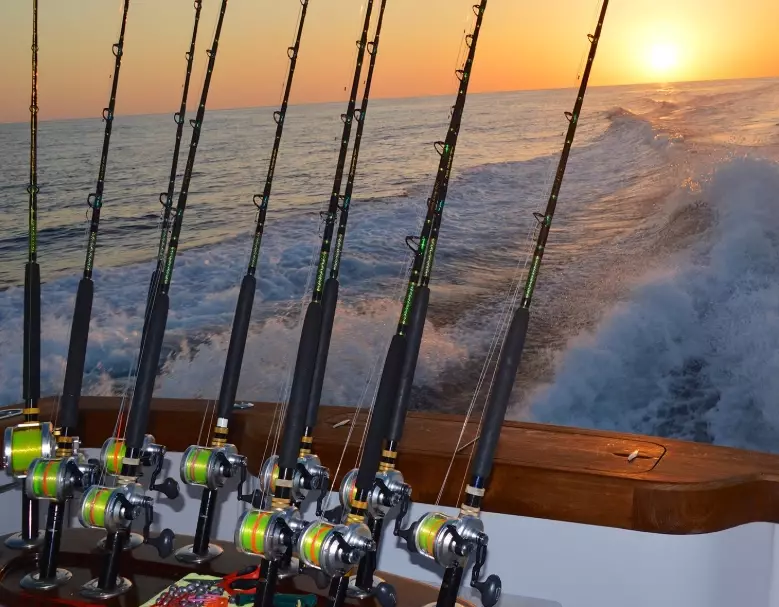
A Common Mistake: Anglers see "deep sea fishing" and book the cheapest, shortest trip. They end up 8 miles out on a reef, disappointed they didn't get to the "deep sea." Match the trip length and cost to the actual distance you want to cover.
Trip Types & Their Typical Distances
Charter trips are packaged by time, which correlates directly with achievable distance.
Half-Day Trip (4-6 hours): You'll likely stay within 5-15 miles of shore. This is often "nearshore" or "reef" fishing for species like snapper, mackerel, barracuda, and small sharks. It's a fantastic introduction. You're not going to the shelf edge.
Full-Day Trip (8-10 hours): This is the sweet spot for most. It allows a run of 20-40 miles. You can reach the shelf edge in many locations. Expect a mix of bottom fishing for snapper/grouper and trolling for pelagics like kingfish, wahoo, or tuna (seasonal). You'll spend 2-3 hours total in transit.
Overnight / Multi-Day Trip (24-72+ hours): This is how you reach the distant grounds 50-100+ miles offshore. This is for targeting specific bluewater species at the canyons, banks, or temperature breaks. The boat becomes your basecamp. This is serious fishing with a serious price tag, but the payoff can be legendary.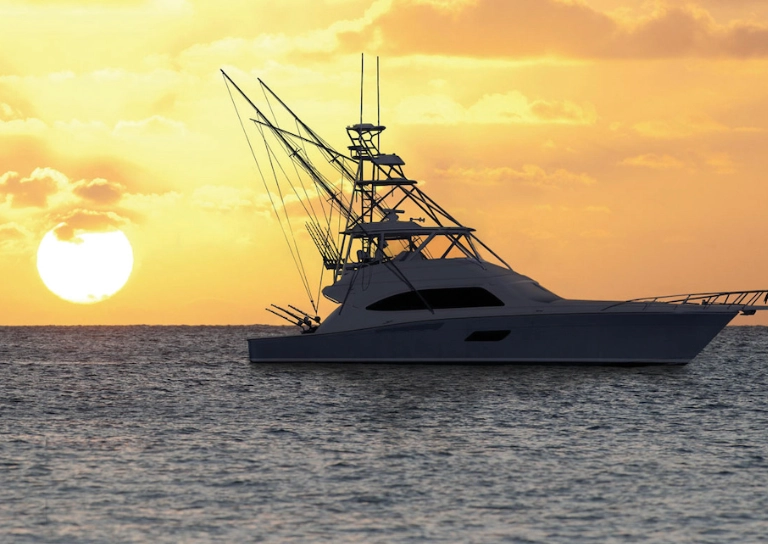
Planning Your Trip: From Booking to the Dock
So, you're ready to book. Here's how to apply all this.
1. Be Specific When You Call: Don't just ask for "deep sea." Say, "We're interested in a full-day trip, and we'd really like to get out to where we have a shot at tuna or mahi. Is that feasible on an 8-hour trip from your marina?" This tells the booking agent your expectations.
2. Ask the Captain Directly: If possible, speak to the captain. Ask: "On a typical full-day in August, where do you usually fish? What's the depth out there?" Their answer will reveal everything.
3. Factor in Travel Time: If the captain says the run is 90 minutes each way on a full-day trip, that's 3 hours of your 8-hour charter spent not fishing. That's normal for reaching good grounds. Manage your expectations accordingly.
4. Safety & Comfort: Longer distance = more exposure to weather and sea conditions. Check the boat's safety gear (EPIRB, life raft). And for heaven's sake, if you're prone to seasickness, medicate early and wisely. Nothing ruins a 60-mile trip faster than 4 hours of misery on the way home.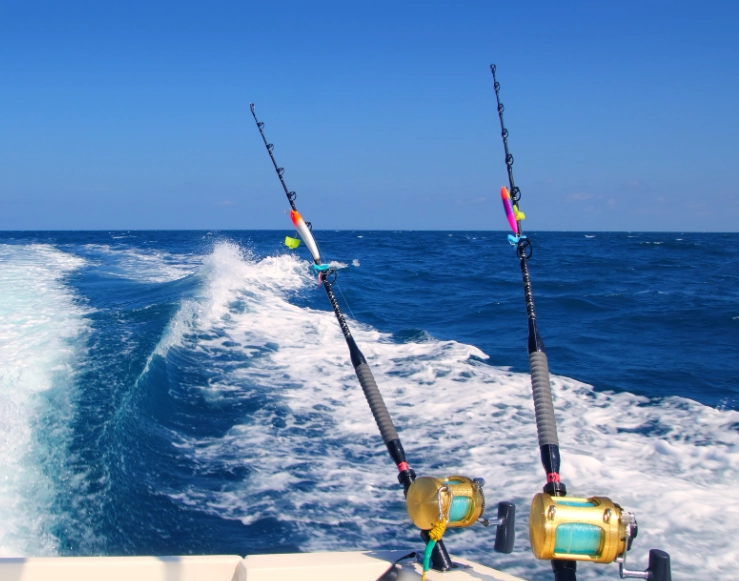
The Captain's Corner: Tips You Won't Find on a Brochure
Let me give you the gritty details from the wheelhouse.
The "Magic" 100-Fathom Line: In many fisheries, especially the Gulf, the 100-fathom (600-foot) contour line is a fish highway. Currents pile up against this steep drop, concentrating bait and predators. This is often the first major depth zone where true offshore fishing kicks off. Ask your captain if they'll be fishing "the break."
Distance vs. Fuel: Fuel is a captain's biggest variable cost. Running 50 miles burns a lot of diesel. This is partly why longer trips cost more—it's not just your time, it's the boat's fuel bill. A captain won't make that long run unless conditions (weather, recent catches) are promising.
My Personal Rule: I judge a spot by what's on the depth finder and the color of the water, not the GPS odometer. I've had epic days 18 miles out over a solitary wreck in 250 feet of water, and slow days 40 miles out in featureless blue. Trust your captain's electronics, not your preconceived notion of distance.
The ocean isn't a grid. Fish don't live at a specific longitude. They live where the food and conditions are right. Your job is to find a knowledgeable captain whose boat can reach those spots. Their job is to interpret the ocean's signs—temperature, color, birds, structure—to put you on them.
So, how far offshore is deep-sea fishing? It's as close as 3 miles in Hawaii and as far as 100 miles in the Northeast. But the real answer is simpler: it's exactly as far as your captain needs to go to find the fish on that particular day.
Reader Comments