You've seen the pictures. A grinning angler straining against a bent rod, a shimmering blue backdrop, a monster fish being hauled onto the deck. The fantasy is powerful. But then you look at the price tag for a charter, hear stories about seasickness, and wonder: is deep sea fishing worth it? The short answer is maybe. For some, it's the trip of a lifetime. For others, it's an expensive lesson. Let's cut through the brochure talk and look at what you're really signing up for.
What's In This Guide?
What Exactly Is Deep Sea Fishing?
First, let's define our terms. When most people say "deep sea," they mean offshore fishing—traveling miles out from the coast where the water is hundreds to thousands of feet deep. This isn't casting a line off a pier. You're on a boat, 30 to 60 feet long, powered by twin diesel engines, heading out for at least 4-5 hours, often 8-12. You're targeting pelagic species that live in the open ocean, not the bottom-dwellers closer to shore.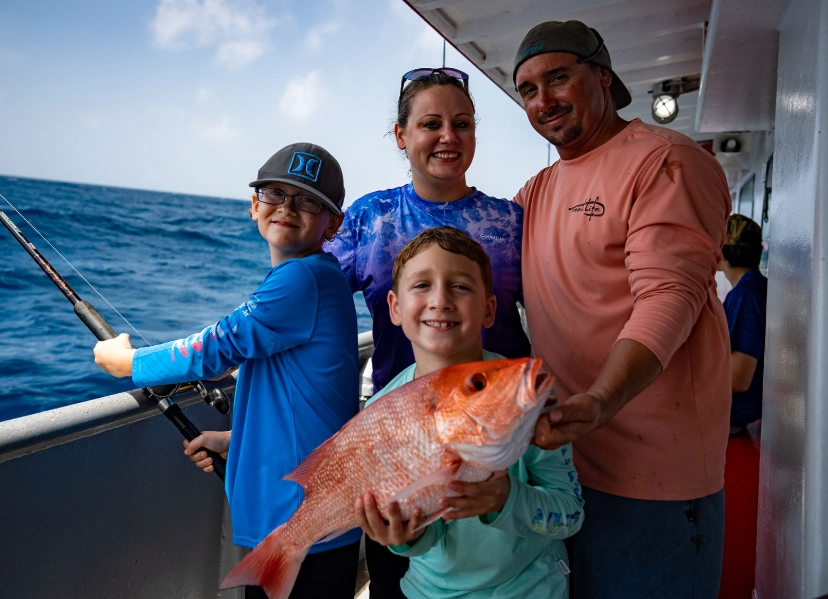
There are two main trip types: the shared charter (party boat) and the private charter. Party boats fit 20-60 people, are cheaper per person, and are a social, casual affair. You get a spot at the rail. Private charters are just you and your group (typically 2-6 people) with a dedicated captain and mate. You call the shots on where to go and what to target, and you get hands-on coaching.
The Major Advantages: Why People Go Offshore
Let's talk about the payoff. This is what sells the dream, and much of it is real.
Access to Fish You Simply Can't Catch From Shore
This is the big one. We're talking about powerful, fast fish that are a different league from inshore species. Think mahi-mahi (dolphinfish) that explode in color when landed, acrobatic tuna that test your drag, or even the possibility of a marlin strike. The sheer size and power of offshore fish create a physical memory—the burn in your arms, the sound of the reel screaming—that shore fishing rarely matches.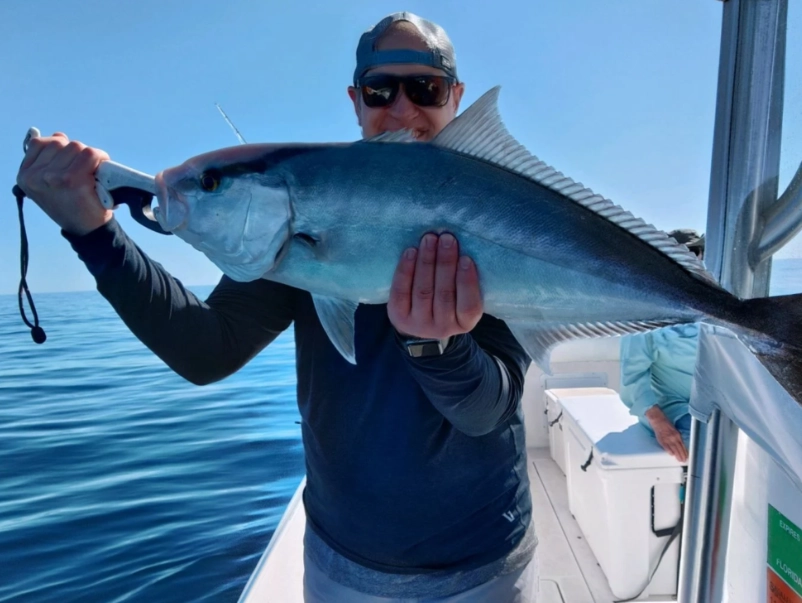
The Experience of Being Miles Out at Sea
It's not just about the fish. There's a profound sense of isolation and wonder when the coastline disappears. You might see dolphins riding the bow wave, a sea turtle paddling by, or flying fish skittering across the surface. The water shifts to a deep, impossible blue. For a day, you're in a different world. That alone has value.
Professional Guidance and Gear
On a good charter, you're not just renting a boat; you're renting decades of local knowledge. The captain knows the underwater structures, the currents, the migration patterns. The mate will bait your hook, help you fight the fish, and handle the messy parts. You're also using heavy-duty gear—sturdy rods, reels loaded with 50-80 lb test line—that would cost a fortune to buy yourself. You get to play with the pros' toys.
Pro Tip from the Helm: Many new anglers make the mistake of trying to "winch" in a big fish by cranking the reel as hard as they can. This is a great way to snap the line or pull the hook. The real work is done by lifting the rod tip smoothly, then reeling down as you lower it. Let the rod's bend do the work. The mate will show you, but knowing this little nuance beforehand keeps you from looking like a total rookie.
The Real Drawbacks: Costs and Challenges
Now, the other side of the coin. This is where trips go sideways, and why some people swear they'll never go again.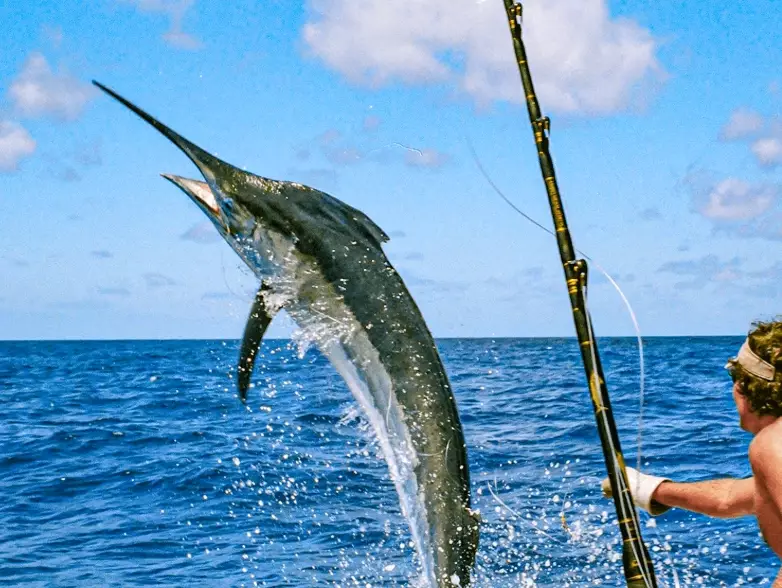
The Financial Hit
This is the most obvious barrier. We'll break down the numbers in detail next, but even a modest trip is a significant recreational expense. It's not just the charter fee. It's the tips, the fish cleaning, the travel, the hotel. For a family of four, a private charter day can easily eclipse a week's vacation budget elsewhere. You have to ask: are we looking for a fishing trip, or a vacation where we might fish?
Seasickness: The Great Equalizer
It doesn't matter how tough you are. If the sea wants you to be sick, you will be sick. It's a rolling, constant motion that's utterly foreign to your inner ear. On a rough day, it can turn a thrilling adventure into a miserable, pale-green ordeal. I've seen big, burly guys reduced to hugging the rail for hours, while their eight-year-old daughter happily reels in fish next to them. It's unpredictable and humbling.
The Unpredictability Factor
They call it fishing, not catching, for a reason. Offshore, this is magnified. Weather can cancel your trip last minute. The fish might simply not be biting where you are. You could spend eight hours and only hook a few small bonito. There's no guarantee. If your primary goal is to fill a cooler, you might leave disappointed. If your goal is the experience of trying, you'll be okay.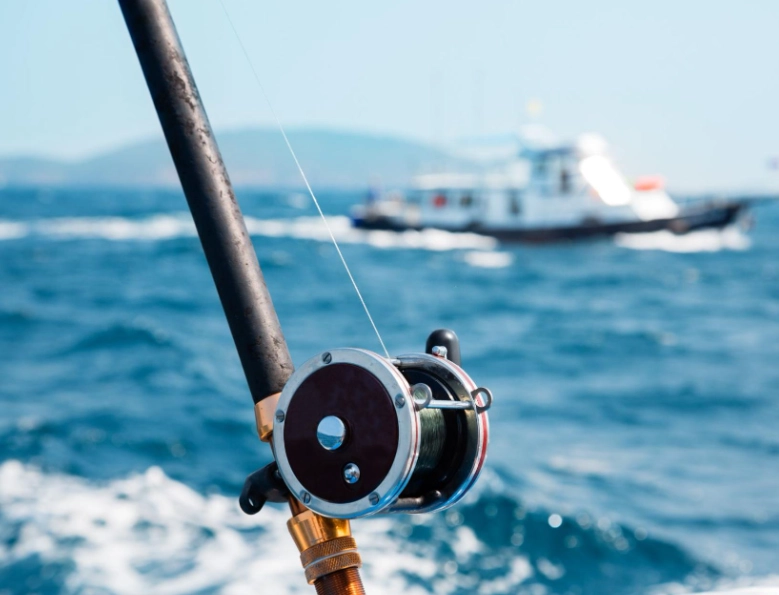
The Real Cost Breakdown (It's More Than The Charter)
Let's get specific. Here’s where the rubber meets the road. These are approximate ranges for popular destinations like Florida, the Gulf Coast, or Southern California.
| Cost Category | Shared Charter (Party Boat) | Private Charter (6 people) | Notes & Hidden Fees |
|---|---|---|---|
| Base Charter Fee | $100 - $250 / person (half-day) | $800 - $2,000+ (full day) | Price varies by boat size, location, season. Peak season (summer) is most expensive. |
| Crew Tip | 15-20% of your ticket | 15-20% of charter fee | Standard practice. The mate often works primarily for tips. |
| Fish Cleaning/Processing | $5 - $15 per fish | $5 - $15 per fish (or per pound for large tuna) | Rarely included. If you catch a lot, this adds up quickly. |
| Fishing License | Usually included | Usually included | Always confirm when booking! |
| Bait & Tackle | Usually included | Usually included, but confirm | Specialized lures or live bait fees may be extra. |
| Food & Drink | May sell snacks, or BYO | Always BYO (cooler with lunch, water, sports drinks) | Don't forget this cost. Hydration is critical. |
| Travel & Lodging | Variable | Variable | If you're not local, add flights, hotel, rental car. |
See that? A $1,200 private charter can easily become a $1,500+ day after tips and fish cleaning. A $150 party boat ticket is really a $180+ day. Budget accordingly.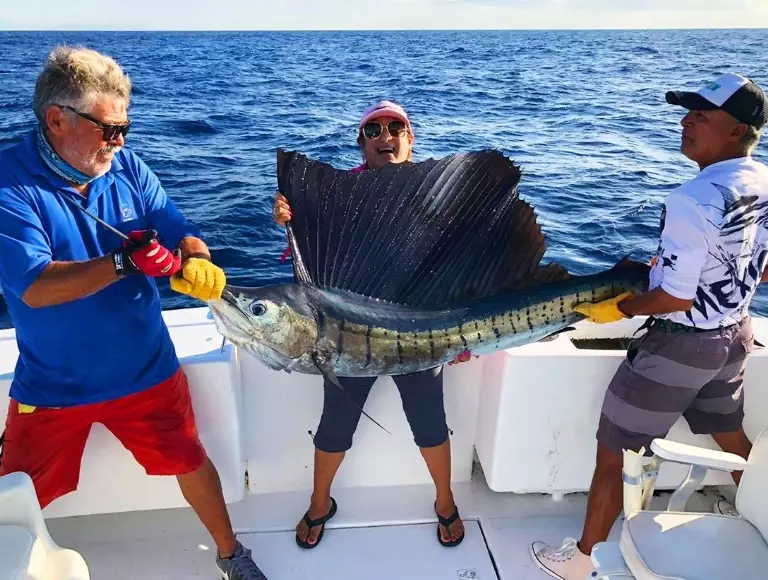
Making It Worth It: A First-Timer's Action Plan
If you're going to do it, do it right. This plan maximizes your chances of a great day.
Step 1: Choose Your Trip Type Wisely. Are you social and budget-conscious? A half-day morning party boat trip is a fantastic, low-commitment introduction. Want a customized, hands-on experience for a special occasion? Book a private 3/4-day charter (6-8 hours). Don't book a multi-day marlin expedition as your first trip.
Step 2: Research Captains, Not Just Prices. Call them. Ask: "What's the typical catch for a trip like this in [current month]? What's your policy if the weather turns bad? How hands-on is your mate with beginners?" Read reviews, but look for details about the crew's attitude, not just fish counts.
Step 3: Pack Like a Pro. Bring: polarized sunglasses (non-negotiable for seeing fish), a hat, sunscreen (reef-safe is becoming a big ask in many areas), a light long-sleeve shirt, motion sickness meds (take them the night BEFORE), a small cooler with lunch/water, and a waterproof bag for your phone. Wear deck shoes or sneakers that can get wet. Do not wear sandals or flip-flops.
Step 4: Manage Your Expectations. Your goal is not to catch a world record. Your goal is to: 1) Stay upright and feel good, 2) Learn something, 3) Enjoy being on the ocean, 4) Maybe catch a fish. Prioritize in that order.
Step 5: Listen and Ask Questions. The crew is your best resource. If you don't understand something, ask. If you're tired, take a break. They want you to have fun and be safe.
The Final Verdict: Who Should Book a Trip?
So, is deep sea fishing worth it?
It's PROBABLY WORTH IT if: You view the cost as payment for an all-day, guided ocean adventure where catching fish is a potential bonus. You're curious about the open ocean and comfortable with some physical discomfort. You're celebrating something special. You have a genuine interest in learning how it's done.
It's PROBABLY NOT WORTH IT if: Your sole metric for success is pounds of fillets in your cooler. You have a very limited budget and any extra costs will cause stress. You are extremely prone to motion sickness in cars and have never been on a small boat. You want total control over the itinerary and schedule.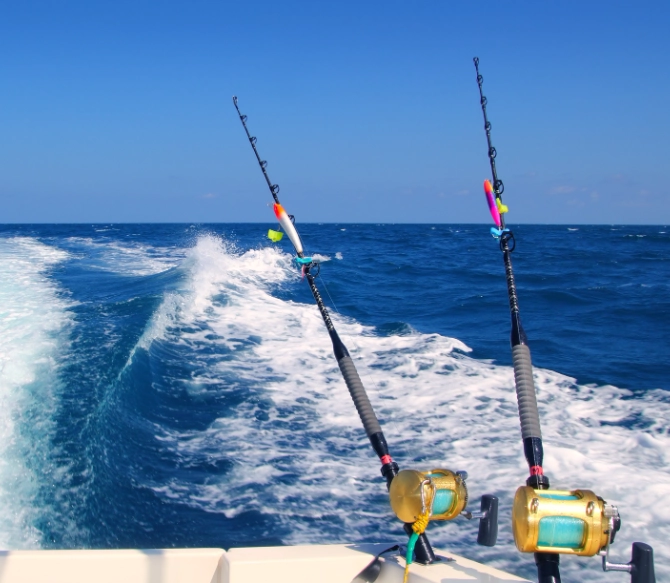
My own first trip, years ago, was a disaster. I was seasick, caught nothing, and thought it was a colossal waste of money. I went back with a different mindset—focused on the experience, medicated properly, with a better crew—and it clicked. Now I save up for a trip every few years. It's not my everyday hobby. It's a special event.
That's the key. Don't think of it as just fishing. Think of it as an oceanic safari. The boat is your rover, the captain your guide, and the fish are the wildlife you're hoping to encounter. With that frame, the value shifts. You're paying for access, expertise, and an encounter with a wild, deep blue part of the planet most people never see.
Your Deep Sea Fishing Questions, Answered
How much does a deep sea fishing trip really cost?
Look beyond the advertised rate. For a shared charter, budget $150-$300 per person all-in. For a private trip for six, expect the final bill to land between $1,500 and $2,500 for the group, once you factor in a 20% tip and fish processing. A "$1,000 charter" is never just $1,000.
What can I do to prevent seasickness on a deep sea trip?
The biggest mistake is waiting until you're on the boat. Start a regimen the night before with meclizine (Bonine) or dimenhydrinate (Dramamine). The prescription scopolamine patch is the gold standard for many. Once onboard, stay on deck in the fresh air, focus on the horizon, and avoid the cabin (especially the head). Eat a plain bagel or crackers, not a greasy breakfast. If you start to feel queasy, tell a crew member immediately and get to the rail on the leeward (downwind) side. They see it every day.
What happens to the fish I catch?
You own them. Most boats have a mate who will clean and fillet them for a fee, usually while you're heading back to port. You then take your fillets in a bag. Have a plan: either a cooler with ice for travel, or a pre-arranged "cook your catch" deal with a local restaurant. You can also choose to release fish, which is encouraged for out-of-season or undersized catches. Never assume the boat will keep them for you.
What kind of fish can I realistically catch on a first-time trip?
On a standard full-day trip in the Atlantic or Gulf, common targets are snapper (red, mangrove), grouper (when in season), king mackerel, amberjack, and mahi-mahi. On the Pacific, you might find yellowtail, dorado, or yellowfin tuna. True giants like bluefin tuna or marlin require specialized, often multi-day, trips far offshore. A good captain will set you up for species that are active and provide a good fight for your skill level.
Reader Comments