Deep-Sea Fishing: The Complete Guide to Offshore Angling
What is deep-sea fishing and how can you get started? This comprehensive guide covers everything from essential gear and techniques to planning your first trip, overcoming common challenges like seasickness, and finding the best locations for an unforgettable adventure.
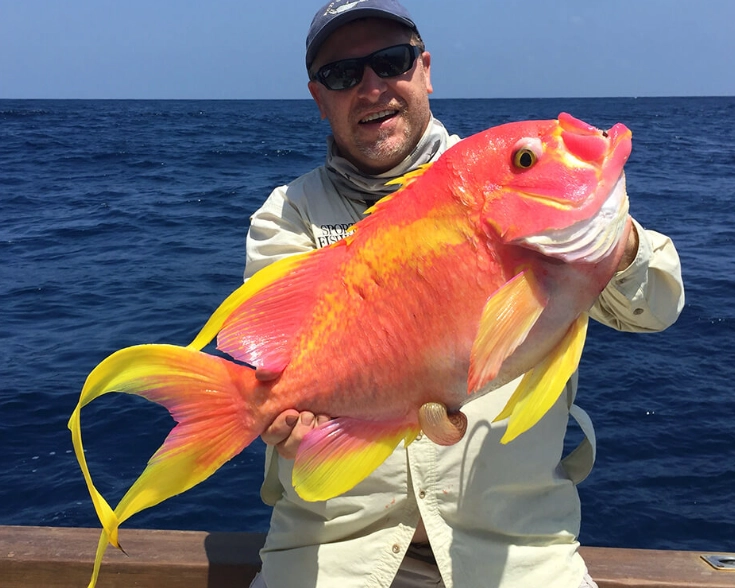
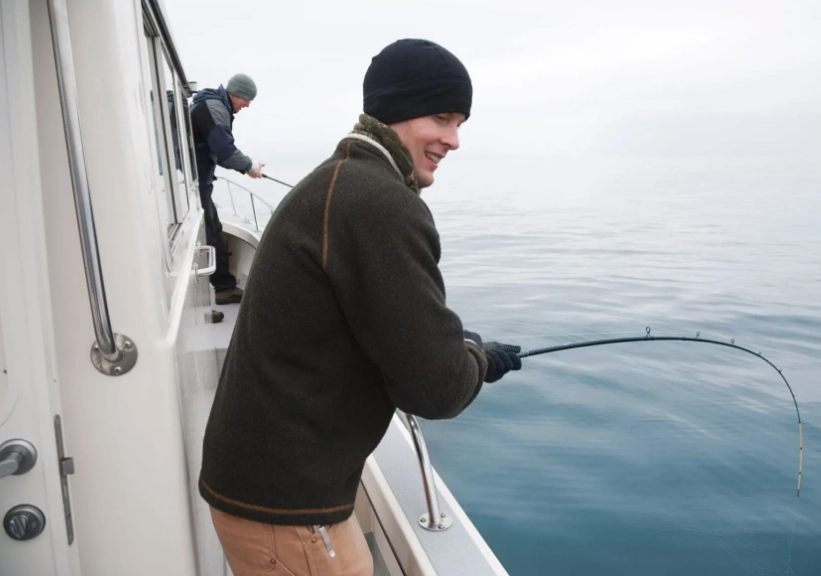
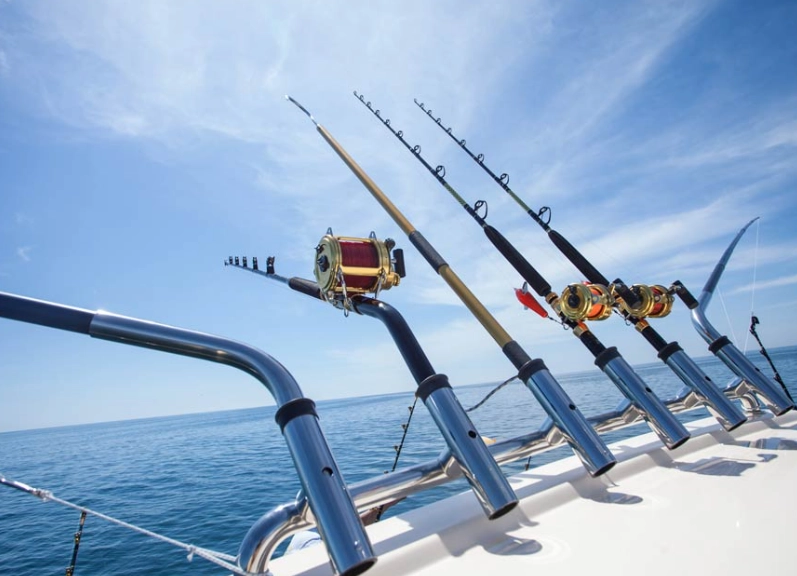
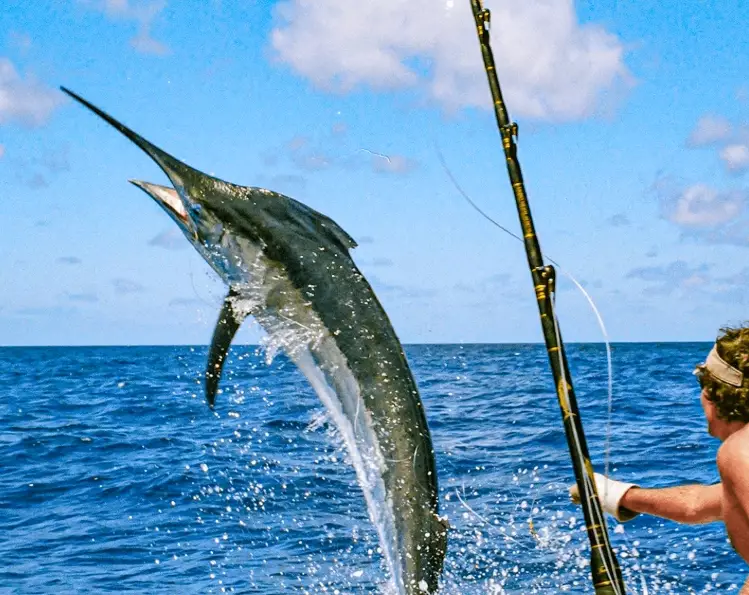
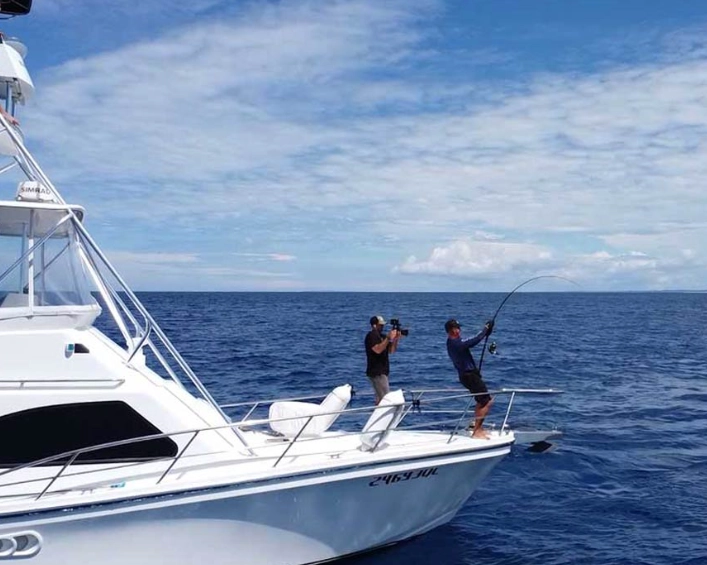
Deep-sea fishing isn't just fishing—it's an adventure on open water, chasing fish that fight harder and swim deeper than anything near shore. If you've ever wondered what it's like to battle a tuna in the Gulf or hook a marlin off Costa Rica, this guide breaks it down. I've spent over a decade on charter boats, from messy beginnings to smooth sails, and I'll share the real deal, not the glossy brochure stuff. Deep-sea fishing, often called offshore fishing, means heading miles out into the ocean, typically beyond sight of land, to target pelagic species like tuna, marlin, and mahi-mahi. It's different from inshore fishing—you're dealing with deeper waters, bigger waves, and fish that can weigh hundreds of pounds. The thrill? It's raw and unpredictable. One minute you're sipping coffee, the next you're wrestling a swordfish that feels like a truck. But here's a nuance most guides skip: deep-sea fishing isn't just about depth. It's about water temperature and currents. Fish like marlin follow warm currents, so successful trips hinge on reading marine charts and weather reports. I once joined a trip off Florida where the captain ignored a cold front; we caught nothing but jellyfish. Lesson learned: always check sources like NOAA for ocean conditions. You can't just grab a lake rod and hope for the best. Offshore gear is built for punishment. Let's cut through the marketing hype. For beginners, a medium-heavy trolling rod paired with a conventional reel is your workhorse. Brands like Penn and Shimano offer reliable options under $200. Avoid fancy high-speed reels—they're overkill unless you're targeting fast tuna. I made that mistake early on; a $500 reel gathered dust while my basic setup landed fish after fish. Live bait like squid or ballyhoo outperforms artificial lures for many species, but it's messier and pricier. Lures are great for trolling—cedar plugs and skirted lures mimic fleeing prey. Pro tip: match the hatch. If birds are diving on baitfish, use lures that mimic those. I've seen anglers swap lures every hour, but consistency often wins. This is where beginners skimp. Beyond life jackets, pack a personal locator beacon (PLB), especially on private boats. Seas can turn fast. Also, a good knife—not for fish, but for cutting tangled lines. I once saw a rookie almost go overboard because his line snagged; a sharp knife saved the day. Planning makes or breaks your experience. Let's walk through a hypothetical first-timer, Sarah, who wants to fish off Florida. Sarah starts by researching charters. She picks a half-day shared charter from Miami—costs $250 per person. She books two months ahead for a summer slot, when mahi-mahi are abundant. Key step: she calls the captain to ask about crew experience and boat maintenance. Many websites gloss over this, but a rusty boat means more downtime. Next, gear. Sarah rents a rod from the charter ($30 extra) but brings her own sunscreen and motion sickness bands. She checks license requirements online—Florida needs a saltwater fishing license, which she buys for $17. Packing light: a small backpack with water, snacks, and a waterproof jacket. I've seen people haul coolers; boats provide fish storage, so don't bother. Day of the trip: Sarah arrives 30 minutes early, meets the crew, and listens closely to the safety briefing. They head 15 miles offshore. The captain uses fish finders to locate a weed line—a floating patch of seaweed that attracts fish. Within an hour, Sarah hooks a mahi-mahi. It's not huge, but the fight is exhilarating. She learns to let the drag do the work, a subtle technique many miss. Cost breakdown for Sarah's trip: Charter $250 + License $17 + Tips $40 + Extras $30 = Around $337. Worth it? She says yes, but notes that seasickness almost ruined it—she took meds too late. Deep-sea fishing throws curveballs. Here’s how to dodge them. Seasickness: The big one. Most advice says "take pills," but timing is everything. Start medication like meclizine 24 hours before. On the boat, stay on deck, focus on the horizon, and avoid heavy foods. I still get queasy on rough days, but ginger chews help more than I expected. Weather woes: Storms can pop up fast. Always check forecasts via NOAA Weather Radio. If the captain says turn back, listen. I ignored this once off California; we got soaked and caught nothing. Better to lose a day than risk safety. Fish not biting: Patience is key, but so is adaptability. Switch baits, adjust trolling speed, or move locations. A common mistake: anglers stick to one spot too long. Fish move with tides—time your trip with tide charts for better luck. Gear failures: Saltwater eats gear. Rinse reels after each trip, even if charter provided. I’ve seen reels seize up mid-fight from neglect. Carry a small toolkit: pliers, extra hooks, line cutter. Mental challenge? It's real. Offshore fishing tests your stamina. Stay hydrated, take breaks, and don’t compare your catch to others. My first trip, I envied the guy landing tuna while I got skunked. Later, I learned he’d been doing this for years—comparison kills joy. Deep-sea fishing is more than a hobby; it’s a test of skill and spirit. Whether you’re chasing trophy fish or just the horizon, preparation trumps luck. Start with a short trip, learn from the sea, and remember—every angler was a beginner once. The ocean doesn’t care about your experience, but it rewards respect. Now, go get your line wet.What You'll Learn in This Guide
What Exactly is Deep-Sea Fishing?
Essential Gear for Offshore Angling
Rods and Reels: Choosing the Right Setup
Bait and Lures: What Works Best Offshore
Safety Equipment You Can't Afford to Forget
Gear Type
Recommendation
Approx. Cost
Why It Matters
Rod
Medium-heavy trolling rod
$100-$300
Handles big fish without breaking
Reel
Conventional reel with 30-50 lb line
$150-$400
Durability for saltwater corrosion
Bait
Live squid or ballyhoo
$20-$50 per trip
Attracts larger predatory fish
Safety
Personal locator beacon (PLB)
$200-$400
Critical for emergency rescues
How to Plan Your First Deep-Sea Fishing Trip
Common Challenges and How to Overcome Them
FAQ: Your Deep-Sea Fishing Questions Answered