Commercial Deep Sea Fishing: A Practical Guide from Catch to Market
What does it really take to run a profitable commercial deep sea fishing operation? This no-nonsense guide dives into the licenses, high-tech gear, vessel operations, and market strategies that separate the pros from the amateurs.
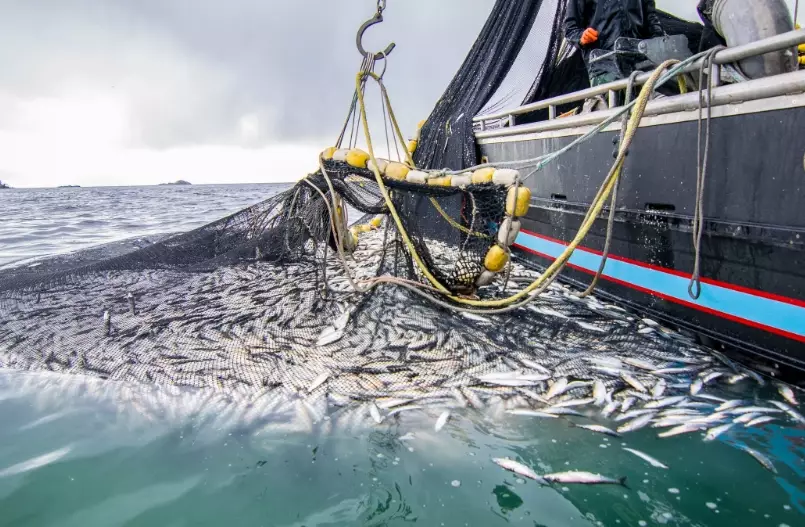
I remember my first time on a real commercial boat, not some charter pretending to be tough. It was 3 AM, the deck was slick, and the noise was a constant, bone-deep thrum. This wasn't about catching a trophy; it was a factory floor on a shifting, heaving foundation. That's the reality of commercial deep sea fishing. It's an industry, a complex supply chain that starts hundreds of miles offshore and ends on dinner plates across the globe. Forget the romanticized version. We're talking about vessels that cost more than most houses, crews working 20-hour shifts in all weather, and a web of regulations thicker than a nautical chart. If you're here because you're curious about the business, or maybe even crazy enough to consider it, you need the unvarnished truth. Not the brochure. Before you even smell saltwater, you're buried in paperwork. This is the biggest filter. Commercial fishing regulations are a layered cake of federal, regional, state, and sometimes international rules. The National Oceanic and Atmospheric Administration (NOAA) Fisheries is your primary federal touchpoint. You don't just get a "fishing license." You get permits for specific fisheries—like the Highly Migratory Species (HMS) permit for tuna and swordfish, or a permit for the Gulf of Mexico reef fish fishery. Each has its own season, quota, catch limits, and reporting requirements. Then come the regional Fishery Management Councils. These bodies set rules for their areas. You need to know if your target species is under a Individual Fishing Quota (IFQ) system, where you own or lease a share of the total allowable catch. This turns fishing rights into a tradeable asset. It creates stability but raises the barrier to entry significantly. Finally, state laws govern where you can land your catch, safety inspections, and even what happens to your fish waste. It's a full-time job just staying compliant. We're not talking about rods and reels. Deep sea fishing gear is industrial equipment. Your choice dictates your target, your efficiency, and your environmental footprint. The real cost isn't just the gear. It's the hydraulic systems to haul it, the reels to store it, and the constant repair. A single longline snap or a torn trawl net can cost thousands and waste a whole day. The boat is your mobile base, your processor, and your crew's home. Vessel operations are where planning meets chaos. Take a typical longliner, 60-80 feet long. The day starts before dawn. The crew sets the line, a meticulous process of attaching buoys, leaders, and baited hooks. This can take hours. Then you wait. And watch weather systems like a hawk. Hauling back is the intense part. The line comes in, fish are gaffed aboard, and the processing begins immediately. This is where quality is made or lost. Then it's grading, gutting, and into the refrigerated seawater (RSW) hold. The RSW system is another critical piece of tech—it chills the fish to just above freezing in a slurry, preserving texture far better than just stacking ice. The crew works in a fast, slippery, dangerous rhythm for hours. This is the hardest part. It's grueling, isolated work. Good deckhands know fishing, mechanics, and have a high pain tolerance. They're paid a share of the catch (a "lay"), not a salary. A bad trip means everyone goes home broke. Finding people who can handle this, trip after trip, is a constant struggle for boat owners. The catch is worthless until it's sold. The market chain is opaque to newcomers. You have the traditional route: sell to a processor or "buy boat" at the dock. They weigh your catch, give you a price based on daily market rates, and that's it. It's simple but leaves money on the table. The processor handles distribution, packaging, and gets the bigger margin. The modern, more profitable model for smaller operators is direct sales. This means building relationships with high-end restaurants, supplying community-supported fisheries (CSFs), or selling at premium seafood markets. You get a much better price, but now you're also in the marketing, logistics, and customer service business. You need a website, you need to handle deliveries, and your reputation for quality is everything. Let's run a hypothetical for a small longline vessel targeting yellowfin tuna: See the difference? The business model is as important as the fishing skill. You can't operate in a vacuum. NGOs, consumers, and retailers are demanding sustainable seafood. This isn't just feel-good stuff; it's market access. Certifications like the Marine Stewardship Council (MSC) are gold standards. Getting certified is a long, expensive audit of your fishing practices, stock health, and ecosystem impact. But once you have it, major buyers like supermarkets and chain restaurants will pay more and guarantee purchase. More immediately, you have to deal with bycatch. Regulations strictly limit the accidental catch of non-target species like dolphins, turtles, or certain sharks. Your gear must be modified (e.g., turtle excluder devices in trawls, circle hooks on longlines), and you must report all bycatch. Exceed limits, and the fishery can be shut down. The public perception battle is constant. One bad video of bycatch or habitat damage can go viral and sink a fishery's reputation. The smart operators are now proactive—using social media to show their careful practices, inviting observers on board, and transparently reporting their catch. So, is commercial deep sea fishing just fishing on a bigger scale? Not even close. It's agriculture, it's manufacturing, it's international logistics, and it's navigating a minefield of regulations—all conducted on one of the most unpredictable environments on Earth. The romance is in the challenge and the independence. The reality is in the relentless focus on details: the precise cut of a knife, the reading of a sonar screen, the lines on a permit, and the handshake with a chef. Miss one, and the whole venture can founder.What You're Getting Into
The Legal Maze You Can't Ignore
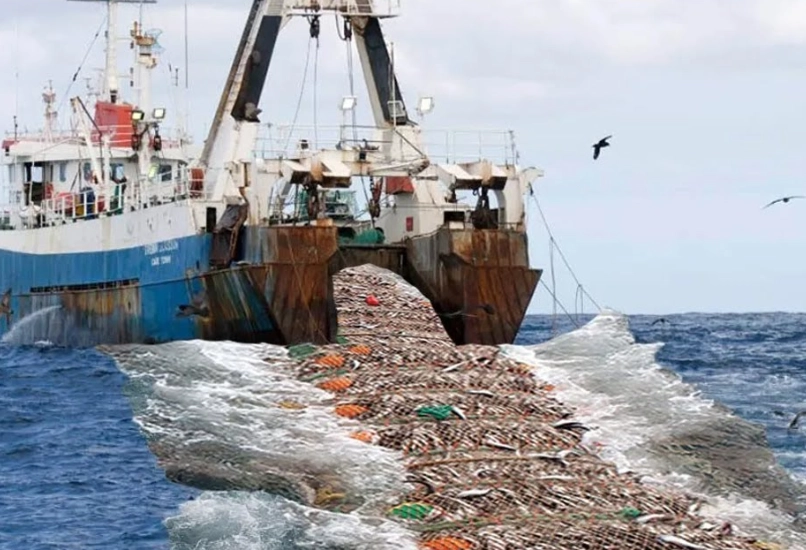
Gear Isn't Just Tackle, It's Your Capital
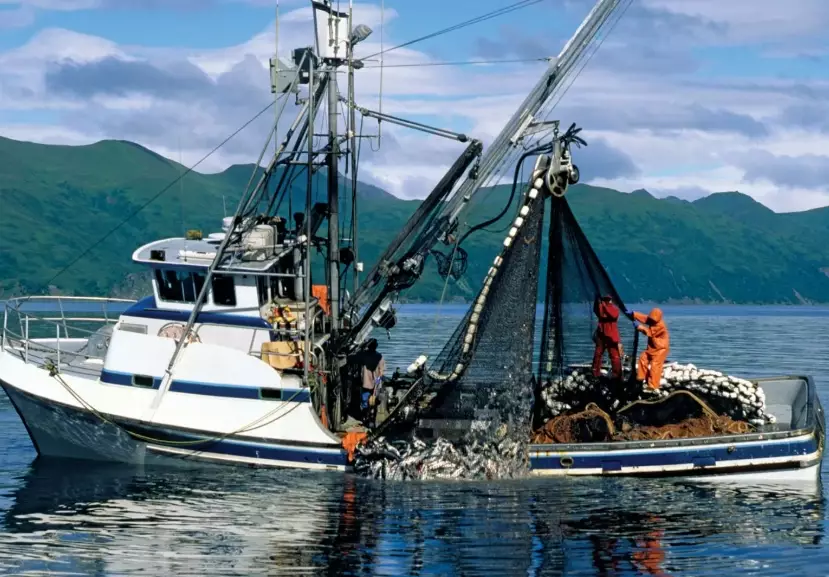
Gear Type
Target Species
Key Investment & Nuance
Longline
Tuna, Swordfish, Halibut
Miles of mainline with thousands of hooks. The debate is between shallow-set (swordfish) and deep-set (tuna). Bycatch mitigation (like using circle hooks to reduce turtle/seabird catch) is now legally mandated and a major operational focus.
Pelagic Trawl
Mid-water fish (Pollock, Whiting)
The net is huge, towed by massive vessels. Fuel is the #1 cost. Success depends on sophisticated sonar technology to locate schools with precision, avoiding bycatch and empty tows.
Pot/Trap
Crabs, Lobsters, Sablefish
"Pots" are large cages. The skill is in baiting, placement, and timing retrieval before predators raid them. Ropes must be "sinking" or specially marked to avoid whale entanglements—a huge regulatory and PR issue.
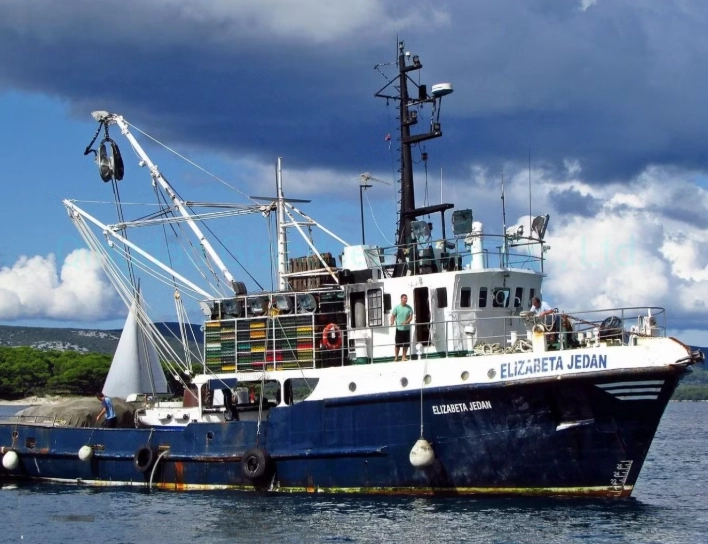
A Day on the Factory Floor (The Vessel)
The Human Factor: Finding and Keeping a Crew
From Hold to Market: Where the Money Is
The Sustainability Pressure Cooker
Straight Answers to Hard Questions