Where to Fish for Salmon in the US: A State-by-State Guide
Wondering what states you can fish for salmon in? This detailed guide covers prime locations from Alaska to the Great Lakes, including seasons, species, and essential tips for planning your trip.
So you want to catch a salmon. That iconic, powerful fish that fights like nothing else. But the United States is a big place. Figuring out exactly what states you can fish for salmon in is the first, crucial step that trips up a lot of anglers. It's not just about finding water—it's about finding the right water, at the right time, for the right fish. Let's cut through the noise. Salmon fishing in the US isn't evenly distributed. Your opportunities cluster in a few key regions, each with its own character, rules, and challenges. I've spent over a decade chasing these fish from remote Alaska rivers to the urban piers of Lake Michigan, and the differences are stark. One common misconception? That "salmon state" automatically means easy fishing. Nothing could be further from the truth. If salmon fishing had a capital, it would be in Alaska. This isn't just a state for salmon; for many, it's the state. The sheer abundance and size of the fish here are unmatched. We're talking about all five Pacific salmon species: Chinook (King), Sockeye (Red), Coho (Silver), Pink (Humpy), and Chum (Dog). But here's the thing they don't always tell you: Alaska is a continent unto itself. Fishing the Kenai Peninsula is a world away from the Bristol Bay region. Southcentral Alaska (Kenai Peninsula, Prince William Sound): This is the most accessible zone, with road-accessible rivers like the famous Kenai and Russian Rivers. The Kenai is legendary for its massive, trophy-sized Chinook, but the combat fishing for Sockeye in July is a cultural experience all its own—think shoulder-to-shoulder anglers in waders. It's not for the claustrophobic. Bristol Bay Region: This is the epicenter for the world's largest Sockeye salmon run. It's remote, fly-in only, and expensive. You're not just fishing; you're immersing yourself in a pristine ecosystem. The Naknek, Kvichak, and Alagnak rivers are hallowed ground. The fish are numerous, but the weather and bugs are equally formidable. Southeast Alaska (Panhandle): Think rainforests, islands, and a mix of saltwater and river fishing. Towns like Juneau, Ketchikan, and Sitka offer incredible saltwater charter fishing for Chinook and Coho. The freshwater streams get strong runs of Coho and Pinks in the fall. The scenery alone is worth the trip. This is where salmon fishing culture runs deep. Washington and Oregon offer an incredible diversity of fisheries, from the open Pacific Ocean to massive river systems like the Columbia. The dynamic here is different from Alaska. Runs are often more constrained, hatchery programs are critical, and regulations are incredibly complex to protect wild, endangered stocks. You need to pay attention to details like "hatchery-marked only" areas, where you can only keep fish with a clipped adipose fin. A subtle mistake I see? Anglers see "the Columbia River is open" and think it's a free-for-all. In reality, specific sections open and close based on fish counts, and gear restrictions (like barbless hooks only) are common. Always, and I mean always, check the Washington Department of Fish and Wildlife or Oregon Department of Fish and Wildlife regulations for the exact water you plan to fish the week of your trip. Don't overlook the Midwest. The introduction of Pacific salmon (primarily Chinook and Coho) into the Great Lakes in the 1960s created a world-class fishery that's incredibly accessible to millions of anglers. This isn't a substitute for the Pacific—it's its own unique and fantastic experience. The fish here grow fat on a diet of alewives and other baitfish. They don't have to navigate thousands of miles of ocean, so they put all that energy into becoming brutes. A 30-pound Chinook from Lake Michigan is not unusual. Michigan: The king of the Great Lakes salmon scene. Major ports like Ludington, Manistee, Muskegon, and Holland have huge charter fleets. The spring fishery (April-June) targets mature kings staging near river mouths. Summer sees deep-water trolling. Fall brings the famous river runs, particularly in the Manistee, Betsie, and Pere Marquette rivers. Wisconsin: Shares Lake Michigan and has a stellar fishery. Sheboygan, Port Washington, and Kewaunee are hotspots. Door County is a gem. The Kewaunee River run in fall is a spectacle. New York: Focuses on Lake Ontario and its tributaries. The Salmon River near Pulaski is arguably the most famous salmon river in the East, known for its intense fall run and, frankly, often shoulder-to-shoulder fishing conditions. Other Players: Illinois (Chicago harbors!), Indiana, Ohio, and Pennsylvania (Lake Erie tributaries) all offer salmon fishing, primarily in the lakes or near shore. The beauty of the Great Lakes? You can have a successful trip without a boat. Pier fishing in the fall, when salmon cruise the shoreline, is a legitimate and exciting tactic. It democratizes the sport. Salmon pop up in other places, but the fisheries are more limited or niche. Don't plan a cross-country trip around these, but they're worth knowing if you're in the area. California: Historically a giant, now a shadow of its former self due to water issues and habitat loss. There's still a Klamath River fall Chinook run, and some ocean fishing out of Crescent City or Fort Bragg. The Sacramento River has a spring and fall run, but regulations are very restrictive to protect endangered stocks. It's a fishery for the dedicated local, not the casual visitor seeking abundance. Maine: Home to the last remaining wild Atlantic salmon runs in the US, but they are endangered and strictly catch-and-release (if the river is even open). This is a conservation pilgrimage, not a meat fishery. New Hampshire & Connecticut: Stock landlocked Atlantic salmon in certain lakes. These are freshwater residents, not ocean-runners, and provide a unique stillwater fishing experience. Knowing the states is just step one. Making your trip successful is step two, and it's where most plans fall apart. Timing is Everything: Salmon are migratory. A river that's dead one week can be packed with fish the next. Use state fish count websites (like the Fish Passage Center for Columbia River counts) to track run timing. Call local bait shops—they have the ground truth. Regulations Are Not Suggestions: This is the biggest pitfall. You need: Gear Up Correctly: A medium-light trout rod won't cut it. For river fishing, a 9-10 foot medium-heavy to heavy power rod for casting spoons or back-trolling plugs is standard. For the Great Lakes or ocean, stout trolling rods are the norm. Your reel must have a smooth, reliable drag. I've seen more fish lost to cheap, jerky drags than any other cause. Consider your own skill and budget. A fully guided trip in Alaska is the pinnacle but costs thousands. A DIY pier fishing trip in Wisconsin might cost you $50 for a license and some lures. Both can be incredibly rewarding.Your Salmon Fishing Roadmap
Alaska: The Undeniable King
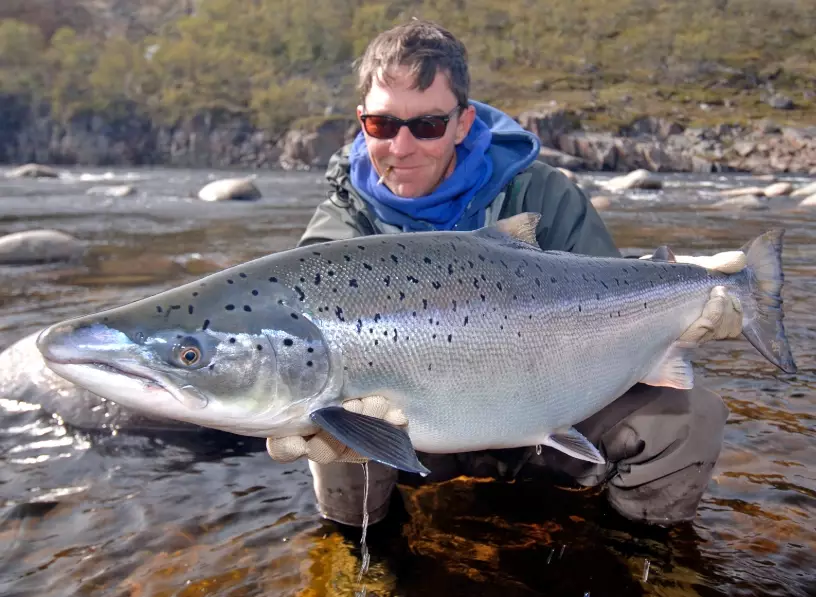
Prime Locations & What You'll Find
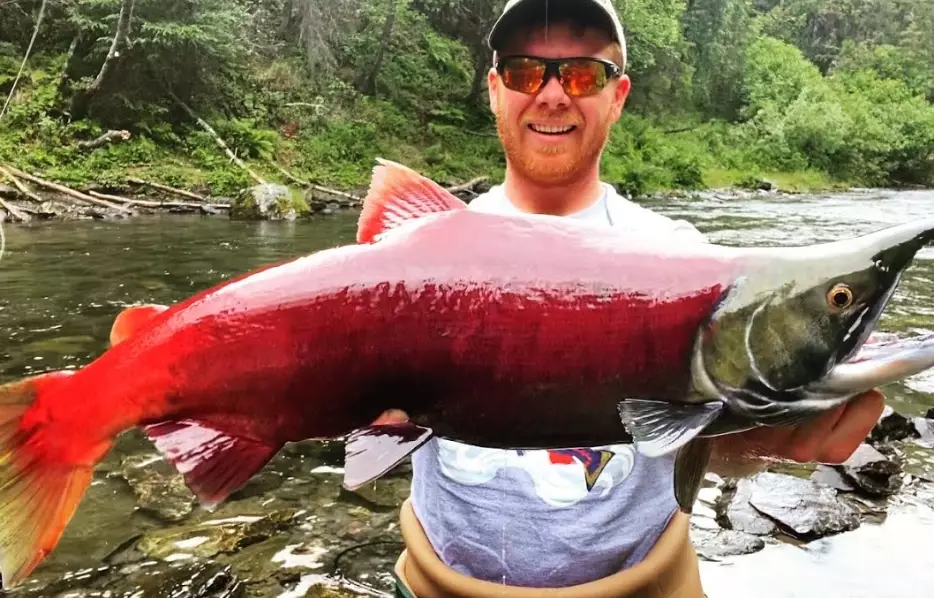
Pacific Northwest: The Classic Battleground
State
Key Salmon Species
Prime Fisheries & Notes
Washington
Chinook, Coho, Pink (odd years), Sockeye, Chum
Columbia River: The artery of the system. Spring and fall Chinook, fall Coho. Puget Sound: Blackmouth (resident Chinook) in winter, migrating salmon in summer/fall. Coastal Rivers: The Hoh, Queets, and Sol Duc offer legendary wild Coho fishing. The Skagit River is famous for its fall-run Chinook and Steelhead.
Oregon
Chinook, Coho, Chum, Sockeye (limited)
Columbia River: Shares the fishery with WA. Buoy 10 (estuary) is a chaotic and famous fishery for Chinook in August/Sept. Coastal Rivers: The Rogue, Umpqua, and Wilson rivers are iconic for spring and fall Chinook. Ocean: Great charter fishing out of ports like Depoe Bay and Newport.
The Great Lakes: A Surprising Powerhouse
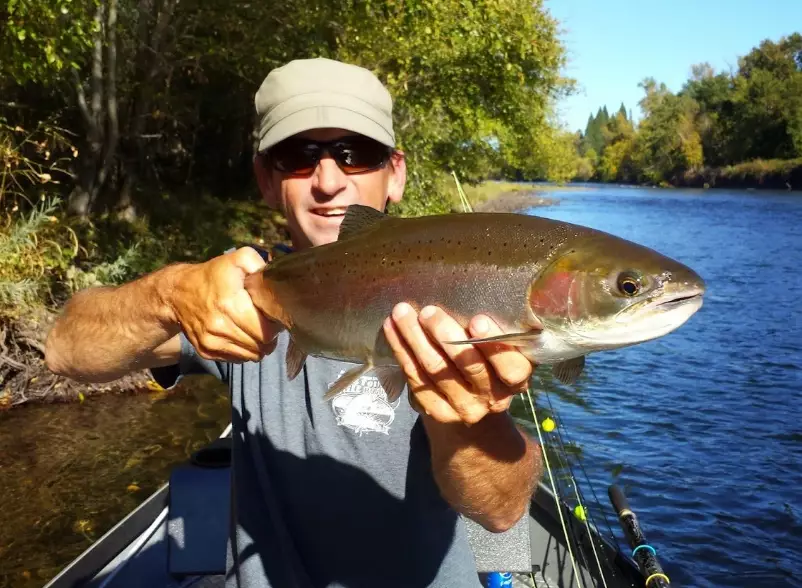
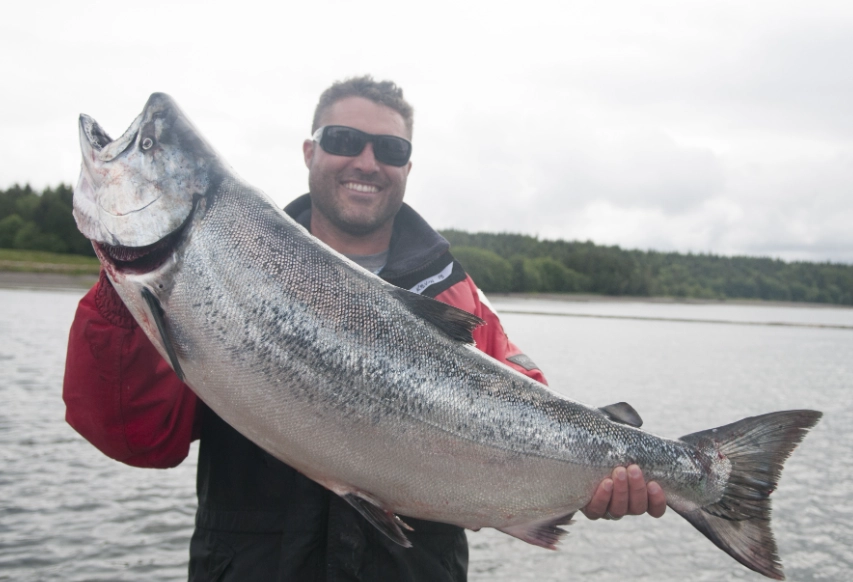
Other States with Salmon Opportunities
Planning Your Trip: Beyond the Map
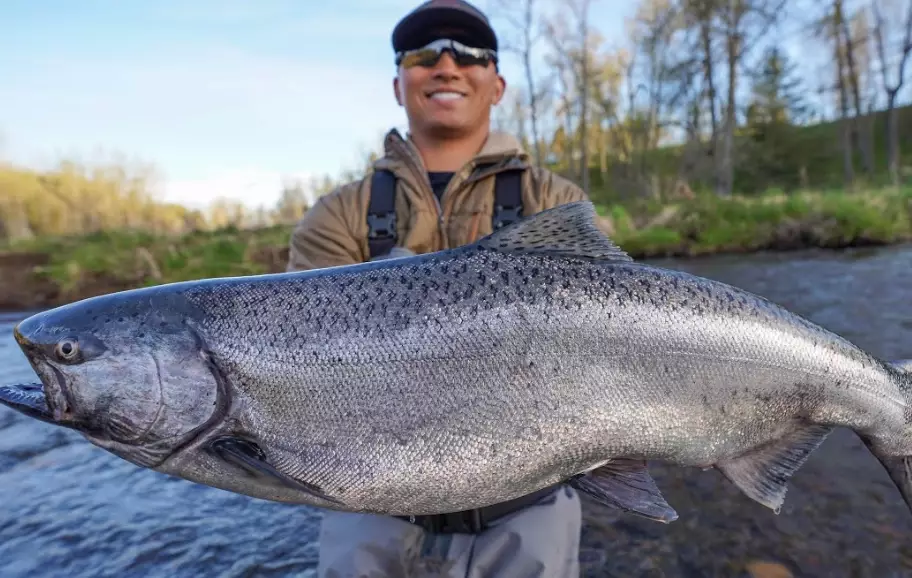
1. A valid state fishing license.
2. Often, a salmon/steelhead endorsement or stamp.
3. Knowledge of area-specific rules: Is it barbless only? Hatchery fish only? What's the slot limit?
Fines are steep, and conservation depends on these rules.
Your Salmon Fishing Questions Answered