The Best Way to Fish Salmon: A Complete Guide to Success
Wondering what the best way to fish salmon is? There's no single answer, but mastering a few core principles will dramatically increase your success. This complete guide covers proven techniques, essential gear, location secrets, and timing strategies used by experienced anglers.
Ask ten anglers the best way to fish salmon, and you might get twelve different answers. That's because there isn't one single "best" method. The real answer depends on where you are, what species you're after, the time of year, and the conditions on the water. But after years of chasing Chinook, Coho, and Sockeye from Alaska to the Great Lakes, I can tell you this: success comes from understanding a core set of principles and adapting them. It's less about a magic lure and more about a strategic approach. Let's cut through the noise. I've seen too many beginners spend a fortune on gear they don't need while missing the fundamental details that actually catch fish. Before we talk rods and reels, let's get the mindset right. Ignore these, and you'll struggle. Find the Fish. Sounds obvious, right? But you'd be surprised how many people cast blindly. Salmon are migratory and follow specific paths (called migration corridors) and hold in specific types of water. They relate to structure (drop-offs, reefs, river mouths), temperature breaks, and current seams. Your first job is to think like a salmon. Where would they travel? Where would they stop to rest or feed? Electronics like fish finders help from a boat, but from shore, you're reading the water—looking for deeper holes, faster current next to slow water, or any obstruction. Match the Hatch (or the Mood). Salmon eat different things at different life stages. In the ocean or large lakes, they feast on baitfish like herring, anchovies, and smelt. In rivers, they might key in on salmon eggs (roe) or even insects, though they're not actively feeding during the spawn. Your lure or bait should imitate what's locally abundant. A green-and-white spoon might mimic an alewife in the Great Lakes. A cluster of salmon eggs is irresistible in a river. Do some research or talk to local bait shops. Here's a subtle mistake few talk about: People get obsessed with lure color but ignore profile and action. In clear water, the size, shape, and swimming action of your lure are often more important than whether it's green or blue. A plug that wobbles erratically can trigger a reaction strike even when salmon aren't feeding aggressively. Control Your Depth. This is critical. Salmon suspend at specific depths, often related to water temperature (they prefer water around 50-55°F / 10-13°C) and the depth of their food. If your offering isn't in the strike zone, you won't get bit. Trollers use downriggers, divers, or weighted lines. Casters count down their retrieve or use sinking lines. Never just guess. Most successful salmon fishing boils down to two broad approaches: trolling and casting. Each has its place. Trolling involves dragging lures or bait behind a moving boat. It's incredibly effective for covering large areas of open water like lakes, reservoirs, and the ocean to locate schools of fish. The key is a controlled, systematic search. You're not just driving around. You're running a spread of lines at different depths and distances behind the boat. Use planer boards to spread lines wide and avoid spooking fish. The most common trolling setups involve: This is hands-on, active fishing. From a riverbank, pier, or beach, you're presenting lures or bait directly to likely holding spots. You don't need a $1000 rod to start, but you do need gear that won't fail. Here's the breakdown of what actually matters. The Rod & Reel Combo: Terminal Tackle You Can't Skip: Lure Selection Starter Kit: Don't buy one of everything. Start with proven patterns. This is where local knowledge pays off, but you can develop it yourself. Start with the migration routes. Salmon return to their natal rivers to spawn. So, find the rivers that have runs, and then work out from there. The areas just outside a river mouth (the "staging areas") are often hotspots weeks before the fish enter the river. In the Great Lakes, salmon congregate near temperature breaks and around baitfish schools over deep water—often marked by flocks of birds. For river fishing, focus on transition zones. Where fast water meets slow water (a seam). The downstream side of a boulder or logjam (a cushion). The head or tail of a deep pool. These are resting spots. Early in the run, fish are nearer the mouth and in deeper, slower pools. As the run progresses, they move upstream. My personal rule: spend the first hour of any new spot just observing. Watch where other (successful) anglers are fishing. Look for bubbles, slicks, or any sign of fish. Check the regulations for the specific water body—rules on bait, barbless hooks, and catch limits vary wildly. A great resource is often the website of your state's Department of Fish and Wildlife (like the Washington Department of Fish and Wildlife or the Alaska Department of Fish and Game). They publish run timing reports and sometimes even weekly fishing updates. Time of day, tide, and season are huge factors. Season: This is dictated by the salmon run. For Pacific species, late summer through fall is prime. For Great Lakes Chinook, summer (offshore) and early fall (near rivers) are best. Atlantic salmon seasons vary by region. Know your local run timing. Time of Day: Low-light periods are classic—dawn and dusk. But don't pack up at 10 AM. On overcast days, the bite can last all day. In bright sun, fish often go deeper. In rivers, a slight rise in water level (from rain or upstream dam release) can trigger a move and turn the bite on. Tides (for saltwater/estuary): The hour before and after a tide change (slack tide) is frequently the most productive. Moving water concentrates bait and activates fish. Here's an expert insight most blogs miss: Water temperature is the master switch. I've had days where the bite completely died when the surface layer warmed by just 2 degrees. That's when you either go deep with downriggers or switch to a river where the current keeps water cooler. Carry a cheap thermometer. If it's 60°F on the surface, the fish are likely 20-40 feet down where it's closer to 52°F. So, what's the best way to fish salmon? It's the way that puts a properly presented offering in front of a fish, at the right depth, in a place where salmon want to be. Start with the fundamentals in this guide—location, depth, presentation. Master one technique that fits your local water. Talk to other anglers, stay observant, and be ready to adapt. The thrill of that rod bending over under the weight of a powerful salmon makes figuring it all out worth every minute.Your Quick Guide to Catching More Salmon
The Non-Negotiable Principles of Salmon Fishing
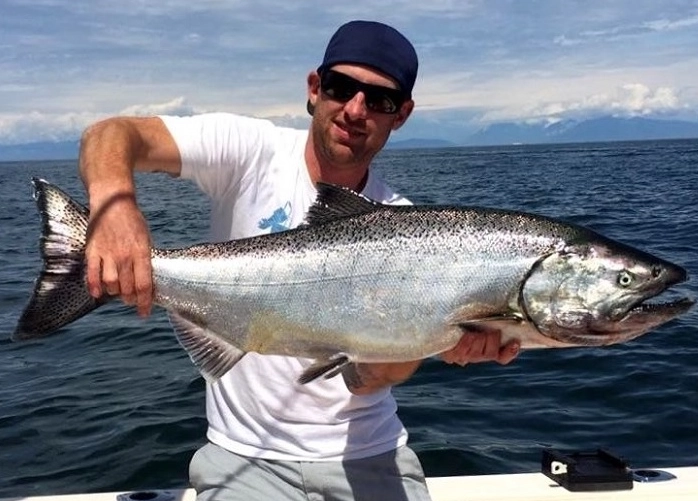
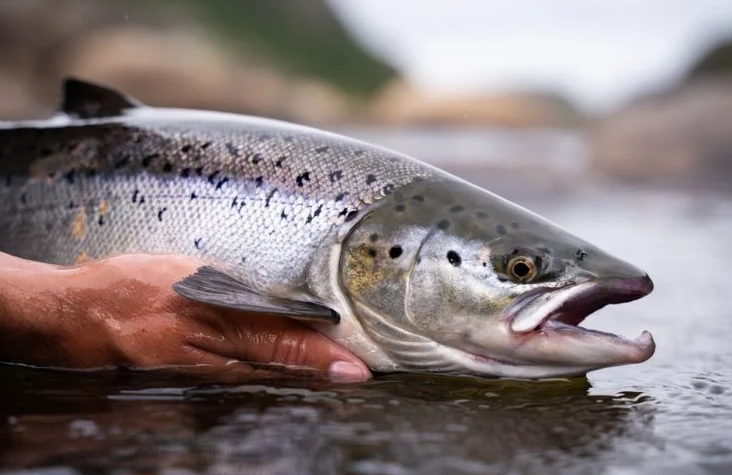
Master the Two Primary Salmon Fishing Techniques
Trolling: Covering Water to Find Active Fish
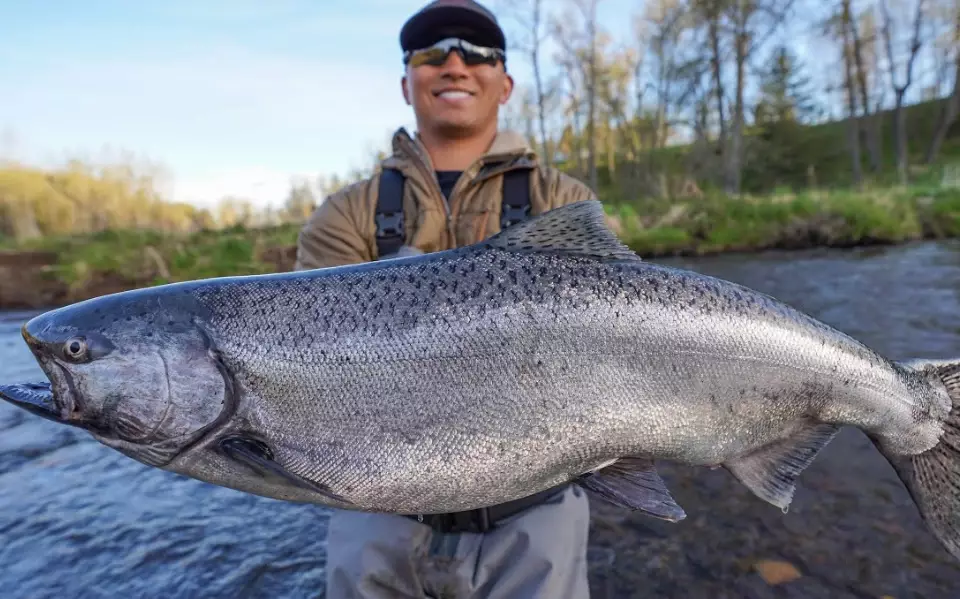
Casting & Drifting: Precision in Rivers and Near Shore
Technique
Best For
Key Gear
Skill Level
Trolling
Open water (lakes, ocean), covering ground, locating schools
Boat, rods with line counters, downriggers/divers, spoons/plugs/bait
Intermediate
Drift Fishing
Rivers & streams, precise bottom presentation
Longer rod (9-10 ft), spinning reel, sliding sinkers, roe/bait hooks
Beginner to Intermediate
Casting Lures
Shore, piers, river mouths, active fishing
Medium-heavy rod, spinning or casting reel, assortment of spoons/spinners
Beginner
Essential Gear for Salmon Fishing Success
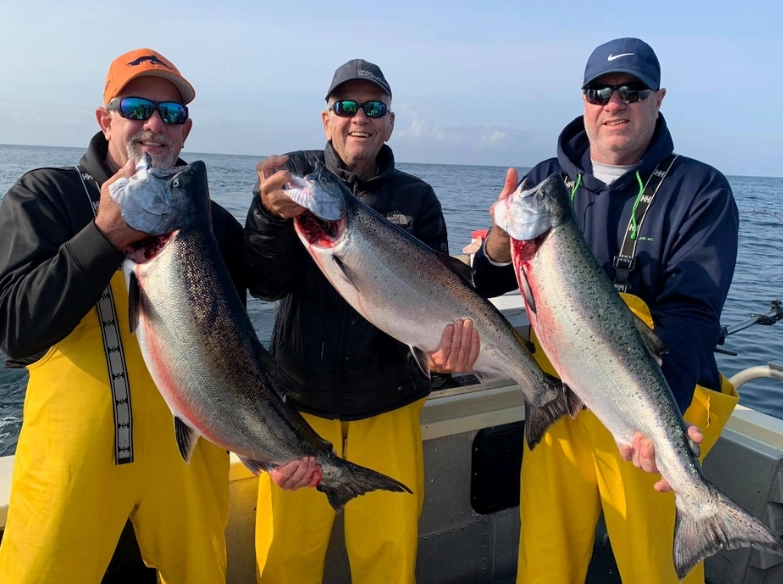
How Do You Choose the Right Salmon Fishing Location?
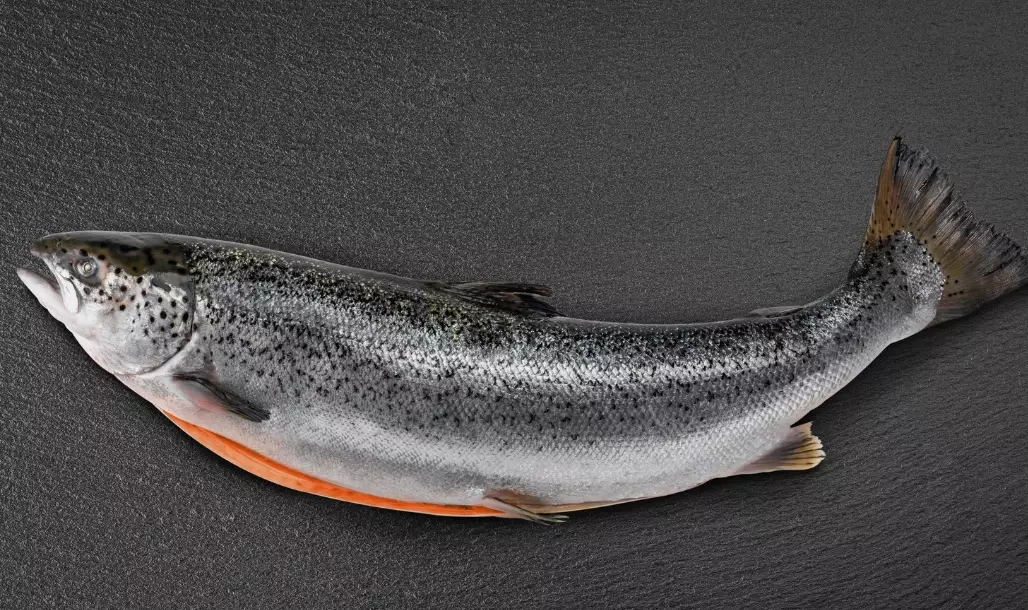
Timing Matters More Than You Think
Answers to Your Most Pressing Salmon Fishing Questions