Salmon Fishing for Beginners: Your First Catch Made Simple
Want to catch your first salmon but unsure where to start? This complete guide covers essential gear, simple techniques, and pro tips to make your first salmon fishing trip a success.
That first salmon is a memory you'll chase for the rest of your life. The rod bending double, the reel screaming, the sheer power of a wild fish. But between you and that moment stands a wall of confusing gear advice, complex techniques, and whispered secrets. It's enough to make anyone hang up their waders before they start. I remember my first trip. I had a trout rod, some random lures, and boundless enthusiasm. Eight hours later, I was cold, frustrated, and fishless. I was doing everything wrong, and no one had told me the simple, non-negotiable basics. This guide is what I wish I'd had. We'll cut through the noise and focus on what actually works to get a beginner their first salmon. Let's be blunt: most beginner gear recommendations are too light. Salmon are strong. You need tools that can handle them, not just feel nice in the store. For river fishing, which is where most beginners start, you need a rod with backbone. A 9 to 10-foot, medium-heavy power rod with a fast action is the sweet spot. It'll feel like a broomstick compared to a trout rod, but that stiffness is what sets the hook and turns the fish. Pair it with a size 3000 or 4000 spinning reel. Baitcasting reels are great but have a steeper learning curve; start simple. Fill the reel with 20-30 lb braided line for mainline. It has no stretch, so you feel everything. This is where your line connects to the lure. You need strength and some invisibility. Use a fluorocarbon leader (12-20 lb test) because it's nearly invisible underwater. Connect it to your main braid with a double uni knot or a small barrel swivel. Swivels prevent line twist, which is a silent trip-ruiner. You don't need a giant tackle box. Master these first: Forget the postcard image of the middle of a wide, raging river. As a beginner, you want accessible, fish-holding water. 1. Tailouts of Pools: Where a deep pool shallows up and speeds into the next riffle. Salmon rest here before moving upstream. Wadeable, often with slower current on the edges. Cast your spoon or spinner from the side, letting it swing across the tailout. 2. Inside Bends and Seams: The current slows on the inside of a river bend, creating a natural lane where food collects. Fish hold along the seam where fast and slow water meet. This is perfect for float fishing roe. 3. Estuaries and River Mouths: When salmon first enter freshwater, they mill around in these brackish areas. They're aggressive and often easier to catch here. Look for moving water near drop-offs. Check tidal charts—an incoming tide is often best. This is your bread and butter. Stand at the top of a run. Cast slightly across and downstream at a 45-degree angle. Don't reel immediately. Let the lure sink for a count of three—"one Mississippi, two Mississippi..."—then close your bail and start a slow, steady retrieve. The current will give the lure action. Keep your rod tip low to the water. A bite often feels like a solid "thump" or just heavy weight. Set the hook with a firm, upward sweep of the rod. Rig up a slip bobber so you can fish deeper water. Put a small egg sinker above your swivel, then a 3-4 foot fluorocarbon leader to a hook. Pinch on a dime-sized piece of cured roe in a mesh bag. Adjust your bobber stop so your bait is bouncing just along the bottom. Cast upstream into a slow glide or inside seam. Let the float drift down naturally. Any dip, dart, or pause—set the hook. It's visual, relaxing, and deadly. The mistake? Retrieving too fast. Salmon in cool water are energy-conscious. A slow, tantalizing presentation is key. If your retrieve feels boringly slow, you're probably doing it right. This is critical. Fishing regulations are complex and vary wildly by region, river, and even time of year. Let's make it concrete. Assume a Saturday morning trip to a known salmon river in early fall. Week Before: Buy your license and tags online. Check the state fishery website for recent catch reports and regulation updates. Pick a popular, accessible river with good bank access—these are popular for a reason. Watch a YouTube video on tying a double uni knot. Night Before: Pack your gear. Rod, reel, tackle box with spoons/spinners/roe, leader material, pliers, net, rain gear, license. Prepare a lunch. Charge your headlamp. Morning Of: Arrive at the river 30 minutes before sunrise. Not to fish immediately, but to watch. See where others are setting up. Ask questions. Start in a tailout or inside bend. Fish your spoon for an hour. If nothing, switch to the bobber and roe. Move spots every 90 minutes if it's dead. Stay until mid-afternoon—the bite often picks up as the sun gets higher. The goal isn't just to catch a fish (though that's amazing). It's to learn the rhythm of the river. Feel the current, read the water, manage your line. That's a successful first day. There you have it. The path to your first salmon isn't paved with secret lures or magic tricks. It's built on solid, simple gear, an understanding of where fish live, and the patience to present a lure properly. Get your license, rig up that stout rod, and hit the river. That tug is waiting for you.What's Inside This Guide
The No-Nonsense Beginner's Gear Breakdown
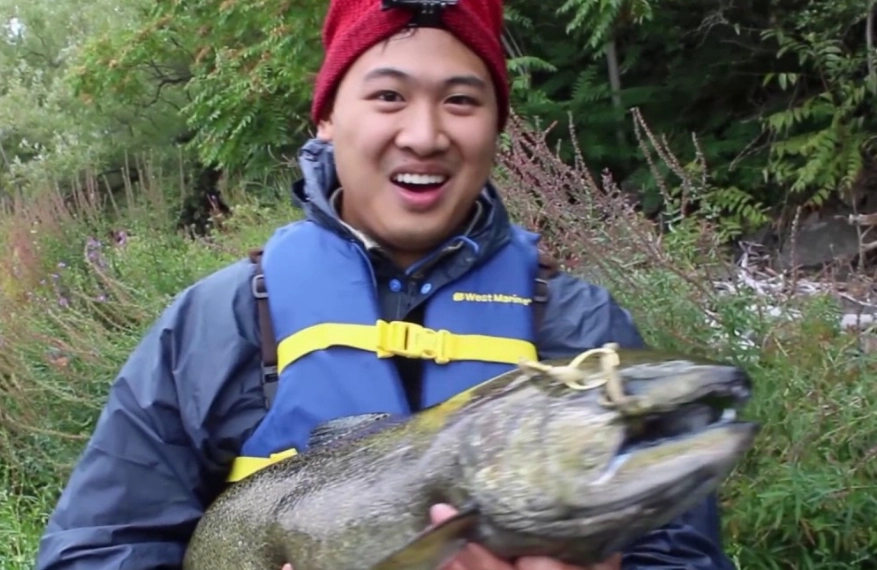
The Rod and Reel: Your Main Weapons
Terminal Tackle: The Business End
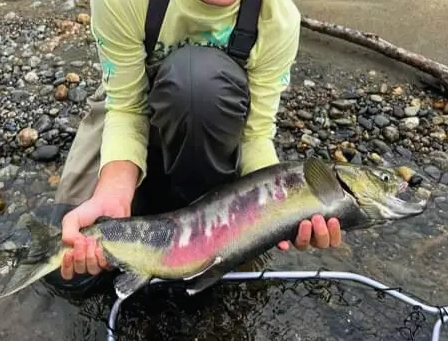
Lures and Bait: Start With These Three
Item
Beginner Recommendation
Why It Matters
Budget Estimate
Rod
9'6" Medium-Heavy, Fast Action Spinning Rod
Length for line mending, power for hook sets and control.
$80 - $150
Reel
Size 4000 Spinning Reel
Holds enough line, good drag system, manageable size.
$70 - $120
Main Line
20-30 lb Braided Line
No stretch for sensitivity, strong for its diameter.
$20 - $30
Leader
15 lb Fluorocarbon (25 yd spool)
Invisible, abrasion-resistant connection to the lure.
$10 - $15
Lure Starter Pack
3 Spoons, 3 Spinners, Hooks, Weights, Bobbers
Covers multiple techniques without overwhelm.
$40 - $60
Where to Actually Find Salmon (It's Not Where You Think)
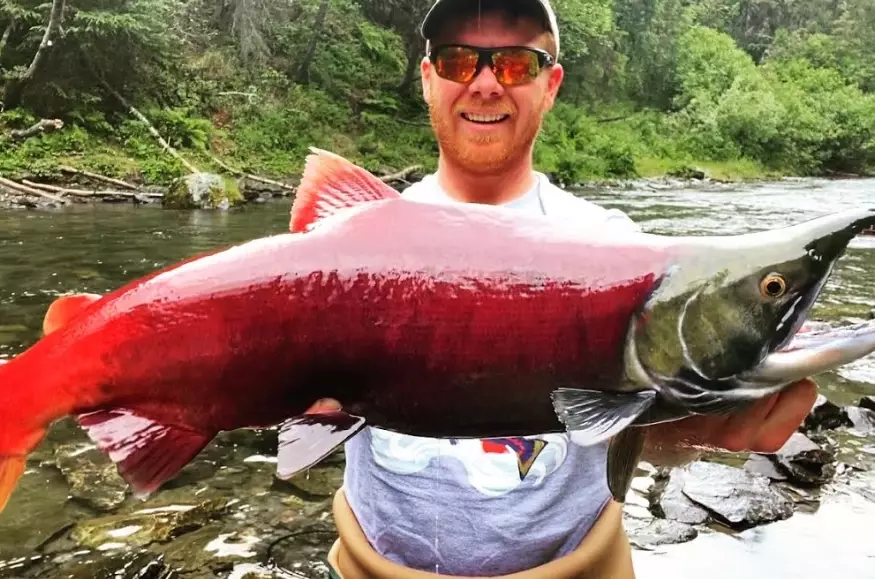
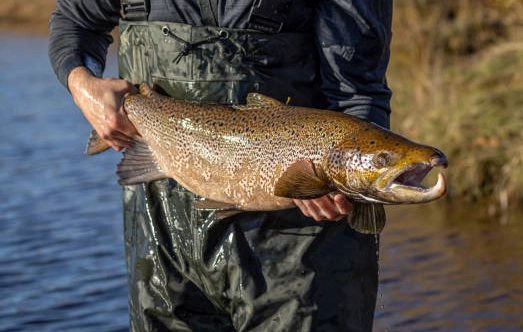
Two Dead-Simple Techniques That Catch Fish
1. The Downstream Swing (for Spoons & Spinners)
2. Float Fishing Roe (The Bobber Method)
The Rules, The Etiquette, and Not Getting Fined
Your First Trip: A Step-by-Step Plan
Answers to the Questions You're Afraid to Ask