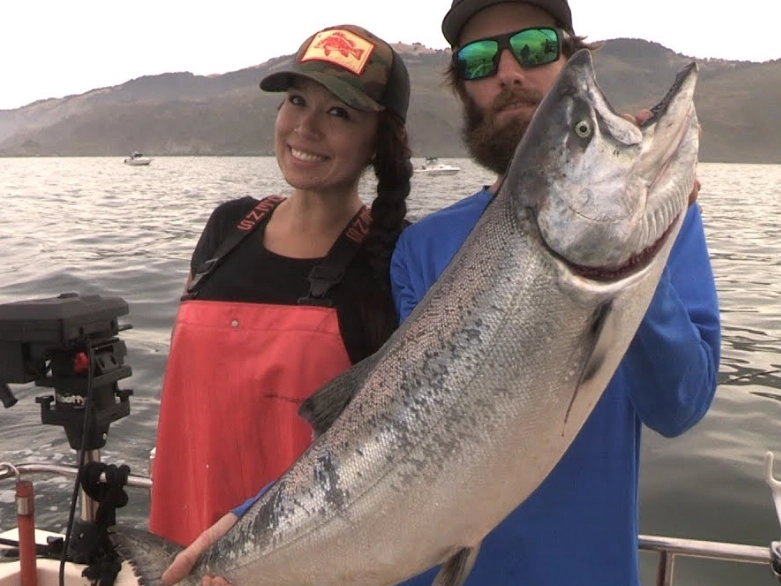
Ultimate Guide to Salmon Fishing in California Rivers
Ever dreamt of landing a powerful king salmon in a California river? This ultimate guide covers the top rivers, essential gear, proven techniques, and the crucial regulations you need to know for a successful and legal salmon fishing adventure in the Golden State.
There's a special kind of magic to salmon fishing in California. It's not the quiet solitude of a mountain lake. It's a dynamic, physical, and sometimes gritty pursuit. You're wading into cold, moving water, reading currents, and casting to fish that have just completed an epic journey from the ocean. When you hook one, you feel every ounce of its power. The rod bends, the reel screams, and for a few minutes, it's just you and a wild king salmon battling in a river that might look ordinary to anyone else. That's the draw. And California, with its diverse river systems, offers some of the most accessible and exciting salmon fishing on the West Coast. Not all rivers are created equal. Some are legendary highways for massive salmon runs, while others offer more intimate, technical fishing. Your choice depends on the experience you want—combat fishing in a famous pool or exploring a quieter stretch. My personal favorite? The Klamath, hands down. There's a raw beauty to it. I remember one September morning, fog clinging to the canyon walls, casting a spinner into a deep emerald pool. The take was violent. That fish ran 200 yards downstream before I could even think about turning it. You don't forget moments like that. Pro Tip: Don't just chase the famous names. Smaller coastal streams like the Eel, Mad, or Russian River can offer fantastic fishing with less pressure, especially after a good rain. The trade-off is less predictable timing and often tougher access. You can't show up with your trout rod and expect to land a 30-pound salmon. The gear needs to match the task. Two primary methods dominate: drifting and casting lures. Drift Fishing (Bait): This is the bread and butter for many. You're presenting a natural bait (roe, shrimp) directly on the bottom where salmon hold. Use a sliding sinker rig—egg sinker, bead, swivel, then a 18-36 inch leader to your hook. Cast upstream at a 45-degree angle and let the rig bounce along the bottom as it drifts downstream. Keep your line tight to feel the subtle “tap tap” of a bite. It's a finesse game. The biggest mistake here is using too heavy a sinker, which snags more and feels less natural. Casting Lures: Active and covering water. Cast spinners or spoons across and slightly downstream, let them sink, then retrieve with a steady pace just fast enough to feel the blade thump. Plugs are cast upstream and reeled to swim with a wobbling action. This method excels in clearer water or when targeting aggressive, fresh fish. I've had days where the fish wanted nothing but a slow-rolled spinner, and others where only a perfectly presented roe bag in a deep, slow slot would work. Be ready to adapt. This is where trips get ruined. California's salmon regulations are complex, change yearly, and are enforced strictly. Ignorance is not an excuse. First, the paperwork: You need a California Fishing License AND a Salmon Report Card. Buy them both online from the California Department of Fish and Wildlife (CDFW) or at a license agent. The report card must be on your person and filled out in pencil immediately upon retaining a fish. You must also return it (even with zero catch reported) by January 31st. Now, the rules on the water. For 2024, pay close attention to: I carry a printed copy of the regs in a zip-lock bag. It's saved me from making a costly error more than once. After guiding for a decade, I see the same errors repeatedly. Avoid these to increase your success dramatically. 1. Fishing the Wrong Water. Beginners stand in the fast, white water because it looks “fishy.” Salmon are powerful but energy-conscious. They hold in slower, deeper seams next to fast water—behind boulders, along current breaks, at the tailouts of pools. Look for water 4-10 feet deep with a moderate flow. If you're not occasionally getting snagged on the bottom, you're probably not deep enough. 2. Poor Hookset and Fight Management. A salmon bite in a river is often a firm thump, not a violent strike. Set the hook hard—two or three solid pulls upstream. Once hooked, keep the rod tip high and apply steady pressure. Don't pump the rod erratically. Let the drag and rod do the work. If the fish runs, let it go but keep side pressure to tire it. The worst thing you can do is try to “horse” it in immediately. 3. Neglecting Stealth and Presentation. In low, clear water, salmon get spooky. Wear muted clothing (no bright blues or reds), approach the water slowly, and avoid casting your shadow over the lie. Your first cast to a good spot is often your best chance. 4. Being Unprepared for the Catch. Have a large, rubberized net. Have your landing and handling tools ready—pliers, hook remover, and a way to humanely dispatch the fish if you're keeping it (a priest or heavy object). Know how to properly bleed and ice your salmon immediately to ensure top-quality meat. Salmon fishing in California's rivers is more than a hobby; it's a connection to a wild cycle. It demands respect—for the fish, the regulations, and the river itself. Do your homework, gear up properly, and focus on understanding the water. The tug of that first king salmon will make all the preparation worth it. See you on the river.What's in This Guide?
Top California Rivers for Salmon Fishing
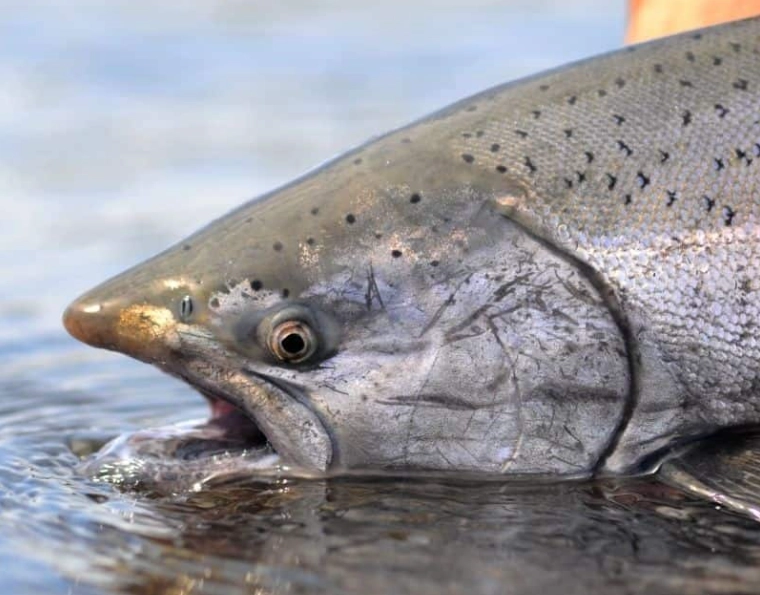
River
Best Time (Fall Run)
Primary Species
Key Characteristics & Access
Sacramento River
August - November (Peak: Oct)
Chinook (King) Salmon
The state's largest salmon producer. Fish the upper reaches near Redding (Caldwell Park, Bonnyview) for best bank access, or drift boat the lower sections. Expect crowds during peak season.
Klamath River
July - October (Peak: Aug-Sep)
Chinook, Coho (Silver) Salmon
A wild, scenic river with a long season. The stretch below Iron Gate Dam is famous. Bank fishing spots abound along Highway 96. The recent dam removals are creating exciting, dynamic changes to this ecosystem.
Feather River
September - December
Chinook Salmon
Known for big, late-run fish. The Afterbay Outlet (Low Flow Section) near Oroville is a highly managed but productive spot, perfect for beginners to learn drift fishing. Gets very busy.
American River
September - November
Chinook Salmon
Flows right through Sacramento. The stretch from Nimbus Dam to the confluence with the Sacramento is easily accessible but can feel like a fishing derby on weekends. A great option if you're short on time.
Smith River
September - November
Chinook, Coho Salmon
California's only major undammed river. Offers pristine, clear water and challenging fishing. It's a gem in the far north, but success often hinges on rain events bringing fish in from the ocean.
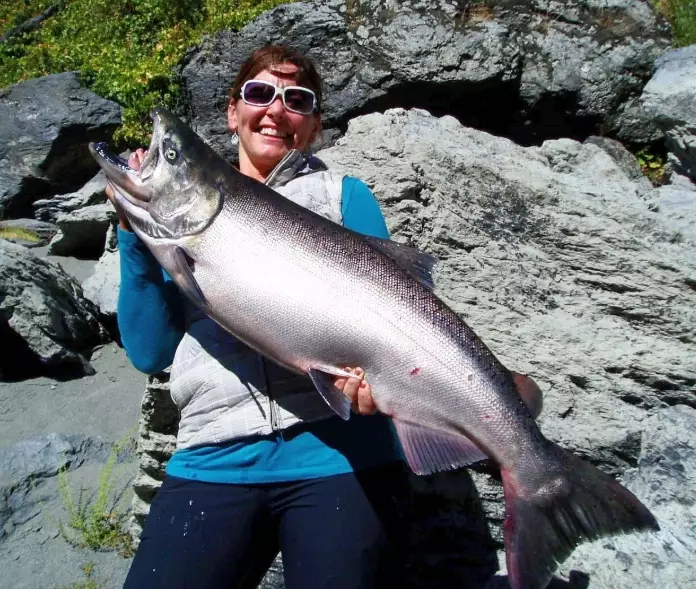
Essential Gear and Techniques
Non-Negotiable Gear Checklist
How to Catch Salmon in California Rivers?
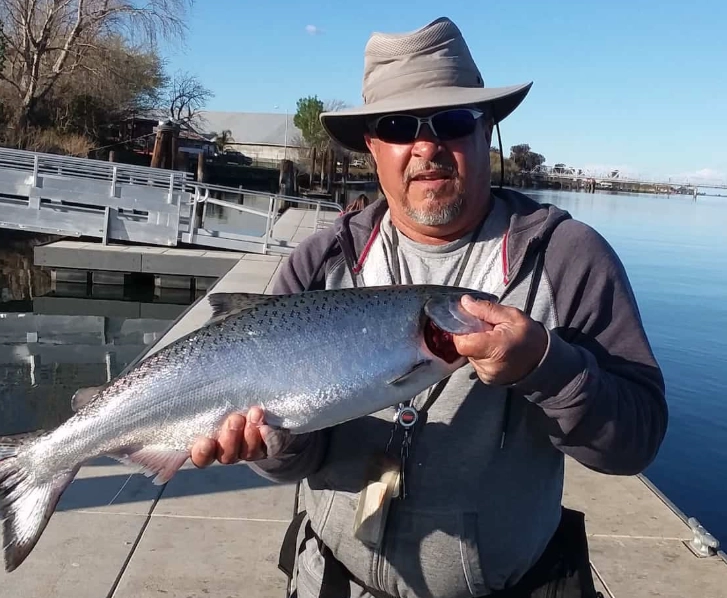
Understanding California Salmon Fishing Regulations
Common Mistakes and How to Avoid Them