Mastering Salmon Fishing Bait: The Complete Guide to Lures & Rigs
How do you choose the right salmon fishing bait? This expert guide cuts through the noise, comparing artificial lures vs. natural baits, revealing rigging secrets, and providing actionable tips to catch more salmon in rivers, lakes, and saltwater.
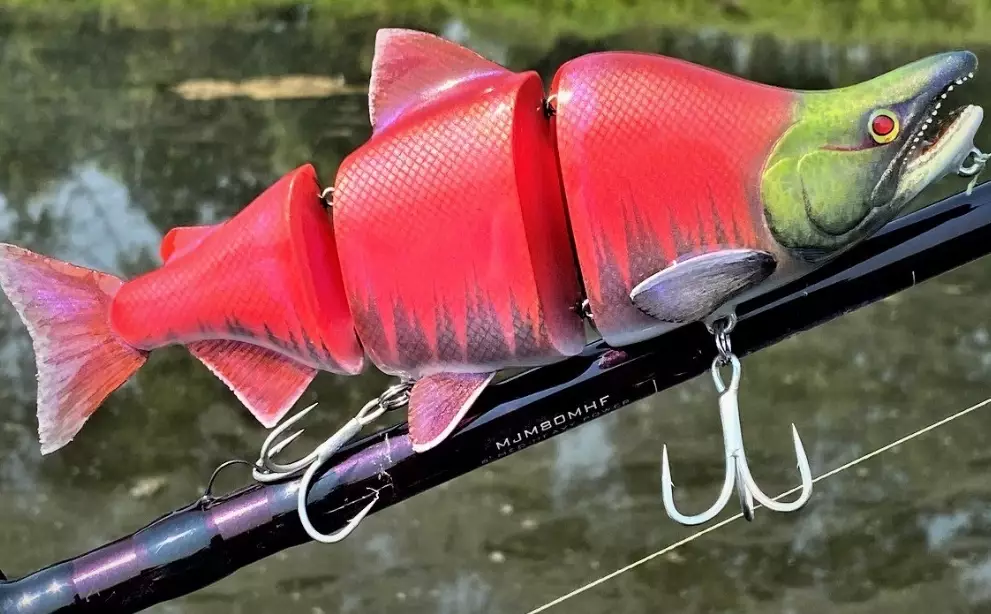
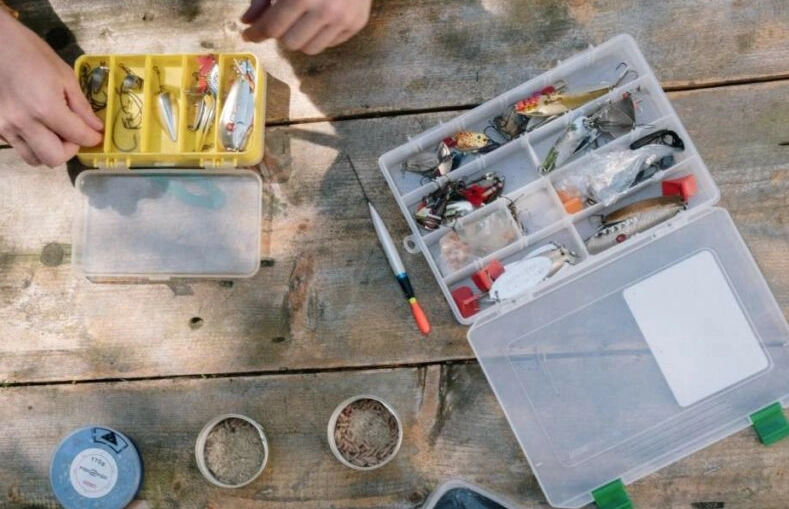
Let's get one thing straight right now. There is no single "best" salmon fishing bait. Anyone who tells you that is selling you something, or they've only fished one river their whole life. The real secret—the one that fills coolers while others just get follows—is matching your offering to the specific salmon, in the specific water, on that specific day. It's part science, part intuition, and a whole lot of avoiding the mistakes everyone else makes. I've spent over ten years guiding and fishing from the Great Lakes to Alaska, and the most common error I see isn't bad casting; it's stubborn anglers using the wrong bait for the conditions. This is the first fork in the road. Your choice here dictates everything about your setup and approach. These are your consistent performers. They're durable, reusable, and excel at covering water and triggering reaction strikes. Don't think of them as "fake"; think of them as highly specialized tools. My take: I always start with artificials when scouting new water. They tell me if fish are active and willing to chase. If I'm getting hits on a spoon but no hook-ups, I know fish are there but maybe fussy—time to switch tactics. Here’s a breakdown of the major players: When salmon get lock-jawed or are focused on a specific food source, naturals are your ace in the hole. They offer the real deal: scent, taste, and texture. Local Regulations Alert: This is non-negotiable. Many areas have strict rules about using natural baits, especially roe, to prevent disease spread or over-harvest. Always, and I mean always, check the current fishing regulations for your specific body of water. The U.S. Fish and Wildlife Service and state agencies are your primary sources. This is where the rubber meets the road. Let's talk real places and real fish. In rivers, salmon are often not feeding aggressively. They're focused on spawning. Your bait needs to drift right in front of their face or annoy them into biting. Top Choices: I remember a tough day on the Kenai. The kings were ignoring everything. I switched from a big plug to a small, bright orange spinner fished slowly right on the bottom. It looked ridiculous, but it worked. They saw it as an irritant worth removing. Here, you're imitating baitfish like alewives or smelt. Depth control is everything. Top Choices: Salmon here are actively feeding. Match the local forage. Top Choices: How you attach the bait is as important as the bait itself. The Snell Knot for Rigs: When tying a hook to a leader for a roe bag or bait loop, learn the Snell Knot. It aligns the hook point with your line for better hook sets. A poorly tied knot can cost you 50% of your hook-ups. Leader Length is Critical: Trolling a flasher? Your leader from flasher to lure should be between 18 and 36 inches. Too short, and the lure action is killed. Too long, and the fish might strike the flasher instead of the bait. Experiment, but start at 24 inches. Swivels Are Not Optional: Especially with spoons and spinners. Use a quality ball-bearing swivel to prevent line twist. I've seen more terminal tackle disasters from line twist than anything else. "Use green on a sunny day, blue on a cloudy day." That's mostly nonsense. Here's a more practical framework. Water Clarity Dictates Color: Size Should Match Energy Level: When fish are aggressive (cool, oxygen-rich water), you can go bigger. When they're sluggish (warm water, post-spawn), downsize your offering. A #3 spinner might get ignored where a #5 gets hammered, and vice versa. Carry a selection. I organize my tackle box by type, then by color spectrum within each type. It saves precious fishing time. These are the questions clients ask me every season, the ones that really matter on the water. So, what's the final word? Stop searching for a magic bullet. Build a versatile, scenario-based arsenal. Pay more attention to the water in front of you than the latest hot lure in a magazine. Start with a proven artificial to search for active fish, and never be afraid to switch to a natural presentation when the bite turns tough. Rig it right, match the conditions, and you'll spend less time guessing and more time landing fish. Now get out there.Your Quick Guide to Salmon Bait Success
The Bait Breakdown: Artificial vs. Natural
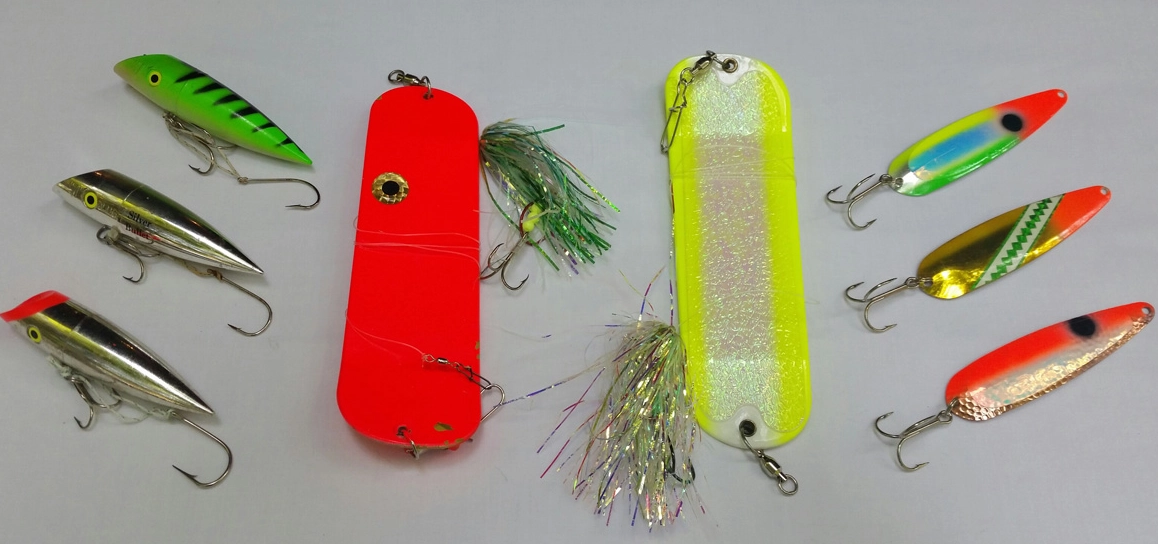
Artificial Lures: The Workhorses
Lure Type
Best For
Key Trait
One Pro Tip
Spoons (Krocodile, Little Cleo)
Trolling, casting in currents. Great for aggressive fish.
Flash and erratic wobble.
In clear water, use thinner, more natural finishes. In murky water, go thick and brightly colored.
Spinners (Blue Fox, Mepps)
River fishing, especially for trout-minded salmon like Coho.
Vibration and flash from the blade.
Vary your retrieve speed drastically. Sometimes a slow, bottom-bouncing roll works; other times a fast, steady retrieve triggers strikes.
Plugs & Kwikfish
Slow trolling or back-trolling in rivers. Deadly for lethargic salmon.
Side-to-side swimming action.
These need to run true. Test them beside the boat before sending them out. A slightly bent eyelet will ruin the action.
Soft Plastics & Hoochies
Trolling behind a flasher, especially in saltwater or deep lakes.
Lifelike pulsing action.
Scents are your friend here. A quick squeeze of pro-cure gel can make a world of difference.
Natural Baits: The Irresistible Feast
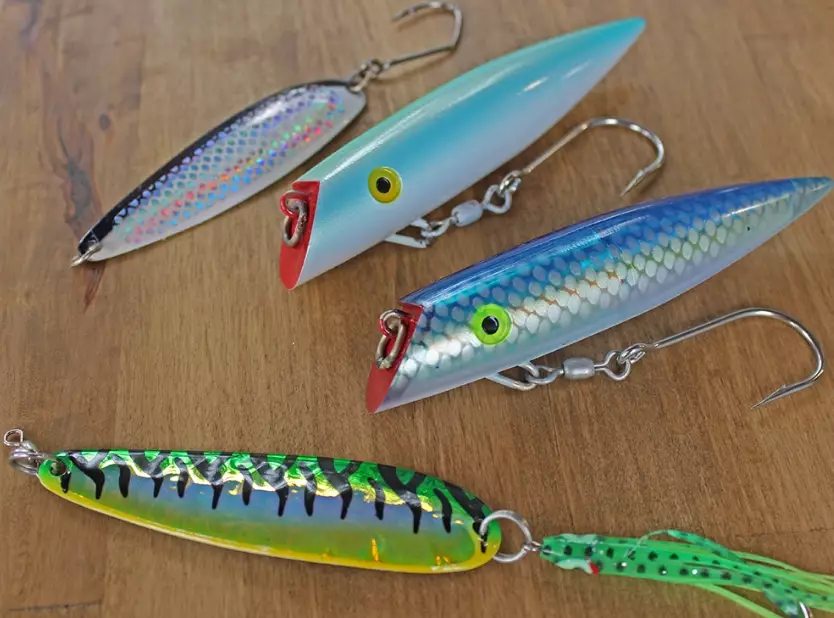
How to Match Bait to Your Fishing Scenario
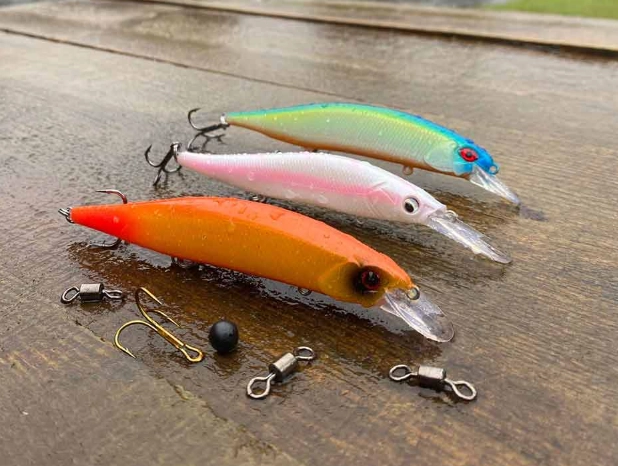
Fishing Rivers for Spawning Salmon (Chinook, Coho, Sockeye)
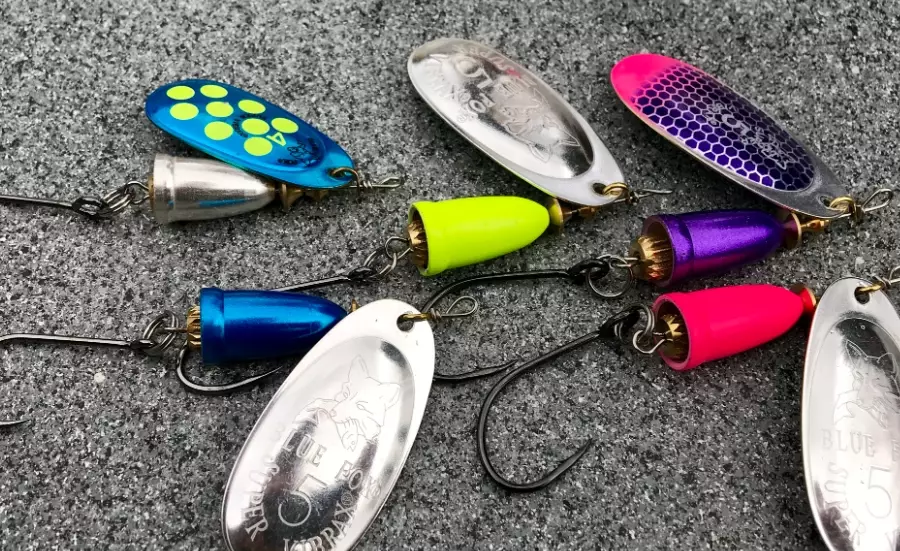
Trolling Lakes & Reservoirs (Landlocked Salmon, Trout)
Saltwater & Estuary Fishing (Sea-Run Salmon)
Pro Rigging Secrets Most Anglers Miss
Busting Color & Size Myths
Your Burning Bait Questions, Answered