Artificial Lures Only: What It Means for Anglers & Why It Matters
What does "artificial lures only" mean on a fishing sign? This guide explains the rules, the reasons behind them, and how to successfully fish with only lures, covering gear, techniques, and common mistakes to avoid.
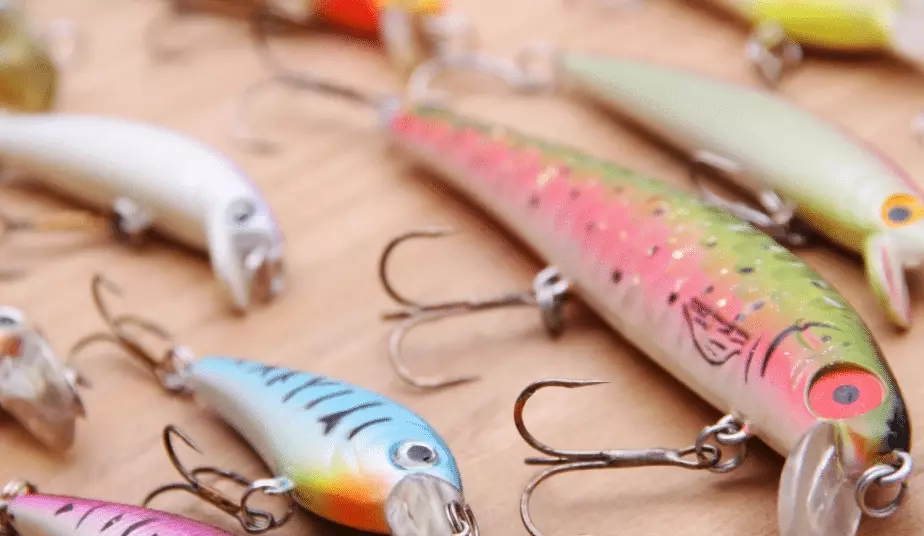
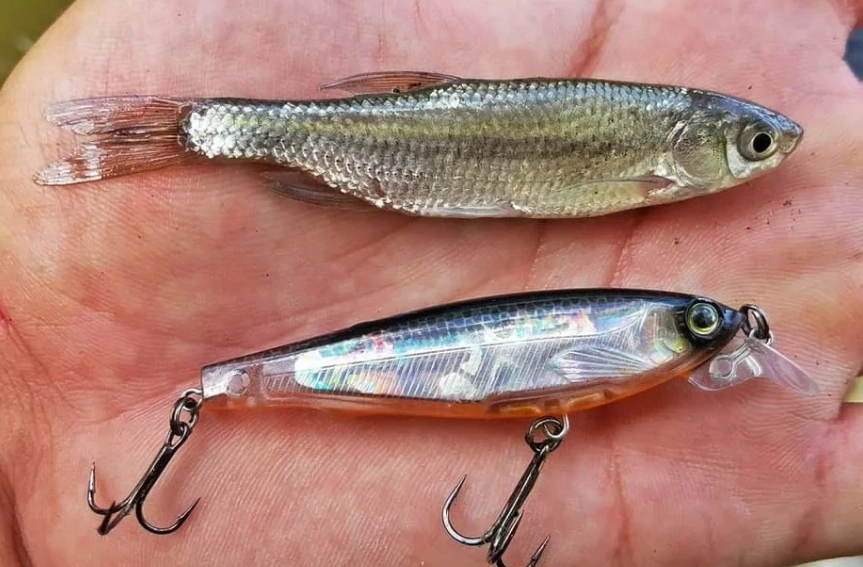
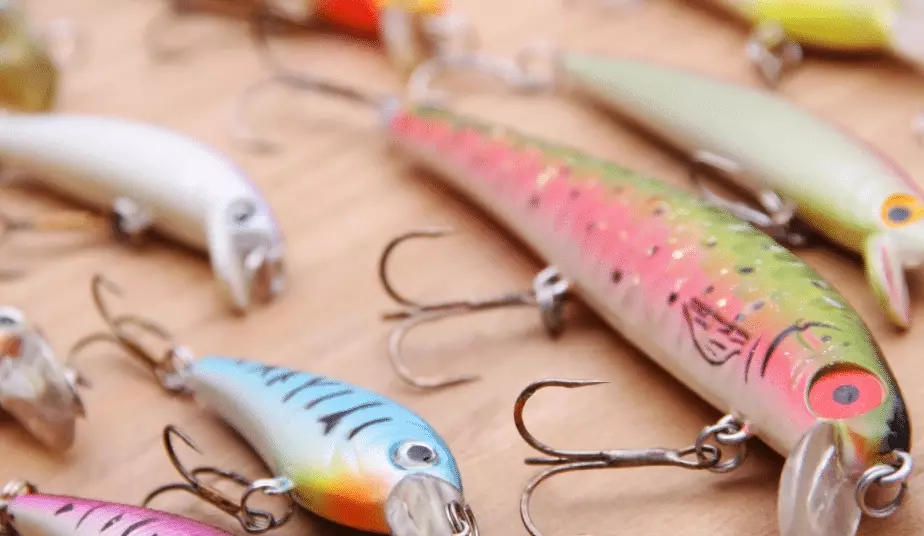
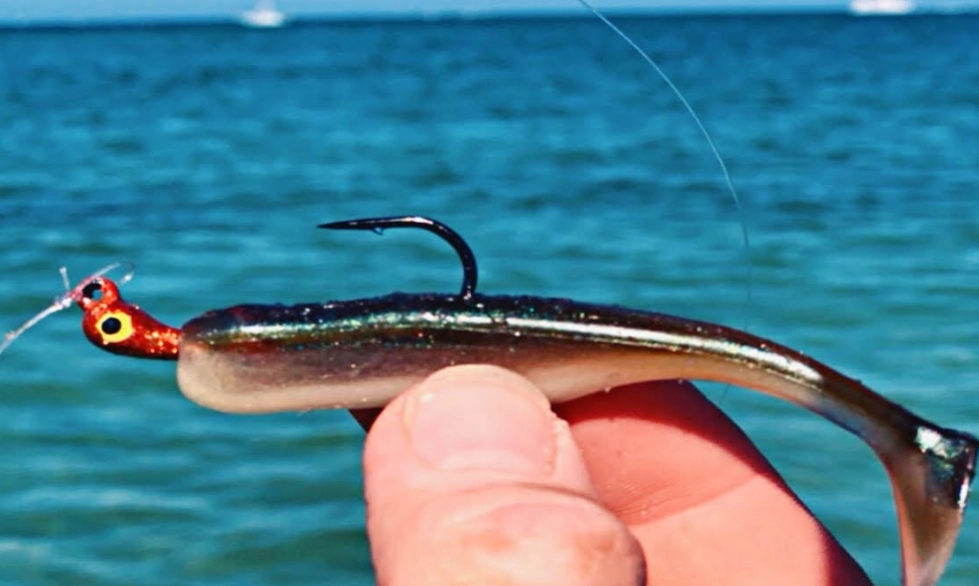
You're gearing up at the boat ramp, the morning mist is still on the water, and you see it nailed to the post: "ARTIFICIAL LURES ONLY." A moment of panic hits. Does that mean your trusty nightcrawlers are out? What about that scented soft plastic you just bought? Is your whole tackle box illegal here? This isn't just bureaucratic fine print. This rule shapes how you'll fish that day and, more importantly, why that water is managed that way. Let's cut through the confusion. "Artificial lures only" is a specific fisheries management regulation. It means exactly what it says: you may only use man-made devices designed to imitate prey and attract fish by their action, color, or vibration. All live bait (worms, minnows, leeches), dead bait (cut fish, shrimp), and prepared bait (dough, corn, salmon eggs) are strictly prohibited. It's a rule with teeth, and understanding it is the difference between a great day on a pristine fishery and an expensive ticket. Legally, "artificial lures only" creates a bright line. On one side: artificial. On the other: natural. Your state's fishing regulations booklet is the final authority. For example, the Texas Parks and Wildlife Department defines it clearly: only "man-made flies, lures, or plugs constructed of wood, plastic, rubber, metal, or similar materials, and that are designed to be cast and retrieved." No organic matter attached. The enforcement is straightforward for wardens. They'll check your bait wells, your cooler, and the hooks on your rods. Finding a single worm or a jar of cured salmon eggs is an open-and-shut violation. I've seen it happen on a famous trout stream in Colorado. A guy thought "just one garden worm" for his kid wouldn't hurt. The warden disagreed. The fine was over $200, and the embarrassment was priceless. The rule is absolute for a reason. Fisheries biologists aren't trying to make fishing harder. They use "artificial lures only" as a surgical tool to achieve specific goals. Once you know the reasons, the rule makes perfect sense. 1. To Promote Catch-and-Release Survival: This is the big one. Fish caught on artificial lures are typically hooked in the lip or jaw, which is easy to unhook quickly. Live bait, especially when left to swallow, often results in gut-hooking. A deeply hooked fish has a much lower survival rate after release. In waters managed for trophy fish or fragile populations, maximizing survival is critical. 2. To Prevent the Spread of Invasive Species: Bait buckets are notorious vectors. Did you know using live crayfish as bait is how rusty crayfish invaded and decimated ecosystems in the Great Lakes region? "Lures only" eliminates this risk entirely. No bait means no chance of accidentally introducing a new worm, fish, or disease. 3. To Manage Harvest Precisely: Sometimes, the goal is to create a "trophy" fishery for, say, largemouth bass. By allowing only artificials, which generally have a lower catch rate than live shiners, the harvest is naturally reduced. The fish that are caught are more likely to be released alive, allowing them to grow to trophy size. 4. To Level the Playing Field: It creates a purer form of angling that emphasizes skill in lure presentation over the simple effectiveness of natural scent. Many anglers appreciate the challenge. I remember fishing a small, crystal-clear lake in the Sierra Nevada marked "artificial lures only." The trout were spooky. You couldn't just dunk a worm. You had to read the water, match the hatch with a tiny fly or spinner, and make a perfect cast. Catching one felt like a real achievement. That feeling is part of the design. This is where most anglers get tripped up. Let's break it down with a simple table, then talk about the tricky stuff. Now for the gray area that causes endless debate: scented soft plastics. This is my expert hot take. Many "artificial lures only" regulations were written before the explosion of super-scented, oil-impregnated soft baits. A warden's interpretation is key. If your "plastic" worm smells overwhelmingly like anise and garlic and feels oily, is it still just an artificial lure? Many authorities would argue no—it's become an attractant that functions like bait. My advice? In a strictly regulated "artificial lures only" zone, play it safe. Use unscented, traditional soft plastics. Save the garlic-and-salt-infused ones for waters with no bait restrictions. It's a subtle distinction, but getting it wrong can ruin your day. Fishing with only artificials isn't a handicap; it's a different game. You're trading scent for action and visual appeal. Here’s how to adapt your strategy. Without natural scent to draw fish in, your lure's movement, vibration, and profile become everything. You need to trigger a reaction strike. This means being more active. Vary your retrieve speed. Add sharp jerks and pauses. Make that lure look like a wounded, erratic prey item. A slow, steady retrieve that works with live bait often fails with artificials. Don't bring your whole garage. Bring a focused selection that covers the water column. For the surface: A topwater popper or walking bait (like a Zara Spook). Early morning and late evening are prime times. For mid-depth: A couple of mid-diving crankbaits in natural shad and crawfish colors. An in-line spinner (a #3 Mepps Aglia is a classic for a reason). For the bottom: A selection of jig heads (1/8 oz to 3/8 oz) paired with various soft plastic bodies—curl-tail grubs, paddle-tail swimbaits, and a creature bait. This is your bread and butter for probing structure. I once spent a week on an "artificial lures only" bass lake in Maine. My most productive lure? A simple 3/8 oz football jig with a green pumpkin craw trailer, hopped slowly along rocky points. It out-fished everything else because it perfectly imitated the primary forage. Fish in these managed waters are often conditioned. They see lures. You need to put your offering where they can't refuse it. Focus on high-percentage spots: drop-offs, weed edges, submerged timber, and points. Make repeated, accurate casts to these areas. The fish might be more aggressive than in heavily baited waters, but they're also less likely to chase a lure far. Let's talk about mistakes. I've made a few, and I've seen hundreds more. Pitfall #1: The "Just in Case" Bait. You pack a container of worms "just in case" the lures aren't working. This is a terrible idea. First, it's illegal if you're on the water with it. Second, the temptation to use it will be overwhelming on a slow day. Leave all bait at home or in your car. Clean your boat and gear of any old bait residue before you go. Pitfall #2: Misunderstanding "Artificial Fly Only." This is a stricter cousin. "Artificial lures only" usually allows spinning gear with lures. "Artificial fly only" typically means single-hook flies fished with fly-fishing tackle only. Don't show up with a spinning rod. Pitfall #3: Ignoring the Details for Specific Waters. Some lakes might be "artificial lures only" for bass but allow bait for panfish. Or the rule might only be in effect during the spawning season. You must read the specific regulation for the specific body of water. The annual fishing guide from your state DNR is your bible. Treat it as such. So next time you see that sign, don't see it as a limitation. See it as an invitation. An invitation to fish a waterway that's being carefully managed for quality. An invitation to hone your skills with lures. An invitation to be part of the conservation solution. Pack your lure box with confidence, double-check the regs, and enjoy the unique challenge and reward that comes with fishing "artificial lures only." The fish—and the future anglers—will thank you for it.What You'll Learn
The Simple (and Legal) Meaning
Why This Rule Exists: It's Not Just to Annoy You
The Core Conservation Reasons:
What Counts as an Artificial Lure? The Gray Areas Explained
✅ Allowed (Artificial Lures)
❌ Prohibited (Natural Bait)
Hard Baits: Crankbaits, jerkbaits, topwater plugs, poppers, stickbaits.
Live Bait: Worms, minnows, leeches, crickets, crayfish, frogs.
Spinners & Spoons: In-line spinners (Mepps, Rooster Tail), casting spoons, jigging spoons.
Dead/Cut Bait: Pieces of fish, shrimp, squid, chicken liver.
Jigs: Lead-head jigs with plastic, hair, or feather skirts.
Prepared & Dough Baits: "PowerBait"-type dough, corn, cheese, bread, salmon egg clusters.
Soft Plastics: Plastic worms, creature baits, swimbaits, craw imitations (typically unscented).
Scented Attractants: Gels, pastes, or sprays added to a lure that contain natural oils or amino acids.
Flies: Traditional fly-tying materials (feathers, fur, thread, synthetic fibers).
"Bio-Baits": Soft plastics that are impregnated with digestible oils or claim to be "edible."
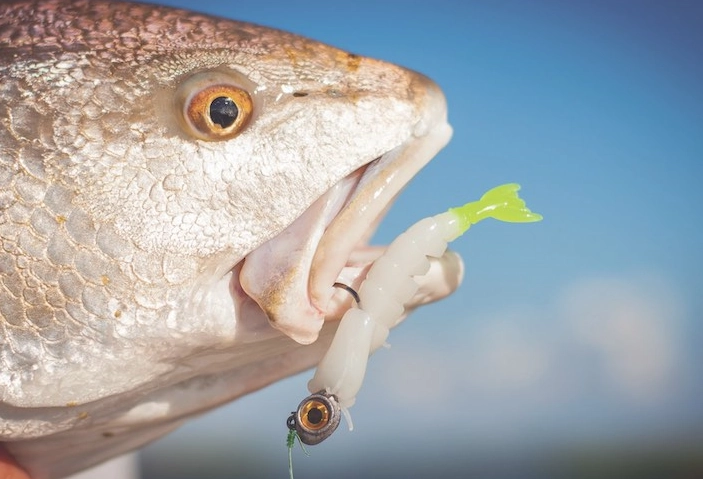
How to Fish Successfully Under "Lures Only" Rules
1. Rethink Your Approach: Action is King
2. Build a Versatile "Lures Only" Kit
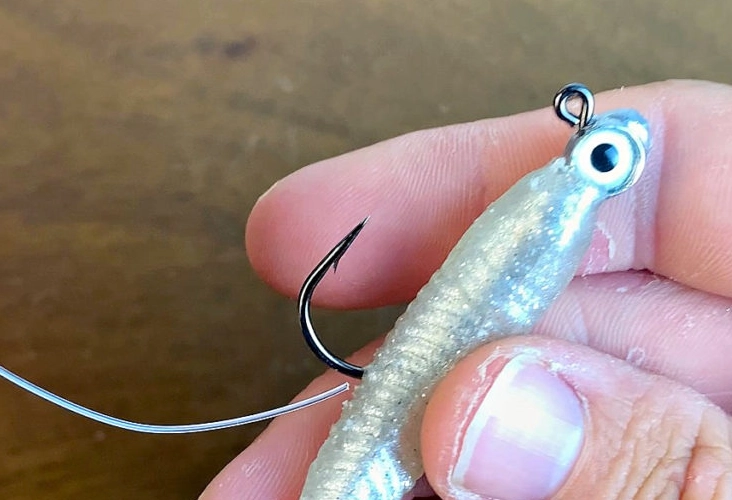
3. Location, Location, Reaction
Common Pitfalls and How to Avoid Them