What Lure Was Banned by Bassmaster? The Full Story on the Banned Bass Oreno
What lure was banned by Bassmaster? Discover the complete story behind the controversial ban on the Bass Oreno lure, why it happened, what it means for anglers today, and the best legal alternatives you can use right now.
If you've spent any time around bass fishing forums or talking shop at the boat ramp, you've probably heard the whispers, the rumors, the outright arguments. "What lure was banned by Bassmaster?" It's one of those questions that pops up every so often, especially with new anglers trying to make sense of the rulebook. The answer isn't some modern high-tech gadget. It's a piece of fishing history, a lure with a cult following and a controversial legacy: the Bass Oreno. I remember the first time I heard about it. An old-timer at my local tackle shop was lamenting the "good old days" and mentioned, almost in passing, that the "real fish-catcher" was outlawed in tournaments. It stuck with me. Why would Bassmaster, the premier organization in competitive bass fishing, outright ban a specific lure? It seemed so... specific. And unfair. Was it too good? That's the story we're diving into today. Not just the what, but the why, the fallout, and what you, as an angler in 2023 and beyond, need to know about it. Before we get to the ban, let's talk about the star of the show. The Bass Oreno isn't your average crankbait. Originally produced by the Creek Chub Bait Company (a legendary name in itself), this lure dates back to the early 20th century. It's a wooden minnow plug, typically around 3 to 4 inches long, with a distinct, almost cigar-like body. It had a steady, wide wobbling action that drove bass absolutely nuts. Its design featured two sets of treble hooks – one on the belly and one on the tail. But here's the kicker, and the part that starts to explain the ban: the front hook hanger was mounted on a metal lip or bill. This lip gave the lure its action. Now, this might seem normal, but the specific configuration of the Bass Oreno is what eventually got it into hot water. I've held a few vintage ones. They have a heft, a craftsmanship you don't always see today. They just feel like they mean business. But that very design became its Achilles' heel in the eyes of tournament officials. Alright, so what lure was banned by Bassmaster, and for what concrete reason? The official justification from Bassmaster, as outlined in their tournament rules for many years, centered on fish welfare and the difficulty of safe hook removal. The concern was that the unique placement of the front hook on the diving lip created a situation where a bass, especially one hooked deeply in the jaw or mouth, could be more severely injured during the unhooking process. The argument went that the rigid, protruding lip could act as a lever or a barrier, making it harder for an angler to cleanly and quickly remove the treble hook without causing extra damage to the fish. Remember, Bassmaster tournaments are largely catch-and-release. The health of the fish after being weighed in is a major priority. Any piece of equipment perceived to increase mortality rates or injury is going to get a hard look from the rules committee. Was this reasoning universally accepted? Oh, heck no. Plenty of old-school anglers argued (and still argue) that a skilled fisherman could unhook a fish from a Bass Oreno just as easily as from any other crankbait. They saw it as an overreach, a case of the organization penalizing a classic lure for a problem that was more about angler technique than hardware. I have some sympathy for that view. In the wrong hands, any treble-hooked lure can do damage. But rules have to be clear and enforceable. Drawing a line at a specific, identifiable lure is one way to do that, even if it feels blunt. Pinpointing the exact year is tricky because rulebooks evolve. The ban on the Bass Oreno wasn't a front-page news splash; it was a line item that appeared and then stayed. Based on historical rulebooks and discussions in archives of magazines like Bassmaster Magazine, the prohibition was firmly in place by the late 1980s or early 1990s. It coincided with a broader movement within competitive fishing to formalize rules and standardize equipment for the sake of both fairness and the sport's public image. This was the era when bass fishing was really trying to solidify itself as a professional, televisable sport. Having clear, defensible rules was part of that growth. The ban on what lure was banned by Bassmaster, the Oreno, became a symbolic part of that era – a sign that the sport was willing to make hard calls, even if it meant sidelining a beloved classic. You can't just take my word for it. Let's go to the source. While the specific mention of the "Bass Oreno" has been phrased differently over the years, the spirit of the rule remains in Bassmaster's official competition rules. The current rulebook (you can always find the latest on the official Bassmaster rules page) focuses on general equipment standards. The relevant part typically falls under sections about "legal tackle" or "permitted lures." The rule often states that lures must be designed to be retrieved with a rod and reel, and more importantly, that "lures with a metal lip or bill where the front hook is attached directly to the lip" are prohibited. That's the Oreno clause, right there. It doesn't always name it by name anymore, but the description fits the Bass Oreno like a glove, effectively maintaining the ban without needing to list specific models. This is a smart move by B.A.S.S. It future-proofs the rule. If some new company tried to make a modern lure with the same problematic hook-on-lip design, it would already be illegal without needing a new rule. This is a fun twist. The original Creek Chub Bass Oreno hasn't been in production for decades. However, its legacy lives on in a few ways: But a true, exact replica with the hook on the lip? That's the one that answers the question what lure was banned by Bassmaster. That's the banned configuration. Look, the action of the Oreno – that wide, slow, rolling wobble – is deadly for a reason. The good news is, you don't need a banned lure to get that action. Technology and lure design have come a long way. Here are some completely legal, tournament-approved lures that can give you a similar (or better) presentation. The point is, you're not missing out. In fact, you probably have lures in your box right now that can do the job as well or better. The ban on what lure was banned by Bassmaster shouldn't feel like a restriction. It's more of a historical footnote that pushed innovation elsewhere. It's a rule born from a specific context, not an absolute condemnation. This whole saga about what lure was banned by Bassmaster is more than just trivia. It's a case study in how a sport grapples with its own impact. Bass fishing, at its competitive level, walks a tightrope. It needs to be exciting, it needs to showcase skill, but it also has a fundamental responsibility to the resource – the bass themselves. Every rule, from slot limits to hook restrictions to this specific ban on the Oreno, is an attempt to balance that equation. Whether you agree with this particular call or not, it shows that the governing bodies are (theoretically) thinking about more than just who catches the biggest bag. They're thinking about survival rates, about public perception, about the long-term health of the fishery. That's a good thing. So, what lure was banned by Bassmaster? The Bass Oreno, a classic wooden minnow plug with its front hook on the diving lip. The why was fish care. The when was a generation ago. The real story, though, is what happened next. The sport didn't crumble. Lure makers innovated. Anglers adapted. Today, we have an absolutely staggering array of effective, fish-catching, and tournament-legal lures that perform every function you can imagine. The ghost of the Oreno lives on in the timeless appeal of a minnow plug, but its specific ban is now a piece of fishing lore. My advice? Don't waste time hunting for a vintage Oreno to gain some mythical edge. Spend that time learning the nuances of a modern suspending jerkbait, or perfecting your crankbait depth control. The skills you develop with today's legal tackle will make you a far better angler than relying on any single "secret weapon" from the past. And the next time someone at the dock asks, "Hey, what lure was banned by Bassmaster?" you can tell them the whole story. Not just the name, but the context, the controversy, and the lesson it still holds for anyone who loves this sport. Now go check your hooks and make sure they're sharp. That's a rule everyone can agree on.Quick Navigation

The Lure in Question: Unpacking the Bass Oreno
The Official Reason: Why Bassmaster Said "No"
When Did This Happen? The Timeline of the Ban
What Does the Rule Actually Say?

So, Can You Even Buy a Bass Oreno Today?
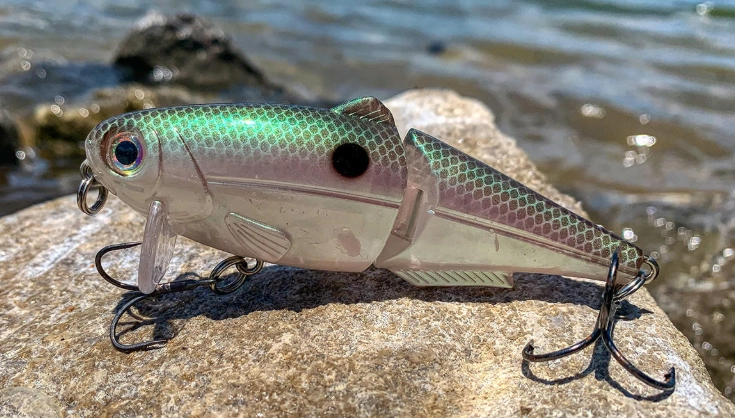
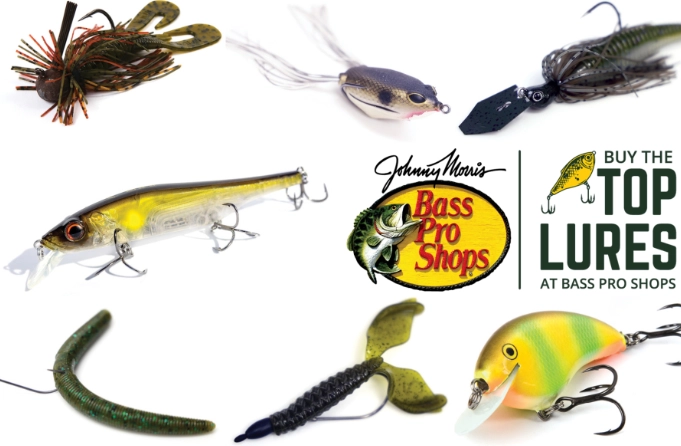
Top Legal Alternatives to the Banned Bass Oreno
Lure Name & Type
Key Similarity to Bass Oreno
Why It's a Great Alternative
Best Use Case
Rapala Original Floating Minnow (Size F11 or F13)
Classic minnow profile, subtle wobble
Timeless action, incredible quality control, proven for nearly a century. The hook hangers are on the body, making it 100% legal.
Suspended fish, twitching over grass, clear water.
Storm ThinFin
Wide, side-to-side wobble on a slow retrieve
An iconic lure in its own right, famous for that "wounded" action. Plastic construction makes it durable and affordable.
Searching for active bass, covering water quickly.
Lucky Craft Pointer 100
Slender minnow shape, can be worked with a twitch-pause retrieve
Premium suspending lure. When paused, it hangs neutrally buoyant, which is often when bass smash it. Offers incredible control.
Targeting specific cover (dock pilings, stumps), finicky fish.
Berkley Flicker Shad
Aggressive vibration and wobble
Super affordable, comes in a million colors, and just catches fish. Its action is a bit tighter and faster than an old Oreno, but bass love it.
Great all-around crankbait for beginners and pros alike, especially in stained water.
Custom Wooden Minnow Plug (from a builder)
Exact aesthetic and wood-on-wood sound
You can support small businesses and get a lure tailored to your local waters. Just confirm the hook is attached to the body, not the lip.
Angler looking for a unique, personal touch and classic performance.
Common Questions Anglers Still Ask (FAQ)
The Bigger Picture: What This Teaches Us About Fishing Ethics
Final Thoughts: Moving Beyond the Ban
