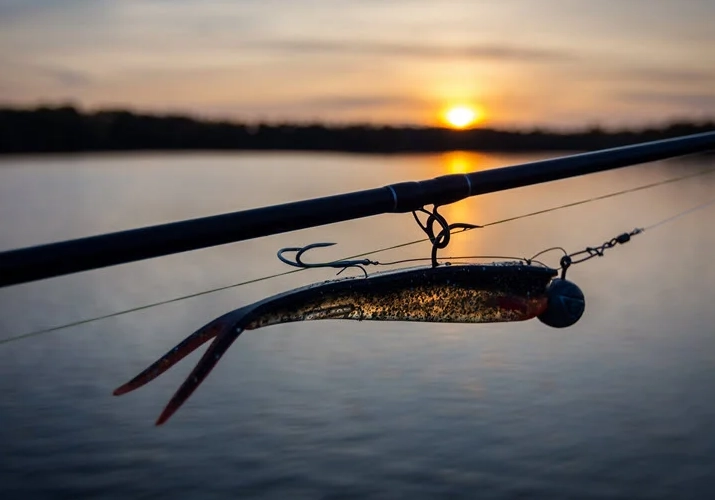
What Are Artificial Fishing Lures? A Complete Guide
What is considered an artificial lure in fishing? This definitive guide breaks down every type of man-made bait, from crankbaits to soft plastics, explaining how they work, when to use them, and how to choose the right one for your next fishing trip.
You've heard the term tossed around: artificial lures. But what does it actually mean? Is it just a plastic worm? A shiny spinnerbait? The world of artificial lures is vast, intricate, and fascinating. It’s the realm where engineering meets instinct, where a piece of molded plastic or carved wood can outfish a wriggling nightcrawler. At its core, an artificial lure is any man-made object designed to attract and catch fish by mimicking prey, triggering curiosity, or provoking aggression. Unlike live bait (minnows, worms, leeches), it's inanimate. Its life comes from the angler—the retrieve, the twitch, the pause. I've spent over a decade on the water, testing hundreds of these creations. I've seen days where a $2 spinner outfished a $200 setup, and days where no plastic in the world could buy a bite. The key isn't just owning lures; it's understanding their purpose, their language. Let's break it down. All artificial lures fall into one of two categories: hard body or soft plastic. This isn't just about material; it's about action, durability, and how fish interact with them. Hard Body Lures are typically made of wood, plastic, or metal. They have a fixed shape and often contain internal rattles or weights. Their action is largely built-in—the wobble of a crankbait, the flash of a spinner blade. They're durable, can be fished fast, and are excellent for covering water to find active fish. Soft Plastic Lures are made of… soft plastic. They mimic worms, lizards, crawfish, or abstract shapes. They're often paired with a separate hook (like a jig head or worm hook). Their action comes from the combination of their soft, flexible material and the angler's manipulation. They're more subtle, can be fished slowly in one spot, and generally have a higher hook-up percentage because fish tend to hold onto them longer. I remember guiding a client who insisted on using only hard baits because he hated the feel of soft plastics. We struggled until I convinced him to try a simple soft plastic stick worm. That afternoon, he landed his personal best bass. Sometimes, the fish want finesse, not flash. These are the workhorses for active fishing. Let's look at the main types. A crankbait has a plastic lip that makes it dive and wobble on the retrieve. The size and angle of the lip determine its diving depth. They're fantastic for searching along weed lines, rocky points, and drop-offs. The vibration they put out is like a dinner bell for predator fish. Pro Tip: Most anglers reel crankbaits too fast. A slow, steady retrieve often gets more strikes, especially in cold water. Let the lure's built-in action do the work. These are the most exciting lures to use. They float and create commotion on the surface—popping, walking, or buzzing. They mimic injured baitfish, frogs, or rodents. The strike is a visual explosion. Best used in low-light conditions (dawn, dusk) or over shallow cover. Common Mistake: Setting the hook too early on a topwater strike. Wait until you feel the weight of the fish. That split-second pause is agonizing but crucial. These lures use spinning metal blades to create flash and vibration. Spinnerbaits have a safety-pin design that makes them surprisingly weedless. Inline spinners (like the classic Mepps) are simple and deadly for trout, bass, and pike. They're reaction-strike machines. A simple, curved piece of metal that wobbles and flashes erratically, mimicking a dying minnow. They can be cast and retrieved or jigged vertically. Incredibly effective for saltwater species and freshwater predators like pike and lake trout. This category is limited only by imagination. The plastic itself is just the beginning; how you rig it changes everything. The classic. From the 10-inch power worm to the slender finesse worm, these imitate everything from nightcrawlers to eels. Rig them Texas-style (weedless), wacky-style (hooked through the middle for a dying flutter), or on a jig head. Designed with claws, legs, and appendages to mimic crawfish, salamanders, or other bottom-dwelling critters. Paired with a weighted hook, they're crawled or hopped along the bottom. Bass can't resist them in spring and fall. Soft plastic baits molded in the shape of baitfish with a built-in swimming tail. They can be rigged on a jig head or a weighted swimbait hook. They provide a very realistic, flowing action that triggers big fish. A Personal Story: I once spent a small fortune on a hyper-realistic 8-inch soft plastic swimbait. For weeks, it caught nothing but weeds. Then, on a foggy morning, a musky the size of my leg crushed it. Sometimes, you're fishing for one bite, and it's worth it. New anglers obsess over color. Experienced anglers obsess over depth, speed, and presentation. Color is a fine-tuning variable, often ranking 4th or 5th in importance. Follow this decision tree: The table above simplifies it, but the principle is key. Your lure is a tool for a specific job. Don't try to hammer a nail with a screwdriver. Here are answers to the questions I get asked most often on the water and online. It's not about 'better,' it's about different. Live bait excels in many passive fishing scenarios. Artificial lures give you active control over the presentation, allowing you to cover more water, trigger reaction strikes from inactive fish, and specifically target predatory species. They're also reusable and often more convenient. For a versatile angler, having both options is ideal. Start with a simple inline spinner, like a Mepps Aglia size 2 or 3. You can cast it, reel it back at a steady pace, and it will work for a variety of species like bass, trout, and pike right out of the box. It requires no special technique, creates flash and vibration, and is relatively snag-resistant. A 1/4 oz jig head paired with a 3-inch curly tail grub is a close second for its bottom-bouncing versatility. Yes, your gear matters significantly. A medium-power, fast-action spinning or baitcasting rod is the best all-around choice. The fast action gives you better sensitivity to feel bites and more control during the hook set. Pair it with a reel spooled with 8-12 lb braid or fluorocarbon line. Using a heavy, slow-action rod meant for catfish with a small crankbait will kill its action and make detecting bites nearly impossible. Snagging is often a presentation issue, not just bad luck. You're likely retrieving your lure too deep or through areas it shouldn't go. For example, a deep-diving crankbait dragged over a rocky bottom will get stuck. Learn the diving depth of your lures (it's on the box) and match it to the water depth. In heavy cover, switch to 'weedless' soft plastic rigs like Texas-rigged worms. Losing a few lures is part of the game, but proper technique cuts those losses dramatically. So, what is an artificial lure? It's a tool, a trigger, and a test of skill. It's not just a piece of plastic; it's an extension of the angler's intention. Start with a few types from each major category, learn their language, and you'll unlock a more active, engaging, and effective way to fish. Now, go get your line wet.What's Inside This Guide?
Hard vs. Soft: The Fundamental Split
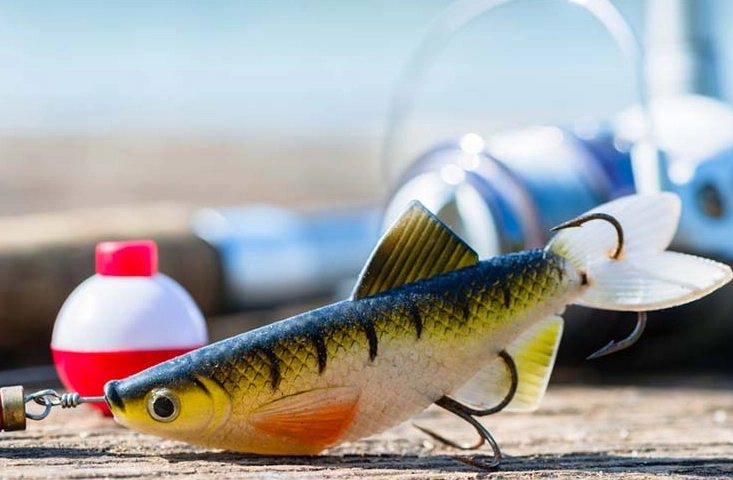
Hard Body Lures: Built to Move
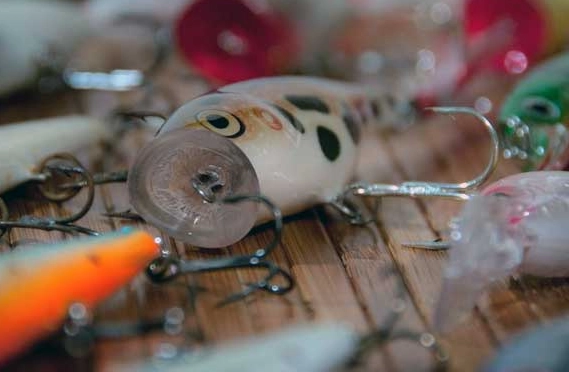
Crankbaits
Topwater Lures
Spinnerbaits & Inline Spinners
Spoons
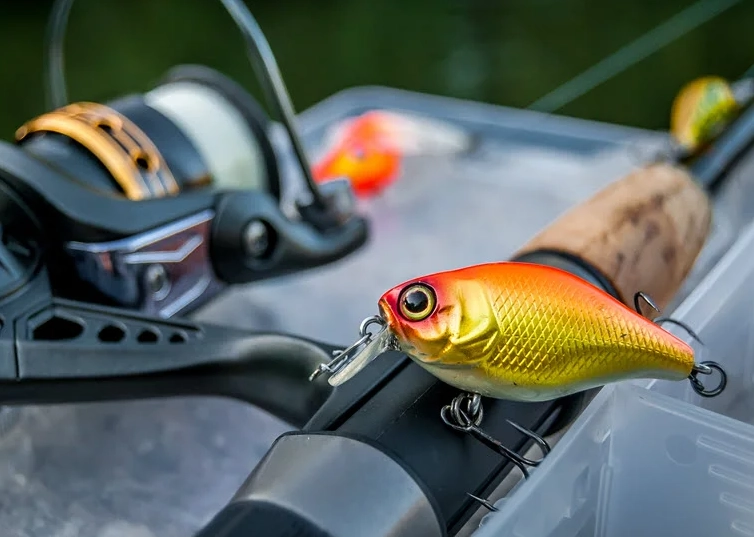
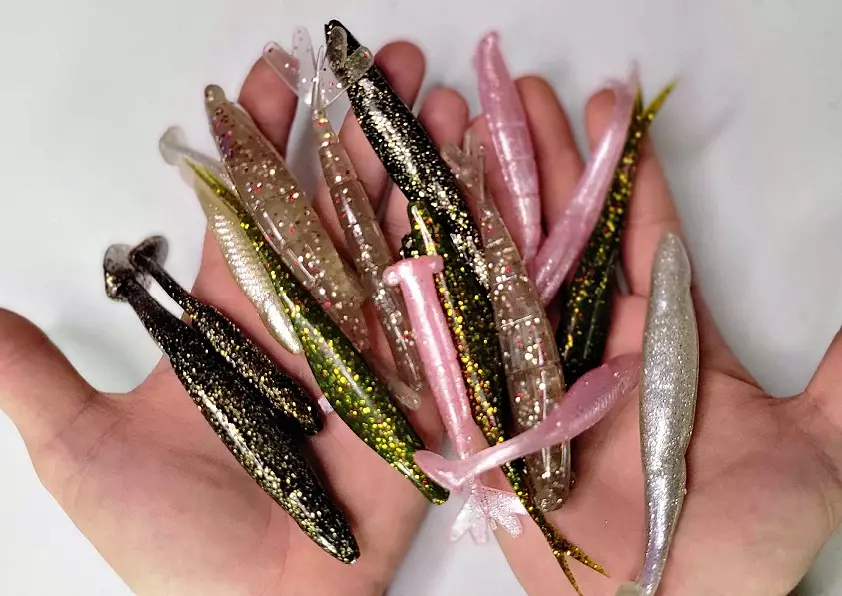
Soft Plastics: The Infinite Imitators
Worms & Stick Baits
Crawfish & Creature Baits
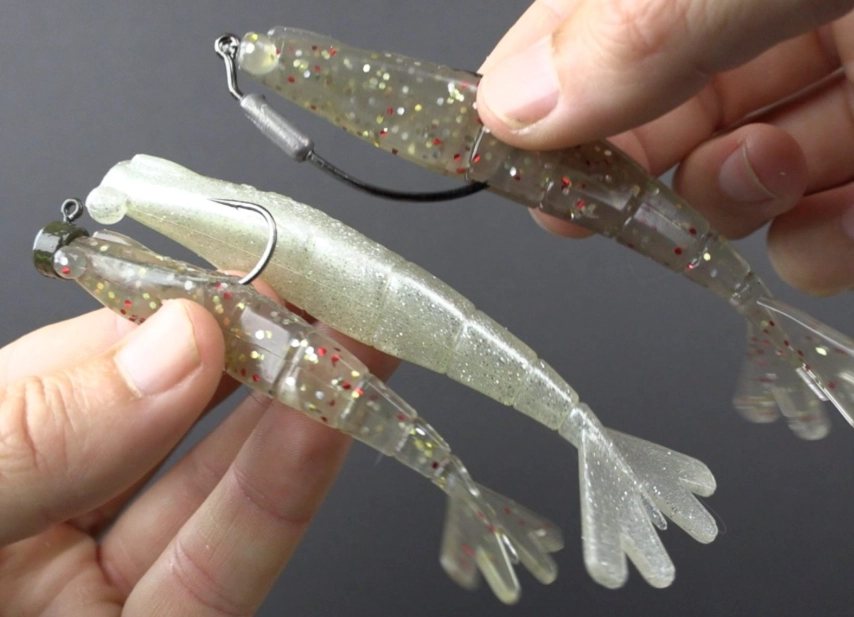
Swimbaits
Choosing the Right Lure: It's Not About Color
Scenario
Depth
Fish Mood
Good Lure Choices
Searching a new lake in summer
15-20 ft deep
Active
Deep diving crankbait, Carolina-rigged worm
Flipping into thick lily pads
Surface to 5 ft
Aggressive
Weedless soft plastic frog, Texas-rigged creature bait
Cold front just passed through
10-15 ft deep
Lethargic
Slowly sinking a jig, a finesse worm on a drop-shot rig
Your Questions Answered