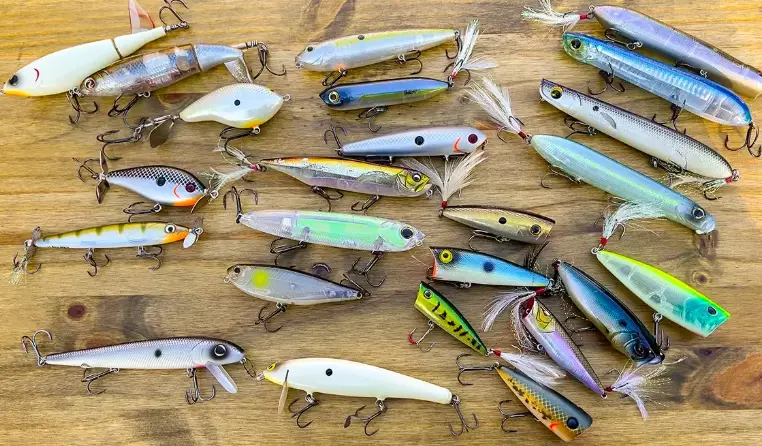
Artificial Lures for Bass: The Ultimate Guide to Catching More Fish
Struggling to catch bass? This comprehensive guide to artificial lures for bass breaks down everything from lure types and selection to retrieval techniques and seasonal strategies. Learn how to choose and use the best bass fishing lures to consistently fill your livewell.
Let's be honest. Walking into a tackle shop or browsing online for artificial lures for bass can feel completely overwhelming. Walls of shiny baits, hundreds of plastic worm colors, and more hooks than you can count. You've probably asked yourself, "What do I actually need?" and "Why isn't this one working like it did on YouTube?" I've been there, staring at the shelves, wallet in hand, totally paralyzed by choice. This guide is here to cut through the noise. We're not just listing lures; we're talking about the why and how behind them. Think of it as your roadmap to understanding bass behavior and matching it with the right piece of plastic, wood, or metal. The real magic of artificial lures for bass isn't in the purchase—it's in the application. Anyone can buy a fancy lure. Knowing when to throw it, how to work it, and why a bass might eat it? That's the difference between a slow day and a legendary one. First, let's clear something up. Live bait works. No one disputes that. But there are some solid reasons why legions of anglers, from weekend warriors to tournament pros, swear by artificial lures for bass. Durability & Convenience: You can't beat the convenience. A tackle box full of lures is ready to go at a moment's notice. No stopping for shiners or digging for worms. Plus, a single artificial lure can catch dozens of fish, while live bait is a one-and-done deal. Consistency & Targeting: This is a big one. Artificial lures allow you to present a specific size, shape, and action repeatedly. Want to mimic a wounded shad in 10 feet of water? There's a lure for that. Need to hop a crawdad imitation along a rocky bottom? Got that covered too. You're not just feeding the fish; you're triggering a reaction strike by presenting something that looks vulnerable or irritating. Live bait just sits there (hopefully wiggling). Artificials can be made to dart, pause, vibrate, and flash in ways that drive bass nuts. Cleanliness & Challenge: It's just cleaner. No slimy buckets, no hooks through minnows. And personally, I find the challenge more rewarding. Catching a bass on a cleverly presented artificial lure feels like you've outsmarted the fish, not just fed it. That said, I'm not a purist. If my kid just wants to catch a fish, you bet I'm putting a nightcrawler on their hook. But for actively pursuing bass, artificials give you so much more control. Alright, let's get into the meat of it. What are these things? We can broadly split the world of artificial lures for bass into two camps: hard baits and soft plastics. Each has its superstars. These are your lures made of plastic, wood, or metal. They often have built-in actions and are great for covering water and drawing fish from a distance. Crankbaits: The workhorses. These lures have a plastic lip that makes them dive and wobble when reeled. The depth they reach is mostly determined by the size and angle of that lip. A square-bill crankbait is my absolute go-around for fishing shallow wood and rocks. It deflects off cover with a "tick" that seems to annoy bass into biting. Deeper-diving crankbaits are perfect for grinding along offshore structure like ledges and drop-offs in the summer. They're not finesse tools; you just cast and reel, letting the lure do its thing. Spinnerbaits & Buzzbaits: The vibration kings. A spinnerbait has metal blades that spin around a wire arm, creating flash and vibration you can feel in your rod. They're incredibly versatile and almost weedless, perfect for burning over grass or slow-rolling through submerged brush. A buzzbait is a surface version—you reel it fast so the propeller on top churns the surface, leaving a bubble trail and a gurgling sound. Nothing gets a bass's attention in shallow, murky water like a buzzbait first thing in the morning. The strike is almost always explosive and heart-stopping. I'll never forget the first big bass I caught on a spinnerbait. It was a cloudy spring day, and I was just dragging it through some scattered bushes. Felt a heavy thump, set the hook, and my rod nearly bent double. That blend of vibration and flash is just irresistible sometimes. Topwater Plugs: The most exciting category, hands down. Watching a bass blow up on a surface lure is pure adrenaline. These include poppers (which spit and pop), walk-the-dog baits like Zara Spooks (which zigzag side-to-side), and prop baits. They're best in low-light conditions—dawn, dusk, or overcast days—on calm water. The key is patience. You often need to pause for several seconds after a blow-up before setting the hook. It's torture, but it works. Jerkbaits: These are long, slender minnow imitations. You "jerk" them with your rod tip to make them dart and suspend. Suspending jerkbaits are magic in cold water (early spring and late fall) because they hover motionless between twitches, right in a lethargic bass's face. It's a more technical retrieve, but when they're biting it, they usually crush it. If hard baits are about reaction, soft plastics are often about persuasion. You rig them on a hook, often with a weight, and your rod work gives them life. The Texas-Rigged Worm: The single most universal artificial lure for bass, period. It's a worm (usually 7-10 inches) rigged with a bullet weight pegged in front and the hook point buried weedlessly in the body. You cast it out, let it fall, and then hop or drag it along the bottom. It mimics a lot of things—a worm, a lizard, a struggling baitfish. The "thump" of a bass picking it up on the fall is a distinct feeling you'll never forget. It's a slow, methodical technique, but it catches fish when nothing else will. Creature Baits & Craws: These are designed to look like crayfish, salamanders, or other bottom-dwelling critters. They're bulkier and have lots of flapping appendages that create action and disturbance. Perfect for flipping and pitching into heavy cover like mats, laydowns, and docks. A bass guarding a bed in the spring sees a creature bait crawling through its nest and just loses its mind. Swimbaits: These have become incredibly sophisticated. From simple paddle-tail grubs on a jighead to massive, hyper-realistic multi-jointed lures that cost as much as a dinner out. They mimic larger baitfish like shad, trout, or bluegill. The retrieve is usually a steady swim. They're often a "big bait, big fish" presentation, but smaller swimbaits are deadly on numbers of fish, too. Here’s a quick breakdown of common soft plastic styles and their best uses: So you've got the types down. Now, how do you pick one out of your box at any given moment? This is where many anglers, myself included, used to just guess. But it's not random. You need to match the lure to the conditions and the fish's mood. Think Conditions, Not Just Confidence: Your favorite lure might not be the right tool today. Start by assessing the water clarity, depth, cover, and time of year. Water Clarity: This is huge for color selection. In clear water, natural is better—shad patterns, green pumpkin, watermelon. In stained or muddy water, you need visibility and vibration. Go with darker silhouettes (black/blue) or bright colors (chartreuse, red) and use lures with more thump, like spinnerbaits or chatterbaits. Season & Water Temperature: Bass are cold-blooded. Their metabolism dictates their activity level. Cover & Structure: Match the lure to the playground. Ever wondered why some lures work miracles one day and are utterly ignored the next? It's rarely the lure's fault. It's usually because we're using it in the wrong place, at the wrong speed, or at the wrong depth. The best artificial lures for bass are the ones that fit the puzzle pieces in front of you. Buying the lure is step one. Making it catch fish is step two, three, and four. The retrieve is everything. A lifeless crankbait is just a piece of plastic. One with the right wobble is breakfast. The Steady Retrieve: Simple but effective for crankbaits, spinnerbaits, and swimbaits. Just cast and reel. The key is varying your speed until you find what they want. Sometimes a slow roll, sometimes a burn. The Stop-and-Go (or "Yo-Yo"): This works for lipless crankbaits, jerkbaits, and even soft plastics. Reel, pause, let the lure fall, then reel again. That moment of free-fall triggers so many bites. It mimics a dying or disoriented prey. The "Hop" or "Drag": The bread and butter of bottom baits like jigs and Texas rigs. Use your rod tip to lift the lure off the bottom, then let it fall back on a semi-slack line. Or, just drag it slowly, feeling for rocks and branches. Be ready for weight to just appear on your line. The "Walk-the-Dog": A specific topwater technique. With a twitch of your rod tip sideways, you make the lure dart left, then right, creating a zigzag wake. It takes a little practice to get the rhythm, but it's incredibly effective on calm days. Common Mistake: Don't set the hook on a topwater strike immediately! When a bass blows up on your lure, wait until you feel the weight of the fish before you cross its eyes. This is the hardest, most counterintuitive thing in fishing, but swinging too early pulls the lure right out of its mouth. We've all made these mistakes. I still do if I'm not paying attention. Recognizing them is half the battle. Using Too Big of a Lure: Especially early in the season or in pressured waters. Bass aren't always looking for a five-course meal. Sometimes a snack is all they want. Downsizing your artificial lures for bass can result in more bites, even from bigger fish. Fishing Too Fast: Impatience is an angler's worst enemy. We see pros burning baits on TV and think that's the norm. Most of the time, especially with soft plastics, you need to fish slower than you think. Then, fish even slower than that. Ignoring Line and Rod Pairing: That fancy jerkbait won't suspend right on heavy braided line. A finesse worm feel is lost on a stiff flipping stick. Match your gear. Use fluorocarbon or monofilament for most moving baits for better action and depth control. A medium-power, fast-action rod is the most versatile tool for a wide range of artificial lures for bass. Not Retying Often Enough: That little nick in your line from a rock or a fish's teeth is a disaster waiting to happen. Retie your knot frequently. I probably retie more than I need to, but I've lost fewer lures and big fish because of it. Once you get the basics, you can start playing chess with the bass. The "Match the Hatch" Mentality: Look around. Are there shad popping on the surface? Are crayfish scurrying on the bank? Try to find an artificial lure that roughly matches the size and profile of the dominant forage. The Bassmaster article on matching the hatch dives deeper into this concept with specific examples. Finesse When Pressure is High: On heavily fished lakes, bass see a lot of lures. Switching to finesse techniques with lighter line and smaller, more natural presentations can make all the difference. A drop shot rig or a ned rig are killers in these situations. Reacting to Reaction Strikes: Sometimes, especially in warmer water, bass aren't feeding—they're just reacting to an irritant. A fast-moving spinnerbait buzzed past their face or a crankbait banging off their cover can trigger a purely aggressive strike, even if they're not hungry. Trolling for Knowledge: Not trolling to catch fish (though it works), but trolling a crankbait to map the bottom. You can quickly find ditches, humps, and depth changes that will hold fish later when you fish them slowly with other artificial lures for bass. Good lures aren't cheap. Take care of them. For a great resource on basic tackle care, the Take Me Fishing guide on tackle care has some solid, simple tips that apply directly to preserving your collection of artificial lures for bass. Let's tackle some of the real-world questions that pop up all the time. If my boat was on fire and I could only grab one lure, it would be a 3/8 oz white/chartreuse spinnerbait. It's not always the best, but it's the most versatile. You can fish it shallow, deep, fast, slow, in clear or dirty water, around grass and wood. A close second is a green pumpkin Texas-rigged creature bait. But the spinnerbait covers more water when you're searching. It's important, but it's not the first thing I worry about. Profile, action, and depth come first. If you have the right lure in the right place, color can be the final trigger. In dirty water, contrast matters (dark vs. light). In clear water, realism matters. When in doubt, natural greens and shad patterns are safe bets. Don't own 50 shades of the same worm. Pick a dark (black/blue), a natural (green pumpkin), and a bright (chartreuse) for each style and you're 90% covered. It can't hurt, especially on slow-moving soft plastics. It might mask human scent and give a bass more confidence to hold on a fraction of a second longer. Is it magic juice? No. But I usually put a little on my finesse plastics. For fast-moving baits like crankbaits, it's pretty pointless. You don't, not completely. Fishing where bass live means fishing where snags live. But you can minimize it. Use weedless rigs in heavy cover. When fishing crankbaits around rocks, use a braided line with a fluorocarbon leader—braid has no stretch and you can often pull the lure free by bending the hooks. And accept that losing a few lures is just the cost of doing business. If you're not getting snagged, you're probably not fishing in the right places. Pay more attention to the fall. Seriously. Whether it's a jig, a worm, or a jerkbait, a huge percentage of strikes happen as the lure is sinking. Keep your line tight enough to feel any tick or change in weight, but slack enough to let it fall naturally. Watch your line! If it twitches, jumps, or starts moving sideways, set the hook. Look, the journey with artificial lures for bass is a long one. You'll have days where you feel like a genius and days where you feel utterly defeated. The key is to think about what you're trying to accomplish with each cast. Are you searching? Triggering? Finessing? Start with the conditions, pick a lure that makes sense, and then vary your retrieve until you get a clue. Don't be afraid to put a lure down if it's not working. The bass will tell you what they want, you just have to listen. Now go get your line wet. For even more in-depth seasonal patterns and advanced techniques, resources like the fishing reports and articles on In-Fisherman's bass section are filled with expert insights that can help you refine your approach further.Quick Navigation

Why Go Artificial? The Case Against Live Bait (Sometimes)
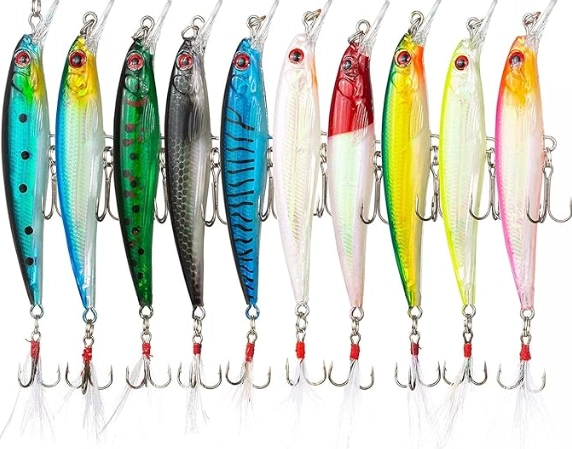
The Bass Lure Arsenal: Breaking Down the Major Types
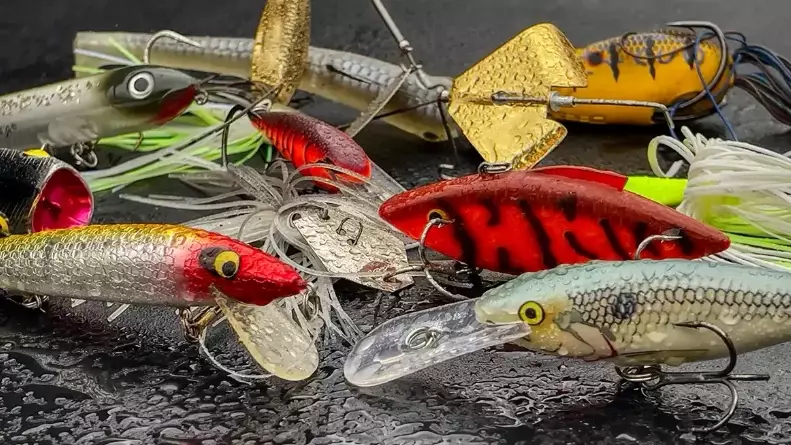
Hard Baits: The Noisy, Flashy Attraction Machines
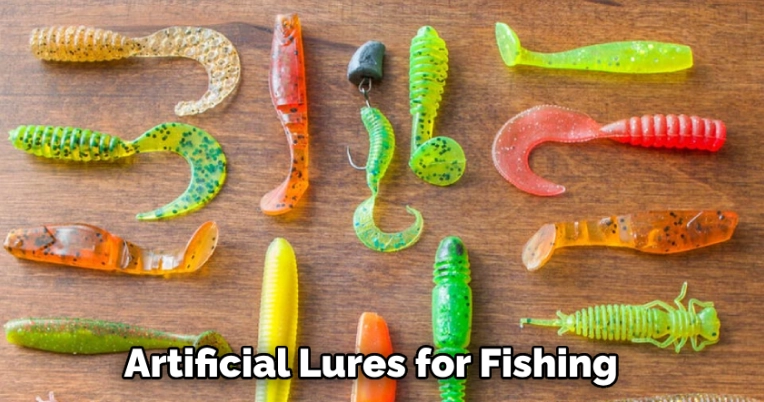
Soft Plastics: The Finesse and Feel Masters
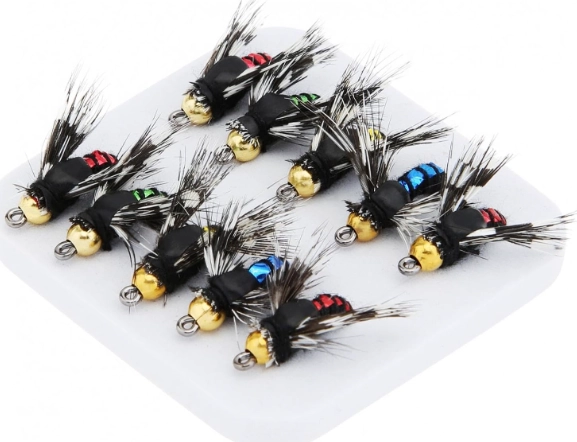
Soft Plastic Style
Best Rigging Method
Ideal Conditions / Technique
What It Mimics
Straight Tail Worm (e.g., Stick Worm)
Weightless Texas, Wacky Rig
Clear water, finesse situations, suspended fish
Injured minnow, dying worm
Curly Tail Grub
Jighead, Bladed Jig (Chatterbait)
Active fish, covering water, vertical jigging
Small baitfish, shad
Craw / Creature Bait
Texas Rig, Flipping Rig, Jig Trailer
Heavy cover, bottom fishing, spawning beds
Crayfish, salamanders, hellgrammites
Paddle Tail Swimbait
Underspin Jighead, Weighted Hook
Grass lines, open water, schooling bass
Shad, perch, other forage fish
Choosing the Right Artificial Lure: It's Not Just About Color
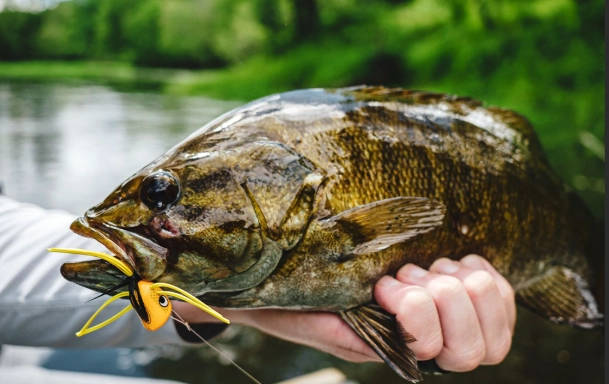
How to Actually Fish Them: Retrieves That Trigger Strikes
Common Pitfalls and How to Avoid Them
Advanced Tactics: Putting It All Together
Maintenance and Care: Making Your Lures Last
Frequently Asked Questions (Stuff You Actually Want to Know)