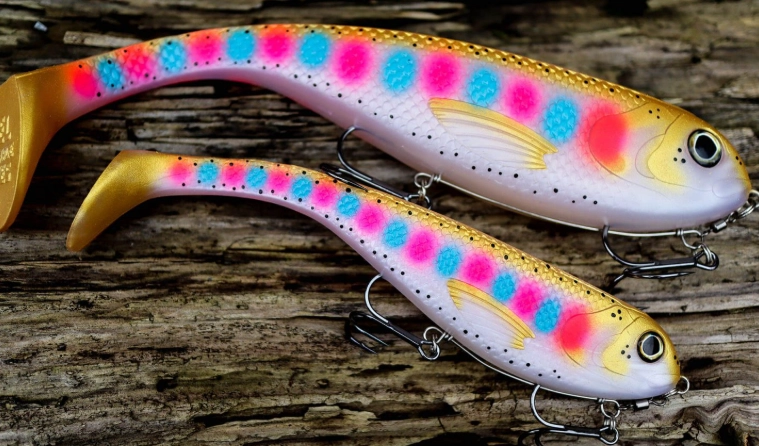
Ultimate Guide to Artificial Lures for Trout Fishing: Types, Tips & Techniques
What are the best artificial lures for trout fishing? This in-depth guide covers everything from lure types and retrieval techniques to seasonal strategies and gear selection, helping you catch more trout.
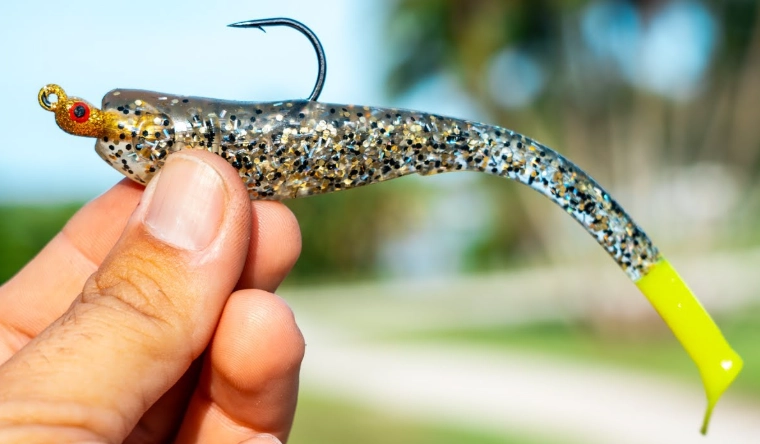
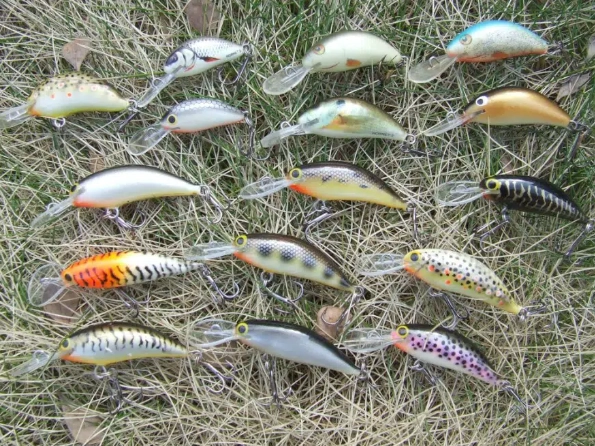
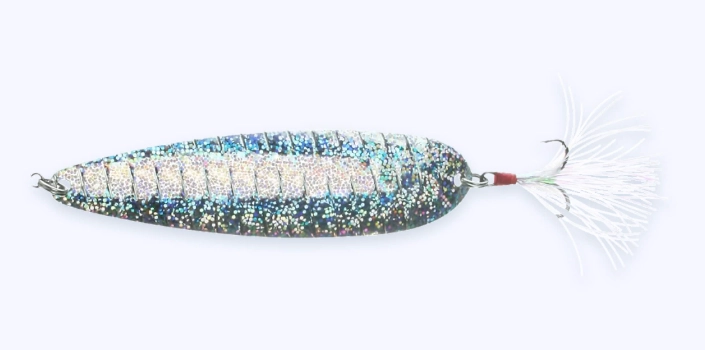
Let's be honest. Walking into a tackle shop and staring at the wall of artificial lures for trout can be downright overwhelming. Spinners, spoons, crankbaits, soft plastics... they all promise the big catch. But which ones actually work? And more importantly, how do you use them? I remember my first season targeting trout with lures. I bought the flashiest, most expensive thing on the rack because the package said "Trout Killer." I spent hours casting it perfectly, or so I thought, without so much as a follow. It was frustrating. The problem wasn't the lure itself, necessarily. It was that I had no idea why I was using it, or how to make it behave like something a trout would want to eat. That's what this guide is for. We're going to cut through the marketing hype and talk about the real-world performance of artificial lures for trout. We'll break down the major types, explain exactly when and how to use them, and share the little tricks that make a huge difference. This isn't about having the most lures; it's about having the right knowledge. Trout lures generally fall into a few key families. Each has a distinct action, sinks at a different rate, and excels in specific situations. Think of them as different instruments in an orchestra. These are the classic. A metal blade spins around a wire shaft, creating flash and vibration. They're incredibly versatile and often the first artificial lure a new trout angler should try. Brands like Mepps, Panther Martin, and Blue Fox are legendary for a reason. How they work: The spinning blade mimics the flash of a fleeing minnow or struggling insect. The vibration it puts out travels far through the water, acting as a dinner bell for trout, especially in stained water or low light. You just cast and retrieve—steady, slow, and consistent. Best for: Streams, rivers, and lake shorelines. Murky water. Aggressive, actively feeding trout. They're search lures—great for covering water to find fish. Simple, elegant, and deadly. A spoon is a curved piece of metal that wobbles and flutters erratically on the retrieve, imitating a wounded baitfish. Their action is more subtle and lifelike than a spinner's aggressive thump. How they work: Cast it out, let it sink to the desired depth, and then use a lift-and-drop or a slow, steady retrieve. The fluttering, side-to-side wobble is irresistible. KastMaster, Little Cleo, and Daredevle spoons are staples in any trout box. They come in a huge range of weights, allowing you to fish deep pools in a river or troll deep in a lake. A heavy spoon jigged vertically under a boat can be murder on lake trout. Best for: Imitating wounded baitfish. Deeper water. Trolling. Jigging. Clear water where a more subtle presentation is key. These are the lifelike imitators. Hard-bodied lures with a diving lip that makes them swim with a tight wobble or a wide, rolling action. They come in floating models that dive on retrieve (F), sinking models (S), and suspending models that hover neutrally (SP). How they work: They look and swim like a real minnow, sculpin, or juvenile fish. The key is the diving depth, which is determined by the lip size and angle. You need to match the lure's running depth to where the trout are holding. A Rapala CountDown or a Rebel Crawfish are perfect examples. They require a bit more finesse than a spinner. Sometimes a straight retrieve works. Other times, you need to "twitch" it—giving the rod tip little jerks to make the lure dart and pause like a sick fish. Best for: Clear lakes and big, slow rivers. Targeting specific depth zones. When trout are keyed in on small baitfish. This category is massive and incredibly effective. We're talking grubs, tubes, swimbaits, and worms rigged on a lead-head jig. Their action is entirely in your hands. How they work: You impart the life. A simple grub on a 1/16oz jig head, hopped along the bottom, can mimic a crayfish or a nymph. A small swimbait on a jig head, retrieved steadily, swims with a tantalizing tail kick. The Berkley PowerBait Trout Worm is a phenomenon for a reason—it just works, especially when fished slowly under a float or on a drop-shot rig. The beauty of soft plastics is the slow, natural fall. A trout will often inhale it as it sinks. You have to be ready for that subtle "tick" on your line. Best for: Finesse presentations. Clear, pressured water. Slow-moving or finicky trout. Bottom-bouncing in deep pools. So, with all these options, how do you pick? Don't just close your eyes and grab one. Ask yourself these questions at the water's edge: This is where the magic happens. The retrieve is what gives your artificial lure for trout its personality. A lure worked poorly is just a piece of metal or plastic. Worked well, it's a convincing meal. Here's the thing. You have to pay attention. If you get a follow or a nip, remember what you were doing. Were you pausing? Speeding up? That's the clue for the day. Trout often hold at specific depths. Your lure needs to get in front of their faces. Your approach with artificial lures for trout needs to change with the calendar. Water is cold, but trout are active, feeding up after winter. They're often in shallower water near inflows. This is a great time for bright, flashy lures like spinners and spoons to grab their attention. As insect hatches begin, smaller lures that mimic nymphs or emergers work well. The challenge. Surface water warms, pushing trout deeper or into spring-fed areas. Focus on early morning and evening. This is prime time for deep-diving crankbaits trolled in lakes, or for jigging spoons and soft plastics in deep river pools. In high-altitude or spring-creek situations, smaller presentations remain key. My favorite season. Water cools, trout feed aggressively to fatten up for winter. They're often shallow again. Larger lures that mimic baitfish (like bigger spoons and crankbaits) can produce big fish. It's also a great time to match the hatch with lures that look like crayfish or sculpins. Slow and low. Trout metabolism drops. Presentations need to be slow, methodical, and right in their face. Small jigs and soft plastics, fished with almost imperceptible movement, are king. Nymphing with a small bead-head grub under an indicator can be incredibly effective. Patience is everything. For specific seasonal regulations and conservation guidelines (like catch-and-release best practices in sensitive seasons), always check the official website of your state's natural resources or fish and game department. For example, the U.S. Fish and Wildlife Service's trout page offers great general conservation context. You can have the perfect artificial lure for trout, but if your gear is mismatched, you'll struggle. Look, the world of artificial lures for trout is deep. You could spend a lifetime refining your choices and techniques. But it doesn't have to be complicated. Start simple. Master a spinner and a jig. Learn to read the water and control your depth. Pay attention to what the fish are telling you. The water's waiting. Grab a couple of proven artificial lures for trout, and go see what works for you. Remember, the goal isn't to have an answer for every situation on day one. The goal is to start building your own experience, one cast at a time.Quick Navigation

The Main Types of Artificial Lures for Trout
Inline Spinners
Spoons
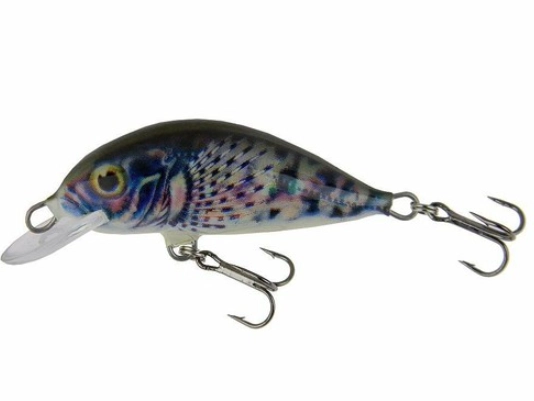
Crankbaits and Minnow Plugs
Soft Plastic Lures and Jigs
Lure Type Best Action Ideal Water Conditions Key Strength A Potential Drawback Inline Spinner Steady retrieve Stained/murky, moving water Excellent search lure, triggers reaction strikes Prone to snagging Spoon Lift-and-drop, slow wobble Deep pools, clear lakes Great depth control, mimics wounded fish Can twist light line Crankbait Straight or twitching retrieve Clear water, specific depths Realistic minnow imitation Limited diving range per model Soft Plastic/Jig Hopping, dragging, slow swim Clear, pressured, or cold water Ultra-natural finesse presentation Requires attentive line watching Choosing the Right Artificial Lure: A Simple Guide
Mastering the Retrieve: It's Not Just Casting and Winding
The Fundamental Retrieves
Depth Control: The Hidden Skill
Seasonal Strategies for Artificial Lures
Spring
Summer
Fall
Winter
Gear Matters: Matching Your Rod, Reel, and Line
Common Questions About Artificial Lures for Trout (Answered)