Artificial Fishing Bait: A Complete Guide to Types and How to Use Them
Confused by the endless wall of artificial baits at the tackle shop? This guide breaks down every major type of artificial fishing lure, explains exactly when and how to use them, and shares pro tips to help you catch more fish.
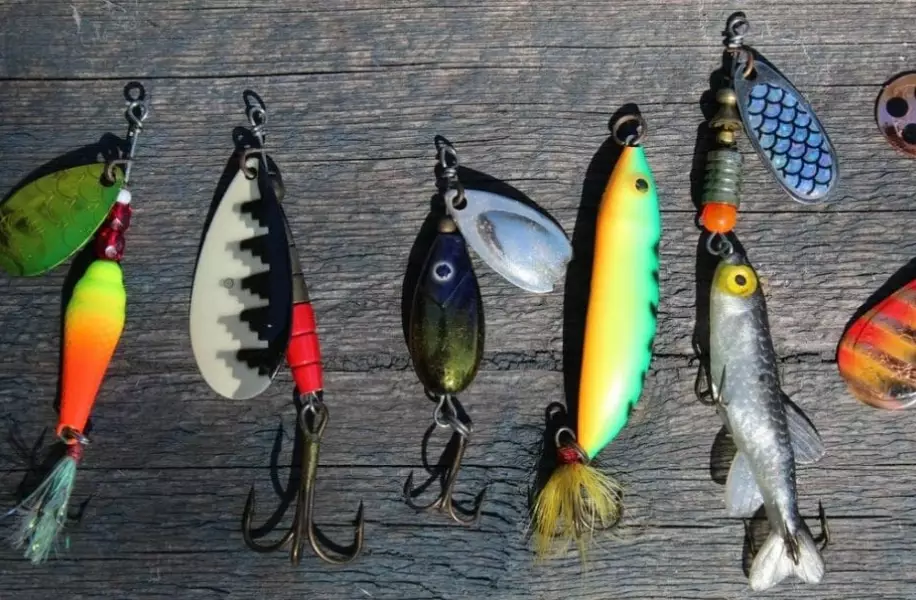
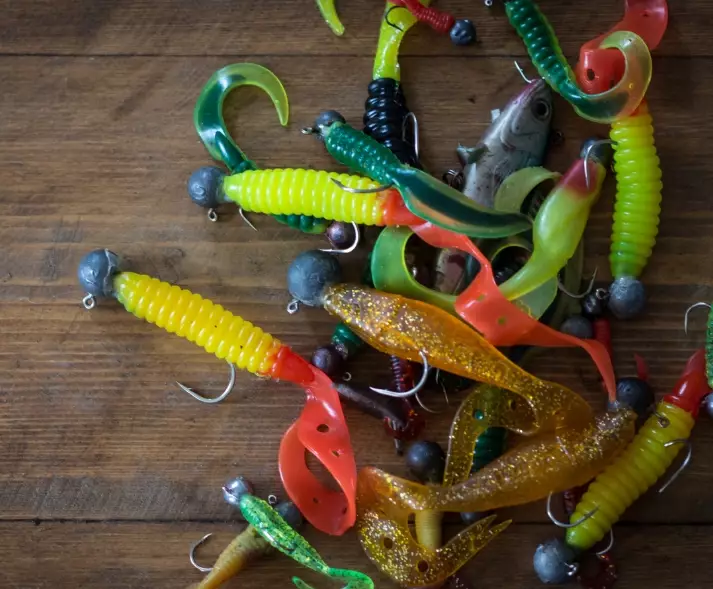
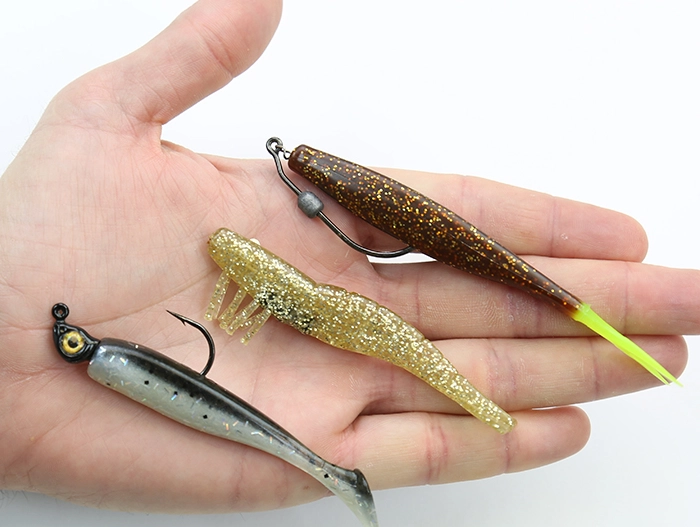
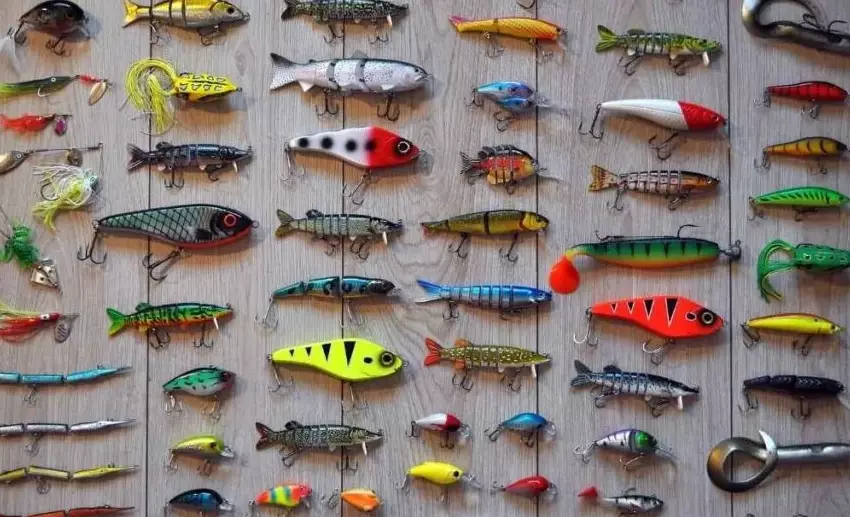
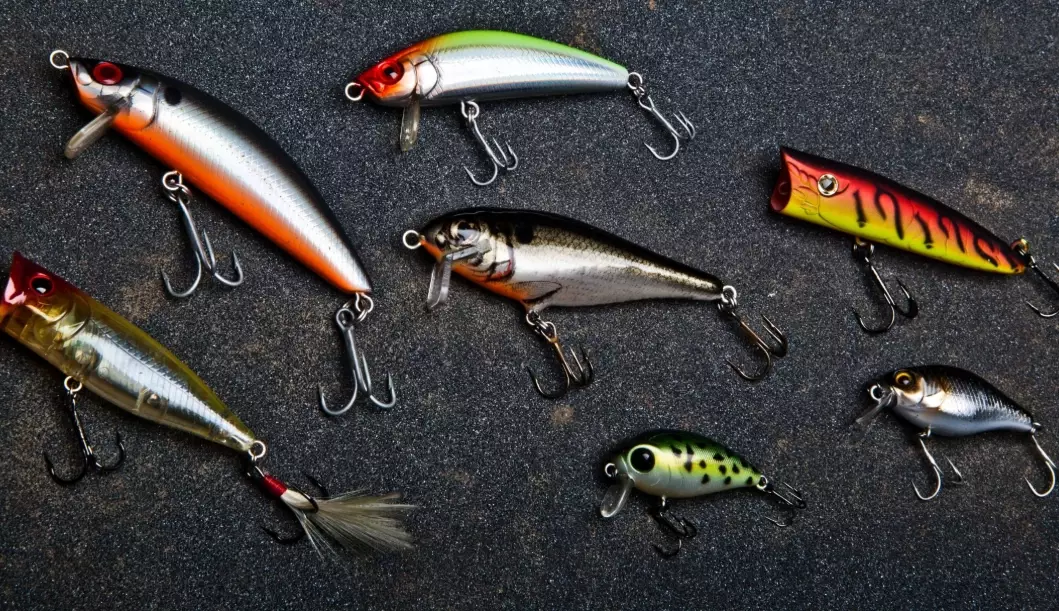
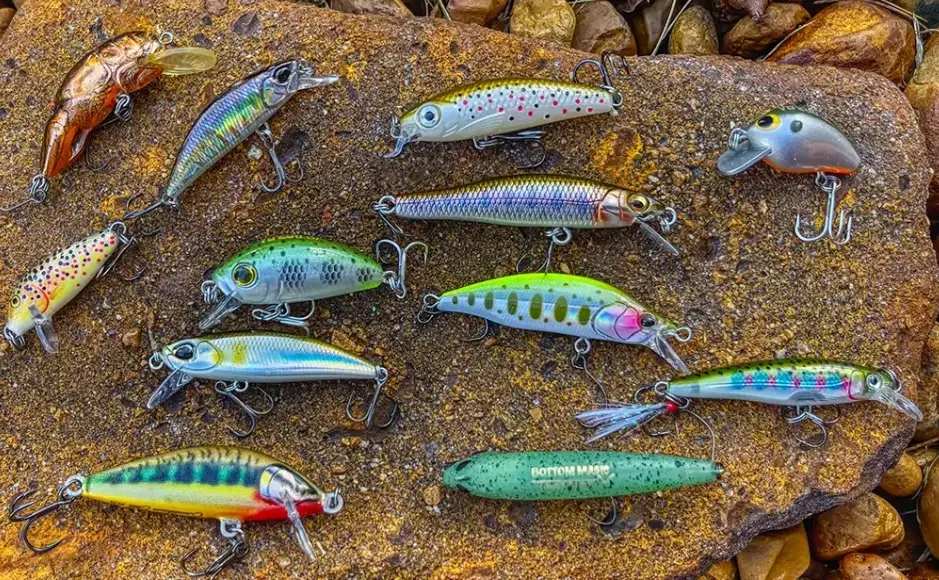
Walk into any serious tackle shop, and the wall of artificial lures can be overwhelming. Thousands of plastic and metal creations in every shape and color imaginable. I remember staring at that wall as a kid, completely paralyzed. Do I need the one that looks like a shad, a crawfish, or a frog? Should it sink, float, or do a little dance? Choosing the right artificial bait isn't about having the most expensive one; it's about understanding the tool for the job. This guide cuts through the noise. We'll break down the major families of artificial baits, explain not just what they are, but when and how to use them to actually catch fish. Let's get you off that confusing wall and onto the water with confidence. Hard baits are made of plastic, wood, or composite materials and have a built-in action. Their biggest advantage? Consistency. A crankbait will swim the same way on every cast, which is great for learning. These lures have a plastic lip that makes them dive and wobble when retrieved. They're fantastic for covering water quickly and finding active fish. The key spec is diving depth. I made a classic mistake for years: using a deep diver in shallow water. It just snagged on everything. Match the depth to your spot. Long, slender minnow-imitators that can be suspending, floating, or sinking. The magic is in the retrieve: you \"jerk\" your rod tip sharply, making the bait dart and pause erratically like a wounded fish. Suspending jerkbaits (they hover in place on the pause) are deadly in cold water for bass, walleye, and pike. It's a patient person's game. These are the big, often expensive, hyper-realistic lures that mimic larger forage like trout, bluegill, or shad. They can be hard-bodied or have a soft plastic tail. You typically reel them steadily for a lifelike swimming action. They target trophy-sized predators. Don't start here—it's a specialized, often pricey tool. This is where creativity shines. Soft plastic baits are just that—soft, pliable plastic bodies you rig on a hook. Their action comes from your rod work and the design of the bait itself. They're generally cheaper than hard baits and incredibly effective. Rigging is Key: The same soft plastic can be fished five different ways. A simple worm can be Texas-rigged (weedless), Carolina-rigged (for covering bottom), wacky-rigged (for a dying flutter), on a shaky head jig (for finesse), or on a dropshot (suspended off the bottom). The rig changes everything. Here's a breakdown of the most common soft plastic styles: These lures use metal blades to create flash and vibration, calling fish in from a distance, especially in stained or muddy water. Inline Spinners: Simple, classic, and deadly. A metal blade spins around a wire shaft with a hook dressed in fur or feathers (like a Mepps or Rooster Tail). You just cast and reel. They catch everything from trout and panfish to bass and pike. They can snag easily, so avoid super weedy areas. Spinnerbaits: A safety-pin shaped wire with one or more Colorado or Willow-leaf blades on the upper arm and a skirted jig head on the lower arm. They're remarkably weedless and can be burned over grass, slow-rolled along drop-offs, or bumped off stumps. The thump of a Colorado blade is great for murky water; the flash and faster vibration of a Willow-leaf is better for clear water. Chatterbaits / Bladed Jigs: A modern hybrid. It's a jig head with a specialized blade attached that \"chatters\" side-to-side violently on the retrieve. It combines the vibration of a spinnerbait with the bulk and hook-setting power of a jig. It's become a go-to search bait for many anglers. Nothing in fishing beats the explosive strike on a topwater lure. These baits are designed to be worked on the surface, creating commotion that draws fish up from below. They're most effective in low-light conditions (dawn, dusk) or at night, and in warmer water. Forget the color for a second. Start by asking three questions about the spot you're fishing: Color should be your last consideration. A basic rule: bright colors (chartreuse, orange) for stained water, natural colors (shad, green pumpkin) for clear water, and dark colors (black/blue) for low light or muddy water. Here's the stuff you won't always find on the packaging, learned from years of trial and error. The world of artificial baits is deep, but it doesn't have to be complicated. Don't try to master them all at once. Pick one type from two categories—say, a squarebill crankbait (hard bait) and a pack of soft plastic worms. Learn them inside and out on your local water. Understand how they feel, how they move, and when they get bites. That focused knowledge is worth more than a tackle box full of unused lures. Now, go get your line wet.Your Quick Guide to Artificial Bait
Hard Baits: The Predictable Workhorses
Crankbaits: The Search Bait
Jerkbaits: The Finesse Masters
Swimbaits: The Realism Factor
Soft Plastics: The Limitlessly Versatile Artists
Bait Type
What it Imitates
Best For / Presentation
Worms (Straight Tail, Curly Tail)
Nightcrawlers, aquatic worms
Dragging, hopping along the bottom. The foundation of bass fishing.
Craws / Creature Baits
Crayfish, salamanders, bugs
Hopping or slowly dragging near rocks, wood, and docks. Triggers reaction bites.
Grubs & Tubes
Baitfish, sculpin, gobies
Jigged under a bobber for panfish, or swam/hopped on a jig head for bass and walleye.
Paddle Tail Swimbaits
Shad, perch, other baitfish
Steady retrieve or lift-and-fall on a jig head. Incredible swimming action.
Stick Baits (Senko-style)
Nothing in nature—it's an action trigger
Weightless, wacky-rigged. It shimmies and falls horizontally. Catches fish when nothing else will.
Spinners, Spinnerbaits & Blades: The Vibration Machines
Topwater Baits: The Heart-Stopping Surface Show
How Do I Choose the Right Artificial Bait?
Pro Tips & Common Mistakes to Avoid
Your Artificial Bait Questions Answered