Ultimate Guide: Choosing & Using Artificial Lures for Fishing Success
Overwhelmed by the sheer variety of artificial lures for fishing? This ultimate guide breaks down every lure type, when to use them, and expert techniques to help you catch more fish. Learn how to match the hatch and build your perfect tackle box.
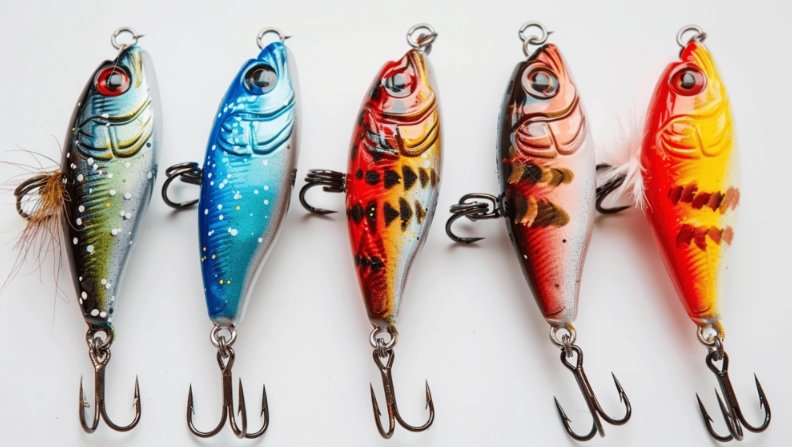
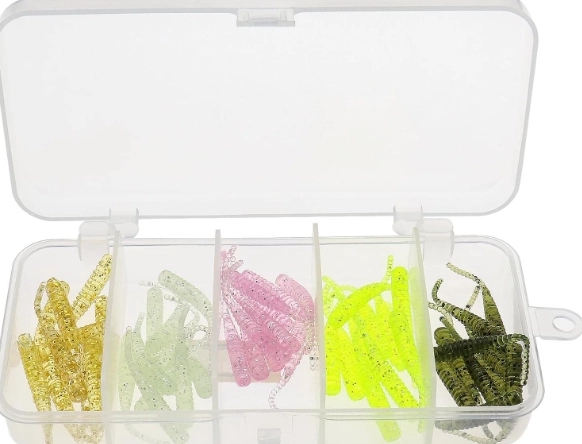
Let's be honest. The first time you walked into a tackle shop and saw that wall of plastic and metal, it was paralyzing. Cranks, spinners, jigs, worms in every color imaginable... where do you even start? I remember just grabbing a few random packs that looked cool, tossing them in the lake, and wondering why the guy twenty feet down the shore was pulling them in one after another. Sound familiar? The truth is, artificial lures for fishing aren't magic. They're tools. And just like you wouldn't use a hammer to screw in a lightbulb, you can't just use any lure for any fish in any condition. The secret isn't owning the most lures; it's knowing how to use the right ones. This isn't about selling you more gear. It's about cutting through the noise and giving you a system—a way of thinking—that turns that overwhelming wall of options into a curated, effective arsenal. We're going to ditch the guesswork. Okay, let's tackle the big question first. Why mess with all these plastic and metal contraptions when a simple worm on a hook works? I used to think the same thing. But after years of fishing everything from farm ponds to big lakes, the advantages of artificial lures for fishing became impossible to ignore. First off, durability. One nightcrawler might get you one bite. One well-made soft plastic lure can catch a dozen fish before it's too torn up. That's cost-effective in the long run. More importantly, it's about consistency and presentation. Live bait can be finicky. It dies, it hides, it doesn't always swim where you want it to. An artificial lure does exactly what you tell it to do, every single cast. You can make it dart, pause, sink, or twitch in a way that triggers a reaction strike from even the most stubborn fish. Then there's the sheer variety. You can't match a mayfly hatch with a minnow. But you can have a fly box full of artificial imitations that do. You can fish depths live bait can't reach with a heavy jig. You can cover vast stretches of water quickly with a spinnerbait, searching for active fish. It's about having the right tool for the job, and the job changes daily based on weather, water, and fish mood. This is where we get into the meat of it. Lures are designed to do specific things in the water. Think of them like actors playing different roles. Here’s the cast of characters you need to know. These are your search lures. They're designed to be cast out and reeled in, mimicking a fleeing or foraging baitfish. Crankbaits have a plastic lip that makes them dive and wobble. The bigger the lip, the deeper they dive. I always have a few shallow, medium, and deep-diving crankbaits ready to go. They're fantastic for covering water and finding fish holding on points, along weed edges, or near drop-offs. Minnow plugs (like the classic Rapala) have a slimmer, more subtle action. They're killers for clear water and finicky fish like trout or walleye. The key with these swimmers is retrieval speed. Sometimes a slow, steady roll works. Other days, you need to "rip" it—a series of fast cranks followed by a pause to let it float up. That erratic motion can trigger explosive strikes. Vibration and flash. That's the game here. Spinnerbaits have metal blades that spin around a wire arm, creating a thumping vibration and flash that fish can sense from far away, even in murky water. I love them in stained water or around heavy cover like stumps and lily pads—they're relatively snag-resistant. Spoons are simple slabs of metal that wobble and flash on the fall or retrieve. They're incredibly versatile. You can cast and reel them, jig them vertically, or even "troll" them. An old Johnson Silver Minnow spoon with a pork rind trailer is a legendary pike and bass catcher for a reason. If I had to pick one category to fish with for the rest of my life, it'd be this. The jig is arguably the most versatile artificial lure in existence. It's just a weighted hook with a skirt or a soft plastic body (a "trailer") added. Its magic lies in its control. You can hop it, drag it, swim it, or let it sit dead-still. It mimics a crawfish scuttling, a baitfish dying, or a worm wiggling. Pairing the right jig head weight with the right soft plastic trailer is an art form. A finesse worm on a light jig in clear water? Deadly. A bulky creature bait on a heavy jig punched through thick mats of vegetation? Also deadly. Soft plastics aren't just for jigs. Texas-rigged worms or creature baits are a foundational technique, especially in heavy cover where you need a weedless presentation. The number of shapes, sizes, and colors is mind-boggling—stick worms, craws, lizards, creatures that look like they're from a sci-fi movie. The key is to start simple. A pack of 5" stickbaits in green pumpkin and a pack of curly-tail grubs will catch a ton of fish while you learn. Here's a quick cheat sheet to help you match the lure to the moment: You don't need a massive tackle box to start. In fact, a small, well-chosen selection is better. Here's what I'd put in a beginner's "core" box for freshwater fishing (targeting bass, walleye, pike, etc.). This is the kit I wish someone had given me. The Essential Artificial Lures Starter Pack With just these 10-12 lures, you have an answer for shallow water, deep water, clear water, murky water, fast retrieves, slow retrieves, and topwater explosions. Master these before you buy more. This is the practical system. You're at the water's edge. How do you choose? Follow this logic chain. Step 1: Look at the water and weather. Is it clear or muddy? Windy or calm? Sunny or cloudy? Clear/sunny often calls for more natural colors and finesse presentations (jigs, subtle crankbaits). Murky/cloudy means you can go with brighter colors and lures with more vibration or sound (spinnerbaits, chatterbaits, loud topwaters). Step 2: Figure out where the fish might be. Are they shallow near spawning beds in spring? Deep on cool points in summer? Chasing baitfish near the surface in fall? Your lure choice must be able to reach and effectively work that zone. You can't catch a deep fish with a topwater lure. Step 3: Match the forage. Look around. Do you see little bluegill flickering? Maybe a crawfish imitation (jig, crankbait) is the ticket. Are there shad schools dimpling the surface? A shad-colored crankbait or a soft plastic swimbait makes sense. This "match the hatch" principle is central to success with artificial lures. Step 4: Start with a search bait, then slow down. If you're unsure, start with something like a crankbait or spinnerbait to quickly cover water and locate active fish. If you get a follow or a half-hearted strike, or if you know fish are there but not biting, slow down. Switch to a jig or a Texas-rigged worm and work it meticulously through the area. Active fish chase; inactive fish need a meal dropped on their nose. Buying the lure is only 10% of the battle. The other 90% is how you work it. Here are a few non-negotiable techniques. Jigging: It's not just lifting and dropping. Try a slow drag, inching it along the bottom. Try a sharp hop. Try shaking the rod tip while the jig is on the bottom to make the trailer's appendages quiver. Most strikes on a jig come as it's falling, so keep your line taut to feel that subtle "tick." The Pause: This is the single most effective thing you can do with almost any artificial lure. Whether it's a crankbait, a topwater, or a soft plastic, a sudden, unexpected pause often triggers the strike. Reel, reel, PAUSE. Twitch, twitch, PAUSE. It mimics an injured or confused prey item, and predators can't resist. Working Topwater: Patience is key. Cast it out. Let the rings disappear. Then start your retrieve. For "walk-the-dog" lures, it's a rhythmic twitch of the rod tip while reeling in slack. Don't rush it. The classic "bloop... bloop... pause... KABOOM!" sequence is worth the wait. I've made every mistake in the book, so you don't have to. Using the wrong line. Stiff, heavy monofilament can kill the action of a subtle crankbait. Use a thinner, more supple fluorocarbon or a braid with a fluoro leader for diving lures. For topwater, you often want floating line like monofilament. It matters. Fishing too fast. Especially when starting out, we tend to reel too quickly. Slow down. Let the lure do its work. Feel what it's doing underwater. Not tuning your lures. Many crankbaits come out of the package swimming slightly off to one side. You can gently bend the eyelet (the line tie) left or right to correct its course. A lure that doesn't run true is useless. Ignoring hooks. Factory hooks are often mediocre. Replacing the treble hooks on a crankbait with sharper, stronger ones can mean the difference between landing a fish and losing it. It's a simple upgrade with a huge payoff. Let's hit some of those specific, nagging questions that pop up when you're researching artificial lures for fishing online. Once you've got the basics down, where do you go? First, get local. Regulations and best practices vary. A fantastic, authoritative resource is your state's wildlife or natural resources agency website. For example, the U.S. Fish & Wildlife Service provides great ecological context, and your specific state's site (like the Minnesota DNR Fishing page) will have lake maps, stocking reports, and season-specific advice that's gold for planning your trips. Second, consider the science. Understanding why lures work taps into fish biology. Sites like the American Sportfishing Association (ASA) often have conservation and research articles that deepen your appreciation for the sport and the ecosystem. Finally, remember this: Confidence is the ultimate lure. If you believe in what you're throwing and how you're working it, you'll fish it more patiently and effectively. Start with the simple kit, learn the water, watch the fish, and let your own experience on the water be your best teacher. That wall of lures in the tackle shop? It's not intimidating anymore. It's a toolkit, and you now have the manual. Now go get your line wet.Your Quick Guide
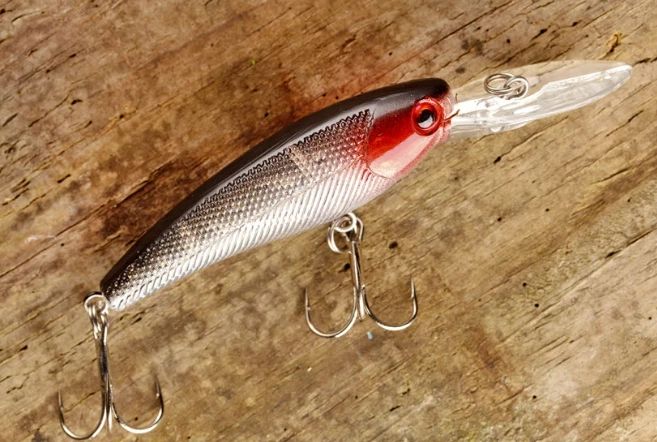 Think like a fish, not like a shopper.
Why Bother with Fake Stuff? The Real Deal on Artificial Lures
Your Lure Decoder Ring: Types and Their Superpowers
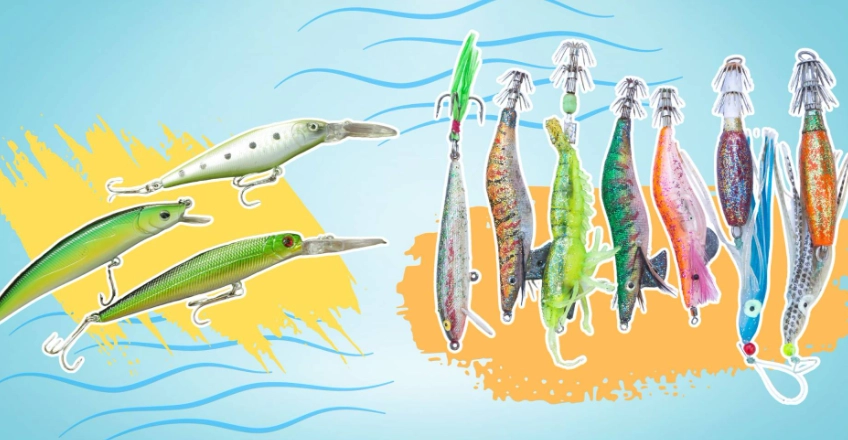
The Swimmers: Crankbaits and Minnows
The Flashers: Spinnerbaits and Spoons
The Bottom Bouncers: Jigs and Soft Plastics
Lure Type
Best For
Water Clarity
Presentation Style
My Go-To Example
Jig & Soft Plastic
Precise, slow presentations; heavy cover; bottom fishing.
All, especially clear.
Hop, drag, shake. Finesse.
1/4 oz Football Jig with a Craw Trailer.
Crankbait
Covering water quickly; triggering reaction strikes; fishing specific depths.
Stained to murky.
Cast & retrieve; steady or with pauses.
Medium-Diving Squarebill in a shad pattern.
Spinnerbait
Murky water; fishing around vegetation; vibration-based attraction.
Murky to stained.
Steady retrieve, sometimes "bumping" cover.
3/8 oz White/Chartreuse Double Willow-leaf.
Topwater
Low-light conditions (dawn/dusk); exciting surface strikes.
Calm surface conditions.
"Walk-the-dog," pop, or chug.
Pencil Popper for "walking."
Spoon
Vertical jigging; imitating injured baitfish; simple flash.
All.
Fluttering fall, or steady retrieve.
1 oz Kastmaster for casting, 3/4 oz Hopkins for jigging.
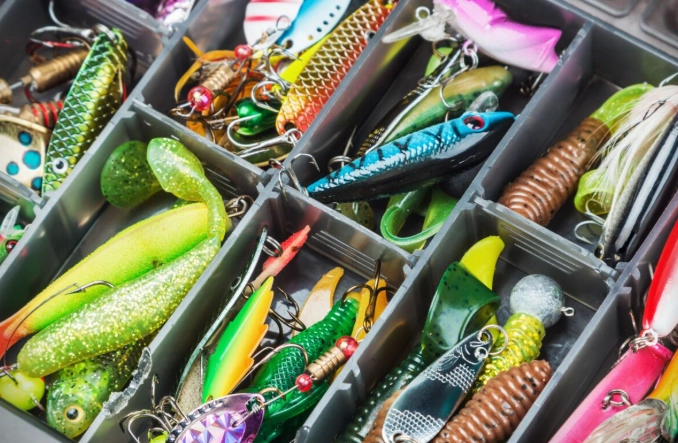
Building Your Starter Kit: Quality Over Quantity
The Decision Tree: What to Throw and When
Beyond the Cast: Techniques That Make Lures Come Alive
Straight Talk: Common Pitfalls and How to Avoid Them
Your Questions, Answered (The Stuff You Actually Search For)
 The goal isn't to never lose a lure. It's to lose fewer lures while catching more fish.
Leveling Up: Resources and Next Steps