Ultimate Guide to the Best Artificial Lures for Every Fishing Situation
What are the best artificial lures for bass, trout, or saltwater fishing? This expert guide cuts through the noise to match lures to conditions, species, and your skill level.
Let's be honest. Walk into any tackle shop and the wall of artificial lures is overwhelming. Spinners, crankbaits, jigs, soft plastics in every color imaginable. The promise is simple: buy this one, catch more fish. The reality? There's no single "best" lure. The magic isn't in the plastic or paint; it's in the match. Matching the right lure to the fish you're after, the water you're on, and the conditions you're facing. That's the secret most articles don't tell you. After years on the water, I've learned that a well-chosen, well-presented lure is a tool, not a trick. This guide will cut through the marketing and give you a system for choosing the best artificial lures, every time. Forget picking a lure because it looks cool. Before you even open your tackle box, ask these questions. Your answers will point you to the right category. This is your starting point. Bass, trout, pike, and saltwater species have different feeding habits and prey preferences. A massive pike lure will scare off a cautious trout. A tiny trout spinner might not even register to a big bass. Know your quarry. Are you fishing a shallow weedy flat, a deep river channel, or around submerged timber? Lures are designed to run at specific depths. A topwater frog is useless over 20 feet of water. A deep-diving crankbait will snag instantly in thick weeds. Match the lure's designed depth to where the fish are holding. Clear water? Murky water? Fast current? This dictates size, color, and action. In clear water, natural colors and subtler actions work. In stained or muddy water, you need vibration, sound, and high-visibility colors (chartreuse, bright orange) to get noticed. Fish are cold-blooded. Their activity level changes with water temperature. In cold water (early spring/late fall), slow-moving lures like jigs or suspending jerkbaits are key. In the warm summer months, fast-moving reaction baits like spinnerbaits or topwater lures can trigger aggressive strikes. Think of these as your tool categories. Each excels in a specific scenario. The table below breaks down the core families. That table gives you the blueprint. Now let's get specific about the fish. General advice is okay, but you want to know what to tie on. Here’s a breakdown based on species, drawn from countless hours of trial and (plenty of) error. Bass are opportunistic. Your arsenal needs versatility. Trout are often in current and can be line-shy. Think smaller and more refined. These predators often relate to deeper structure or weed edges. I've made these so you don't have to. These are the subtle errors that separate a good day from a frustrating one. Mistake #1: Changing lures every five casts. You see it all the time. A guy makes three casts with a crankbait, switches to a spinnerbait, then a worm. He's covering water, but he's not giving any pattern a chance to develop. Fish might need to see a lure a few times, or your retrieve might need a slight tweak. Stick with a proven lure for a solid 15-20 minutes in a productive area before switching. Mistake #2: Ignoring line size. That fancy finesse worm won't have the right action on 20 lb monofilament. A heavy braid can make a topwater lure sit wrong in the water. Match your line to the lure's purpose. Use lighter, more supple line (6-10 lb fluorocarbon) for finesse presentations and crankbaits for better action and depth. Use stronger braid (30-50 lb) for heavy cover fishing where you need to pull fish out. Mistake #3: Setting the hook like you're trying to pull the fish into the boat on the first try. This is huge with treble-hook lures (crankbaits, topwater). A violent, sweeping hookset often pulls the lure right out of the fish's mouth. With treble hooks, a sharp, firm snap of the wrists is usually enough. With single-hook lures like jigs, you can lean into it more. Feel the weight of the fish before you try to rip its lips off. Mistake #4: Not tuning your lures. A crankbait that runs off to the left won't track properly and will catch less fish. Most hard baits have a small eyelet or tie point. Gently bend the eyelet opposite the direction the lure is running to correct its track. Test it beside the boat. A tuned lure runs straight and gets to its designed depth. The journey to finding the best artificial lures is ongoing. Water clarity changes, seasons turn, and fish moods shift. But if you start with the checklist—target species, depth, conditions—you'll immediately narrow the field from hundreds to a handful of likely candidates. Master a few from each major category. Pay attention to how fish react. That feedback loop, more than any magazine ad, will teach you what truly works on your home waters. Now go get your line wet.What's in This Guide?
How to Choose the Right Artificial Lure: The Decider's Checklist
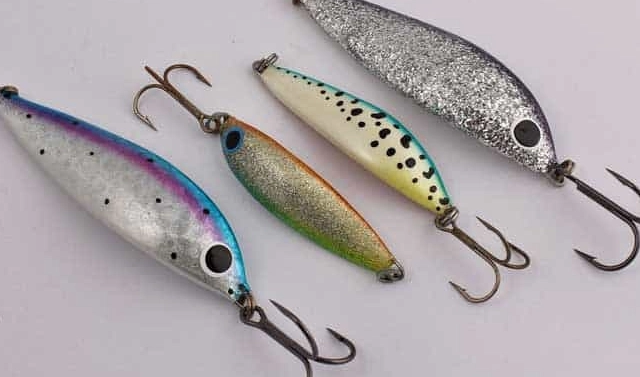
1. What Species Are You Targeting?
2. What's the Water Depth and Structure?
3. What Are the Water Conditions?
4. What's the Weather and Season?
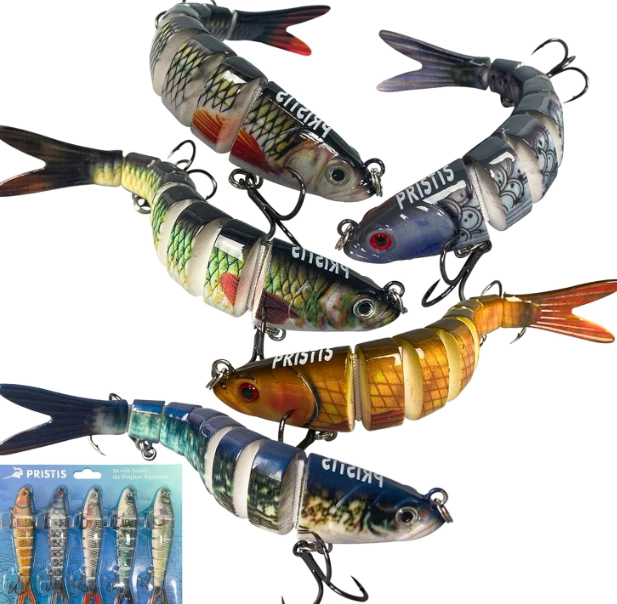
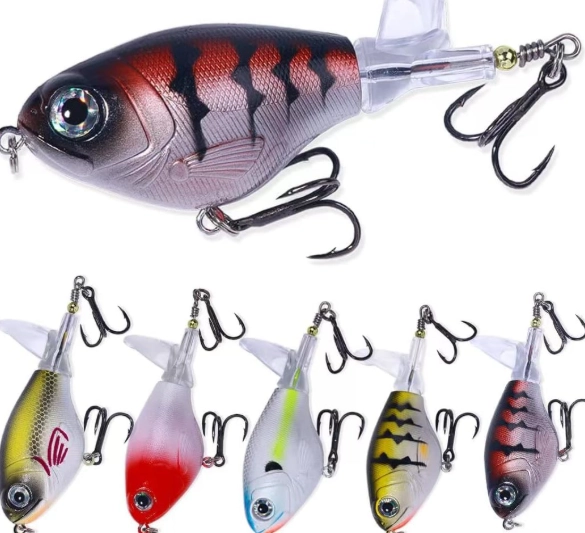
What Are the Main Types of Artificial Lures?
Lure Type
Best For
Key Action/Trigger
Presentation Tip
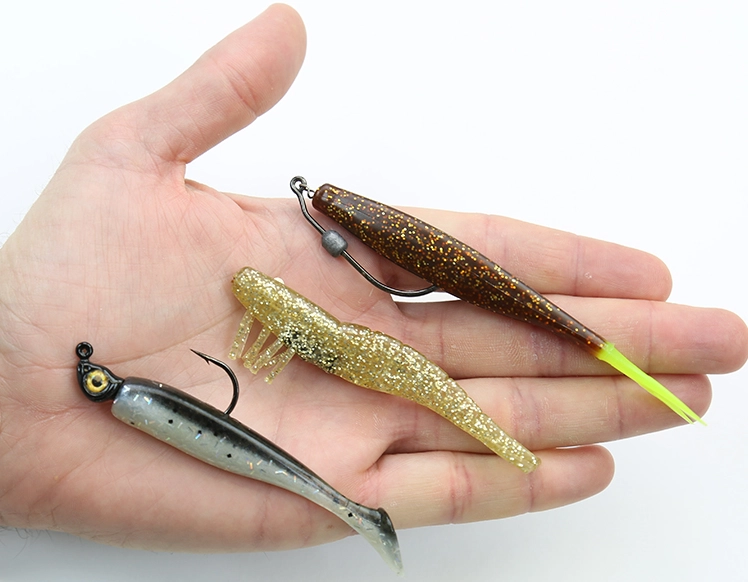
Soft Plastics (Worms, Craws, Creatures)
Versatile bottom fishing, finesse situations, imitating natural prey.
Lifelike texture and movement; subtle to aggressive depending on rig.
Let it fall naturally. Most bites happen on the drop. Keep contact with the bottom.
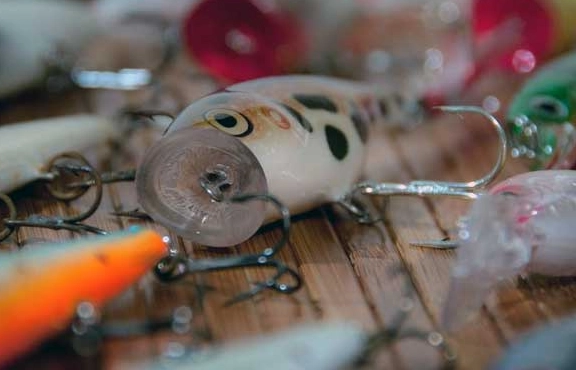
Hard Baits (Crankbaits, Jerkbaits, Topwater)
Covering water quickly, triggering reaction strikes, specific depth zones.
Built-in swimming action, lip-driven dive, or surface commotion.
Vary your retrieve speed. A pause during a crankbait retrieve often triggers a follow-up strike.
Spinnerbaits & Inline Spinners
Murky water, searching for active fish, fishing around cover.
Flash from the blade(s) and vibration through the water.
Don't burn it all the time. A slow, steady retrieve that just keeps the blade turning can be deadly.
Jigs (Flipping, Football, Finesse)
Precision fishing in heavy cover, imitating crawfish/baitfish on bottom.
Up-and-down "hopping" motion, triggered by rod tip action.
Feel the bottom. A jig is a contact lure. If you're not occasionally feeling rocks or wood, you're not in the zone.
Spoons & Blade Baits
Vertical jigging, imitating injured baitfish, deep water.
Erratic, fluttering fall and a tight wobble on the retrieve.
The fall is everything. Experiment with different drop heights before starting your retrieve.
The Best Artificial Lures for Specific Fish
For Largemouth & Smallmouth Bass
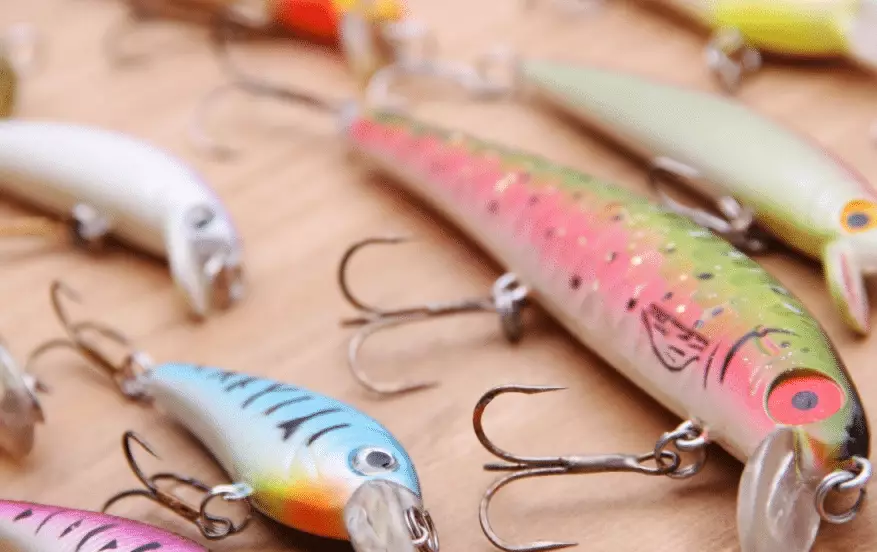
For Trout (Rainbow, Brown, Brook)
For Walleye & Pike
Common Mistakes & How to Avoid Them
Your Artificial Lure Questions, Answered