The Ultimate Guide to Catching Trout: Techniques, Gear & Tips
What is the best way to catch trout? This definitive guide breaks down the essential gear, location scouting, and proven techniques for rainbow, brown, and brook trout, helping you land more fish on your next trip.
Let's cut to the chase. The best way to catch trout isn't about one magic lure or a secret spot. It's a system. It's about understanding a wild animal's needs and out-thinking it, not just out-casting it. I've spent countless hours knee-deep in rivers and on the shores of alpine lakes, and the pattern is clear: successful anglers connect a series of dots that others miss. This guide is about connecting those dots for you—from the gear in your hand to the subtle shift in current where a trout waits. Trout are cold-water predators driven by three primary instincts: conserving energy, finding food, and avoiding danger. Every decision they make balances these needs. A trout will rarely swim far to chase a meal if it can sit in a gentle current and let food drift to it. This is the fundamental truth of trout fishing. Think of a river. The main current is a fast-food conveyor belt, but it requires too much energy to hold position in. So trout position themselves in the slack water right next to the fast current—spots we call seams, edges, or current breaks. They dart into the conveyor belt to grab a snack, then retreat to their low-energy holding spot. In lakes, they relate to temperature (thermoclines), oxygen (inlets), and ambush points (weed lines, drop-offs). Ignoring this energy-versus-food equation is the first major gap in most beginner strategies. You can have the perfect fly or bait, but if you're presenting it in a barren, high-energy part of the stream, you're just exercising your arm. You don't need a $1000 setup, but you do need the right tool for the job. Mismatched gear makes everything harder. Here’s a breakdown based on water type and technique. A personal take most guides agree with but isn't shouted enough: fluorocarbon leader is a game-changer, especially in clear water. It's nearly invisible underwater compared to monofilament. That slight difference in light refraction can be the difference between a curious follow and a solid take. Don't just tie your lure directly to your main line. Pro-Tip on Hooks: Keep them sharp. Always. Run the point lightly across your thumbnail. If it doesn't dig in and skate, it's dull. A dull hook costs more fish than any fancy lure. A small diamond file or hook sharpener is the most important tool in your vest after your forceps. This is the skill that separates casual anglers from consistent catchers. You must learn to see the river or lake through a trout's eyes. Focus on transition zones. Look for: Structure and temperature are king. Resources like the U.S. Fish and Wildlife Service provide great ecological background, and your state's fisheries department website is the gold standard for local waterbody maps and stocking reports. Technique is where your gear and location knowledge come together. Here are three high-percentage methods. 1. The Dead Drift (for bait and flies): This is the most natural presentation. The goal is to have your offering—a worm, a nymph, a spawn bag—drift downstream at the exact same speed as the current, with no drag. Use just enough weight to get it near the bottom, but not so much it snags every cast. Mend your line upstream to keep the drift natural. This technique capitalizes directly on a trout's energy-saving feeding strategy. 2. Swing and Retrieve (for lures and streamers): Cast across or slightly downstream. Let the current swing your lure across the current seam into the slower water. As it swings, give it occasional twitches or a steady retrieve. An inline spinner like a Panther Martin or a small streamer fly works brilliantly here. It imitates a fleeing or wounded baitfish. 3. Stillwater Suspension (for stocked trout in lakes): This is the classic PowerBait or "bobber and worm" approach. Use a sliding egg sinker or split shot to get your bait down, then a small hook baited with a brightly colored, floating bait. The idea is to suspend the bait just off the bottom, making it highly visible and easy for a cruising trout to inhale. Keep your line tight to feel the bite. One non-consensus point: Many anglers retrieve spinners too fast in cold water. In early spring or late fall, a painfully slow retrieve, just fast enough to make the blade turn, is often deadly. Trout metabolism is slower, and they won't chase a blazing fast target. Let's talk about the subtle errors that cost fish. I've made them all. The best way to catch trout is a puzzle with four pieces: the right gear for the water, the ability to find the fish's living room, a presentation that looks like easy food, and the patience to execute it quietly. There's no single secret. It's the process. Master the process, and you'll find yourself bending your rod more often than not. Now get out there, think like a trout, and tight lines.What to Expect in This Guide
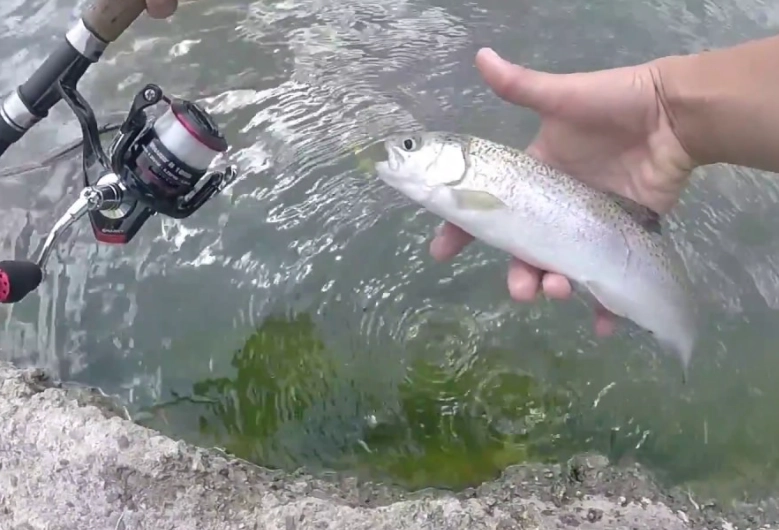
Understanding Trout Behavior: It's Not Just Luck
How to Choose the Right Trout Fishing Gear
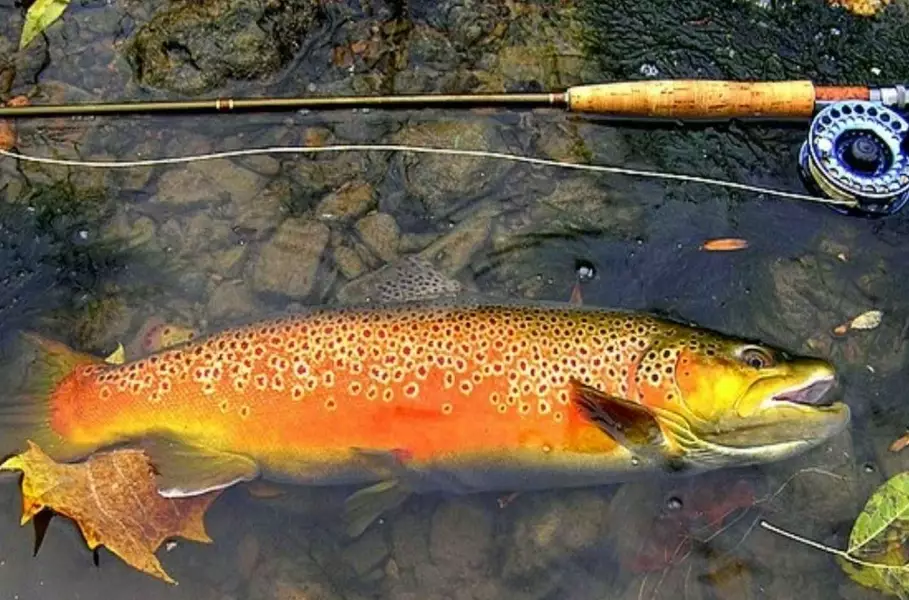
Water Type / Technique
Recommended Rod
Recommended Line & Leader
Primary Lures/Bait/Flies
Small Streams & Creeks
Light or Ultra-Light (5'6" - 7'), Fast Action
2-6 lb Test Monofilament or Braid; 4-6x Tippet
Inline spinners (Mepps #0, #1), small spoons, live worms, dry flies (Elk Hair Caddis, Parachute Adams)
Large Rivers & Drift Fishing
Medium-Light (7' - 9'), Moderate-Fast Action
6-10 lb Test Main Line; 4-8 lb Fluorocarbon Leader
Jigs (marabou, plastic), crankbaits, spawn sacks, nymphs (Hare's Ear, Pheasant Tail) under an indicator
Stillwater & Lake Fishing
Medium-Light (7' - 8'6"), Fast Action (for sensitivity)
6-10 lb Test Braid with 4-8 lb Fluorocarbon Leader
PowerBait/marshmallow floats, small spoons cast & retrieved, woolly buggers, chironomid patterns
Fly Fishing (All-Around)
9' 5-Weight Fly Rod, Medium-Fast Action
Weight-Forward Floating Fly Line; 9' Leader (4x-6x)
Dry-dropper rigs (dry fly + nymph), streamers, classic attractor patterns (Royal Wulff, Stimulator)
Where to Find Trout: Reading the Water
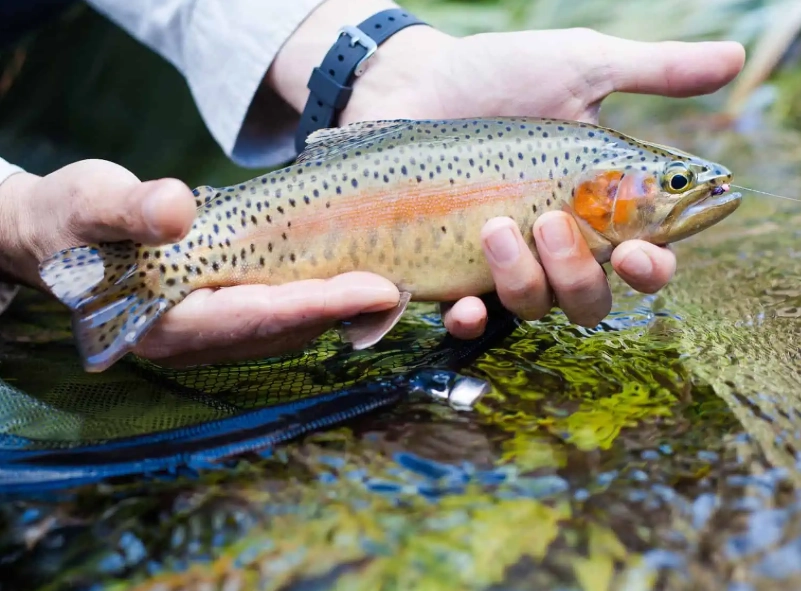
In Rivers and Streams
In Lakes and Ponds
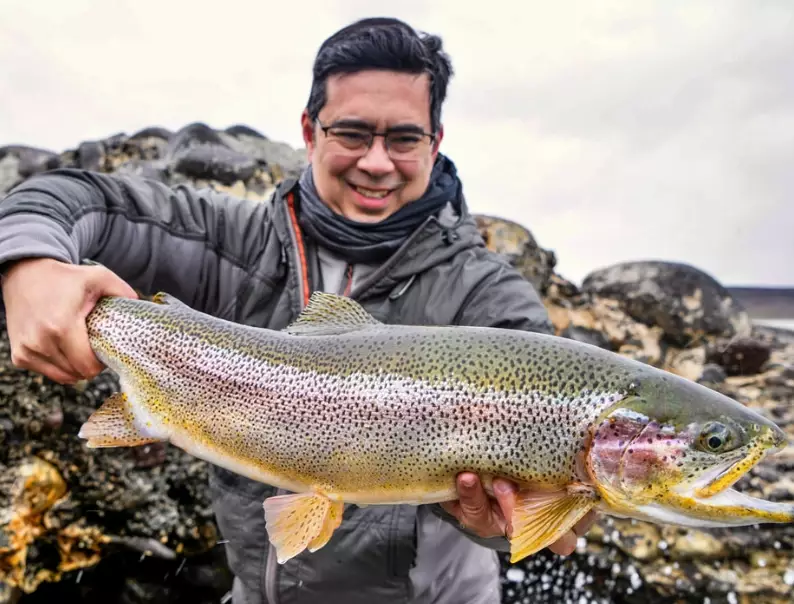
Proven Trout Fishing Techniques That Work
What Are the Most Common Trout Fishing Mistakes?
Your Trout Fishing Questions Answered