Unlocking the Best Bait for Trout Fishing: A Complete Guide
What is the best bait for trout fishing? Discover the ultimate guide covering live bait, artificial lures, and effective techniques for rainbow, brown, and brook trout in rivers, lakes, and streams.
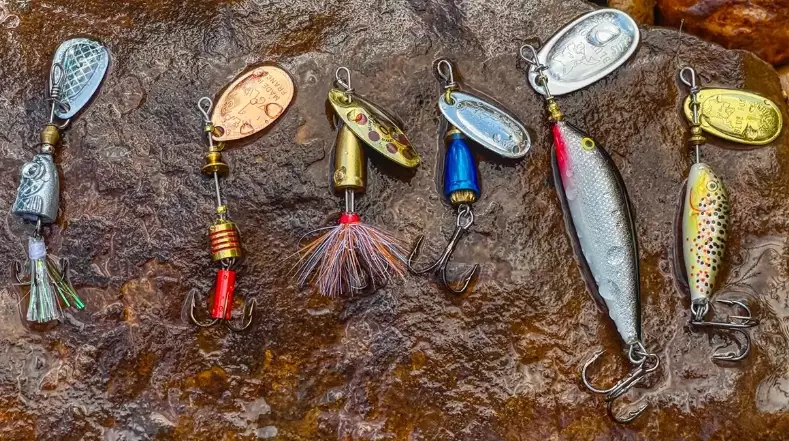
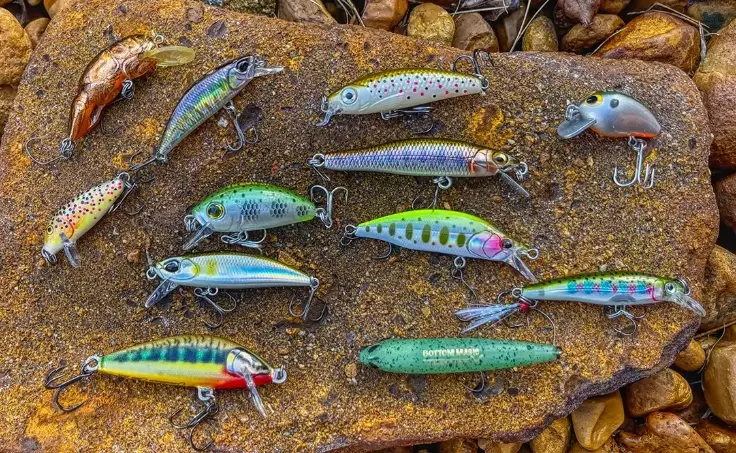
If you've spent any time around fishing forums or talking to anglers, you've heard the question a thousand times: what is the best bait for trout fishing? It's the holy grail of questions for anyone starting out or even seasoned folks hitting a slump. The frustrating answer, and the one you probably don't want to hear, is that there isn't one single magic bullet. The "best" bait changes like the weather—literally. It depends on where you are, what time of year it is, what kind of water you're fishing, and even the mood of the fish that day. But that's also the fun part. Figuring it out is the game. After years of trial and error, more than a few skunked days, and some absolutely epic catches, I've learned that success comes from understanding the options and matching them to the conditions. This isn't about giving you a one-word answer. It's about giving you the toolbox and the know-how to pick the right tool every single time you're on the water. Let's break down the main categories. Think of these as your primary weapon classes. Each has its superpowers and its kryptonite. For sheer effectiveness, it's hard to beat the real thing. Live bait presents a natural scent, movement, and appearance that trout have evolved to hunt. It's often the go-to for beginners because it works, but mastering it takes finesse. Lures are for covering water and triggering reaction strikes. They require more active fishing and often attract larger, more aggressive trout. Lures force you to think about depth, speed, and action. A spinner ripped too fast over a trout's head will scare it. The same spinner crawled slowly past its lie might get inhaled. This is where modern fishing has created some incredibly effective options. These baits rely heavily on scent and taste to keep a trout interested long enough to hook itself. Asking "what is the best bait for trout fishing?" is like asking what's the best tool in a workshop. You need to know what you're building. They have different personalities. Rainbow Trout are often the most aggressive, especially freshly stocked ones. They'll hit bright lures, flashy spinners, and of course, PowerBait. In streams, they love insects and worms. Brown Trout are the nocturnal, cautious predators. They often key in on bigger meals. At night, a large minnow or a dark-colored spinner worked slowly is gold. They also have a legendary weakness for a well-presented worm or a big gob of salmon eggs. Brook Trout, in their native cold streams, are often less picky but live in tricky places. A small worm, a wet fly, or a tiny spinner drifted into a beaver pond or a deep plunge pool is the classic approach. The environment dictates everything. This is where most articles stop, but it's where the real magic happens. Spring: Water is high and cold. Trout are hungry after winter. Nymphs and worms are prime. As insects start hatching, match them. Early spring is one of the best times to use bait. Summer: Water warms, trout become more lethargic during the day. Fish early morning, late evening, or at night. Terrestrial insects (hoppers, ants) become key. In deep lakes, you need to get your bait down to the cool thermocline. Fall: Arguably the best season. Trout feed aggressively before winter. They key in on baitfish, so minnow-imitating lures shine. In rivers with salmon runs, eggs are the undisputed champion. Winter: Slow and subtle is the rule. Trout metabolism is low. A small worm, a single maggot, or a tiny jig presented right in front of their nose is the only way to go. Patience is everything. Clear water? Downsize your bait and leader. Use more natural colors. Trout can see everything and are spooky. Stained or muddy water? Go bigger, add flash and vibration. Use bright colors like chartreuse or orange. Scent becomes even more critical because they're hunting by smell and lateral line. The best bait in the world fails with the wrong setup. So, after all this, what is the best bait for trout fishing? My honest answer is: the one you have confidence in, presented correctly where the fish are. Start with the classics—worms and small spinners. Pay attention. Did you get a nibble on the worm but not a hook-up? Try a smaller piece. Did a trout follow your spinner but not commit? Slow down your retrieve next cast. Carry a selection. I never hit the water without a container of worms, a few spinners in different colors and sizes, and a jar of eggs or a pack of dough bait. Conditions change, and so should you. The most important bait you have isn't in your tackle box—it's your ability to observe, adapt, and learn from the water itself. That's what turns the frustrating question of "what is the best bait for trout fishing" into a lifetime of enjoyable discovery. Now get out there and get your line wet.Quick Guide
The Big Three: Live Bait, Artificials, and Dough Baits
Live Bait: The Natural Temptation
Artificial Lures: The Active Search Tool
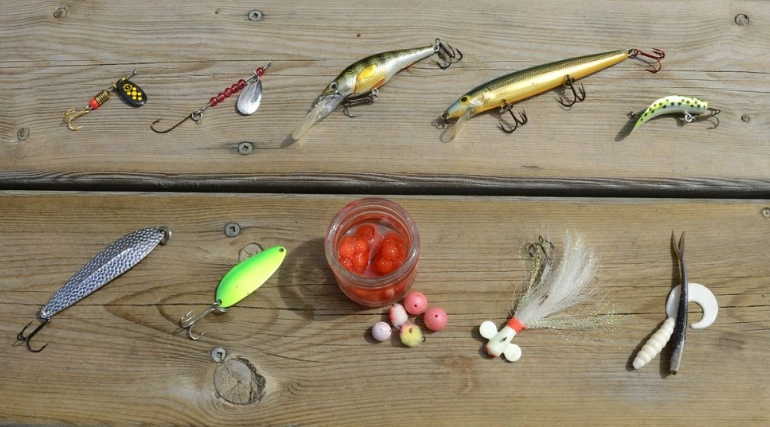
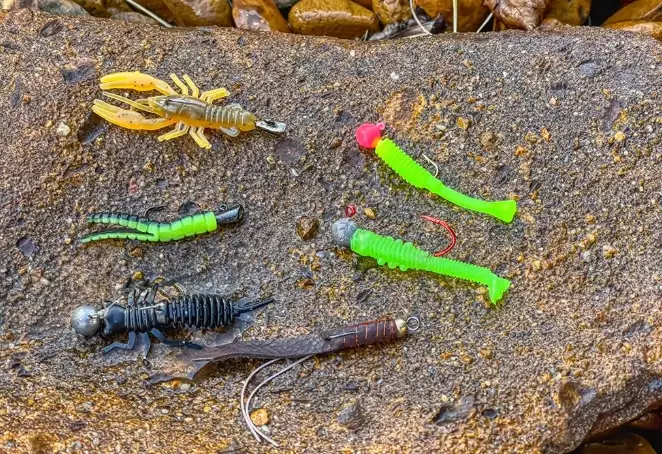
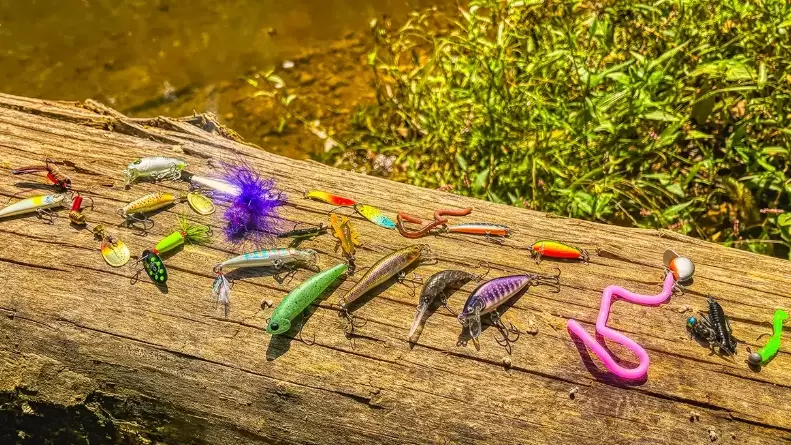
Lure Type Best For Retrieve Style My Personal Take Inline Spinners (Mepps, Panther Martin, Rooster Tail) Streams, rivers, active trout. Great in slightly stained water. Steady retrieve, occasional twitch. Vary speed. My desert-island lure. The vibration and flash are irresistible. Size 1-3 is the sweet spot. Spoons (Kastmaster, Little Cleo) Lakes, ponds, trolling. Mimics a wounded minnow. Erratic, fluttering retrieve. Let it flutter down on a pause. Heavy and casts a mile. Catches big lake trout. Can get snagged easily in rocks. Small Crankbaits & Minnow Plugs Lake edges, river pools. Imitates baitfish with a tight wobble. Steady retrieve, or stop-and-go. Expensive and you'll lose them to snags. But when trout are chasing shad or smelt, nothing is better. Soft Plastics (Grubs, Tubes, Trout Worms on a jig head) Versatile—jigged in deep holes, retrieved in shallows. Slow, hopping retrieve along the bottom is deadly. 
Dough Baits & Prepared Baits: The Scent Machines
Matching the Bait to the Trout and the Place
Rainbow vs. Brown vs. Brook Trout
River/Stream Fishing vs. Lake/Pond Fishing
The Hidden Factors: Season, Time, and Water Conditions
Water Clarity is a Game-Changer
Gear and Tactics: Making Your Bait Work
Answering Your Burning Questions
Final Thoughts: Becoming a Bait Master