The Complete Guide to Trout Fishing Lures: Selection, Tips & How-To
Overwhelmed by the endless options in the trout fishing lure aisle? This definitive guide cuts through the confusion, breaking down every major type of trout fishing lure, when to use it, and proven techniques to make your next trip a success.
You know that feeling, right? You're standing in the tackle shop, staring at a wall of shiny, colorful, weird-looking trout fishing lures. Spinners, spoons, crankbaits, soft plastics... it's enough to make your head spin. Which one do you even pick? I've been there, wallet in hand, completely paralyzed by choice. And then you get to the water, tie one on, and... nothing. You switch to another. Still nothing. Meanwhile, some old-timer down the bank is pulling them in one after another. What does he know that you don't? That's what this guide is for. We're going to strip away the marketing hype and confusing jargon. We'll talk about what trout fishing lures actually do, which ones belong in your box for different situations, and most importantly, how to fish them so they actually catch fish. This isn't about having the most lures; it's about understanding the few that work. Let's get this out of the way first. Why even mess with artificial trout fishing lures when you can use a juicy worm or a real minnow? It's a fair question. I love live bait. It's natural, it smells right, and trout are hardwired to eat it. On tough days, it's often the only thing that works. But lures offer something different. With lures, you're often triggering a reaction strike. You're not just presenting food; you're imitating something that's scared, injured, or just plain irritating enough that a trout can't help but attack it. You can cover more water faster. You don't need to keep anything alive in a bucket. And honestly, there's a unique satisfaction in fooling a smart fish with a piece of painted metal or plastic. So my rule of thumb? If I'm fishing a deep, slow pool or the fish are being super picky, I'll often go with bait. If I'm covering a stretch of river, fishing a lake from shore, or the trout are active and aggressive, trout fishing lures are my go-to. Having both options makes you a much more versatile angler. The world of trout lures can be messy, but we can clean it up by thinking about how they move and where they fish. If I could only take one type of trout fishing lure to a new stream, it'd be a spinner. A spinner is basically a metal blade that spins around a wire shaft, creating flash and vibration. It's like the dinner bell of the trout world. That flash mimics a fleeing minnow or a struggling insect. The vibration sends out sound waves trout can feel with their lateral lines. It's a full-sensory assault that says "Easy meal here!" The trick is retrieval speed. Too fast and the blade might not spin right, or it just looks unnatural. Too slow and it sinks and gets snagged. You want a steady, medium retrieve where you can just feel the "thump-thump-thump" of the blade through your rod. Cast across the current, let it sink for a second, and reel it back. It's dead simple, which is why I love it. Some classics? The Mepps Aglia is legendary for a reason. The Panther Martin with its in-line blade is a killer in clear water. And the Blue Fox Vibrax has extra beads for more sound. Don't overthink colors. Start with silver for sunny days, gold for overcast or stained water, and a black or dark pattern if the water's really clear. Spoons are pieces of curved, weighted metal. When you reel them, they wobble side-to-side, imitating a wounded baitfish fluttering down. They're less flashy than spinners but have a more pronounced, seductive action. Where spoons really shine is fishing deeper water. Because they're dense and compact, they sink fast. This makes them perfect for lake fishing from a boat or shore, where you need to get down to where the trout are holding. You can also "jig" them vertically—drop them straight down, lift your rod tip, let them fall back. That fluttering drop is irresistible. The KastMaster is the gold standard. It casts like a bullet and has a tight, fast wobble. The Little Cleo has a wider, slower roll that's great for trolling. For rivers, a Dardevle in a red-and-white pattern is a classic for a reason—trout just hammer it. My spoon advice? Don't just cast and retrieve straight back. Try a "stop-and-go" retrieve. Reel for a few seconds, pause for a second or two, then reel again. That pause lets the spoon flutter and often triggers a strike right as you start reeling again. These are the lures that look most like real fish. They're plastic or balsa wood with a diving lip on the front. When you reel, the lip forces the lure to dive and swim with a realistic side-to-side swimming motion. They're fantastic for imitating larger prey, like juvenile trout (which big trout love to eat) or sizable baitfish. The built-in action means you don't have to do much—a steady retrieve gives you a perfect swim. The key with these is paying attention to the diving depth. The size and angle of the lip determine how deep it goes. A shallow-diving crankbait (diving 1-3 feet) is great for shorelines and shallow flats. A deep-diver (6-10+ feet) is for lake trolling or probing deep holes in a river. Some top performers? The Rapala CountDown is a sinking minnow you can count down to any depth. The Rebel Crawfish doesn't just look like a crawdad, it scuttles along the bottom like one. And the ACME Little Wolf is a tiny, shallow-running plug that's murder on stream trout. This category is huge and overlaps a lot with bass fishing, but don't overlook it for trout. We're talking plastic worms, grubs, minnows, and craws rigged on a jig head. The appeal is realism and a natural, subtle fall. A 2-3 inch grub on a 1/16 oz jig head is one of the most versatile trout fishing lures ever. You can swim it, hop it along the bottom, or dead-drift it under a float. It imitates everything from a nymph to a small fish. Trout often inhale these because they feel so real in the mouth. Then you have more specialized stuff, like trout worms (often scented) or mouse patterns for big, nocturnal brown trout. The presentation here is usually slower and more finesse-oriented. Soft plastics are where patience pays off. Okay, so you've got the categories. But which one do you tie on right now? This table should help you match the lure to the moment. Think of it as your quick-reference guide. You can have the perfect trout fishing lure, but if you're not fishing it right, you might as well be casting a bottle cap. This is where most people stumble. They cast, reel in straight, and wonder why they got no hits. Trout aren't robots. Their mood changes with the weather, the water, the time of day. Your retrieve should too. You wouldn't use a sledgehammer to put in a picture hook. Your gear needs to match your lures. For most trout fishing lures, you want a light or ultra-light power spinning rod, 6 to 7 feet long. A longer rod gives you better casting distance and line control; a shorter one is more accurate in tight brush. A fast-action tip helps you set the hook quickly on those sharp strikes. Pair it with a 1000 or 2000 size spinning reel. Spool it with 4-6 lb test monofilament or fluorocarbon. Braided line is super strong and sensitive, but it's also very visible. If you use braid, tie on a 6-8 foot fluorocarbon leader. Fluorocarbon sinks and is nearly invisible underwater, which can make a big difference in clear streams. And for heaven's sake, check your line for nicks and re-tie your knot often. Losing a big trout to a broken line because of a bad knot is a special kind of heartbreak. The Improved Clinch Knot is simple, reliable, and all you really need for tying on most trout fishing lures. Let's cut to some specific stuff that keeps coming up in forums and on the riverbank. There isn't one. Anyone who tells you there is is selling something. But if you held a gun to my head and made me choose one to survive with on a desert island trout stream? A 1/8 oz gold KastMaster spoon. It casts far, sinks well, works in rivers and lakes, and the simple wobble catches everything. It's boring, but it's a workhorse. Yes and no. In clear water, natural patterns (silver, black, brown) often work better. In stained or murky water, bright colors (chartreuse, orange, firetiger) or ones with high contrast (black with a yellow dot) help the fish see it. But the size, action, and depth are almost always more important than the specific color. I've had days where they'd only hit a blue spinner and days where they'd hit any color as long as it was retrieved slowly. Start with the basics: silver/white for bright days, gold/black for low light. Fewer than you think. A classic starter kit would be: 1) A couple of inline spinners (a #1 silver and a #2 gold). 2) Two spoons (a 1/8 oz KastMaster in silver and a Little Cleo in blue/silver). 3) A small, shallow-diving crankbait in a shad pattern. 4) A pack of 2" curly-tail grubs and some 1/16 oz jig heads. That's maybe 8-10 lures total, and it covers an incredible amount of water. Master those before you buy more. This is a big one. Fly fishing uses lightweight, often hand-tied "flies" that are cast using the weight of the line. Spinning gear uses heavier lures that provide their own casting weight. Many fly patterns (like streamers and wet flies) are functionally the same as spinning lures—they imitate the same prey. The method of delivery is just different. A woolly bugger fly is essentially a soft plastic jig. Don't get hung up on the divide; think about the prey you're imitating. Some of the best trout lures for spin fishermen are inspired by classic fly patterns. Let's say it's a cool, clear spring morning. You're at a medium-sized river with some pools and riffles. You start at a fast riffle dumping into a deep pool. The water's a bit choppy. This is a classic ambush spot. You tie on a #2 gold Panther Martin—good visibility and vibration for the moving water. You cast to the top of the riffle and let it sweep down into the pool. On the third cast, a solid thump! A feisty rainbow trout. You move to the deep, slow-moving tail of the pool. The spinner isn't getting deep enough, and the retrieves feel lifeless. Time to switch. You put on a 1/8 oz silver Little Cleo spoon. Cast upstream, let it sink count to five, then start a slow, stop-and-go retrieve along the bottom. Halfway back, a heavy pull. A bigger brown trout this time. As the sun gets higher, the fishing slows. You see a few small bugs hatching. The trout might be looking up. You switch to a tiny, floating Rapala Original Minnow in a gray pattern. You cast it near some overhanging branches and give it little twitches, making it dart like a struggling insect. A swirl, a splash, and a small brook trout takes it on the surface. Topwater action—always a thrill. That's the real art of using trout fishing lures. It's a conversation with the river. You make a suggestion with your cast. The trout, or the lack of one, gives you an answer. Your job is to listen and respond. Don't get overwhelmed. Start simple. Pick one type of lure from this guide and go use it for a whole trip. Learn its rhythm, what it feels like when it's working right, where it gets snagged. Then add another to your arsenal. Build your knowledge and your confidence one fish, one cast, one lure at a time. The wall of lures in the tackle shop will never look the same again. You'll see tools, not trinkets. And that's when the real fun begins.Quick Fishing Guide
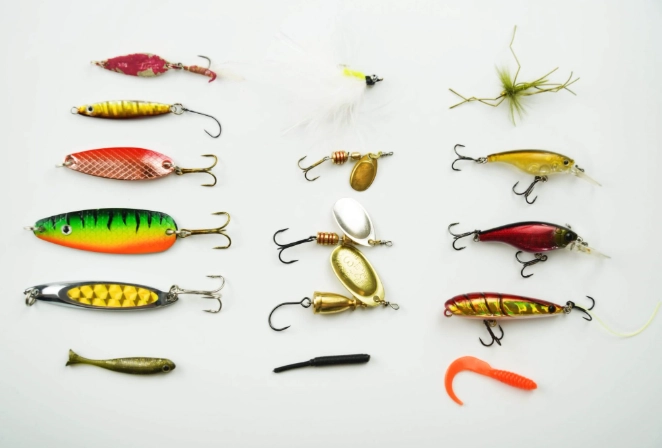 It usually comes down to one thing: using the right lure, the right way.
Why Bother with Lures Anyway? (And When Live Bait Wins)
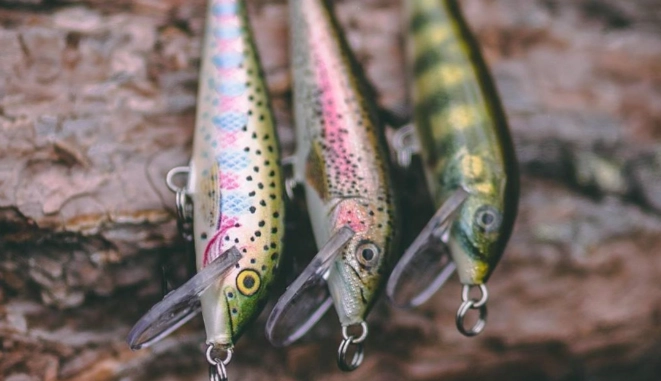
Breaking Down the Lure Zoo: A Simple Classification
1. The Flashy Spinners (My Go-To for New Water)
2. The Wobbling Spoons (The Deepwater Workhorse)
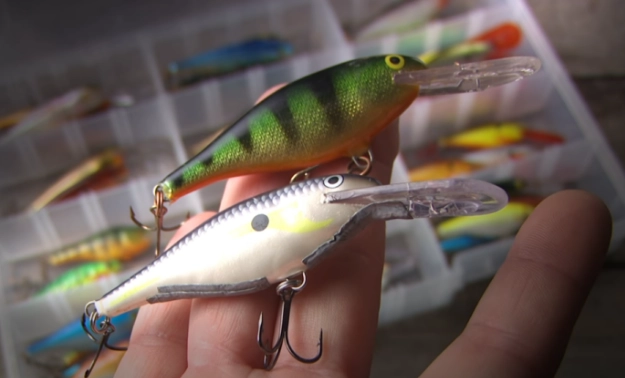
3. The Swimming Hard Baits (Crankbaits & Minnow Plugs)
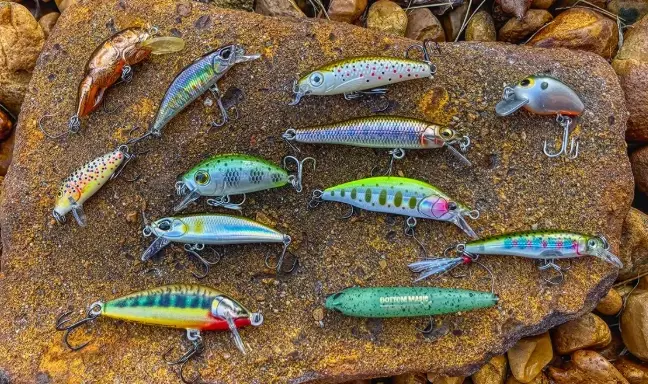
4. The Soft & Squishy Imitators (Soft Plastics & Jigs)
Your Trout Lure Selection Cheat Sheet
Situation / Condition
Recommended Lure Type
Why It Works & Key Tip
Fishing a new, unknown river
Inline Spinner (Size #1 or #2)
Great for searching. The flash/vibration finds active fish. Cast upstream and across, retrieve with the current.
Deep, slow-moving pool in a river
Spoon or Jig & Soft Plastic
You need to get down. Cast upstream, let it sink to the bottom, then use a slow, hopping retrieve.
Lake fishing from shore (moderate depth)
Crankbait or Spinner
Covers water and reaches depth. A shallow-diving crankbait or heavier spinner retrieved steadily along drop-offs.
Super clear, shallow, or spooky fish
Ultra-light Spinner (#0) or Tiny Crankbait
Small profile, subtle presentation. Downsize everything. Finesse is key.
High, fast, or murky water
Larger, Bright Spinner or Spoon
You need more vibration and visibility. Go for gold, chartreuse, or orange. Heavier weight to fight the current.
Fishing right after a hatch (trout looking up)
Surface Plug (Popper) or Floating Minnow
Match the hatch! Topwater strikes are explosive. Use a "walk-the-dog" or popping retrieve.
Ultra-finesse, pressured fish
Marabou Jig or Micro Soft Plastic
Minimal hardware, natural movement. Fish it slowly under a small float or hop it delicately.
The Real Secret: It's Not the Lure, It's the Presentation
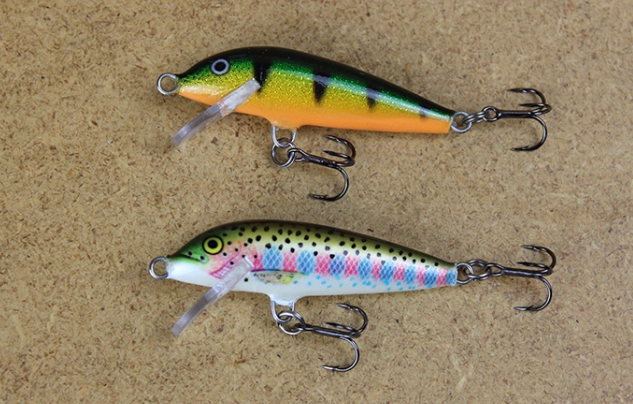
Gearing Up: Rod, Reel, and Line Matter More Than You Think
Answers to the Questions You're Actually Asking
Answers to the Questions You're Actually Asking
What's the single best all-around trout lure?
Do colors really matter that much?
How many lures do I actually need to start?
Fly fishing lures vs. spinning lures – what's the deal?
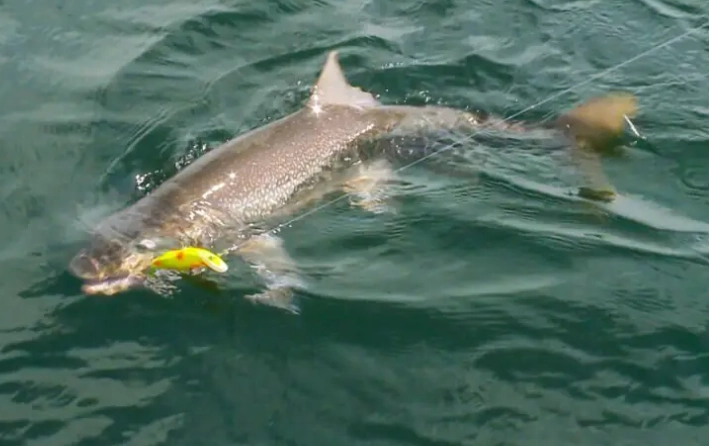
Putting It All Together: A Walk Through a Morning on the Water
 See? It's about reading the water and adapting.