Ultimate Trout Fishing Setup Guide for Beginners
What do you really need to catch trout? This no-nonsense guide cuts through the clutter and builds your perfect beginner trout fishing setup from scratch. Learn the essential gear, common mistakes to avoid, and get on the water with confidence.
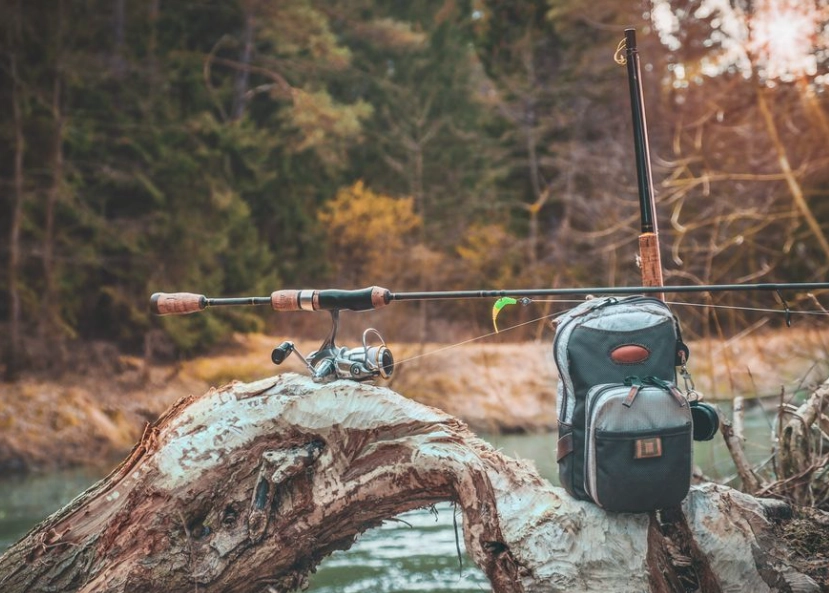
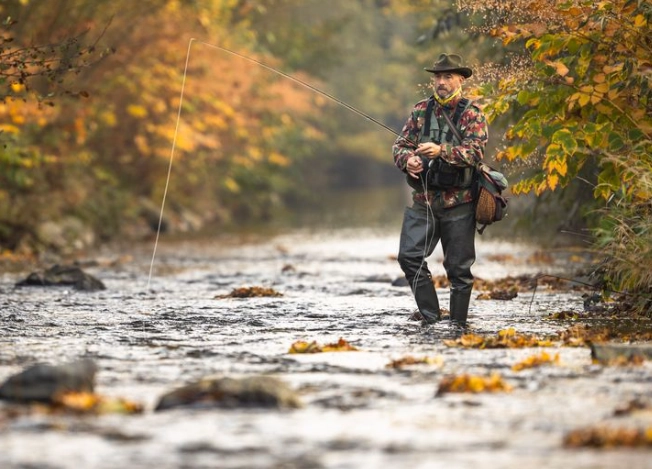
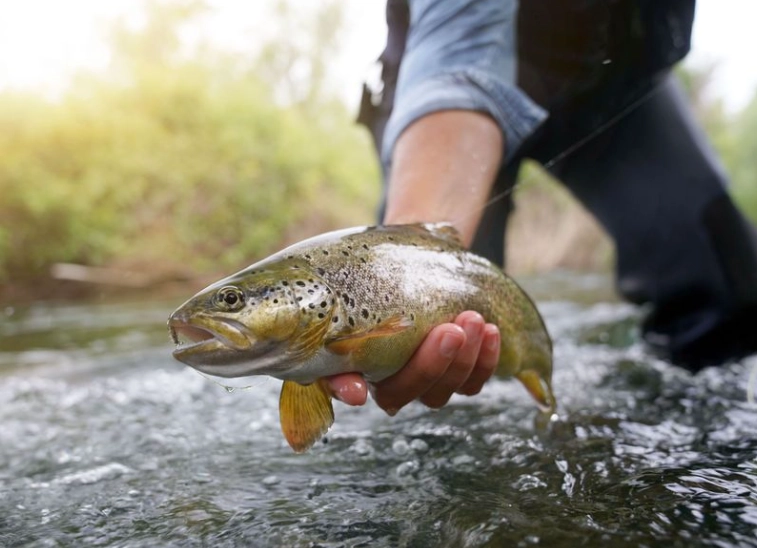
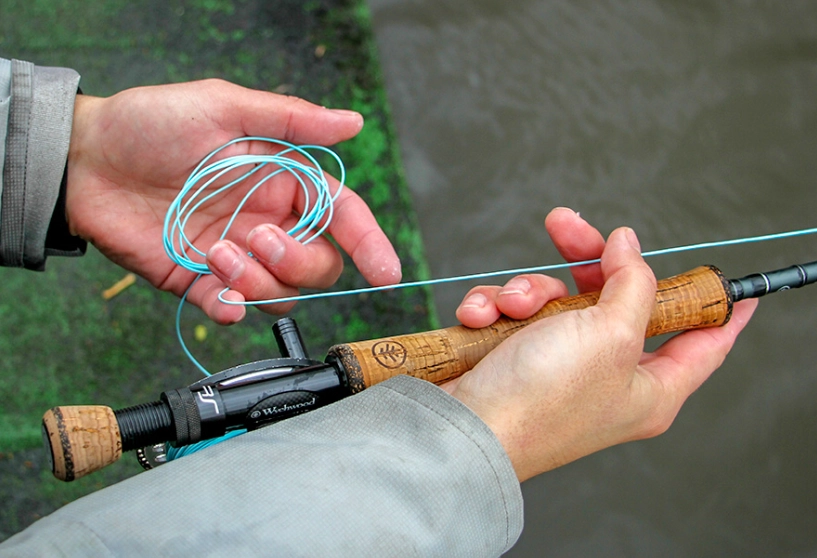
I remember standing in the big-box sporting goods store, aisle after aisle of rods, reels, and mysterious little tackle boxes staring back at me. I wanted to catch trout, but the sheer amount of gear was paralyzing. A sales guy tried to sell me a $200 fly rod setup. Another pointed to a massive baitcasting combo for bass. I left with a headache and an empty cart. If that sounds familiar, take a breath. You don't need all that. Trout fishing, especially for beginners, can be refreshingly simple. The secret isn't in having the most expensive gear; it's in having the right gear that works together. A mismatched setup will fight you every cast. A balanced one feels like an extension of your arm. This guide is that calm friend who cuts through the noise. We're building a trout fishing setup from the ground up—no jargon, no fluff, just what you actually need to get a line in the water and a fish in your net. This is the heart of your setup. Get this wrong, and nothing else matters. Get it right, and you're 80% of the way there. Forget fly fishing and baitcasters for now. A spinning combo is your best friend. It's forgiving, easy to use, and versatile. When you're shopping, either online or in-store, look for combos labeled "ultralight" or "light" power. The length should be between 5'6" and 7'. Shorter rods are great for small, brushy streams. Longer rods give you better casting distance on lakes or big rivers. Here’s the thing most guides don't tell you: the "action" of the rod matters more than the brand. Look for a moderate or moderate-fast action. This means the rod bends more in the middle. Why? It loads up better with lightweight lures, casts them farther, and its cushioning effect helps keep the hook in a trout's soft mouth. A super fast, stiff rod might feel "high-tech," but it's terrible for launching a 1/8 oz spinner. The reel should be a size 1000 or 2000. Just make sure it feels smooth when you turn the handle and that the bail (the wire arm that flips over) operates crisply. A good beginner combo from brands like Ugly Stik, Shimano, or Daiwa can be had for $50-$80. That's all you need to start. Your rod and reel are useless without the right connection to the fish. This is where subtlety wins. Trout have great eyesight. In clear water, thick line looks like a neon sign saying "DANGER." Spool your reel with 4 to 6 pound test monofilament. Mono is cheap, has stretch (which helps with hook sets), and is easy to tie knots with. Fluorocarbon is more invisible but stiffer and pricier. Save it for your leader later. Braid is a no-go for a main line here—it's too visible and has no stretch. You don't need a giant box. Get a small pack of size 8 or 10 bait holder hooks (the ones with little barbs on the shank to keep worms in place). For lures, they usually come with hooks attached. The golden rule? Sharpen every hook before you use it. Run the point along your fingernail—if it slides, it's dull. If it digs in, it's sharp. A $5 hook sharpener is a better investment than another pack of lures. Split shot sinkers are your go-to. Pinch them onto your line to get your bait down. For bobbers (or floats), a simple round red-and-white bobber is classic, but a more sensitive "slip bobber" lets you fish any depth. Start with the classic to keep it simple. This is the fun part. You can go two main routes, and I suggest trying both. Bait fishing is about patience and presentation. The classics work for a reason. Bait is fantastic when you're learning to read the water and just want to get a bite. Lure fishing means you're covering water and triggering reaction strikes. My personal favorite for new anglers? A 1/8 oz gold Kastmaster. It casts like a bullet, works at any retrieve speed, and catches everything. Let's move from theory to practice. Here are two specific, ready-to-fish configurations. See? Not so complicated. Each setup has a specific purpose and all the components work in harmony. After years of guiding beginners, I see the same errors on repeat. Avoid these and you'll leapfrog the learning curve. 1. Setting the Hook Like You're in a Bass Tournament. Trout have soft, bony mouths. A giant, sweeping hook set will rip the lure right out. When you feel a bite or see your bobber dive, a simple, sharp wrist flick is all you need. Just tighten the line quickly. If you're using a lure, often the trout hooks itself. 2. Fishing the Wrong Water. You can have the perfect setup, but if you're casting into a featureless, shallow flat, you're wasting time. Trout hold where they find food, oxygen, and cover. Look for: 80% of the fish are in 20% of the water. Find that 20%. 3. Not Managing Your Line. This is a silent killer. After catching a fish, fighting a snag, or even just fishing for an hour, the first few feet of your line can get nicked, stretched, or weakened. If you don't trim off a few feet and retie, your next big trout will break you off. Check your line and retie your knot often. The improved clinch knot is all you need to know. Look, the goal isn't to have the fanciest gear. It's to have gear that doesn't hold you back. A balanced, thoughtful trout fishing setup lets you focus on the important stuff: reading the water, learning the rhythms of the cast, and feeling that first electric tug on the line. That's the magic. Now go get your line wet. What is the most common mistake beginners make with their trout setup? The most frequent and costly mistake is buying a rod and reel that don't match in power and line capacity. A heavy bass rod paired with a tiny trout reel will feel awful and perform poorly. Focus on a balanced 'spinning combo' marketed for trout or ultralight fishing. Another big one is using line that's too heavy—8lb test might be fine for bass, but it'll look like a rope to a wary trout in clear water. Start with 4-6 lb monofilament. What single piece of trout fishing gear is most overrated for a beginner? Expensive, ultra-sensitive graphite rods. While great for experienced anglers feeling subtle bites, a beginner won't notice the difference. A moderate-action fiberglass or composite rod in the $30-$60 range is more forgiving, less likely to break if mishandled, and helps you set the hook better. Put the saved money towards a nicer reel with a smooth drag or more varieties of bait. How should I adjust my trout setup for fishing in murky or stained water? In low visibility, trout rely more on vibration and scent. This is your chance to use slightly heavier line (6lb) and bulkier, noisier lures. Swap out tiny spinners for larger inline spinners with brass or Colorado blades that create more thump. Use brightly colored soft plastics or bait like worms or PowerBait. Scent becomes a major factor—consider adding a gel attractant to your lures or using pre-scented baits. Can I use my bass fishing gear for trout? You can, but it's far from ideal. Bass gear is typically too heavy and powerful. A 7-foot medium-heavy bass rod won't cast lightweight trout lures well, and it will rip hooks out of a trout's delicate mouth. The reel's drag might not be smooth enough for light lines. If you must, use the lightest rod in your arsenal, spool it with 6lb line, and use slightly larger trout lures. For dedicated trout fishing, a proper ultralight or light-power setup is a game-changer.Your Quick-Start Guide
How to Choose Your First Trout Rod and Reel Combo
The Invisible Essentials: Line, Hooks, and Weights
Fishing Line: Keep It Light
Hooks: Size and Sharpness Are Everything
Weights & Bobbers: The Adjusters
Bait vs. Lures: What Trout Actually Bite
The Bait Approach (Passive & Effective)
The Lure Approach (Active & Engaging)
Putting It All Together: Two Killer Beginner Setups
Setup For
Rod/Reel
Line
Tackle & Terminal
Best Technique
Streams & Rivers (Active Fishing)
6' Light Power, Fast Action Spinning Combo (e.g., Ugly Stik GX2)
4 lb Monofilament
#1 Gold Mepps Spinner, 1/16 oz Jig Head with 2" Pink Trout Worm, Size 8 Hooks, Split Shot
Cast upstream or across, let the current swing the lure, reel slowly. Work pockets behind rocks.
Lakes & Ponds (Stillwater)
7' Light Power, Moderate Action Spinning Combo (e.g., Daiwa Laguna)
6 lb Monofilament
Yellow PowerBait Dough, Slip Bobber & Size 10 Bait Hook, 1/8 oz Silver Kastmaster Spoon
PowerBait: Fish on bottom near inlets. Bobber: Suspend a worm 3-5 ft deep. Spoon: Cast & retrieve near drop-offs.
The 3 Mistakes Almost Every Beginner Makes (And How to Avoid Them)
Got Questions? Here Are the Real Answers.