Ultimate Trout Fishing Bait Guide: Lures, Live Bait & Rigs That Actually Work
Wondering what the best trout fishing bait is? This comprehensive guide breaks down everything from live bait and artificial lures to the best rigs and seasonal strategies for catching more trout.
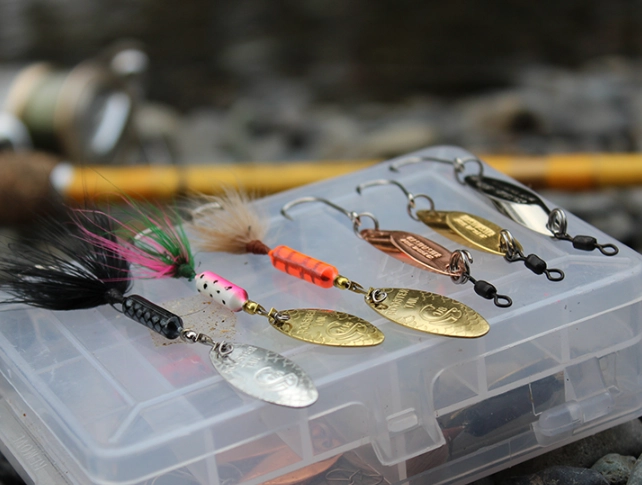
Let's be honest. You can spend a fortune on fancy gear and drive hours to the perfect spot, but if your trout fishing bait is wrong, you're just practicing your casting. I've been there, staring at a still bobber while the guy downstream is pulling them in one after another. It's frustrating. The secret isn't some magical, expensive lure. It's understanding what trout eat, how they think, and matching your offering to the conditions right in front of you. This guide is going to cut through the noise. We're not just listing baits; we're digging into why they work and when to use them. Forget the one-size-fits-all advice. We're talking live bait, artificial lures, flies, rigs, and the seasonal shifts that make all the difference. My goal here is simple: to give you the knowledge so you can walk up to any trout water, look at it, and know exactly what trout fishing bait to tie on. No guesswork. Choosing the right trout bait starts with thinking like a trout. They're not dumb. They're opportunistic, cautious, and driven by two main things: food and safety. Their diet changes with what's available. What's on the menu? It's a buffet out there. Insects (both underwater nymphs and adults on the surface) are a huge staple. Think mayflies, caddisflies, midges. Then you have smaller fish, like minnows and sculpins. Don't forget crustaceans like crayfish and freshwater shrimp. And of course, worms, leeches, and other creepy-crawlies that end up in the water. The color of the water, the time of day, the weather – it all changes what the trout can see and what they're willing to chase. A bright, flashy lure in a crystal-clear, low stream might spook every fish in the pool. But that same lure might be irresistible in a slightly stained, faster river. Key point: Your bait needs to match the hatch or mimic natural forage. For many anglers, especially beginners, live bait is the go-to. It's natural, it moves, and it smells real. It can be incredibly effective, but it's not always the best or most sporting choice (check your local regulations – some streams are artificial-only!). Check the Rules! This is non-negotiable. Using live bait is heavily regulated to prevent the spread of invasive species and protect fisheries. Many states prohibit certain baits (like felt soles on waders or certain baitfish) or have specific "artificial-only" waters. Always consult your local state fish and wildlife agency website for the most current regulations. Ignorance isn't an excuse. This is where the fun really begins for me. Artificial lures let you cover water, trigger reaction strikes, and catch fish on pure skill. The variety is endless, but let's focus on the proven winners. Spinners & Spoons: The classics. A spinner has a blade that spins around a wire, creating flash and vibration. A spoon wobbles and flutters, mimicking a wounded baitfish. Hard Body Minnows (Crankbaits & Jerkbaits): These are the detailed replicas. They dive to specific depths and have a tight wobble. Soft Plastics: This category has exploded. We're talking plastic worms, grubs, swimbaits, and creature baits. I remember one tough day on a pressured river. Everyone was throwing spinners with no luck. I switched to a tiny, natural-colored soft plastic crawdad on a light jig head and just crawled it slowly along the bottom of a deep hole. Bam. A beautiful 18-inch brown trout hammered it. Sometimes, slow and subtle beats flashy and fast. Don't skip this section if you're a spin fisher! "Fly fishing bait" isn't just for fly rods. You can use a clear casting bubble or a fly-and-bobber setup with your spinning gear to present flies. Trout flies are the ultimate in imitating specific insects. This is the game-changer. The same lake in spring and fall requires completely different approaches. Water is cold, but warming. Trout are hungry after winter and moving shallow to feed and spawn. Surface water warms, pushing trout deeper to find cooler, oxygenated water. Water cools, trout feed aggressively to bulk up for winter. One of the best times. Metabolism slows. Trout are lethargic and won't chase far. You can have the perfect bait, but if it's not presented naturally, it won't work. The rig is how you set up your line, hook, and weight. Perfect for beginners and still effective for experts in ponds or slow streams. A fantastic all-around bottom-fishing rig for rivers and lakes. Allows the bait to move naturally while the weight stays on the bottom. Originally a bass technique, it's deadly for finicky trout, especially in clear water. For more detailed rigging instructions and best practices, resources like the Take Me Fishing resource hub offer great visual guides. Here are the questions I get asked most often, straight from the riverbank. There isn't one. But if you held a gun to my head and made me choose one lure to fish anywhere for trout, it would be a 1/8 oz inline spinner (like a Mepps Aglia) in silver or gold. It catches everything, everywhere, and covers water. For live bait, a single salmon egg or a piece of nightcrawler is hard to beat for simplicity and effectiveness. This is the million-dollar question. Usually, it's one of three things: 1) Presentation: Your bait isn't drifting naturally. It's dragging on the bottom or moving too fast. 2) Size/Color: It doesn't match what they're eating at that moment. Try going smaller and more natural. 3) Pressure: In heavily fished areas, trout get wise to common offerings. Try something completely different – a tiny jig, a dry fly, or an unusual soft plastic. Rule of thumb: Bright colors (chartreuse, orange, pink) in stained water or low light. Natural colors (brown, black, olive, silver) in clear water. But don't overthink it. I often start with a natural pattern and switch to bright if I'm not getting bites. For live bait, it's built-in and crucial. For artificials, it can be a helpful trigger, especially for lethargic or pressured fish. A little bit of scent gel on a soft plastic or jig can make a difference. But I've caught plenty of trout on completely scentless lures, so don't rely on it as a crutch for poor presentation. Pro Tip: When in doubt, downsize. Most anglers, myself included when I started, use hooks and lures that are too big. A size 10 hook with a tiny piece of worm will catch more trout than a size 6 with a whole nightcrawler on many days. So you're at the water's edge. What now? Run through this mental checklist: The best trout fishing bait is the one that matches the conditions and your confidence. Sometimes, the confidence in a particular lure is half the battle. Remember, fishing is supposed to be fun. Experiment. Keep a log of what worked where and when. Talk to other anglers (discreetly). The more you learn about the trout's world, the less you'll rely on luck and the more you'll rely on skill. And that's when you start catching fish consistently, no matter what trout fishing bait you have in your box. Now go get your line wet.Quick Navigation
First Things First: Understanding the Trout's Mind (And Stomach)
The Live Bait Lowdown: The Classic Choice
Powerhouse Live Baits for Trout
Bait
Best For
Presentation Tips
My Personal Take
Nightcrawlers & Garden Worms
Lakes, ponds, slower river pools. Beginner-friendly.
Use a small piece on a single hook. Let it drift naturally. For bigger trout, try a whole worm.
The universal starter. Almost too easy sometimes. Can attract smaller fish aggressively.
Salmon Eggs (Cluster or Single)
River fishing, especially near spawning areas. Pressured fish.
Drift them near the bottom using a small hook and light weight. The scent is key.
A scent trail monster. In clear water, the bright color can be a trigger. I've had days where nothing else worked.
Minnows & Shiners
Larger trout, lake trout, brown trout. Imitating baitfish.
Hook through the lips or back. Use under a float or slow-troll. Keep them lively.
Mealworms & Waxworms
Ice fishing, pan-sized trout, finesse situations.
Tiny hook, sometimes tipped on a jig or small spinner. Subtle and natural.
Leeches & Crayfish
Big, predatory trout. Lake environments.
Live leeches under a slip bobber are deadly. Crayfish tails on a jig head mimic natural movement.
Artificial Lures: The Art of the Illusion
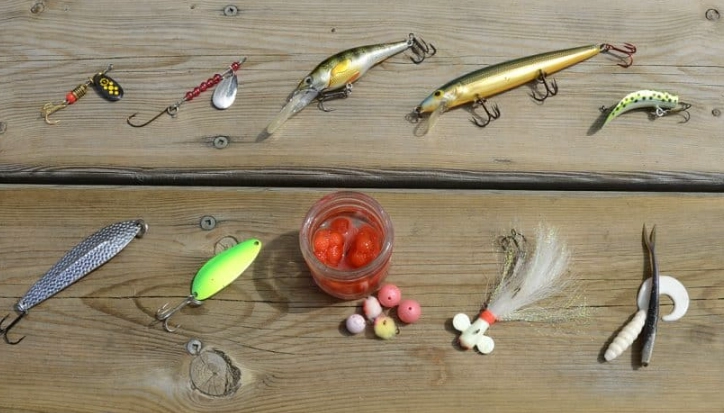
Top Artificial Trout Fishing Bait Categories
The Power of the Fly (Even if You Don't Fly Fish)
Matching Your Trout Fishing Bait to the Season
Spring
Summer
Fall
Winter
Essential Rigs: Connecting Your Bait to the Fish
The Basic Bobber Rig
The Carolina Rig
The Drop Shot Rig
Answering Your Real Questions (The FAQ Section)
What is the absolute best all-around trout fishing bait?
Why do trout sometimes ignore my bait even when I see them?
What color bait is best for trout?
How important is scent on trout bait?
Putting It All Together: Your On-the-Water Decision Guide