Complete Guide to Live Bait for Fishing: Types, Rules & Tips
What exactly qualifies as live bait? Our guide breaks down the legal definitions, best types for different fish, and crucial regulations you must know before your next fishing trip. Learn how to use live bait effectively and ethically.
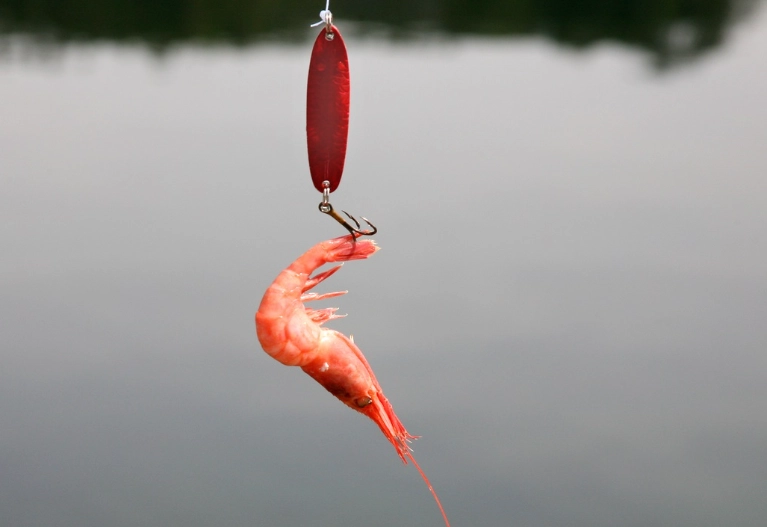
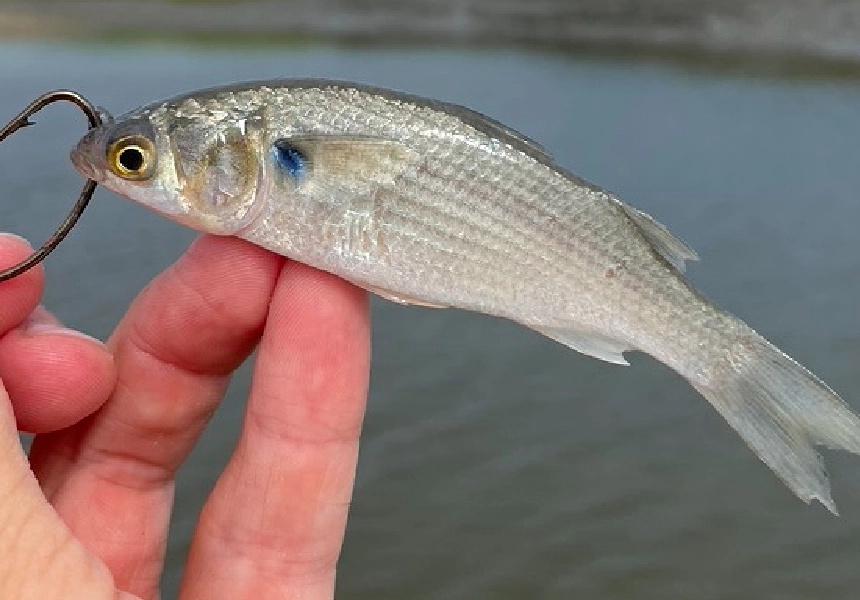
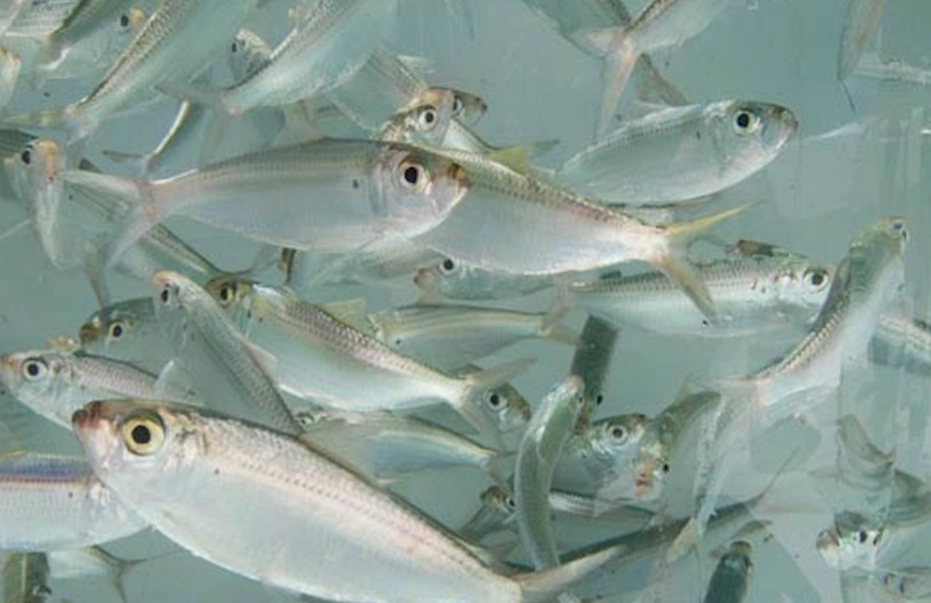
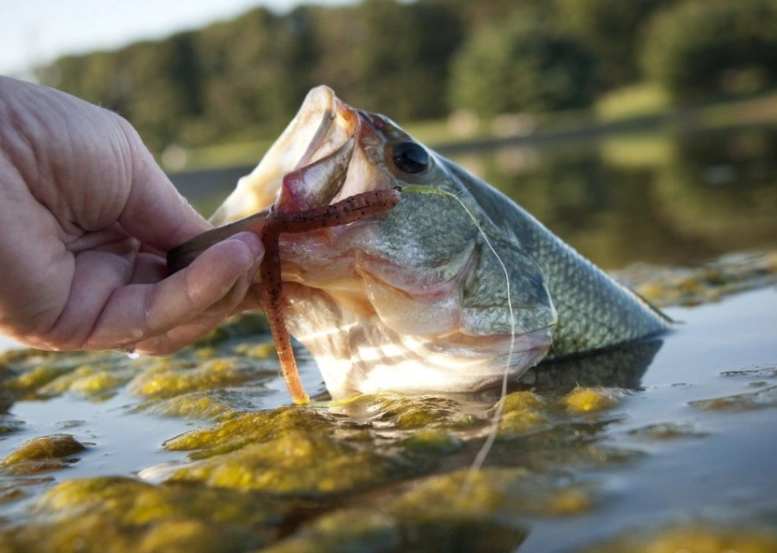
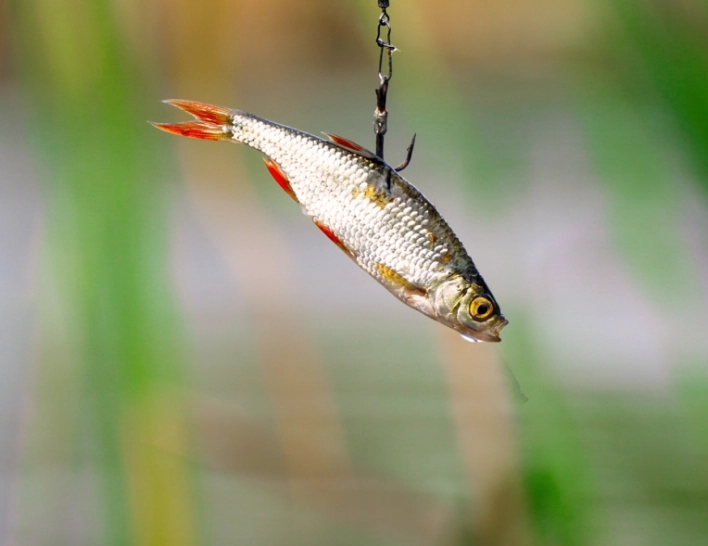
You're at the tackle shop, ready to buy bait. The guy next to you grabs a carton of nightcrawlers. Simple, right? But then you see the sign: "Live Minnows - Check Local Regulations." And the guy behind the counter asks if you're fishing in Lake Michigan or an inland stream. Suddenly, "live bait" doesn't seem so straightforward. Is a leech live bait? What about a frog you catch by the shore? Can you use that crayfish you just netted? The short answer is that live bait is any living organism used to attract and catch fish. But the real, practical answer—the one that keeps you legal and successful—is a tangled web of biology, ecology, and law. It varies by state, by waterbody, and by species. Getting it wrong can mean a wasted trip, a hefty fine, or accidentally harming the fishery you love. I learned this the hard way years ago, buying a scoop of shiners in Wisconsin only to find out they were illegal in the specific flowage I was fishing. The game warden was understanding, but the ticket wasn't. Let's make sure that doesn't happen to you. This is the most critical part most blogs gloss over. They'll list a bunch of baits and tell you they're great. They rarely tell you which ones could get you in trouble. Fishing regulations exist primarily for two reasons: to prevent the spread of invasive species and to protect native fish populations from disease and competition. Think of it this way. You buy minnows from a bait shop in one county. Those minnows might carry a parasite or disease that isn't present in the lake you're driving to. Dumping your leftover bait bucket into that lake could introduce it. Or, that "minnow" might be a juvenile invasive species. Regulations try to slam the door on these problems. There is no single national rule. You must check the regulations for the exact state and often the specific body of water you plan to fish. Your first and last stop should be the official website of your state's Department of Natural Resources (DNR) or Fish and Wildlife agency. Don't rely on the bait shop clerk's memory—regulations change annually. Okay, let's get into the fun stuff. Assuming it's legal in your area, here’s what generally "counts" as live bait in an angler's toolkit, broken down by category. Nothing triggers a predatory fish like a wounded minnow. The flash, the erratic movement, the vibration—it's an irresistible dinner bell. For big walleye trolling a hump, a live sucker minnow on a spinner rig is a classic for a reason. Bass anglers swear by large shiners fished under a bobber near cover for trophy largemouth. The trick is presentation. Hook them through the lips for a natural, swimming presentation, or through the back just behind the dorsal fin for a more wounded, fluttering action. Keep that bait tank aerated. A dead minnow is just chum. Nightcrawlers are probably the first thing people think of. And for good reason. You can drift them for trout, put a piece on a small hook for bluegill, or thread a whole one on a harness for walleye. They're versatile. Leeches, though, are a secret weapon in cooler waters. A leech naturally swims with an undulating, pulsing motion that drives walleye crazy. Hook it through the sucker end, and it will swim for hours. They're also surprisingly durable. Smallmouth bass are crayfish addicts. In a rocky river, a live crayfish (where legal) crawled along the bottom is the most natural presentation you can offer. For largemouth in heavy slop, a live frog twitched across the mat is a heart-stopping sight. These are situational baits, but in the right situation, they're unbeatable. You don't choose the bait. The fish, the water, and the season choose it for you. It's about matching the natural forage. Here's my mental checklist after a thousand trips. First, what species am I after? If it's catfish, cut bait or large nightcrawlers might be better than tiny minnows. For trout in a spring creek, a grasshopper might outfish any lure. Second, what's the water like? Murky water? You need vibration and scent—a lively leech or a chubby minnow. Clear water with spooky fish? A perfectly presented live insect or a small, native-looking minnow. Third, what's the season? In early spring, when the water is cold, fish are sluggish. A slow-moving leech or a small minnow fished patiently is key. In the summer heat, match the hatch. If you see mayflies hatching, try to find some nymphs. I remember a trip to a Florida lagoon for snook. We tried artificials for hours with no luck. An old-timer on the pier was slaying them with live shrimp. We switched, and it was like a light turned on. The shrimp's natural scent and struggling movement in the current were what those snook wanted that day. Live bait removes the guesswork of action and scent. Hooking and presenting live bait is an art. Do it wrong, and you kill your bait or get a poor hookset. Bobber Fishing (Still Fishing): The classic. Set your depth so the bait is just above the bottom or in the strike zone. The bobber acts as a visual strike indicator. Perfect for panfish with a worm, or for bass with a shiner. The key is to use the smallest bobber that will support your bait. A giant bobber creates too much resistance and can spook fish. Bottom Fishing: Simply let your bait sit on the bottom. Use a sinker to hold it in place in current. This is catfish and carp territory. A circle hook is ideal here—let the fish hook itself as it swims away. Drifting/Live Bait Trolling: Let your bait swim naturally with the current or at a slow trolling speed. Use just enough weight to get it down. This is deadly for walleye and river trout. You're covering water while presenting a natural meal. If your bait is dead or lethargic, you might as well use plastic. Keeping bait lively is half the battle. Baitfish: They need cool, clean, oxygenated water. A portable aerated bait bucket is essential. Don't overcrowd them. Change the water if it gets warm or cloudy. Worms: Keep them cool and moist. A refrigerator is best (though you might have to negotiate with family). Use a worm bedding like coconut coir, not garden soil. They'll last for weeks. Crickets/Hoppers: A well-ventilated container with egg cartons to climb on. A slice of potato for moisture. Keep them out of direct sun. I keep a small, insulated lunch bag with a freezer pack in my boat for my worm containers. On a hot day, it keeps them from cooking in the sun. Live bait fishing is incredibly effective, but it's not without ethical and ecological considerations. There's the risk of introducing invasives, as mentioned. There's also the welfare of the bait itself. I'm not saying don't use it, but be mindful. For catch-and-release fishing, live bait can lead to deeper hooking, which can harm the fish's survival chances. If you're strictly practicing catch-and-release, consider using artificial lures or circle hooks to minimize damage. This is where prepared or "dead" natural baits come in. Cut bait (pieces of fish), cured shrimp, or even preserved nightcrawlers offer the scent and taste of natural bait without the ecological risks of live transport. They're often just as effective for species like catfish, carp, and even bottom-feeding saltwater fish. And let's not forget the incredible advancements in synthetic scents and biodegradable artificial baits. A soft plastic jerkbait infused with crayfish scent can be a fantastic compromise—offering the action of a lure with an enticing smell. Can I use live crayfish as bait in my state? It depends entirely on your location. Many states, like California and Oregon, have strict bans on using live crayfish as bait to prevent the spread of invasive species and diseases. Even in states where it's allowed, there are often rules about where you can collect them and what species you can use. Your first stop should always be your state's Department of Natural Resources (DNR) or Fish and Wildlife website. Don't rely on hearsay from other anglers; the regulations change and fines can be steep. Is live bait effective for ice fishing? Absolutely, it's a top choice. The key is downsizing and keeping it lively in the cold. For panfish like bluegill and perch, a small wax worm or a single maggot on a tiny jig is deadly. For walleye, a live minnow (like a fathead) fished just off the bottom is classic. The challenge is keeping your bait from freezing. Use an insulated bait bucket, keep it out of the wind, and change the water if it starts to get slushy. A lethargic, half-frozen minnow won't get the job done. How can I keep my nightcrawlers alive longer? Stop keeping them in the dirt they came in. That stuff is often depleted of nutrients and full of waste. Get a Styrofoam or plastic worm box. Fill it with a commercial worm bedding (like shredded coconut coir or peat moss) that's been moistened—damp like a wrung-out sponge, not soaking wet. Store them in the refrigerator (not the freezer!). The cold slows their metabolism. Every couple of weeks, feed them a handful of cornmeal or used coffee grounds, and remove any dead worms. They can last for months this way. So, what counts as live bait? It's a living, breathing, wriggling key to unlocking a fish's instincts. But it's a key that comes with a responsibility. Know the rules. Match your bait to the conditions. Take care of it. Do that, and you'll not only catch more fish, you'll also help ensure the fishery is there for the next generation to enjoy. Now go check your local regulations, and get out there.Quick Bait Navigation
Understanding Live Bait Regulations: Your Legal Responsibility
State-by-State Variations: A Patchwork of Rules
Types of Live Bait and Their Best Uses
Bait Type
Common Examples
Best For Targeting...
Key Consideration
Baitfish
Minnows (Fatheads, Shiners), Shad, Suckers
Walleye, Pike, Bass, Trout, Catfish
Size matters. Match the hatch. Keep them oxygenated.
Worms & Leeches
Nightcrawlers, Red Worms, Garden Worms, Leeches
Panfish, Trout, Walleye, Catfish (Leeches: Walleye, Bass)
The universal bait. Leeches are tougher and swim enticingly.
Insects & Larvae
Grasshoppers, Crickets, Mayflies, Wax Worms, Maggots
Panfish, Trout, Perch, Bream
Seasonal and often collected yourself. Fantastic for ultralight fishing.
Crustaceans
Crayfish, Crabs, Shrimp
Bass, Walleye, Sheepshead, Saltwater species
Check regulations closely! Major invasive species concern.
Amphibians
Frogs, Salamanders
Bass, Pike, Musky
Often effective but check local laws on collection and use.
Baitfish: The Predator's Prime Target
Worms and Leeches: The Workhorses
Beyond the Basics: Crayfish and Frogs
How Do You Choose the Right Live Bait?
Mastering Live Bait Fishing Techniques
Storing and Caring for Your Live Bait
The Ethics and Alternatives to Live Bait
Live Bait Questions You Were Afraid to Ask