Ultimate Guide to the Best Live Bait for Fishing
What is the best live bait for fishing? The answer isn't the same for every fish or situation. This expert guide breaks down the top live baits for bass, trout, catfish, and more, with tips on rigging, presentation, and common mistakes to avoid.
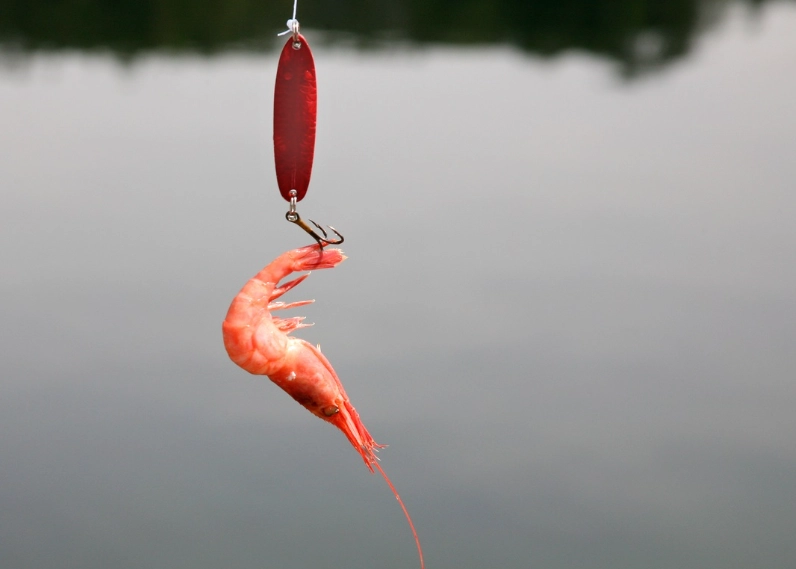
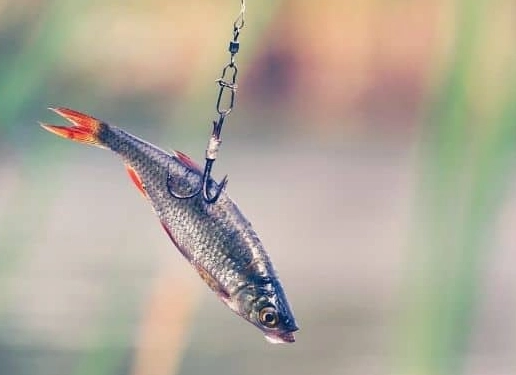
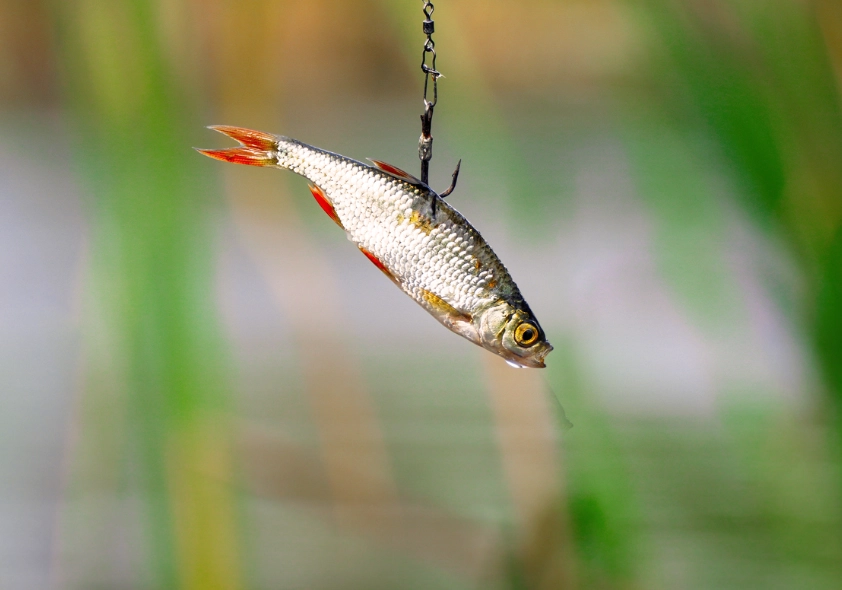
You asked, "What is the best live bait for fishing?" Here's the truth nobody wants to say upfront: there is no single "best" live bait. Anyone who tells you there is oversimplifying. The real answer depends entirely on what you're fishing for, the time of year, the water you're on, and even the time of day. I've spent over a decade guiding and fishing everything from farm ponds to the Great Lakes. I've seen anglers waste hours with the wrong bait because they read a generic "top 5" list. This guide is different. We're going to move past the basic lists and talk about why certain baits work, when to use them, and the subtle mistakes that keep fish off your hook. Forget the idea of a universal winner. The best live bait is the one that most closely matches what the fish are naturally eating at that exact moment. It's about triggering a predatory response. That response is built on three pillars: The biggest mistake I see? Anglers using a bait that's convenient for them, not effective for the fish. That giant, expensive shiner might be overkill for pond bass feeding on insects. That tiny worm might get ignored by a lake trout hunting smelt. Let's get practical. Here’s a breakdown of the most effective live baits, but with the crucial context of when and for what they excel. The universal starter. But is it the best? For panfish like bluegill and crappie, absolutely. For trout in stocked streams, it's deadly. For largemouth bass? It's good, but often not the best. Its strength is its availability and irresistible wiggle. Hook it through the collar for a natural presentation, or thread it on for a bulkier look. Keep them cool and in damp bedding. This is the big leagues for predators. The size of the minnow dictates the size of the fish you'll attract. You need an aerated bait bucket to keep these guys alive. A bucket of dead minnows is just expensive chum. If bass, walleye, or smallmouth had a menu, crayfish would be the steak dinner. They're a high-protein, natural food source. Use them in rocky areas, near dams, or along riprap. Hook them through the tail (allows them to swim backward) or just under the hard shell behind the head. Live ones are best, but even a recently dead one can be effective. In many areas, you can catch your own by turning over rocks in shallow water. Don't let the "ick" factor fool you. For walleye, they are often the number one bait. Their undulating swim is hypnotic. They're also great for smallmouth bass and panfish. They're incredibly hardy—you can keep them for weeks in a fridge. Hook them through the sucker end for a natural, swimming presentation. The secret weapon for stream trout and panfish in late summer. When grasshoppers are blowing into the water, a live one hooked lightly under the collar is irresistible to trout. Hellgrammites (the larval stage of the dobsonfly) are a prime smallmouth and trout candy in moving water. This is where observing the local ecosystem pays off big time. For trophy largemouth in heavy cover, a live frog is peak performance. It's a surface explosion waiting to happen. This is a highly specialized technique and often regulated, so check your local laws. It's not an everyday bait, but for the right scenario, nothing else compares. Stop guessing. Use this logic chain next time you're at the bait shop or prepping for a trip. Step 1: Identify Your Primary Target. Are you after panfish for the fryer, bass for sport, or catfish for a fight? Step 2: Consider the Season and Water Temperature. Fish metabolisms change. In cold water, a slow-moving leech or small minnow is better than a fast shiner. In the heat of summer, a topwater frog or active crayfish mimics the higher energy of the ecosystem. Step 3: Match the Local Forage. This is the expert move. Look around. Are there crayfish shells on the shore? Are insects hatching? Are small bluegill swimming in the shallows? The best bait is often the one that's already on the fish's mind. A report from the U.S. Fish and Wildlife Service on local fishery management can give clues about dominant forage species in a particular lake or river. Step 4: Factor in Presentation. Will you be fishing under a bobber, on the bottom, or free-swimming? Some baits, like minnows, are versatile. Others, like frogs, have a specific presentation style. You can have the perfect bait and still fail if you don't present it right. Hook Size Matters. Too big, and you'll kill the bait's action. Too small, and you'll lose fish. A general rule: use the smallest hook that will reliably hold the bait and handle the fish. For worms and leeches, a light-wire octopus or baitholder hook is perfect. For minnows, a thin-wire Aberdeen or kahle hook allows them to swim naturally. Keep it Alive. This is non-negotiable. A lethargic bait is a useless bait. Invest in a good aerated bucket for minnows. Keep worms and leeches cool. Change the water in your bait well often. The livelier the bait, the more fish it will attract. Let it Be Natural. Don't over-rig. The goal is to let the bait behave as naturally as possible. A minnow under a sliding float, allowed to swim around a weed edge, is far more effective than one pinned under a stationary bobber. For bottom fish like catfish, a simple Carolina rig with a nightcrawler or cut bait lets the scent do the work. I've made these myself, and I see them every weekend. Using the Wrong Hook Placement. Hooking a minnow through the tail kills it instantly. Hook it through the lips or just behind the dorsal fin to keep it swimming. Hooking a worm in the middle so both ends dangle? That looks unnatural. Thread it on or hook it once. Ignoring Bait Size. That massive gob of worms might look like a feast to you, but to a fish, it looks suspicious. Match the bait size to the common prey. Sometimes a tiny piece of worm or a single maggot catches more than the whole thing. Setting the Hook Too Fast (or Too Slow). With live bait, you often need to let the fish take it. If you jerk at the first tap, you'll pull the bait away. Watch your line or float. Wait for a definite pull, then set the hook. Conversely, waiting too long can let a fish swallow the hook deep, which is bad for catch-and-release. Not Checking Your Bait. That minnow might have died 10 minutes ago. That worm might have been stolen by a sunfish. Re-bait often. The search for the "best" live bait is really the search for the most appropriate one. It's a puzzle where the pieces are the fish, the water, and the season. Start with the classics—a nightcrawler for panfish, a minnow for crappie, a shiner for bass—but always be observing, thinking, and adapting. Talk to local bait shop owners. Watch what the birds are eating. That's how you move from just using bait to mastering it. Now go get your line wet.Quick Navigation: What You'll Learn
What Makes a Live Bait "The Best"?
Top Live Baits for Popular Fish Species
1. The Nightcrawler (Earthworm)
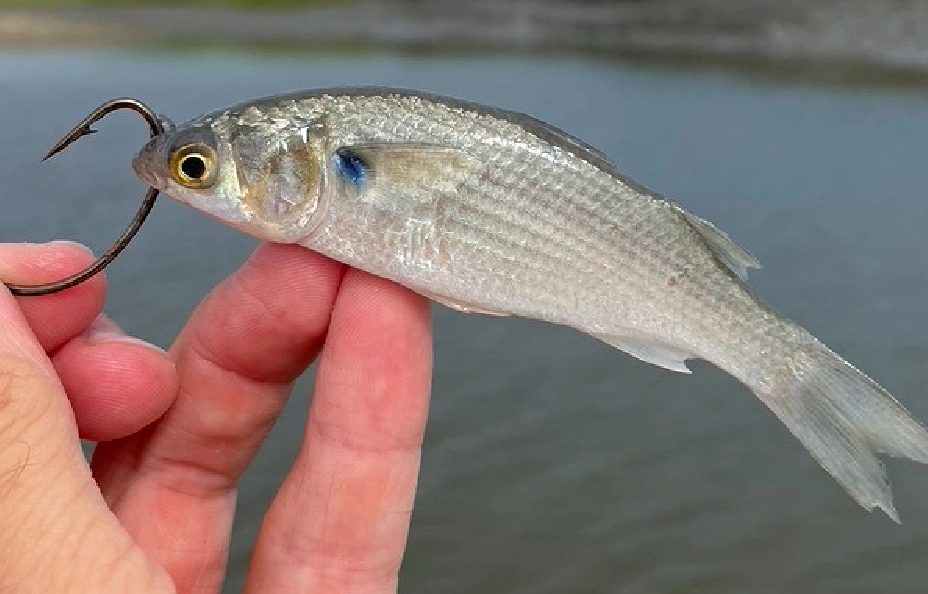
2. Minnows, Shiners, and Shad
3. Crayfish (Crawfish)
4. Leeches
5. Insects: Grasshoppers, Crickets, and Hellgrammites
6. Frogs (Where Legal)
Live Bait
Best Target Fish
Key Strength
Biggest Challenge
Nightcrawler
Panfish, Trout, Catfish
Universal appeal, easy to find
Can attract smaller "nuisance" fish
Golden Shiner
Largemouth Bass, Pike
Triggers large predators, visible
Expensive, requires good aeration
Crayfish
Smallmouth Bass, Walleye
Natural forage in rocky habitats
Can be hard to source/keep alive
Leech
Walleye, Smallmouth Bass
Unique action, very hardy
Some anglers dislike handling them
Minnow (Fathead)
Crappie, Walleye
Perfect size for many gamefish
Delicate, can die quickly
How to Choose the Right Live Bait: A Simple Framework
Expert Tips for Rigging and Presentation
Common Live Bait Mistakes to Avoid
Your Live Bait Questions Answered