Live Bait Fishing: A Complete Guide to What It Is & How to Use It
What exactly is live bait in fishing, and why do so many anglers swear by it? This definitive guide breaks down everything you need to know, from the most effective types of live bait to expert tips on hooking, storing, and using it to catch more fish.
So, you've heard the term "live bait" tossed around at the bait shop or on the dock. Maybe a seasoned angler told you it's the only way to catch the big ones. But what is meant by live bait, exactly? It's not just a worm on a hook. In fishing, live bait refers to any living organism used to attract and catch fish. It's the original, time-tested method that taps directly into a fish's predatory instincts. Think of it as serving a fresh, wriggling meal instead of a plastic imitation. The movement, the scent, the subtle vibrations in the water—it's a full sensory experience that fish find incredibly hard to resist. But here's the thing most articles don't tell you: using live bait isn't just about buying minnows and throwing them in the water. It's a skill. A subtle art that separates casual fishers from those who consistently fill their coolers. I've watched guys with $1000 rod setups fail miserably because they treated their live bait like a piece of plastic, while an old-timer with a cane pole and a perfect live shiner outfished everyone. This guide is for the angler who wants to move beyond the basics. We're going deep. Let's cut to the chase. You use live bait because it works, often when nothing else will. I've been on lakes where the bass were lock-jawed against every spinnerbait and crankbait in my box. Tossing a live bluegill under a bobber near the weeds? That got hammered. Why? It's Real. Fish are predators, not critics of abstract art. They're wired to recognize and pursue living prey. The erratic, dying flutter of a minnow, the natural scent plume of a nightcrawler, the frantic digging of a crayfish—these are triggers honed by evolution. An artificial lure mimics one or two of these cues. Live bait delivers the whole package. It's Versatile. Live bait isn't a single technique. You can freeline it, weight it down for bottom fish, suspend it under a float, or troll it behind the boat. You can present it naturally in the current or make it dance. This adaptability lets you fish for anything from panfish on the bottom to trophy muskies suspending in open water. It Catches Smarter, Pressured Fish. In heavily fished waters, fish get wise to the common lures. They've been hooked by that same shiny spoon before. A perfectly presented live offering bypasses that skepticism. It doesn't look "wrong." It just looks like lunch. Not all live bait is created equal. Different species target different fish. Your choice depends on what you're after, the water you're on, and local regulations. Here's a piece of advice you won't find in the manual: observe the forage. Before you even buy bait, spend ten minutes looking at the water's edge. See tiny minnows darting? That's your clue. See crayfish shells washed up? Another clue. Matching the local, natural prey is a power move most weekend anglers skip. This is where the game is won or lost before you even make a cast. Dead bait is significantly less effective. Keeping it lively is a non-negotiable skill. If you're serious about minnows or shiners, a dedicated, aerated baitwell is worth its weight in gold. The cheap styrofoam buckets kill bait. A good baitwell has a pump, a bubbler, and insulation. Keep it out of direct sun. Add a commercial bait saver solution (it reduces ammonia) and change some of the water periodically with water from the lake you're fishing (to equalize temperature and avoid shock). I learned this the hard way after a $30 bucket of shiners turned belly-up by 10 AM. The eternal debate. Let's be real—both have their place. I carry both on my boat every single time. Choose Live Bait when: Choose Artificial Lures when: The best anglers aren't purists. They're tacticians. They read the conditions and choose the right tool. After years on the water, I see the same errors repeated. Avoid these, and you'll instantly be ahead of 80% of other anglers. You cast out your minnow under a bobber and... wait. And wait. Live bait needs to look alive. That means occasionally giving your rod a subtle twitch to make the bait dart. Re-position it if the current has swept it into dead water. A minnow struggling looks like an easy meal. A minnow floating motionless looks suspicious. Using a giant, heavy hook for a delicate minnow? You'll kill it instantly. Match your hook size and weight to your bait. For worms, a light-wire #4 or #6 hook. For 3" minnows, a #2 or #1 thin-wire hook. And hook placement is critical: through the lips or the upper back for swimming; through the tail for a wounded, fluttering action. A bobber isn't just a bite indicator; it's a depth controller and a presentation tool. Setting the depth wrong means your bait isn't in the strike zone. Use a slip bobber for depths over 4 feet. And for heaven's sake, don't use those giant, garish plastic bobbers that scare fish. A small, neutral-colored pencil float or a weighted slip float creates less disturbance. This part is non-negotiable and often the most overlooked in guides. Using live bait comes with responsibility. Know the Law. Regulations on live bait are strict and vary wildly. Many states ban the use of live baitfish in certain waters to prevent the spread of invasive species like zebra mussels or viral hemorrhagic septicemia (VHS). It's illegal to transport live bait across some state lines. Using live crayfish as bait is a huge no-no in areas where they are invasive. Always, always check your state's official fishing regulations guide. It's your job. Prevent Spills and Escapes. Never dump unused live bait, especially baitfish, into the water at the end of the day. This is a primary vector for invasive species. Dispose of them on land, away from the water, or in the trash. Respect the Resource. Only take what you need for bait. Overharvesting bait from a local pond can damage the ecosystem. It's about stewardship. What is the most common mistake beginners make when using live bait? The biggest mistake is using the wrong size hook or improper hook placement, which kills the bait instantly. For worms, a smaller, light-wire hook threaded through the body keeps them alive and wriggling. For minnows, a hook through the lips or just behind the dorsal fin allows them to swim naturally. A dead, motionless baitfish is just expensive chum. How long can I keep live bait alive in a bucket or aerated baitwell? It depends heavily on the species and conditions. Crickets or worms in a cool, dark container with bedding can last weeks. Minnows and shiners are far more delicate. In a simple bucket without aeration, they might last an hour before oxygen runs out. A properly aerated and insulated baitwell with cool, clean water (around 60-65°F for most baitfish) can keep them lively for a full day or more. The key is avoiding temperature shock and removing dead bait immediately. Is live bait always more effective than artificial lures? Not always, but it often has a decisive edge, especially with pressured or finicky fish. Live bait provides a complete sensory package: real movement, scent, and taste that lures can't perfectly replicate. It's often the best choice for species like catfish, walleye, or when fish are in a neutral or negative feeding mood. However, artificial lures excel in covering water quickly, targeting specific structure, and catching fish that are aggressively chasing prey. The most versatile anglers know when to use each tool. Where is it illegal or restricted to use live bait? Restrictions are common and critical to check. Many states and provinces ban the use of live baitfish in certain waters to prevent the spread of invasive species or diseases. Some areas only allow baitfish caught from the same body of water you're fishing. Using live crayfish as bait is heavily restricted in regions where they are not native. Always consult the official fishing regulations for your specific location (like your state's Department of Natural Resources website) before heading out. Ignorance isn't an excuse and can result in hefty fines. So, what is meant by live bait? It's more than a definition. It's a dynamic, effective, and deeply engaging approach to fishing. It connects you to the food chain in a direct way. It demands attention to detail—from keeping your bait frisky to presenting it naturally. It's not the lazy way out; it's a different path to mastery on the water. Grab a bucket, do your homework on the rules, and give it an honest try. You might just discover your new secret weapon.What You'll Hook in This Guide
Why Live Bait Works (The Unbeatable Advantage)
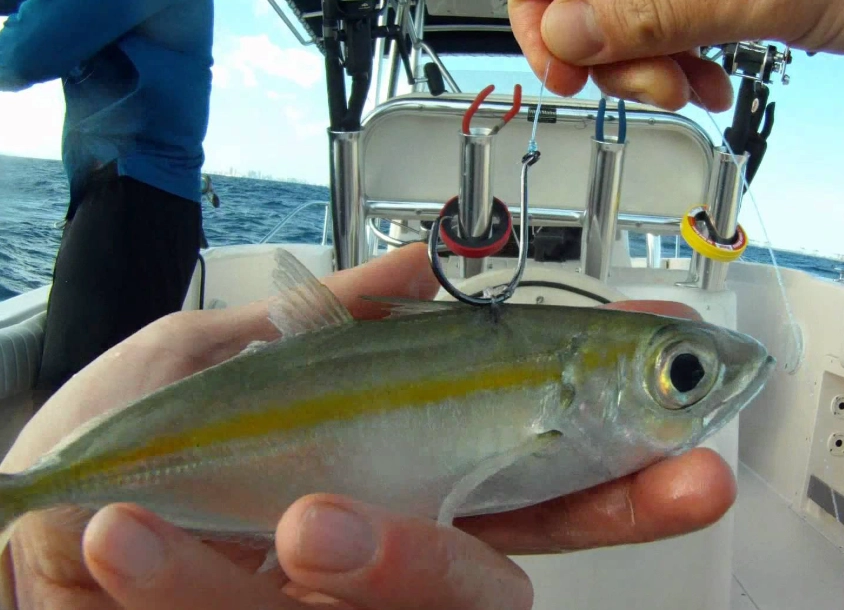
Your Live Bait Arsenal: From Worms to Wakasagi
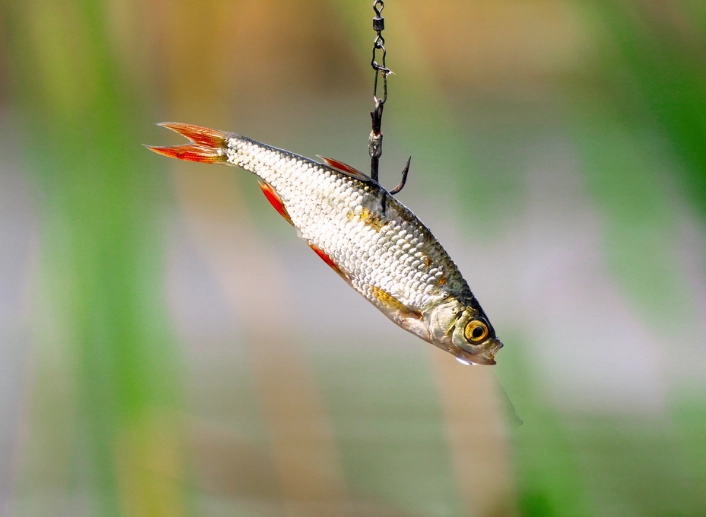
Bait Type
Best For Targeting...
Key Presentation Tips
Durability & Notes
Nightcrawlers & Earthworms
Panfish (Bluegill, Crappie), Trout, Catfish, Bass
Thread lightly on a small hook; use a splitshot 12-18" above. Let it drift naturally.
High. Keep cool and moist. The universal starter bait.
Minnows, Shiners, & Shad
Bass, Walleye, Pike, Crappie, Striped Bass
Hook through lips or back (behind dorsal fin). Use under a slip bobber or freeline near structure.
Low-Medium. Need aerated, cool water. Match the hatch—size matters!
Crayfish (Crawdads)
Smallmouth Bass, Largemouth Bass, Catfish
Hook through the tail (for swimming) or just under the shell behind the head. Fish near rocky bottoms.
Medium. Aggressive; can pinch! Check local laws—often restricted.
Leeches
Walleye, Panfish, Bass (especially in cooler water)
Hook through the sucker end. Their natural swimming action is irresistible. Use a light jig head.
High. Tough and lively. Keep in cold, clean water.
Insects (Crickets, Grasshoppers)
Panfish, Trout, Bream
Light wire hook through the thorax. Fish on the surface or just under with a float.
Low. Keep in a ventilated container. Best used fresh-caught.
Getting and Keeping Your Bait Alive: The Crucial Step
Sources for Live Bait:
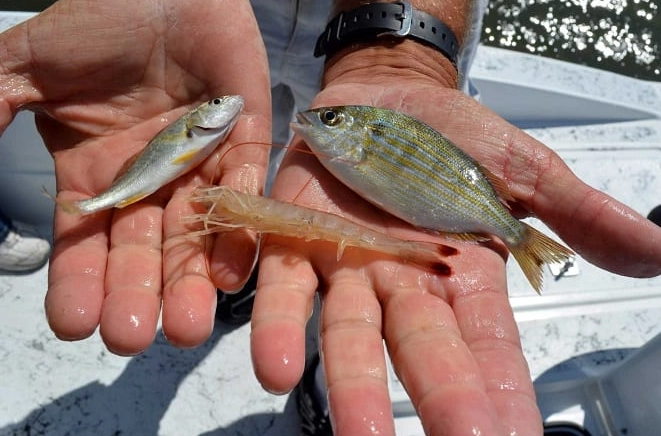
Pro-Tip: The Baitwell is Everything
The Golden Rules for Bait Survival:
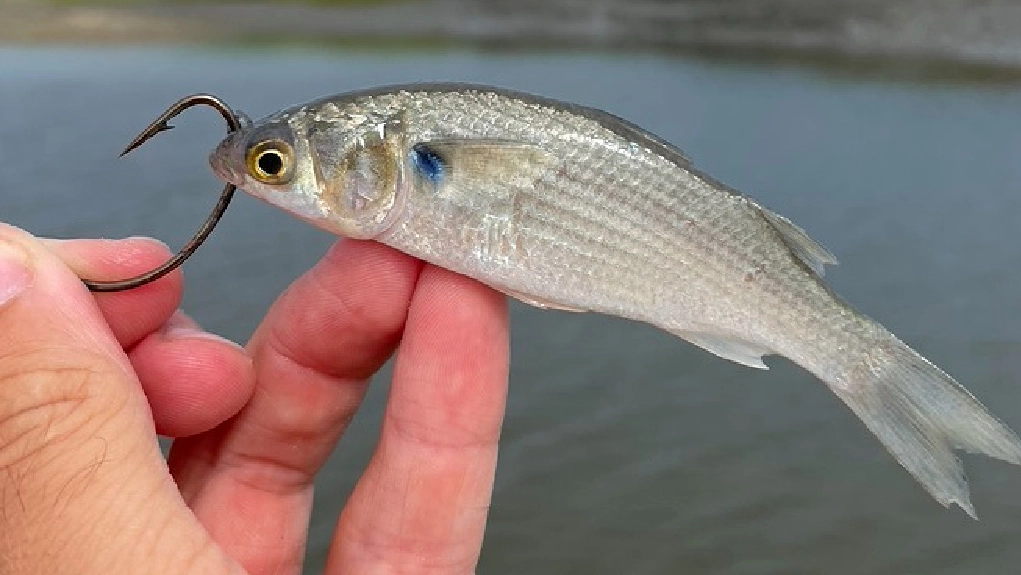
Live Bait vs. Artificial Lures: Picking Your Weapon
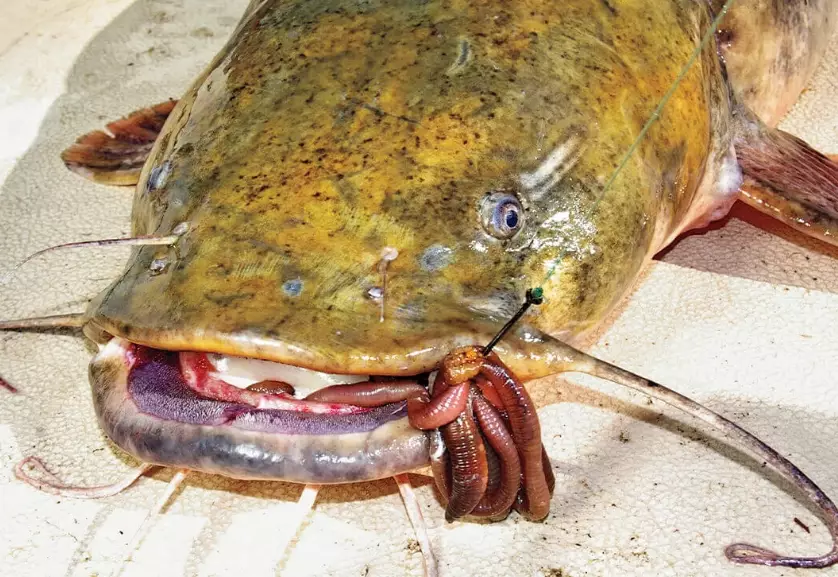
The 3 Live Bait Mistakes Almost Everyone Makes
1. The "Dead Stick" Presentation
2. Wrong Hook, Wrong Place
3. Ignoring the Bobber
The Responsible Angler: Ethics and Legality
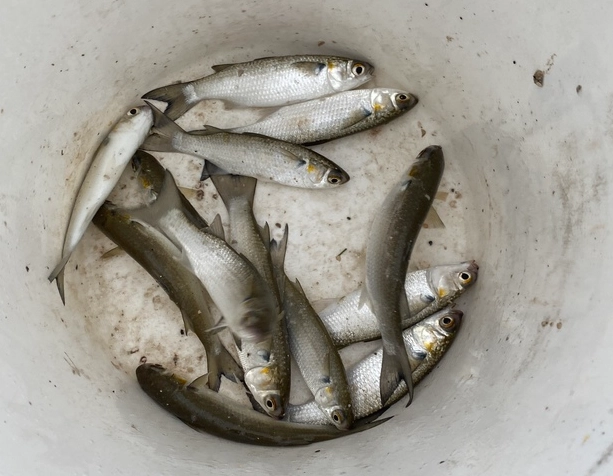
Quick Answers to Common Live Bait Questions