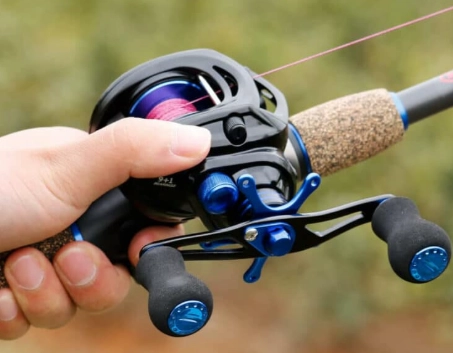
Mastering Baitcasting Reels: A Complete Guide for Anglers
Struggling with backlash or choosing your first baitcasting reel? This definitive guide cuts through the confusion, covering selection, setup, casting techniques, and maintenance to help you master this powerful fishing tool.
Let's be honest. Your first encounter with a baitcasting reel probably ended with a spectacular mess of tangled line, a few choice words, and maybe a strong desire to throw the whole contraption in the lake. I've been there. I spent an entire afternoon on a dock, not catching fish, but picking out what seasoned anglers call a "bird's nest" or "backlash." It's a rite of passage. But here's the truth they don't always tell you: once you get past that initial frustration, a baitcaster unlocks a level of precision, power, and control that spinning gear just can't match. This isn't just about using a different tool; it's about upgrading your entire fishing approach. At its core, a baitcasting reel is defined by its spool orientation. Unlike a spinning reel where the spool is fixed and the line flies off the side, a baitcaster's spool rotates during the cast, releasing line directly off its end. This design places the spool in line with the rod, creating a more direct transfer of energy. Think of it like the difference between a sidearm throw and an overhand football pass. The overhand pass is more direct and, with practice, more accurate. The primary advantage is control. Your thumb rests directly on the line spool, giving you immediate, tactile feedback and the ability to stop the lure on a dime. This is why bass tournament pros almost exclusively use baitcasters for techniques like flipping jigs into heavy cover or accurately skipping lures under docks. The reel sits on top of the rod, which for many people feels more natural and powerful for repetitive casting and working lures. The downside, of course, is that this free-spinning spool can quickly become an unruly tangle if not managed correctly. Walking into a tackle shop or browsing online can be overwhelming. You'll see reels from $50 to over $500. Ignore the price tag hype for a moment and focus on a few key specs that actually matter for a beginner. My personal mistake when I started? I bought a used, high-speed (8.1:1) reel because it was a "pro model" at a good price. It was a disaster. The fast gear ratio meant any tiny error in thumb pressure resulted in a instant, tight backlash. I should have started with a simple 6.8:1 reel. Brands like Shimano, Abu Garcia, and Daiwa all have excellent "value series" reels in the $80-$120 range that are perfect learning platforms. The Shimano SLX or the Abu Garcia Black Max are common, reliable starting points you can grow with. This is where 90% of beginners fail. They take the reel out of the box, tie on a lure, and start casting. Big mistake. Proper setup is non-negotiable. Let's assume you have a reel with a magnetic brake dial (0-10) and a spool tension knob (the star-shaped knob on the handle side). Forget the powerful, baseball-style swings you see in videos. Start simple. Practice in your backyard with a practice plug or a 1/2 oz weight (no hooks!). Stand facing your target. The goal is to develop a rhythm: release, watch, feather, stop. Your thumb is an active participant, not a passive rider. Start with short, easy casts of 20-30 feet. Distance will come with control. Wind-up and Heave: Using too much body and a jerky motion. This creates a sudden burst of speed that the brakes can't handle. Smooth acceleration is key. A baitcasting reel is a fine mechanical device. A little care goes a long way. After every trip, especially in saltwater, wipe it down with a damp cloth. Once a season, or after 20-30 heavy outings, it needs a bit more. Don't over-lubricate. More grease or oil isn't better—it attracts dirt and grime. The journey from frustration to mastery with a baitcasting reel is one of the most rewarding skills in fishing. It forces you to slow down, pay attention to mechanics, and develop a feel that translates to every other aspect of your fishing. Embrace the initial backlashes as learning moments. Set up your reel meticulously, practice the smooth motion, and let your thumb learn its role. Before long, you won't just be casting—you'll be placing lures exactly where you want them, with a level of confidence that changes the game.What's in This Guide?
What Exactly is a Baitcasting Reel?
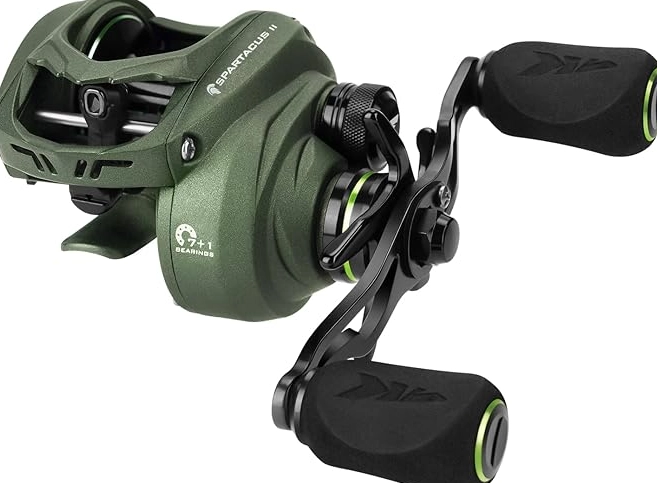
How to Choose Your First Baitcasting Reel
Feature
What to Look For (Beginner-Friendly)
Why It Matters
Frame & Body
Low-Profile Design. Avoid round reels for now.
Fits comfortably in the palm, easier to thumb the spool, less fatiguing.
Gear Ratio
6.3:1 to 7.5:1 (a mid-range ratio).
Versatile. Good for a variety of techniques from crankbaits to spinnerbaits. Not too fast to control, not too slow to be inefficient.
Braking System
Dual Braking (Magnetic + Centrifugal) or a highly adjustable magnetic system.
More tools to prevent backlash. Dual systems let you fine-tune control as you learn.
Spool Material
Aluminum (not carbon).
More durable and slightly heavier, which can actually help slow the spool down initially.
Weight
Don't chase ultra-light. 6.5 - 7.5 oz is a solid range.
A bit of heft provides stability and is more forgiving than a feather-light, hyper-sensitive spool.
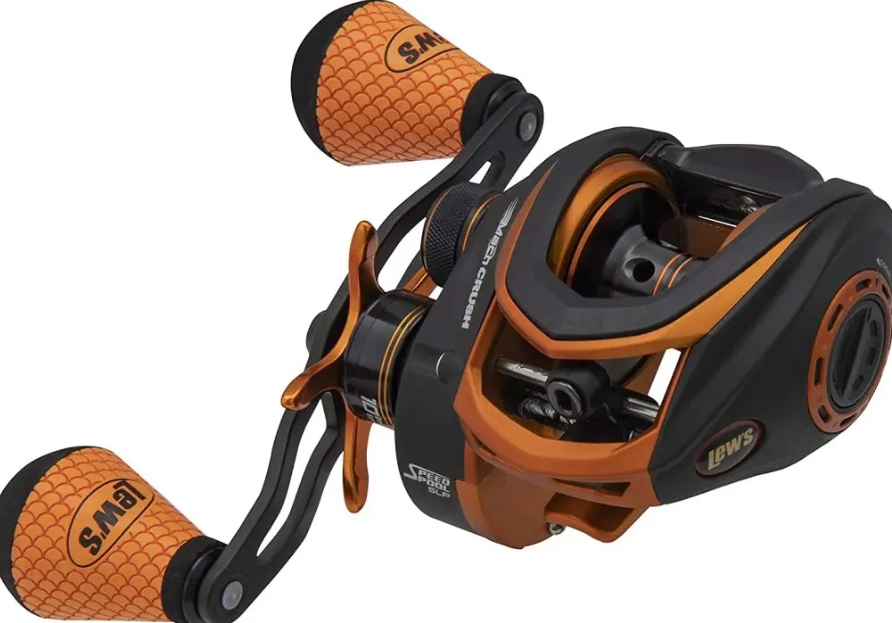
Setup to Prevent Backlash (The Critical Part)
Mastering the Casting Technique
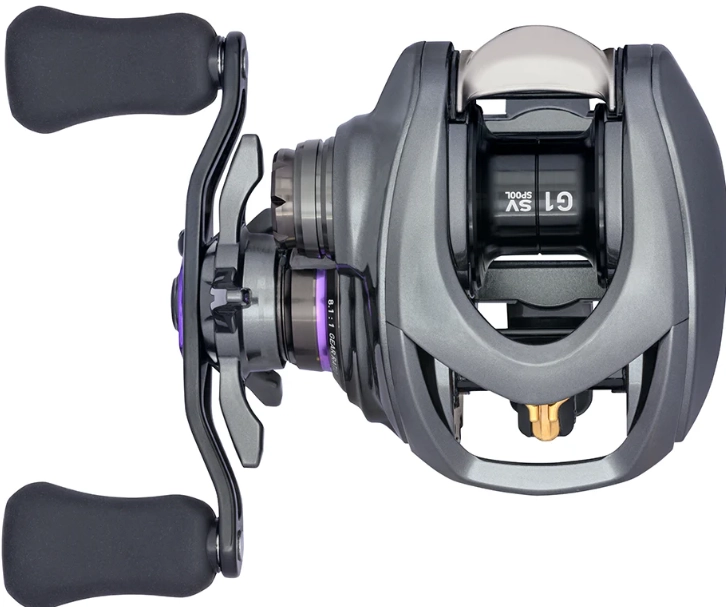
Common Casting Mistakes I Still See
Thumb Paralysis: Being afraid to touch the spool once the cast is in the air. You have to guide it.
Stopping the Rod Abruptly: This is a big one. You want a smooth follow-through with your rod tip pointing at your target. A sudden stop whips the lure and creates a shock of speed.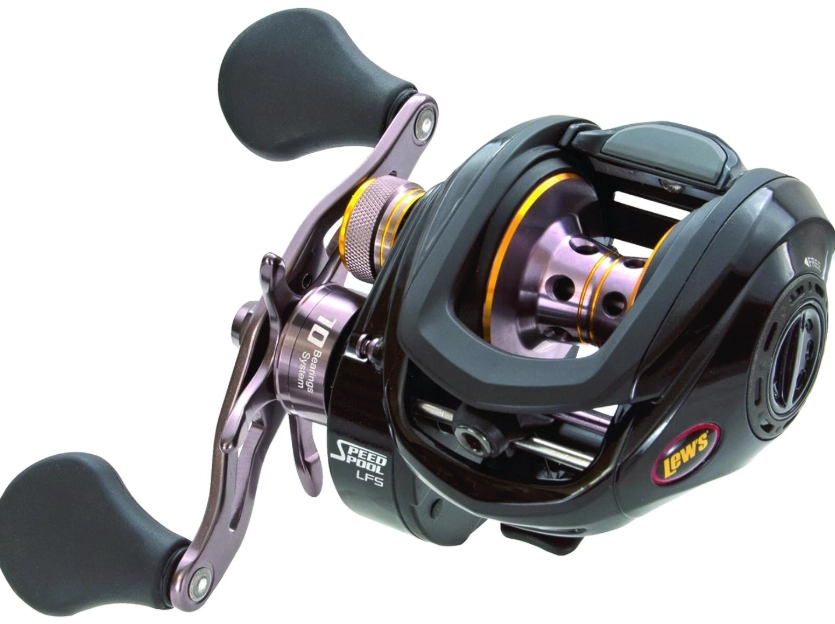
Maintenance and Care for Longevity
Your Baitcasting Questions Answered