Saltwater Fishing Reels: The Ultimate Guide to Choosing and Maintaining Your Gear
How do you pick the right saltwater fishing reel for your target species and fishing style? Our expert guide cuts through the marketing hype to explain reel types, key features like corrosion resistance and drag power, and essential maintenance routines that will save you money and frustration on the water.
Let's cut right to the chase. Choosing the right saltwater fishing reel isn't about finding the shiniest one or the one with the most bearings advertised on the box. It's about picking a tool that won't fail you when a fish is peeling line against the drag. It's about selecting gear that survives the relentless, corrosive assault of saltwater. Get this decision wrong, and you're looking at a frustrating day of missed fish or, worse, a $300 paperweight. Get it right, and you have a reliable partner for seasons to come. I've seen reels seize up on their first trip because someone thought their freshwater bass reel could handle the surf. I've watched gears strip because the drag was cranked down too hard on a cheap setup. This guide is here to help you avoid those expensive lessons. First, forget everything you know about freshwater reels for a moment. The saltwater environment is a different beast. The primary enemy is corrosion—salt crystals that work their way into every tiny gap, seizing bearings and eating away at metal. All saltwater reels are built with this in mind, but they come in two main flavors, each with a distinct purpose. These are the workhorses for probably 80% of saltwater anglers, and for good reason. The spool doesn't turn during a cast; the line peels off a stationary spool. This makes them incredibly forgiving, easier to learn, and fantastic for throwing lighter lures and baits. They're my go-to for inshore species like redfish, speckled trout, snook, and striped bass. They're also perfect for surf fishing and light offshore work for species like mackerel or small tuna. The downside? The design exposes more of the inner workings to the elements (though modern sealed models are improving this). The bail arm and roller are notorious salt magnets. These reels have the spool rotating during the cast and retrieve. They offer more direct power, better cranking leverage, and often a higher line capacity in a more compact body. This makes them king for heavy-duty applications. Think offshore trolling for marlin and tuna, deep dropping for grouper, or heavy jigging. They excel at winching big fish from deep structure. The learning curve is steeper—"backlash" or "bird's nests" are real risks for beginners. Their more enclosed design can sometimes offer better protection, but they have their own vulnerable points, like the level-wind mechanism. Marketing departments love to talk about bearing counts and fancy drag materials. Let's focus on what actually matters when you're fighting a fish and salt is spraying everywhere. This is the single most important factor. Look for reels explicitly marketed for saltwater use. Key terms and materials: Body Material: Aluminum alloy frames and side plates are excellent—strong and corrosion-resistant. Graphite composite bodies are lighter and cheaper but can flex under heavy load. For serious work, go metal. Critical Components: The main shaft, drive gear, and ball bearings should be made of stainless steel. Anything labeled "corrosion-resistant" or "CRBB" is what you want. The American Sportfishing Association (ASA) has highlighted corrosion as the number one cause of premature reel failure in saltwater, so this isn't just talk. Seals: Many reels now have IPX (Ingress Protection) ratings or are described as "sealed." This means O-rings or other seals protect the internal gears from water and salt intrusion. It's a huge upgrade for longevity. The drag is what tires the fish. It must be smooth, powerful, and consistent. A jerky drag will snap your line. Look for multi-disc drag systems (stacked washers). Materials matter here too: carbon fiber drag washers are top-tier, offering smooth performance and heat resistance. Felt washers are common but can compact and lose smoothness over time. The max drag rating is a guideline, not a setting. You should never fish with your drag maxed out. A good rule is to set it at 25-30% of your line's breaking strength. Gear ratio (e.g., 6.2:1) tells you how many times the spool rotates per single turn of the handle. A higher ratio (like 6.8:1) means a faster retrieve, great for quickly taking up slack or burning a lure. A lower ratio (like 5.1:1) gives you more cranking power, ideal for big, deep-dwelling fish. But here's the subtle mistake everyone makes: they ignore the actual inches-per-turn retrieval rate. A reel with a lower gear ratio but a larger spool diameter can actually retrieve line faster than a high-gear-ratio reel with a tiny spool. Check the spec sheet for this number if fast retrieval is critical. Reel sizes (2000, 3000, 4000 for spinning; 20, 30, 50 for conventional) indicate the reel's physical size and line capacity. Don't over-reel. The best guide is your rod. Match the reel to the rod's recommended line weight. You can buy the best reel on the market, and saltwater will kill it in one season without proper care. Maintenance isn't optional; it's part of the cost of admission. After Every Single Trip (The 5-Minute Save): Rinse the reel under a gentle stream of fresh water. I mean gentle—don't blast high-pressure water into the drag star or handle knobs, as it will force salt inside. Just a light shower. Wipe it down with a soft cloth. Engage the drag and turn the handle a few times under the water to rinse the line roller and bail arm. Let it air dry completely before storing. Monthly or After 5-10 Trips (The 20-Minute Service): This is where you add years to your reel's life. You'll need a set of screwdrivers, some reel grease, and light oil. Annual/Professional Service: Once a year, or if the reel starts making funny noises or feels gritty, send it to a professional or do a complete tear-down yourself if you're confident. They'll replace worn parts, clean every bearing, and ensure everything is calibrated. It costs $30-$80 and is worth every penny. The right saltwater reel is a balance of purpose-built materials, smart design, and consistent care. Ignore the flashy ads and focus on corrosion resistance, a reliable drag, and a size that matches your actual fishing. Then, commit to that simple post-trip rinse. Do that, and your reel won't just be a purchase; it'll be an investment that pays off in tight drags and bent rods for years.Quick Navigation: What's in This Guide?
Understanding Saltwater Reel Basics: It's More Than Just a Handle
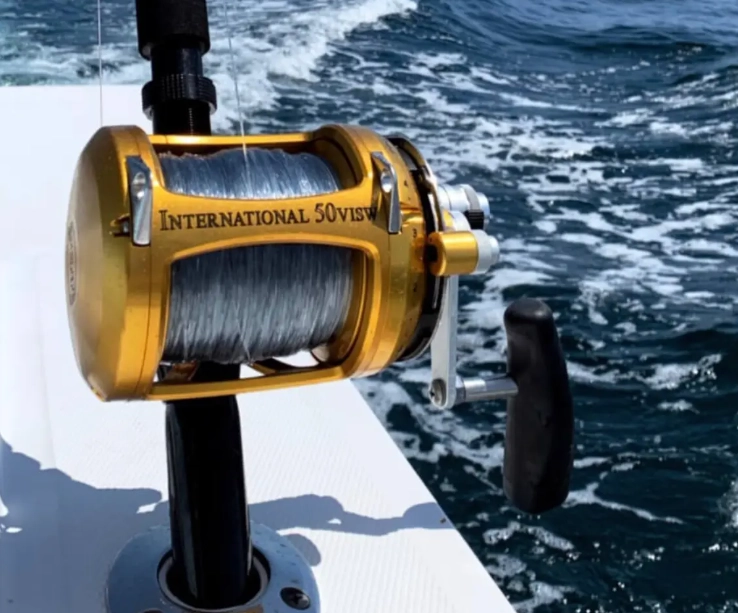
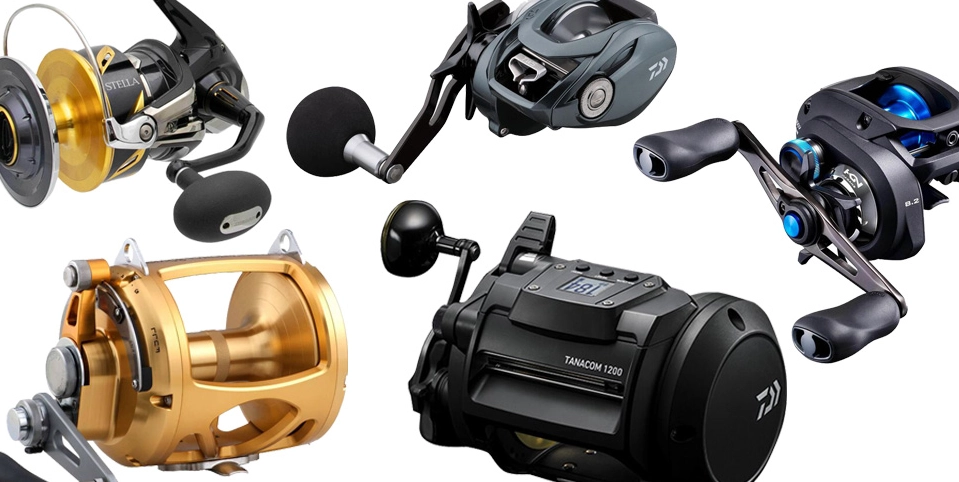
Spinning Reels (Fixed Spool)
Conventional/Baitcasting Reels (Revolving Spool)
Feature
Spinning Reel
Conventional Reel
Best For
Beginners, casting light lures, inshore fishing, surf fishing
Experienced anglers, heavy lures/jigs, offshore trolling, deep water
Ease of Use
High - less prone to tangles
Lower - requires thumb control to avoid backlash
Power & Cranking
Good
Excellent - better gear leverage
Line Capacity
Generally good
Often higher for size
Primary Weak Point
Bail roller, exposed spool lip
Level-wind, side plates
How to Choose the Right Saltwater Reel: Look Past the Hype
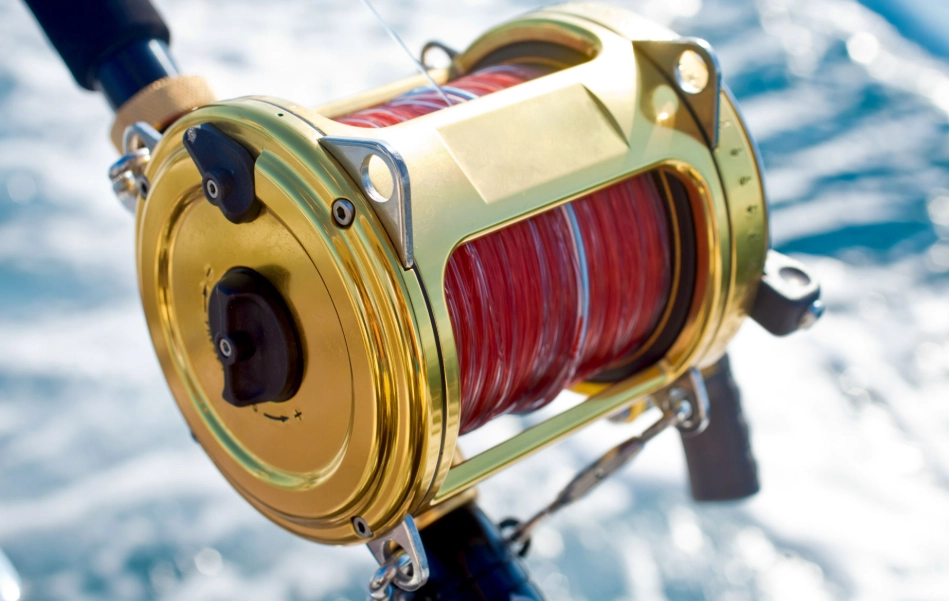
1. Corrosion Resistance: The Non-Negotiable
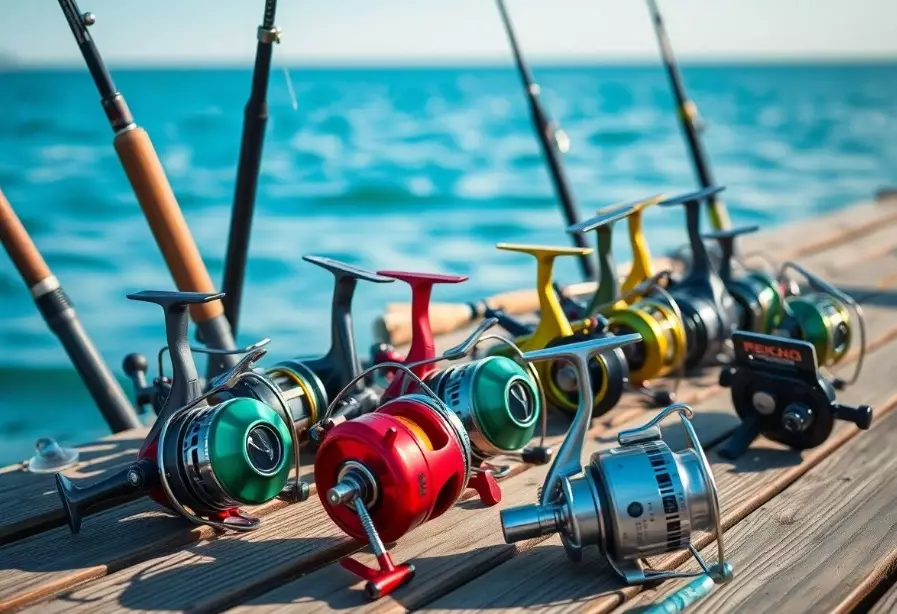
2. Drag System: Your Primary Brake
3. Gear Ratio & Power
4. Size & Line Capacity
The Non-Negotiable Saltwater Reel Maintenance Routine
Your Saltwater Reel Questions Answered